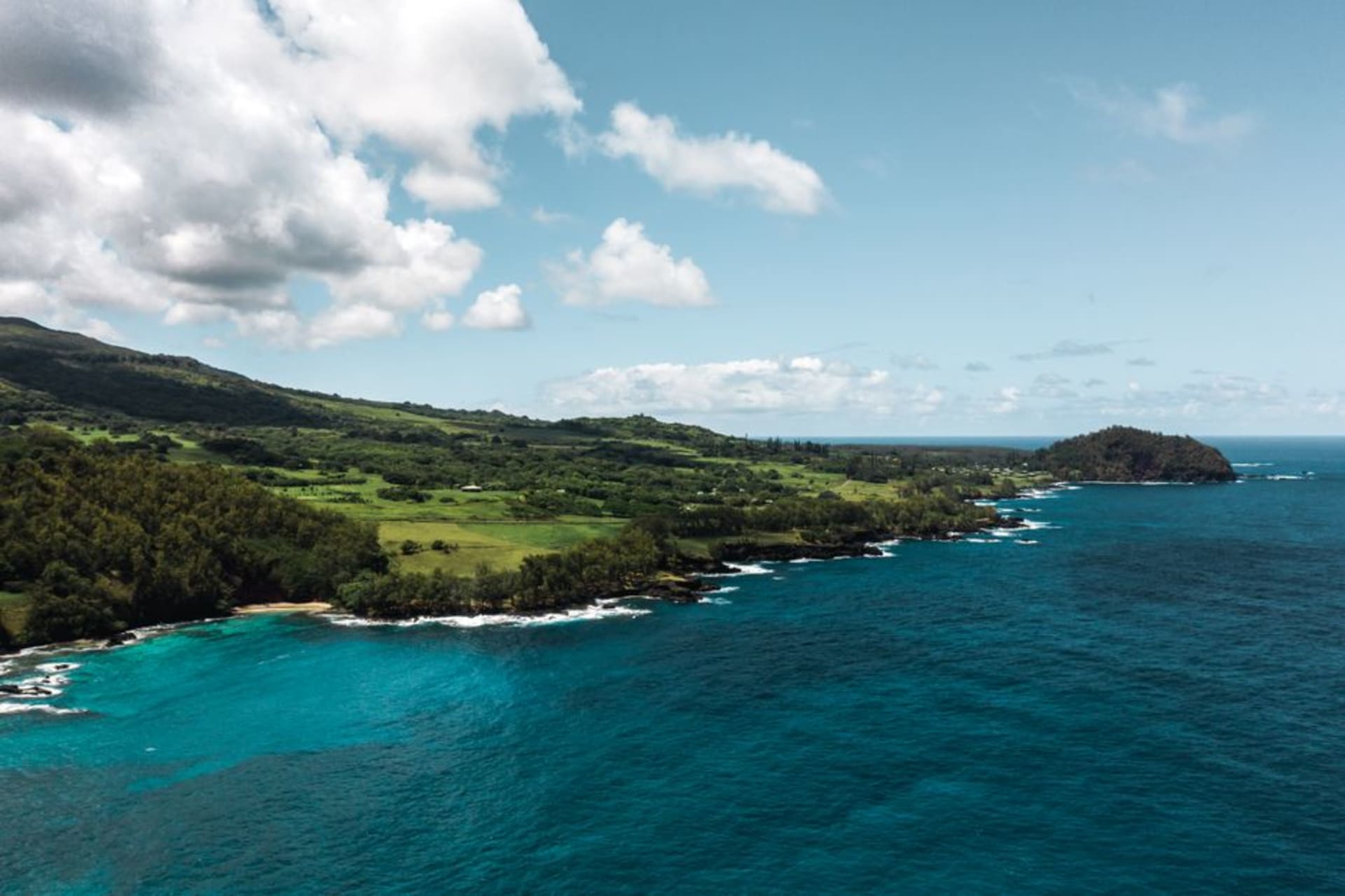
Hawaii is a chain of volcanic islands adrift in the Pacific, where black-sand beaches, emerald valleys, and active volcanoes coexist in staggering beauty. Each island carries its own character and rhythm. It is a place where nature and culture feel inseparable.
Hawaii is unlike anywhere else in the United States, a chain of volcanic islands rising from the middle of the Pacific, more than two thousand miles from the mainland. Born of fire and shaped by wind and sea, the archipelago holds a startling range of landscapes within a small compass: rainforests and deserts, black-sand beaches and snow-dusted summits, cliffs that plunge into surf and valleys carpeted in green. Woven through it all is the living culture of Native Hawaiians, whose traditions of aloha, hula, and deep connection to the land give the islands their soul.
Each island offers a world of its own. Maui balances resort ease with wild grandeur, home to the volcanic crater of Haleakala, where visitors climb above the clouds to watch the sunrise. On the Big Island, the earth is still forming, and Hawaii Volcanoes protects the active flows and steaming calderas of Kilauea, a landscape where you can watch the islands quite literally being made. The sheer scale of the Big Island encompasses everything from lava fields to green pastures to snow-capped Mauna Kea.
To the north and west lie islands of a gentler temper. Kauai, the oldest and greenest, is a place of dramatic sea cliffs, plunging waterfalls, and the vast red gorge of Waimea Canyon, a garden island where nature runs riot. And on Oahu, the capital city of Honolulu brings urban energy and history to the shores of Waikiki, its beaches and monuments drawing travelers from around the globe while the surf breaks steadily just offshore.
What binds the islands together is a sense that the natural and the sacred are one. The volcanoes are ancestors, the ocean a provider, the land something to be cared for rather than merely admired. To travel Hawaii well is to move at the pace of the islands, to swim and hike and listen, and to leave with a deeper respect for a place that feels, even now, freshly made.
Explore
Places in Hawaii
 united-states
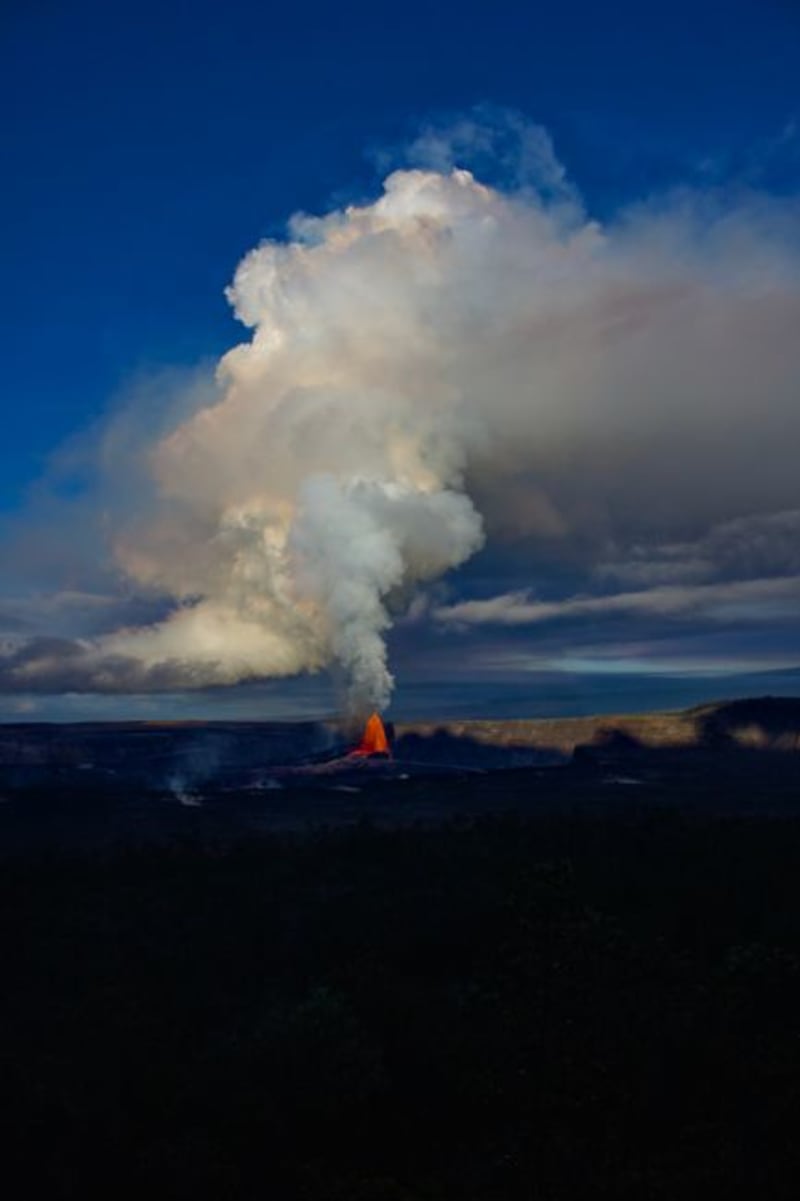
 Big Island of Hawaii
On the Big Island you can drive from black lava desert to misty rainforest to snow-dusted summit in a single afternoon. We watched fresh earth being made at the volcano, stood on sand the color of night, and drank coffee grown on the hill above us. Lia and I have never felt an island so alive.
Explore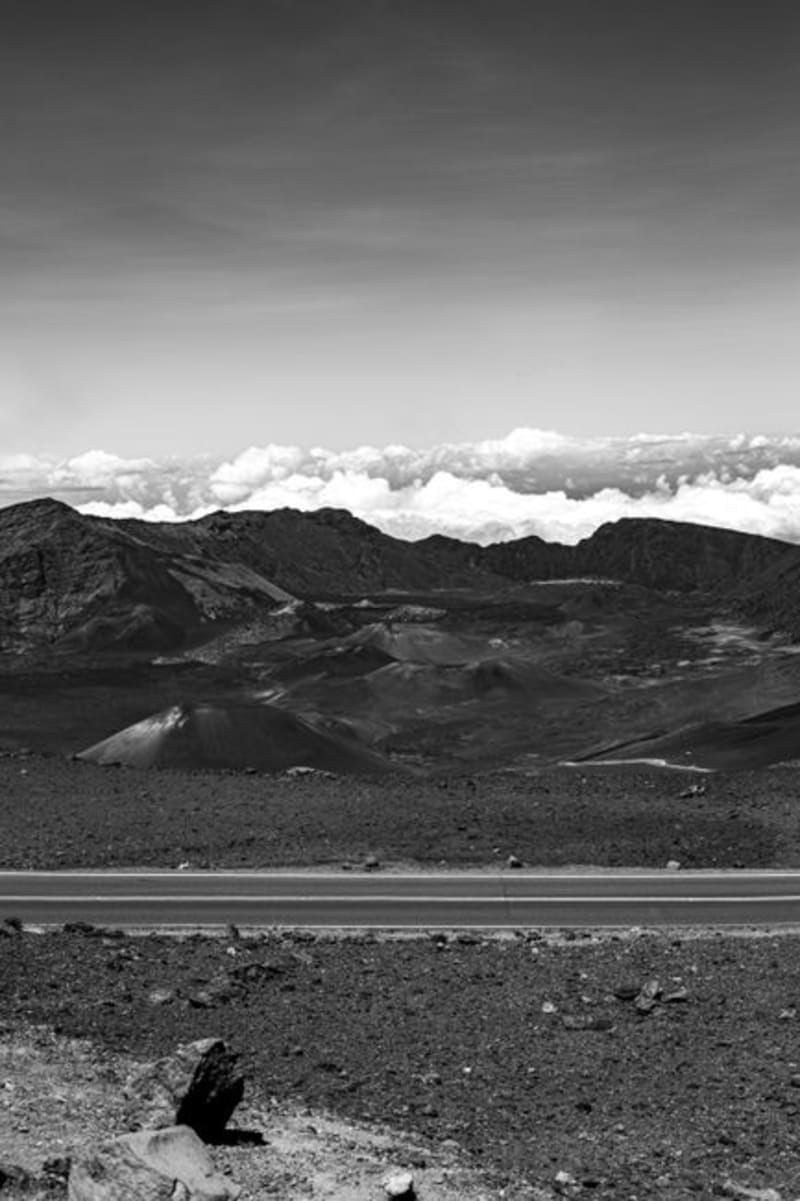 united-states
 Haleakala
A vast Maui volcano whose summit floats above a rolling sea of clouds. At 10,000 feet the air is thin and cold, the silence enormous, and the sunrise arrives like something being unveiled rather than switched on.
Explore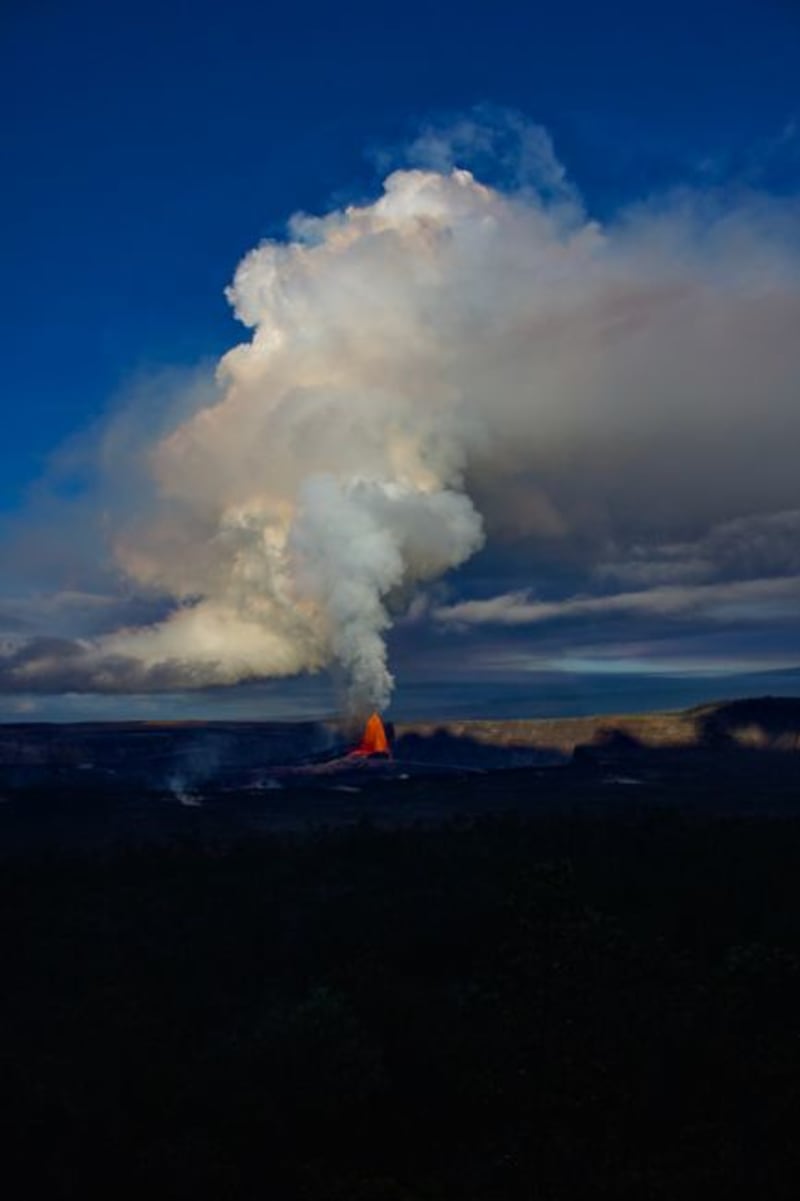 united-states
 Hawaii Volcanoes
On the Big Island the earth is still being made. Steam rises from cracks in the ground, hardened lava spreads in black rivers to the sea, and the glow of Kilauea at night is the closest thing to watching creation happen in real time.
Explore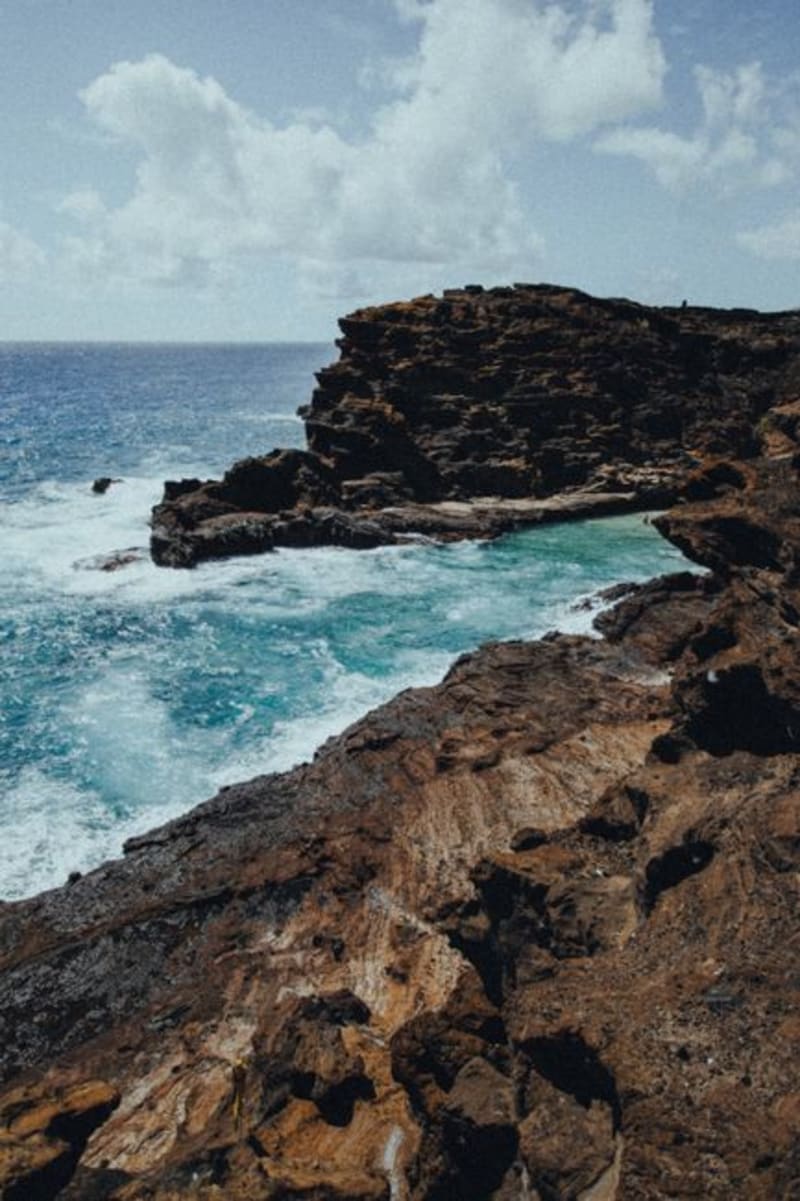 united-states
 Honolulu
Hawaii's island capital, where the crescent of Waikiki meets the green shoulder of Diamond Head and the Pacific turns every shade of blue there is. Honolulu is louder and stranger and more tender than its postcards let on. We arrived expecting a beach and found a whole layered world.
Explore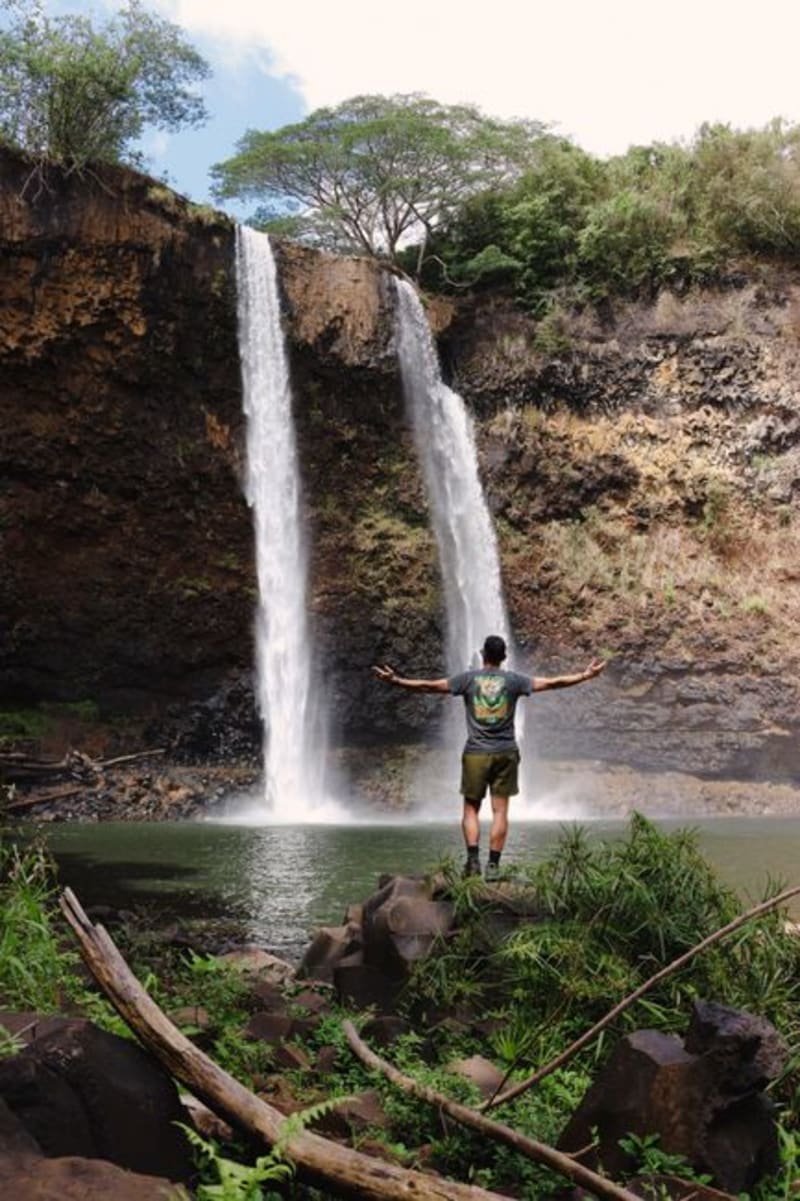 united-states
 Kauai
Kauai is the island the others could have been before the resorts arrived. Sea cliffs so green they look painted, a red canyon that swallows the light, and roosters crowing on every trailhead. Lia and I came for a week and left already plotting our way back.
Explore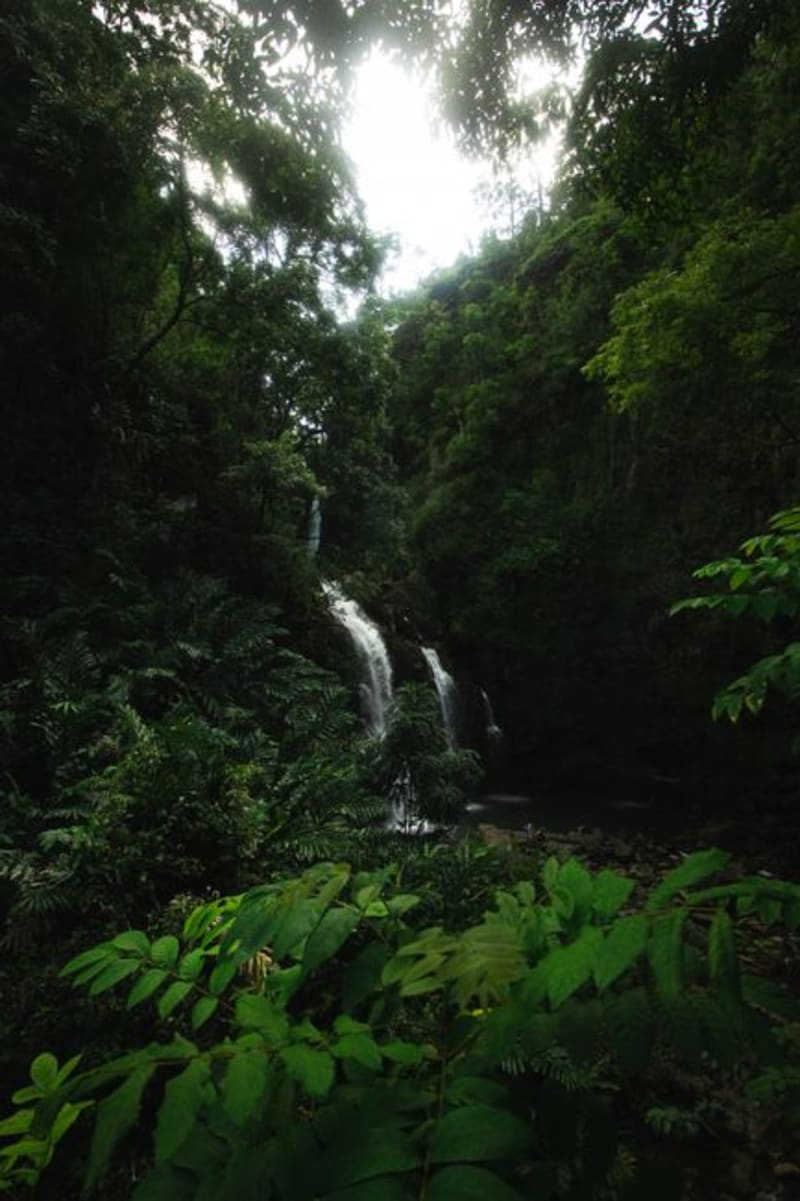 united-states
 Maui
The winding road to Hana unspooled ahead of us like a dare, all blind curves and one-lane bridges over jungle streams. Red-sand coves, a volcano that scrapes the clouds, and the smell of rain on lava. Maui made Lia and me forget what day it was.
Explore