Mountain Home
"Mountain Home sits between two lakes and a cold river, and the whole town smells faintly of bait shops and pine."
A trout-fishing town wedged between two enormous man-made lakes in the Ozark foothills, where the White River runs cold enough year-round to fool everyone into thinking it's still spring. Lia caught her first trout here, on a rented rod, and has not let me forget it since.
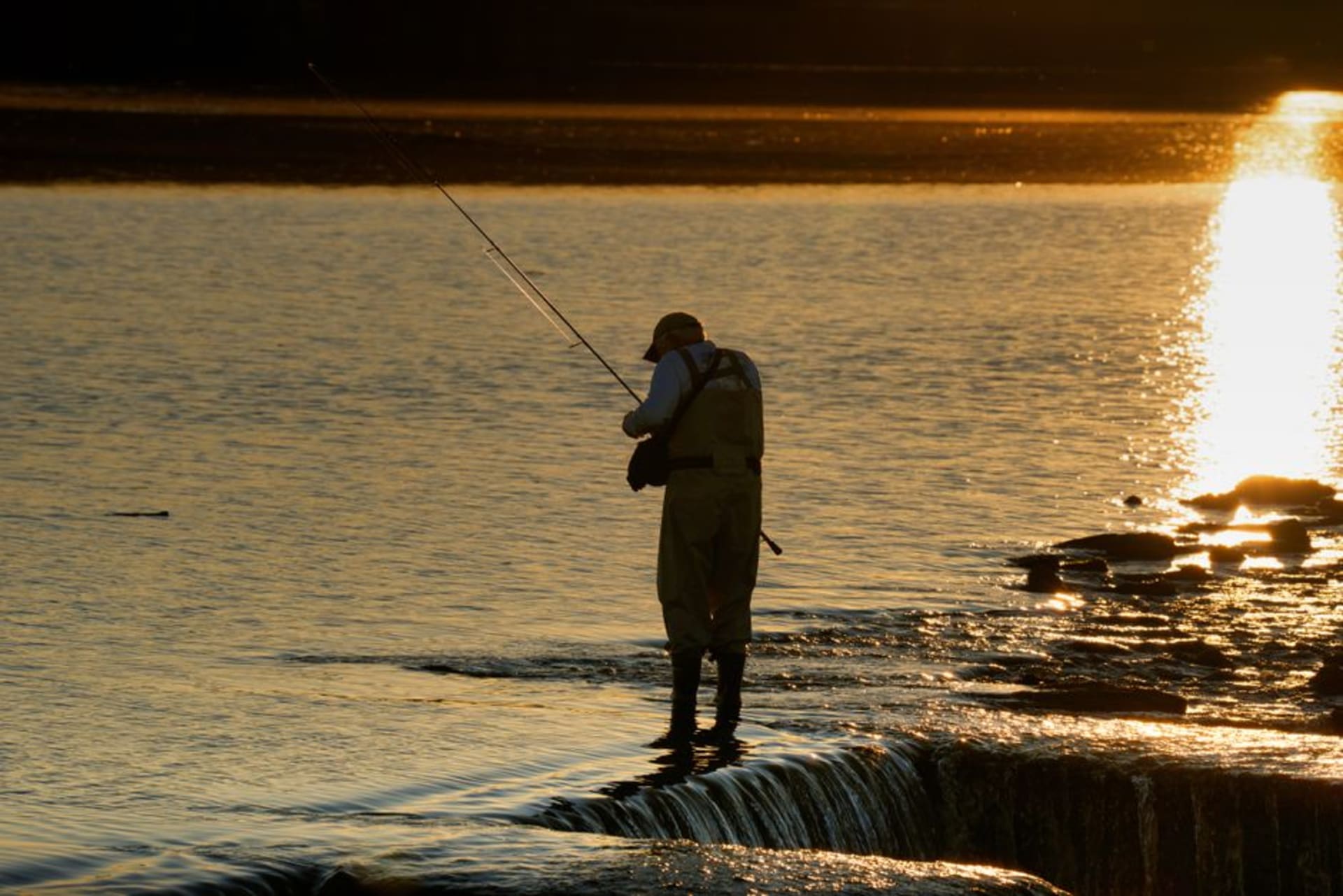
We came to Mountain Home for the trout, which is really the only honest reason anyone comes to Mountain Home. The town sits in the Twin Lakes region of the Ozarks, pinched between Bull Shoals Lake and Norfork Lake, both created by dams that also happen to release water cold enough to sustain one of the best trout fisheries in the country. Lia had never fly-fished in her life; by the second morning she was wading the Norfork tailwater in borrowed waders, arguing with the guide about fly selection like she’d been doing it for years.
The Norfork and White River tailwaters
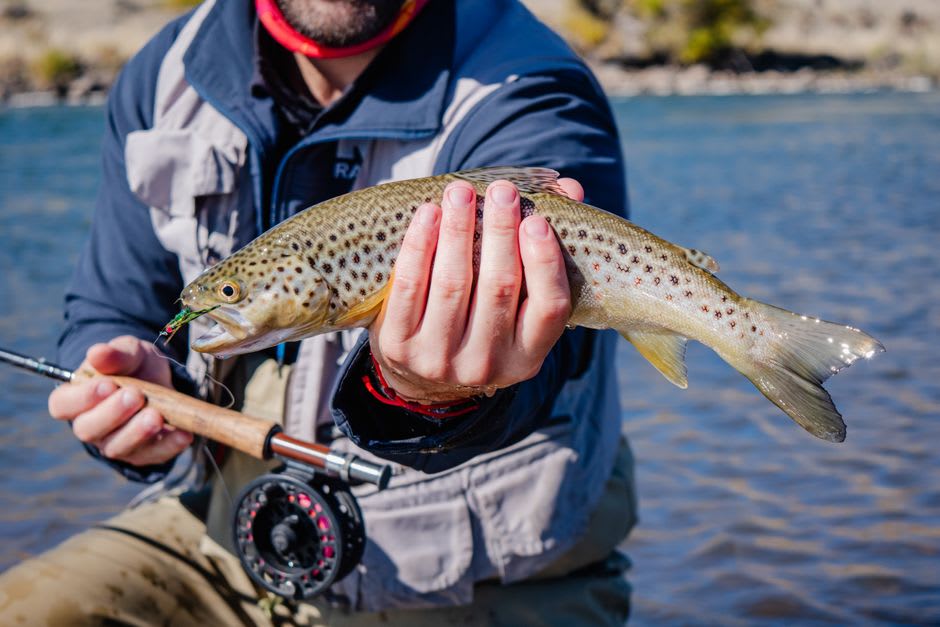
The dams below both lakes discharge deep, cold reservoir water into the rivers below, which is the whole trick — trout that couldn’t survive an Ozark summer otherwise thrive in these tailwaters year-round. We fished a stretch of the Norfork with a local guide who’d clearly seen a thousand tourists catch their first trout and still seemed genuinely pleased when Lia landed hers, a rainbow that fought harder than either of us expected. The banks here are quiet, lined with sycamores, and the only sound most mornings is water moving over gravel.
Bull Shoals and Norfork Lakes
When we weren’t fishing, we drove the ridge roads between the two lakes, stopping at overlooks where Bull Shoals spread out blue and enormous below limestone bluffs. Mountain Home itself is a modest, unglamorous town of strip malls and bait shops, but it’s the access point to genuinely spectacular water on both sides — houseboats on Bull Shoals in summer, striped bass fishing on Norfork, and enough boat ramps that we never waited in line at either.
Getting There
Mountain Home has a small regional airport, but most visitors fly into Springfield-Branson National in Missouri, about seventy-five miles north, or Little Rock, roughly two and a half hours south. A car is essential — the lakes, dams, and tailwater access points are spread across a wide, hilly area with no public transit connecting them.
Keep exploring
More of Arkansas