
Sir Bani Yas is a conservation story disguised as a luxury island, and the conservation story is the more interesting one. In the 1970s, Sheikh Zayed — the UAE’s founding father, a man who planted trees in the desert with the conviction of someone who believed the land owed nothing to geography — transformed this barren desert island into a wildlife sanctuary. He planted millions of trees. He introduced species from across Arabia and Africa. He built, essentially, an ark.
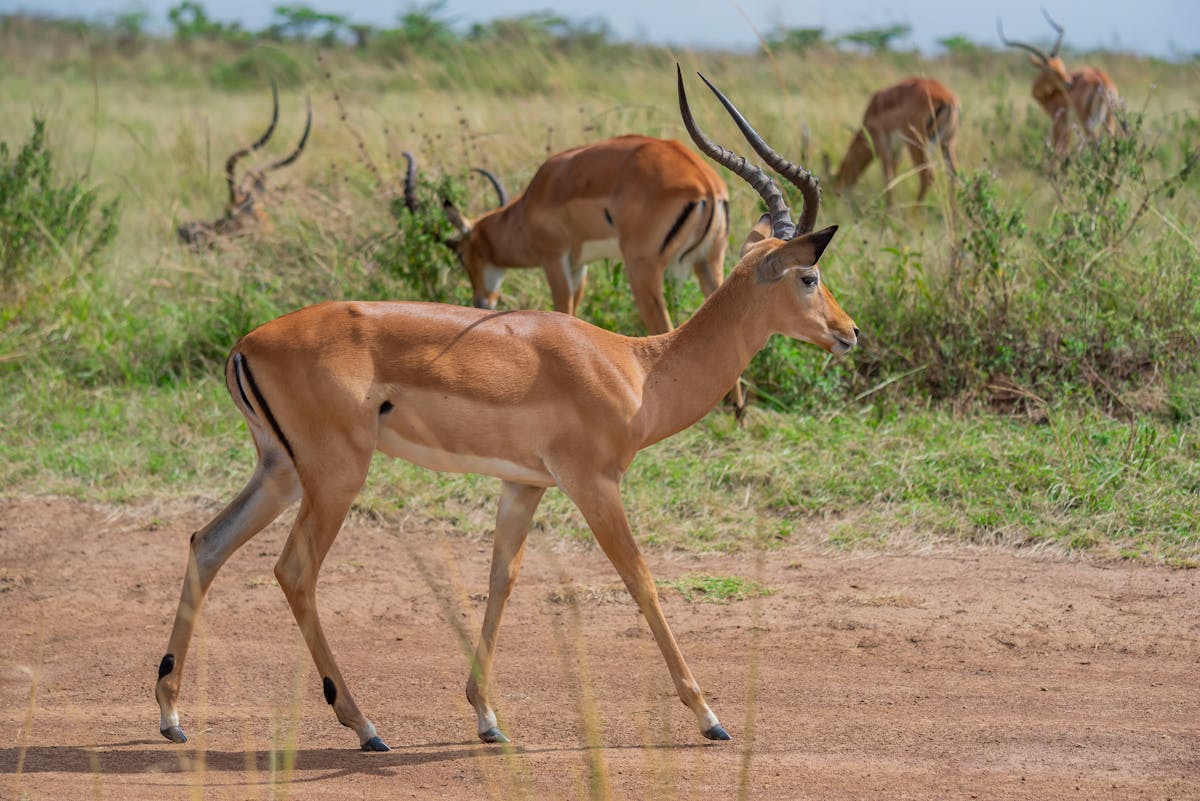
Today the Arabian Wildlife Park covers half the island, home to over 17,000 animals including Arabian oryx — the animal that was functionally extinct in the wild before breeding programs like this one brought it back — along with sand gazelles, giraffes, and cheetahs. Game drives across the island feel genuinely surreal. You are in the UAE, on an island in the Arabian Gulf, watching giraffes walk against a backdrop of turquoise water and desert scrub. The cognitive dissonance is part of the experience.
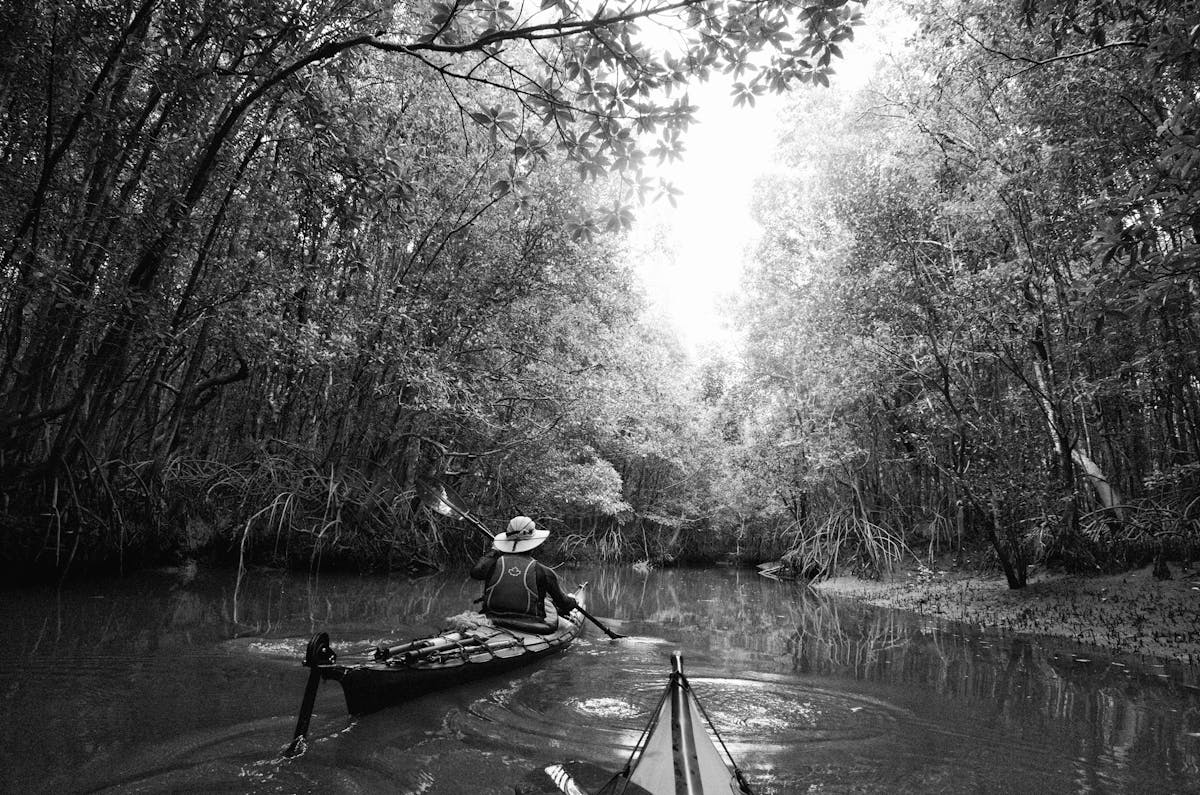
The island’s other half is resort territory — the Anantara properties offer desert luxury with kayaking through mangroves, archery, falconry experiences, and mountain biking. The falconry is worth doing even if you have no particular interest in birds, because the Emirati falconer who ran the session I attended talked about the relationship between a falconer and his bird with the intensity of someone describing a marriage. The falcon perches on your gloved arm, stares at you with an eye that sees four times more than yours, and you understand why this is the national bird and why falconry here is not a hobby but an identity.
A Christian monastery dating to the seventh century was discovered on the island in 1992, evidence of a Nestorian community that challenges assumptions about the region’s exclusively Islamic history. The ruins are modest — foundations, fragments of plaster with faint crosses — but their presence on this island, in this part of the world, rewrite the story of the Gulf in ways that are still being understood.
The snorkeling offshore is surprisingly good, with hawksbill turtles feeding on the seagrass beds. I spent an afternoon floating in water warm enough to sleep in, watching a turtle graze below me with the unhurried patience of an animal that has been doing the same thing for a hundred million years.
When to go: October to April for comfortable wildlife viewing and water activities. The island is best experienced over two to three days — one day for the wildlife drive, one for the water, one for doing nothing at all.