
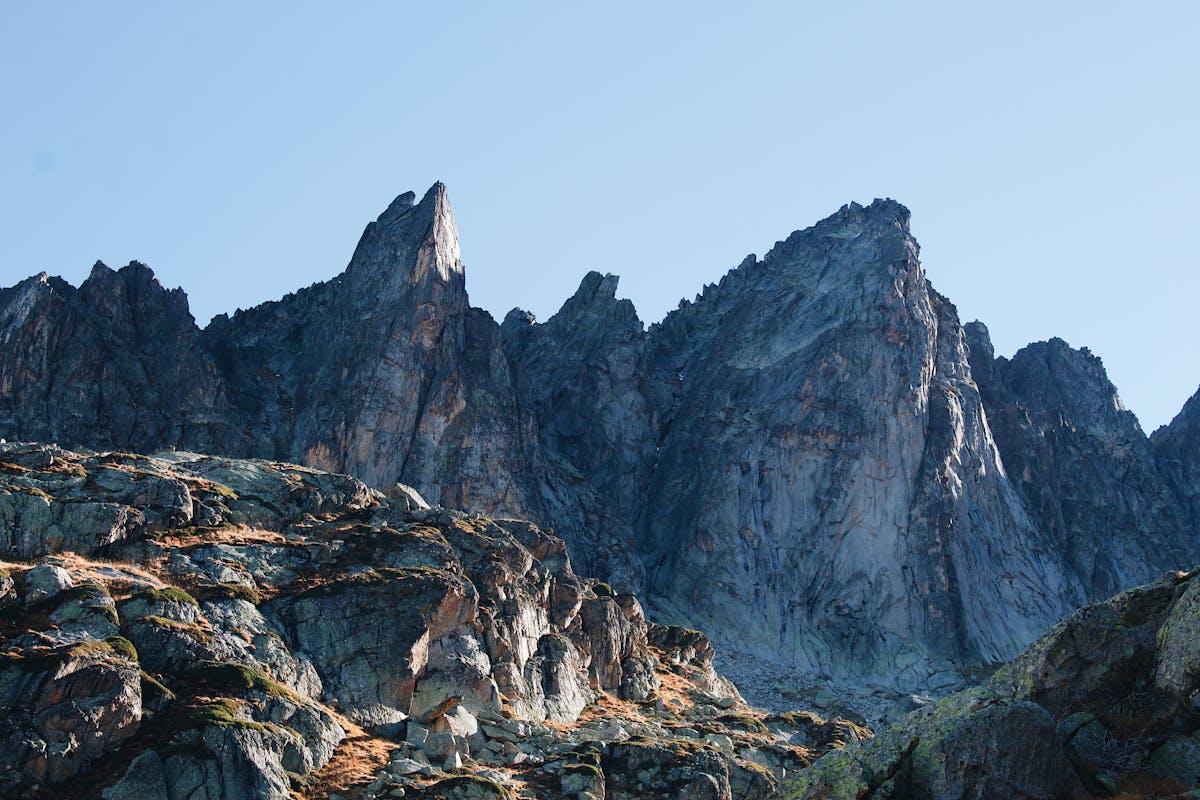
Ras Al Khaimah is the UAE’s wild card — the northernmost emirate where the Hajar Mountains rise abruptly from the coastal plain, offering terrain that looks nothing like the Dubai stereotype. When people tell me the UAE is all shopping malls and artificial islands, I tell them about RAK. The mountains here are raw, sharp, layered in geological strata that read like a textbook of tectonic violence. There is nothing polished about this landscape. It earns its beauty through severity.
Jebel Jais, the UAE’s highest peak at 1,934 meters, hosts the world’s longest zipline — 2.83 kilometers of cable at speeds reaching 150 kilometers per hour — and I will admit that I did it and I will admit that I screamed. The sensation of launching off a mountain platform and flying above a canyon for nearly three kilometers is not something the human brain processes calmly. But the zipline is almost beside the point. The network of hiking trails on and around Jebel Jais reveals a landscape of dramatic wadis and terraced farms where people have grown crops on mountain shelves for centuries. The air up here is ten degrees cooler than the coast, and in winter, it can approach freezing — a fact that stuns visitors who packed only shorts and sandals.
The coastline is developing but still retains stretches of undeveloped beach, and the desert inland offers dune experiences without Dubai’s crowds. The Dhayah Fort, a hilltop mud-brick fortress, is the only one of its type remaining in the UAE — a watchtower perched on a conical hill with views sweeping from mountain to sea. I climbed up in the late afternoon and sat on the walls watching the light change, and for a moment the modern UAE disappeared entirely. Just mountains, desert, sea, and a fort built by people who understood that this high ground mattered.
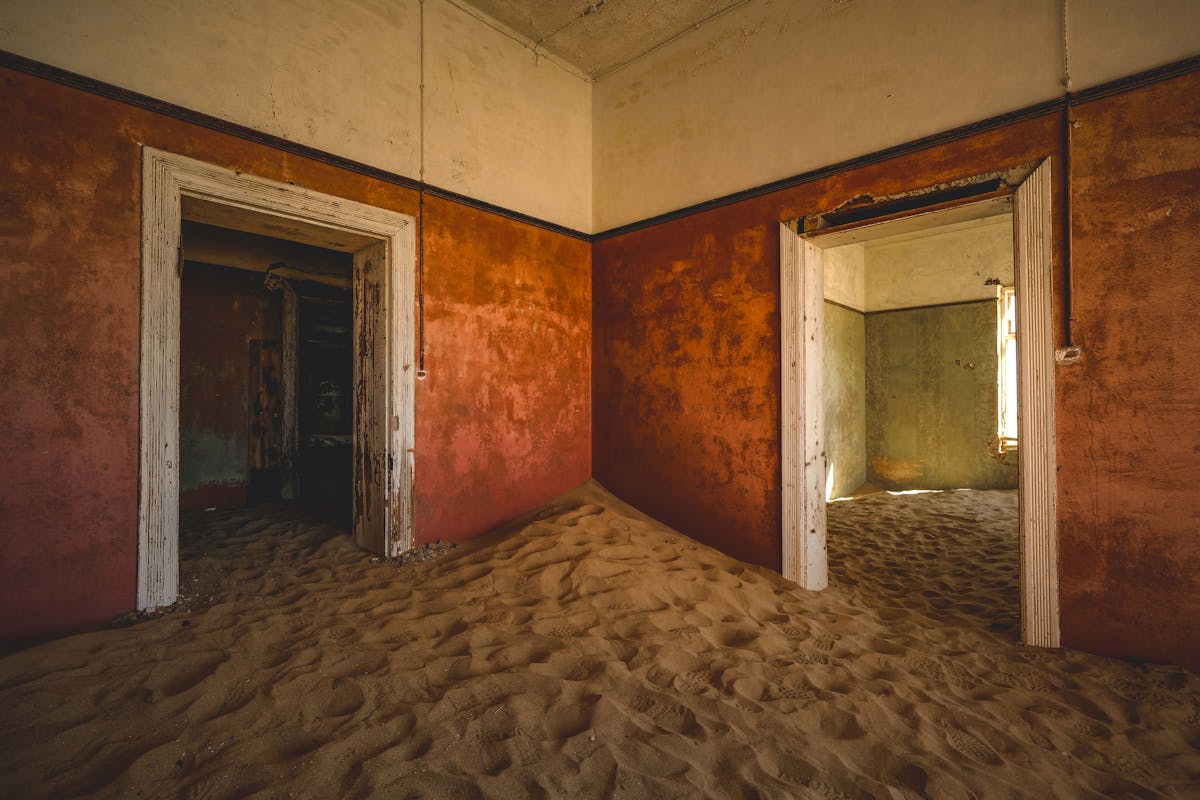
Al Jazirah Al Hamra is a genuinely abandoned fishing village, its coral-stone houses and mosque slowly returning to sand — an atmospheric reminder of Gulf life before the transformation. Walking through its empty lanes, past doorways that still have their wooden lintels, you feel the weight of the change that happened here in a single generation. The village was abandoned in the 1960s when its residents relocated. The buildings remain, and the silence in them is different from the silence of the desert. It is the silence of a place that remembers being full.
When to go: October to April for hiking and outdoor adventure. Jebel Jais is significantly cooler than the coast — bring a jacket even in mild months. The Bear Grylls Explorer Camp near the summit offers overnight experiences for the committed.