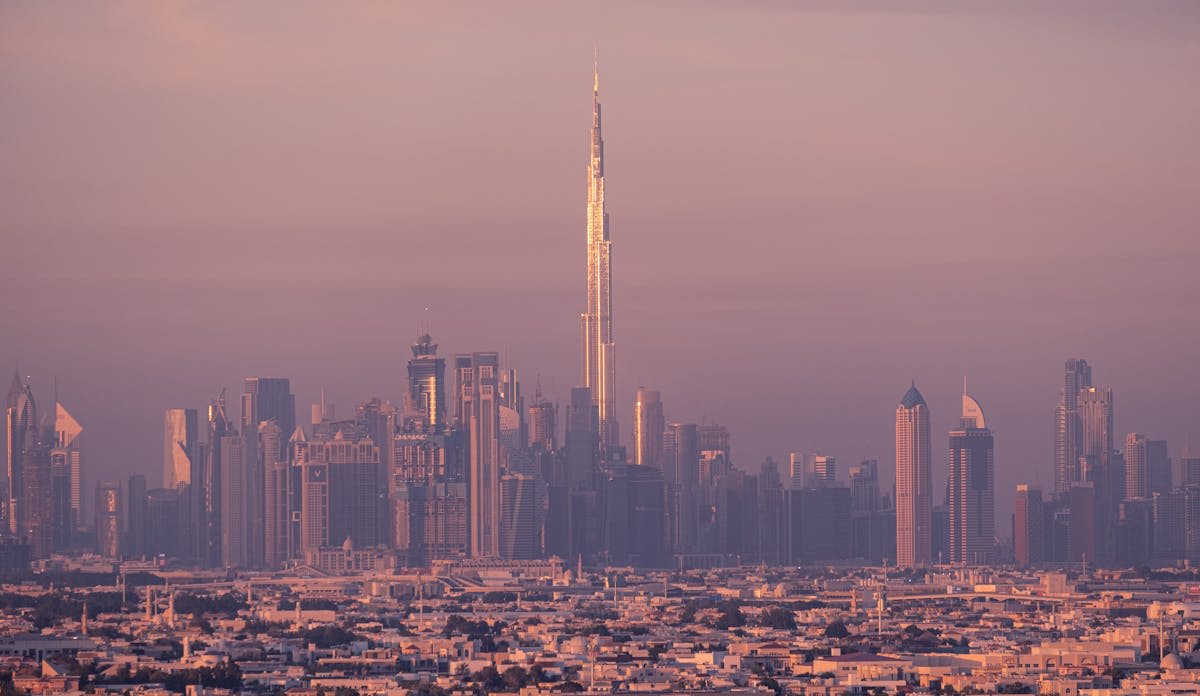
Dubai is a city that treats the word “impossible” as a planning challenge, and the first time you see it from the highway — that cluster of impossible verticals rising from flat desert like a mirage that refused to dissolve — you understand that whatever you thought you knew about this place was incomplete. The Burj Khalifa at 828 meters dominates everything, its observation deck offering views that stretch to the curvature of the earth on clear mornings. I went up at dawn, before the tour groups, and watched the sun hit the desert floor while the city below was still in shadow. It felt less like sightseeing and more like a lesson in what happens when ambition has no ceiling.
Below it, the Dubai Mall contains an aquarium, an ice rink, and a waterfall, because in Dubai, a shopping center is never just a shopping center. The Palm Jumeirah, an artificial island visible from space, redefines the relationship between land and sea. But the city’s excesses are well-documented. What surprised me was everything else.
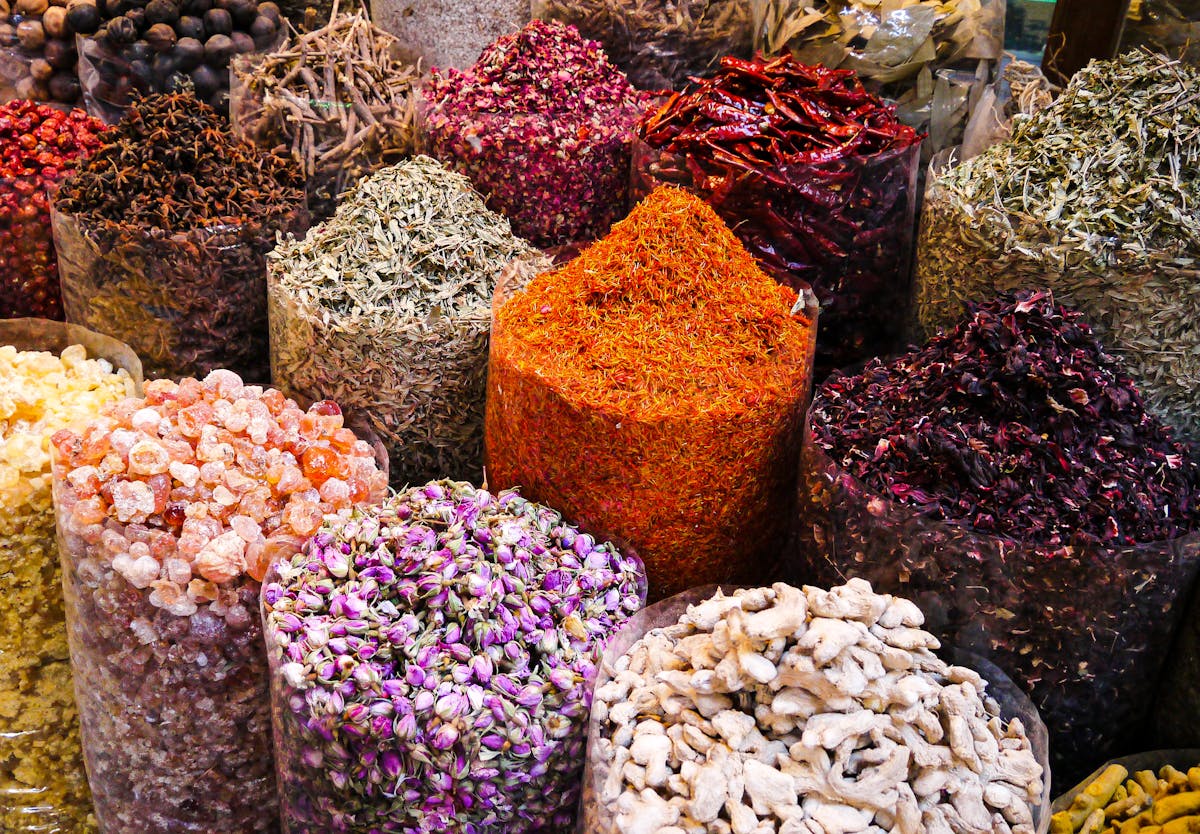
The old city persists, and it persists with more character than the brochures suggest. The Al Fahidi Historical District preserves wind-tower architecture from the pre-oil era — narrow lanes, coral-stone walls, courtyards designed to catch whatever breeze the Gulf offers. Galleries and cafes have moved in without erasing the texture. An abra water taxi across the Creek costs one dirham and deposits you at the Gold Souk and Spice Souk, where trade has operated on these banks for over a century. The spice souk smells like saffron and dried lime and cardamom, and the vendors have the easy patience of people who know their product sells itself.
The food scene is what I did not expect. Dubai’s immigrant communities — Pakistani, Indian, Filipino, Lebanese, Ethiopian — have built a dining landscape that is extraordinary and wildly underpriced outside the hotel restaurants. A biryani in Karama, a shawarma in Satwa, a dosa in Bur Dubai — you can eat magnificently for ten dirhams if you know where to look, and the knowing is half the pleasure.
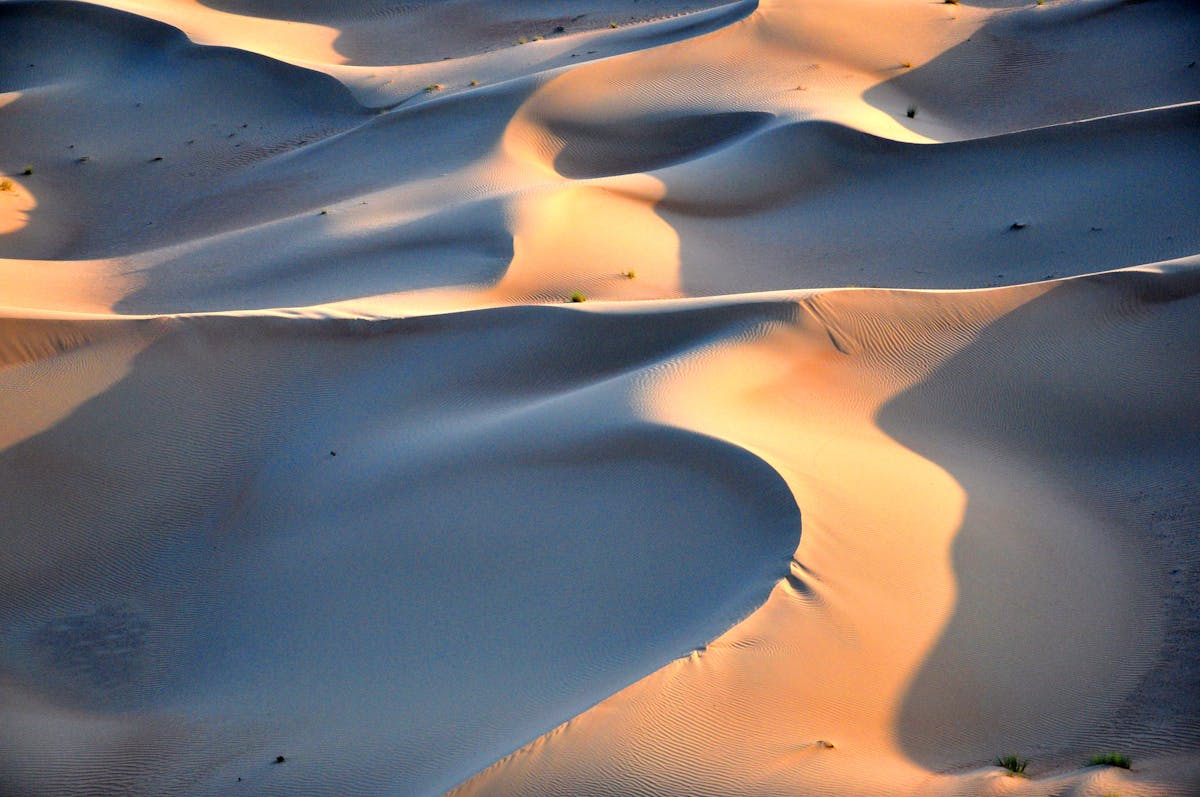
The desert beyond the city — dune bashing at sunset, followed by a Bedouin-style dinner under stars — remains the most honest thing Dubai offers. I drove out one evening with a guide who grew up in the emirate before the towers arrived, and he talked about the desert the way my grandfather talked about the French countryside: as the place where the real country still lives. The dunes at Al Marmoom turned orange, then violet, then black, and the silence that settled after the engine stopped was the kind of silence that makes you reconsider your relationship with noise.
When to go: November to March for comfortable outdoor temperatures. Summer (June to September) exceeds 45 degrees Celsius and drives life indoors. Ramadan, if you time it right, transforms the city after sunset into a celebration that is worth adjusting your schedule around.