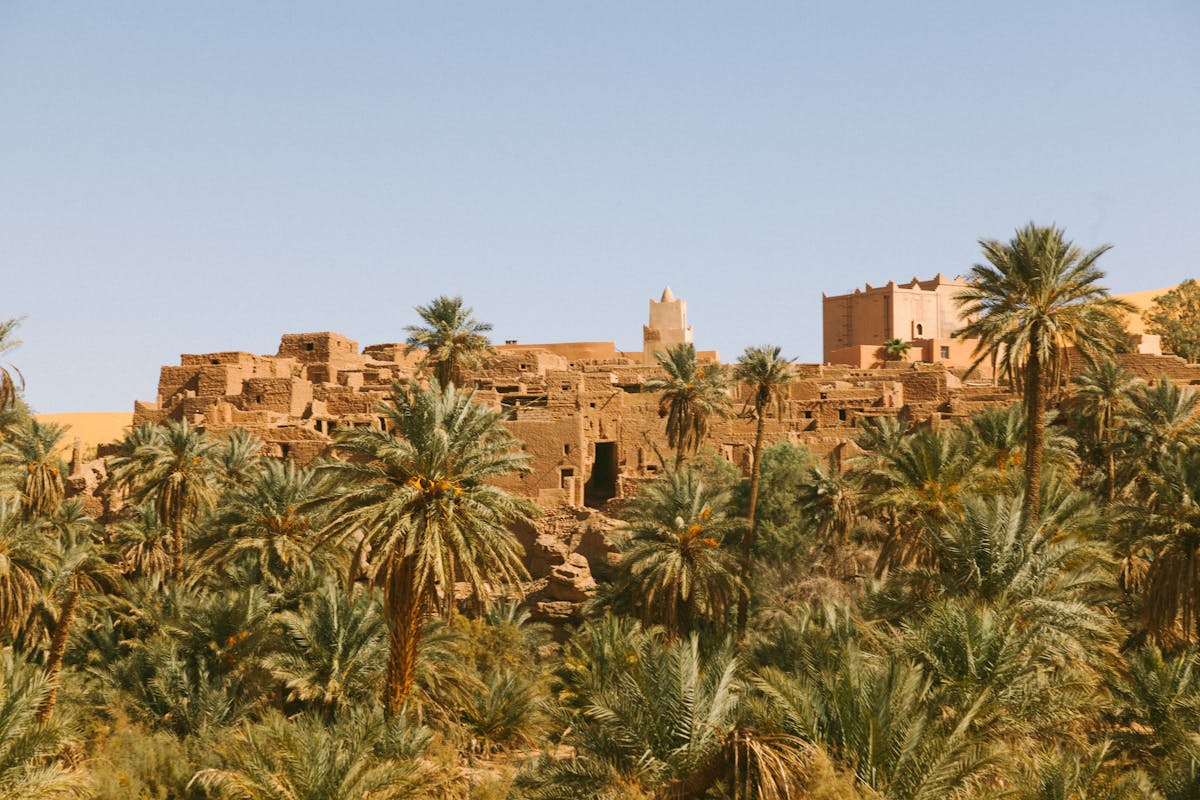
Al Ain is the UAE before the oil, and it is the UAE that makes the most sense. A genuine oasis town whose falaj irrigation system has sustained date palms for over 3,000 years and earned UNESCO World Heritage status, Al Ain feels less like a modern Emirati city and more like proof that civilization in this region did not begin with the discovery of petroleum. People have been living here, growing food here, trading here, for millennia. The towers of Dubai are fifty years old. The falaj channels of Al Ain are three thousand.
The Al Ain Oasis in the city center is a shaded labyrinth of 147,000 palms threaded with ancient water channels — a cool green world steps from the modern streets. Walking through it in the early morning, when the light filters through the fronds and the water runs in the channels with a sound like quiet conversation, I understood why Sheikh Zayed — born here, raised here — spent his life planting trees. The oasis is not a park or a museum. It is a living agricultural system, tended by farmers who still harvest dates from these palms every season.
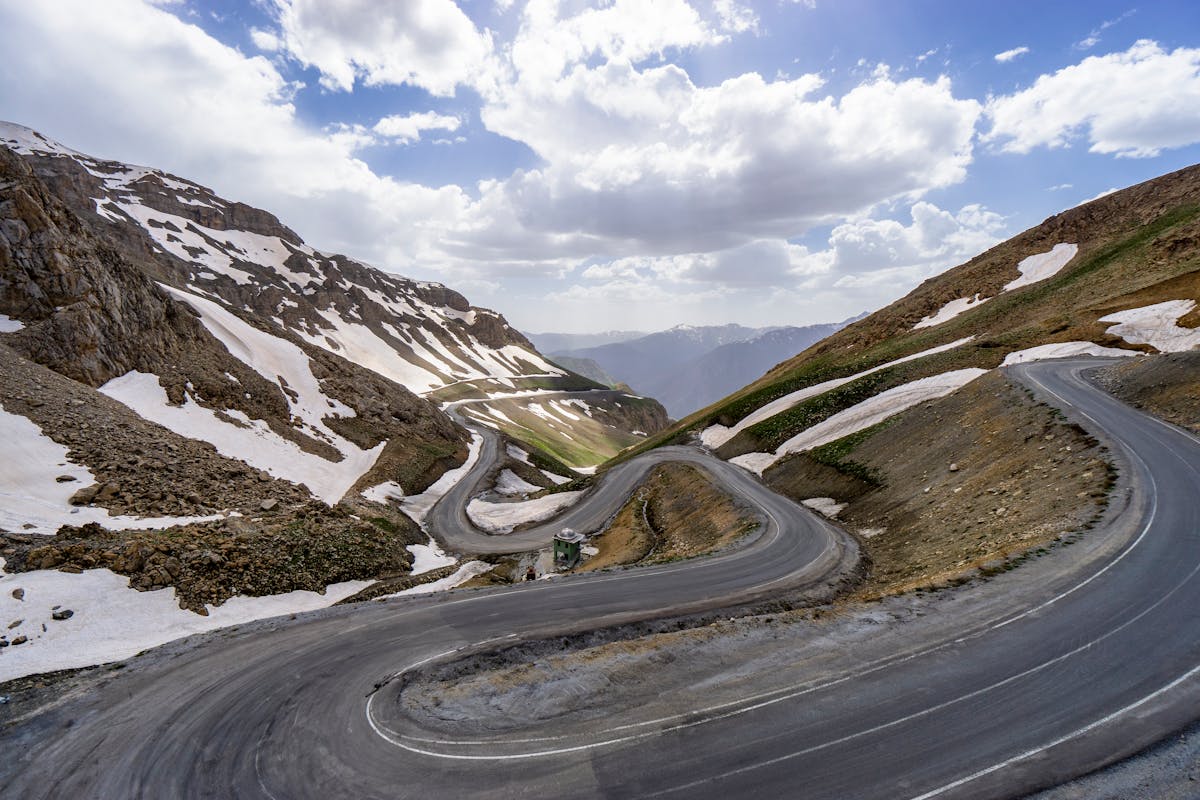
Jebel Hafeet rises 1,240 meters above the plain, its winding summit road one of the great drives in the Emirates — twelve kilometers of switchbacks with panoramic views across the desert to Oman. I drove it at sunset, and the desert below turned from gold to copper to violet in the twenty minutes it took to reach the top. The hot springs at the mountain’s base, Green Mubazzarah, are a popular local picnic spot surrounded by improbably green lawns — families grilling, children swimming in the warm mineral water, the mountain looming above like a stage set.
The Al Ain National Museum and the nearby Hili Archaeological Park — with Bronze Age tombs dating to 3000 BC — reveal that this oasis has been a crossroads of civilization far longer than the modern UAE has existed. The Hili tombs are modest structures, circular and stone, but standing beside them with the date palms in the distance and the mountain behind you, you feel the weight of continuous human habitation in a way that the gleaming cities on the coast never quite communicate.
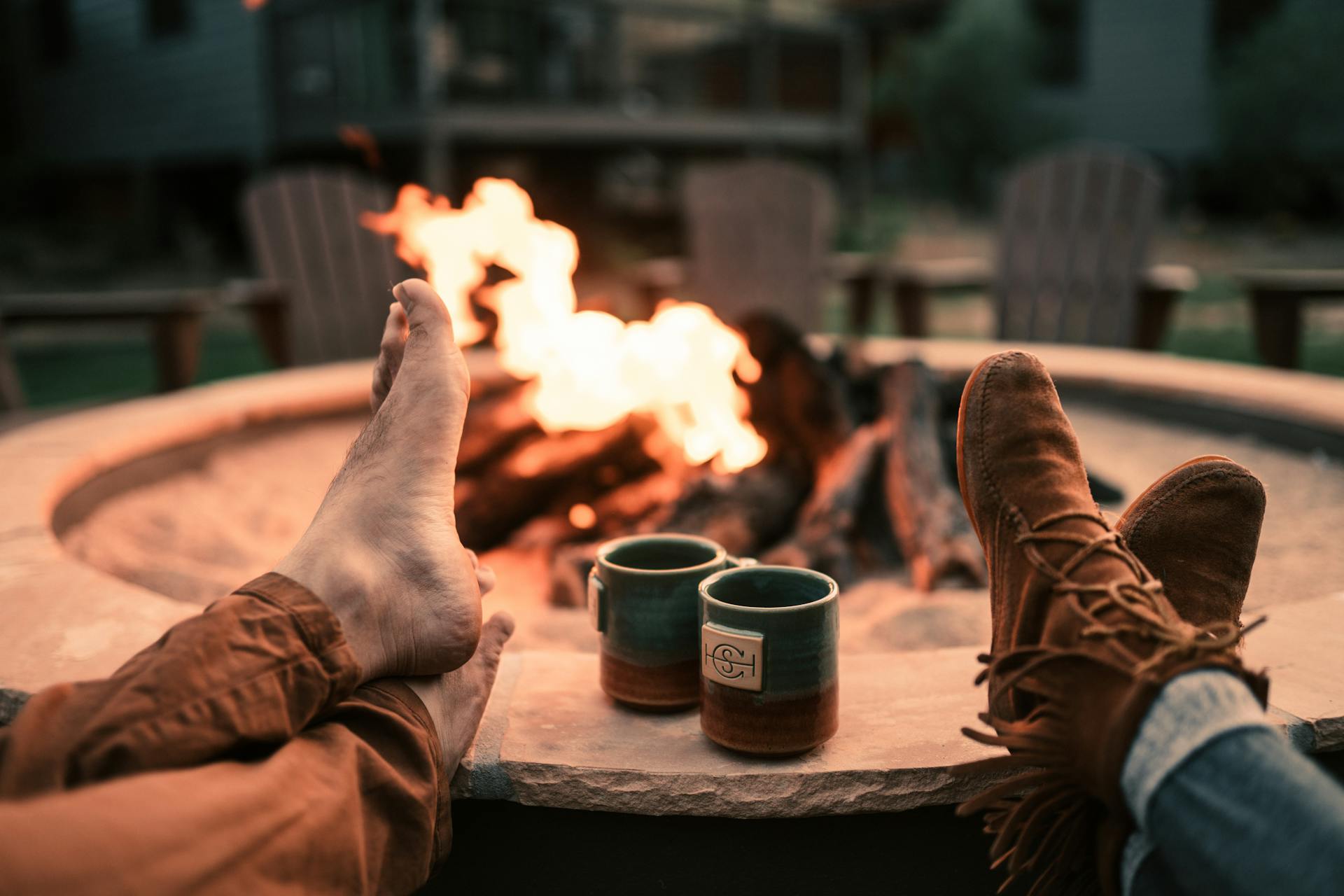
The camel market on the outskirts of town is the last functioning livestock market of its kind in the UAE. It smells exactly like you would expect, and it is wonderful.
When to go: October to April for comfortable weather. November to March is ideal for Jebel Hafeet at sunset and oasis walking. The camel market operates daily but is most active in the early morning.