
Ajman is the UAE in miniature — the smallest of the seven emirates, lacking Dubai’s ambition and Abu Dhabi’s wealth, but offering something neither can: genuine unpretentiousness. There is no entry fee here, no velvet rope, no sense that the place is performing for anyone. Ajman simply is what it is, and what it is turns out to be a quietly compelling window into Gulf life before the superlatives arrived.
The Ajman Museum, housed in an eighteenth-century fort that served as the ruler’s palace until 1970, tells the story of pearl diving, fishing, and dhow-building that sustained Gulf life before oil. The fort itself — squat, sun-bleached, built from coral stone and gypsum — is more interesting than anything inside it, though the exhibits on pearl diving are genuinely moving. The divers worked on a single breath, weighted with stones, pulling oysters from the seabed in conditions that killed men regularly. The pearls financed the entire Gulf economy for centuries, and the industry collapsed almost overnight when the Japanese perfected cultured pearls in the 1930s.
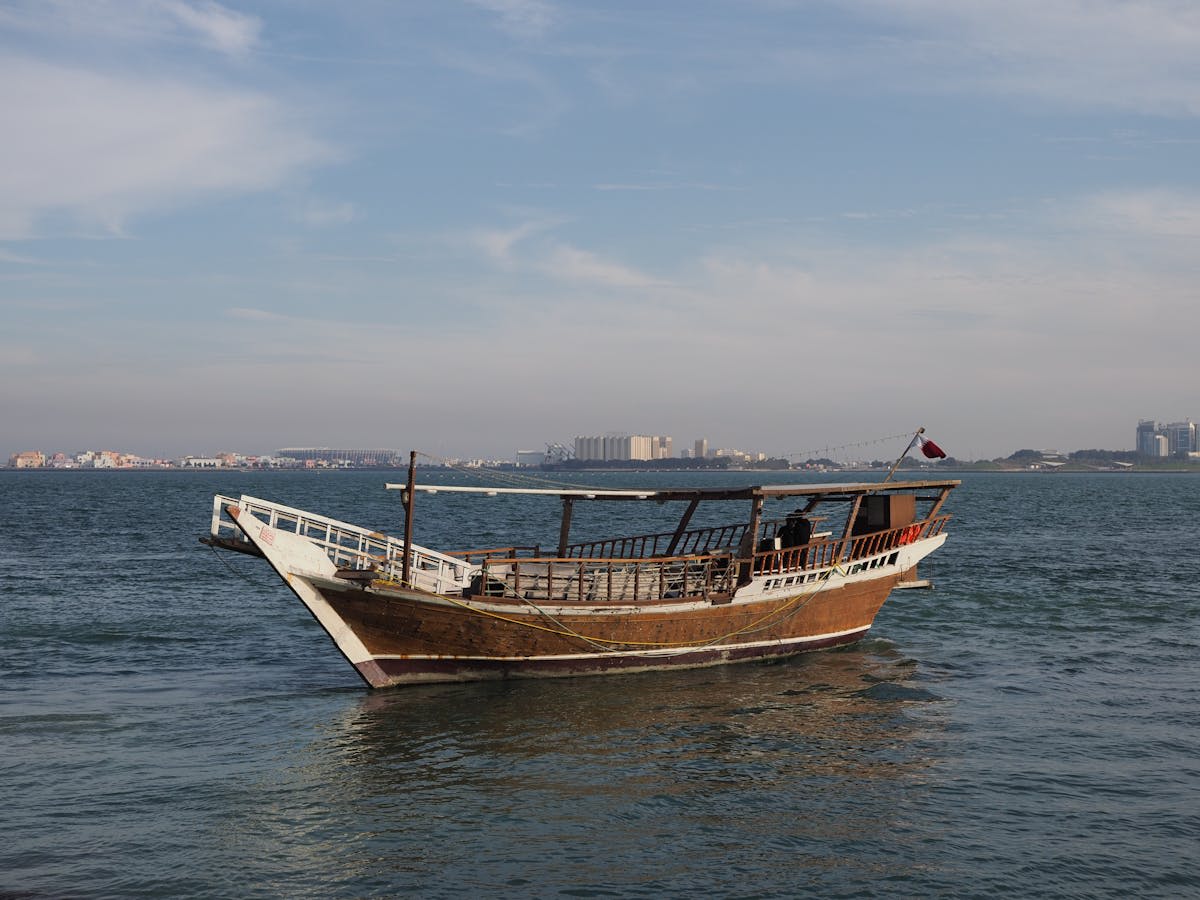
The dhow-building yards along the creek still construct traditional wooden boats using techniques unchanged for generations. I watched a team of carpenters — mostly from India and Pakistan, continuing a trade that has crossed borders for centuries — fitting planks to a hull without blueprints, working from memory and eye. The boats they build still fish these waters. There is something almost subversive about handcraft persisting this close to Dubai’s glass towers.
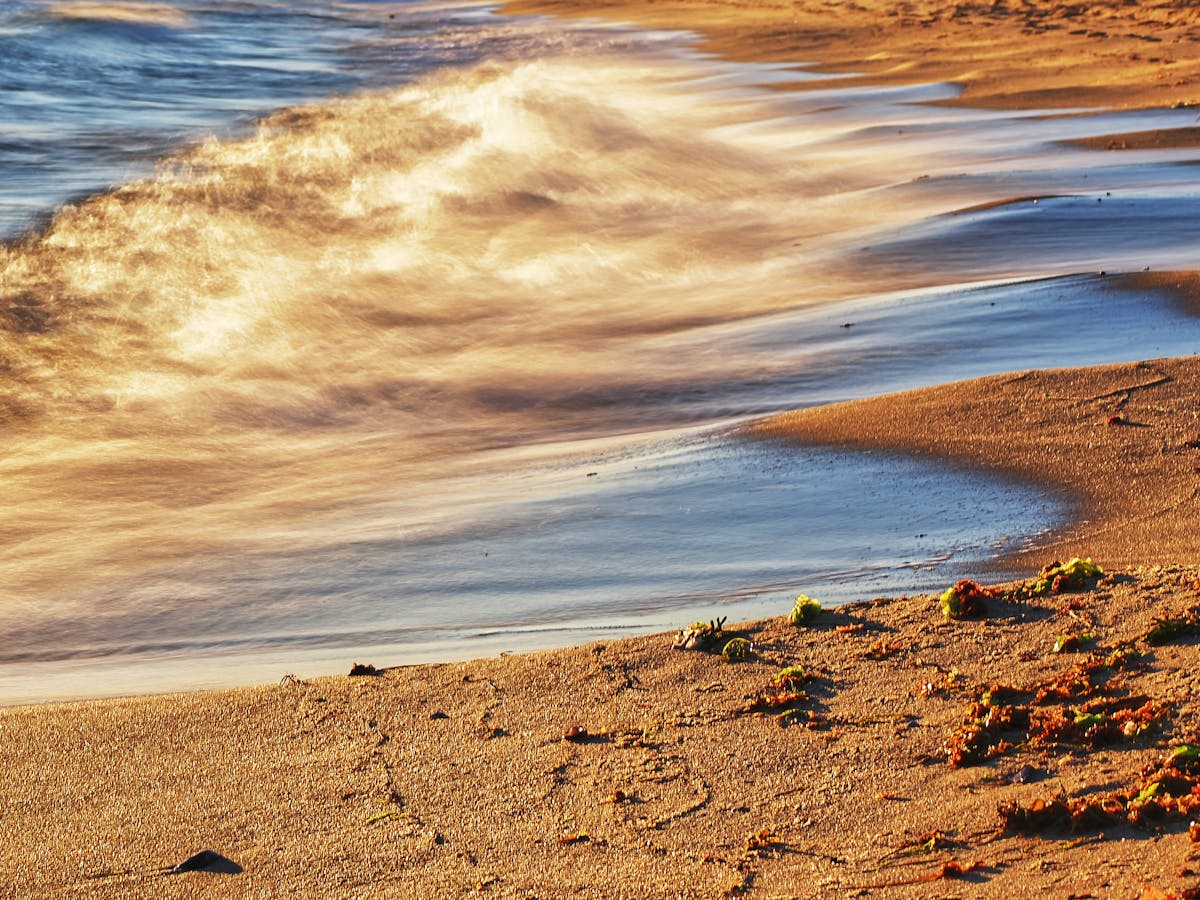
The Ajman Corniche stretches along a generous sweep of beach, uncrowded even on weekends, with the open waters of the Arabian Gulf rather than the enclosed creek that defines neighboring Sharjah. The fish market at the harbor is where Ajman feels most alive — the morning catch auctioned in rapid-fire Arabic while cafes along the waterfront serve fresh hammour and prawns grilled with lime and baharat spice. The chai here costs two dirhams and comes sweet enough to make your teeth ache, served in small glass cups by men who have been pouring since before sunrise.
For visitors, Ajman offers a half-day window into Gulf life that requires no admission fee and no reservation — just the willingness to slow down and pay attention to a place that is not trying to impress you.
When to go: November to March for pleasant beach weather. Friday mornings at the fish market are the most atmospheric time to visit. Avoid the brutal summer months unless you want the beaches entirely to yourself.