
Abu Dhabi is Dubai’s more composed sibling, and the distinction matters more than the travel magazines suggest. Where Dubai builds for spectacle, Abu Dhabi builds for permanence. The difference is visible in everything from the architecture to the pace of the sidewalks. People walk slower here. The restaurants are quieter. The ambition is identical in scale but entirely different in temperament.
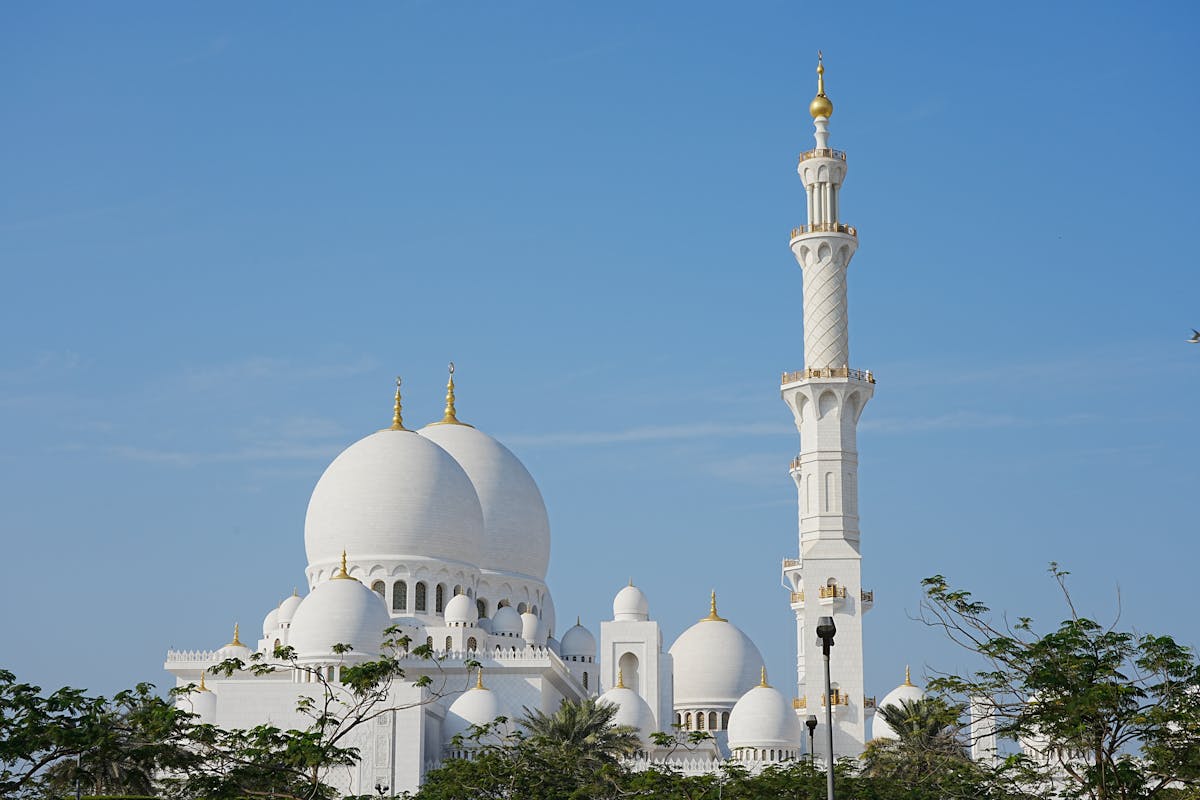
The Sheikh Zayed Grand Mosque is the city’s masterpiece, and it earned that word. Eighty-two white marble domes, over a thousand columns, the world’s largest hand-knotted carpet — a single piece, 5,627 square meters, made by 1,200 artisans in Iran over two years. The mosque is open to visitors of all faiths, and it is most extraordinary at sunset when the marble shifts from white to gold to violet and the reflecting pools turn the entire complex into a doubled vision of itself. I have seen a lot of religious architecture. Notre-Dame moved me. The Blue Mosque in Istanbul stopped me. This one silenced me.
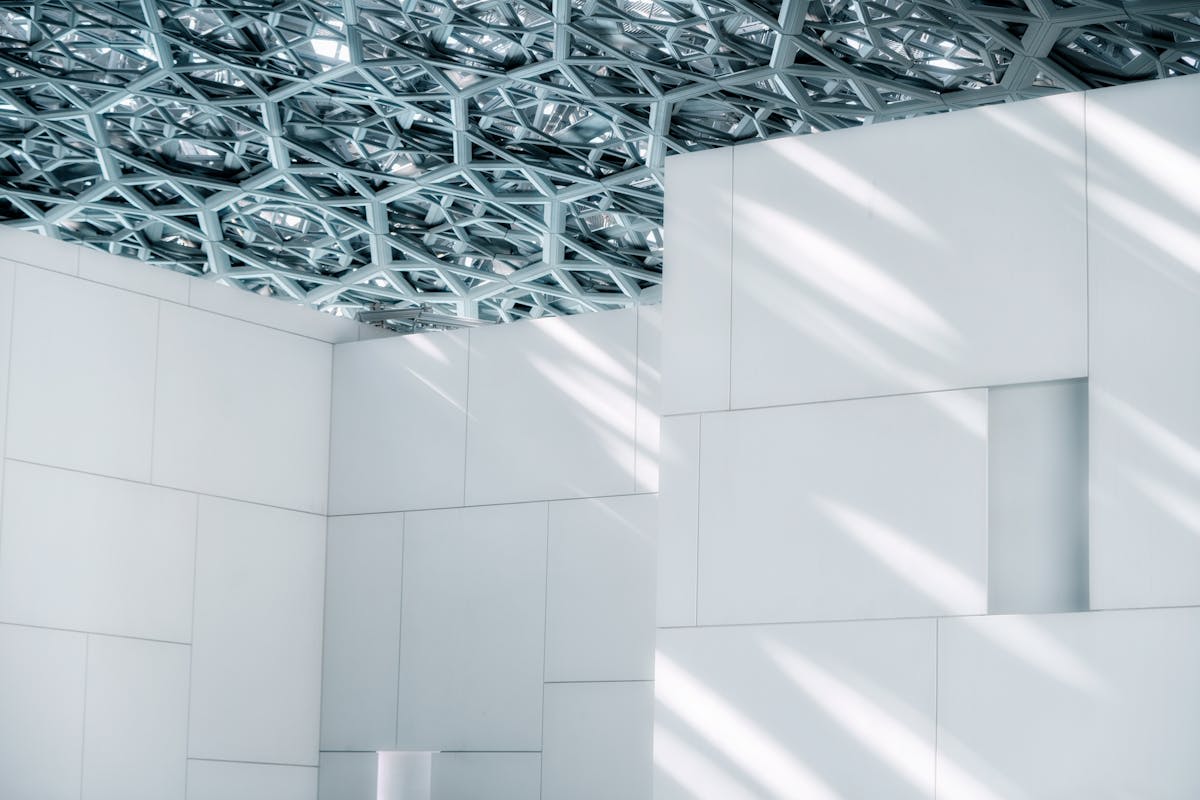
The Louvre Abu Dhabi, designed by Jean Nouvel beneath a floating dome of perforated metal, is the most ambitious museum project of this century. The dome — 180 meters across, composed of nearly 8,000 metal stars layered in a pattern that filters sunlight into what Nouvel calls a “rain of light” — is the building’s argument: that beauty can be engineered but must feel organic. The collection inside spans civilizations, hanging Egyptian artifacts beside Chinese bronzes beside Mondrian paintings, insisting that human creativity has always been a conversation rather than a competition. I spent four hours there and left feeling like I had been given new eyes.
Saadiyat Island is becoming a cultural district to rival any on earth, with the Zayed National Museum and a Guggenheim in development. But Abu Dhabi’s quieter charms are what I keep returning to in memory. The mangrove forests of Jubail, explored by kayak in the early morning when the water is glass and the herons stand motionless in the shallows. The Corniche beach stretching for eight kilometers of white sand, uncrowded on weekday mornings. The old Mina fish market, where the energy of a city that remembers what it was before oil still crackles at dawn.
The food here tends toward the Levantine and the subcontinental, with a growing Emirati fine-dining scene that takes traditional dishes — harees, machboos, luqaimat — and treats them with the seriousness they deserve. I ate machboos at a place in the old city where the lamb had been slow-cooked for six hours and the rice was stained with saffron and loomi, and I thought about how the best food anywhere is the food that carries a place’s memory in its flavors.
When to go: October to April for pleasant outdoor weather. December to February is peak season with the coolest temperatures and events like the Abu Dhabi Grand Prix. The empty months of summer mean lower hotel prices if you can tolerate the heat.