Sinop
"Diogenes told Alexander the Great to get out of his sunlight here, and honestly, the sunlight is worth defending."
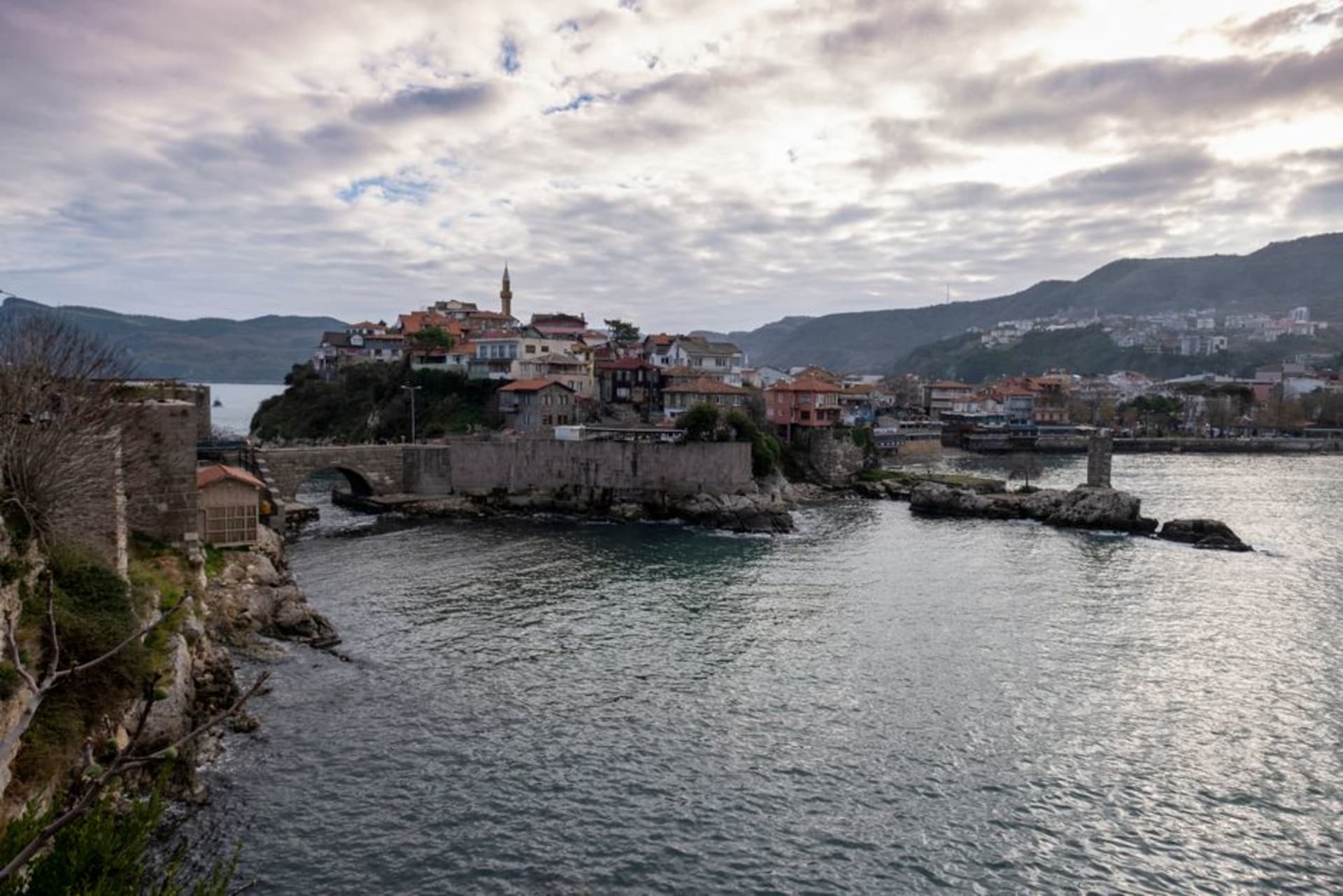
The northernmost tip of Anatolia, birthplace of Diogenes and home to a Byzantine prison-fortress, where the Black Sea feels genuinely like the edge of the world.
Sinop sits on a peninsula so far north it feels like Anatolia running out of ideas and just stopping, and there’s something quietly thrilling about standing at a place that is, technically, the northernmost point of the entire landmass. I took the long bus from Samsun along a coast road that kept disappearing into fog banks, and arrived to a town wrapped in that particular grey-green Black Sea light that makes everything look like it’s being remembered rather than seen. My first stop, almost by instinct, was the statue of Diogenes sitting cross-legged with his lamp near the harbor — the town claims him proudly as its most famous son, the philosopher who lived in a barrel and told Alexander the Great to step aside because he was blocking his sun.
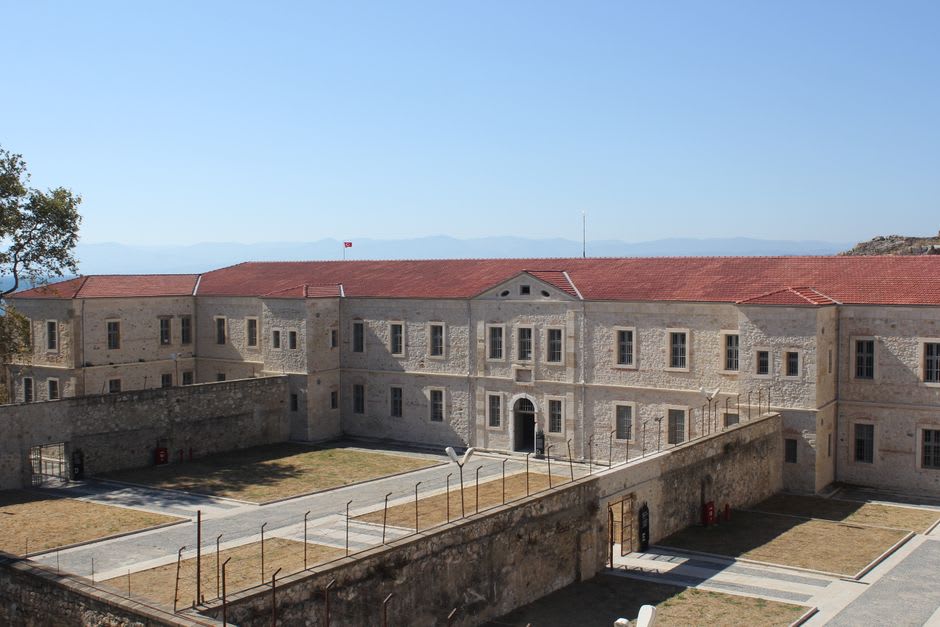
The old prison, Sinop Cezaevi, is the other reason people make the trip up here, and it’s a strange, heavy place to visit. Built inside the Byzantine and Seljuk fortress walls and used as an actual functioning prison until the 1990s, it held political prisoners for decades — poets, writers, dissidents — and walking through the cell blocks, reading the graffiti and the small carved messages left by men who spent years staring at the same stone walls, was more affecting than I expected from what I’d assumed would be a quick historical curiosity.
Life at the Edge of the Map
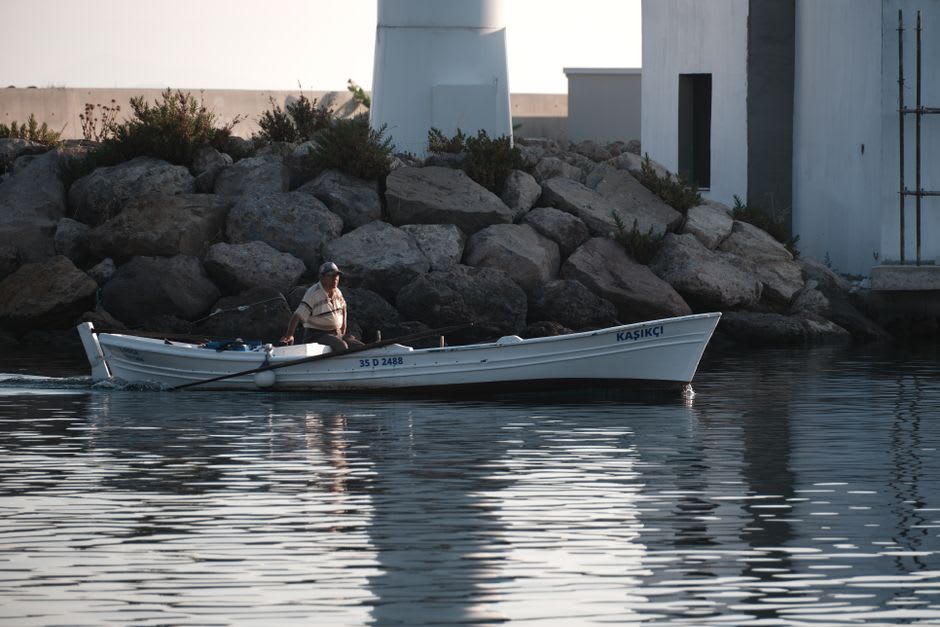
Outside the fortress, Sinop is an easy, unhurried seaside town. I spent an afternoon just walking the peninsula’s edge, past the lighthouse, watching fishermen cast lines into water that turns a deep, cold blue past the harbor mouth — nothing like the turquoise of the Aegean, but beautiful in a starker way. In the evening the waterfront fills with families eating grilled Black Sea fish and drinking tea from tulip glasses, and I fell into conversation with a retired sea captain who told me, with total seriousness, that Sinop’s sailors had been going out into that water since before anyone thought to write any of it down.
The town has a laid-back, slightly forgotten quality that I mean as a compliment. There are no beach clubs, no persistent touts, just a genuine northern Turkish seaside rhythm — tea houses full of old men playing okey, kids swimming off the rocks, and a sunset that, this far north and this late in the evening, seems to take its time in a way sunsets further south never do.
When to go: July and August for the warmest, most reliable weather and the town’s summer festival energy. Late spring is quieter and greener, though pack a layer — the Black Sea wind up here doesn’t fully quit even in June.