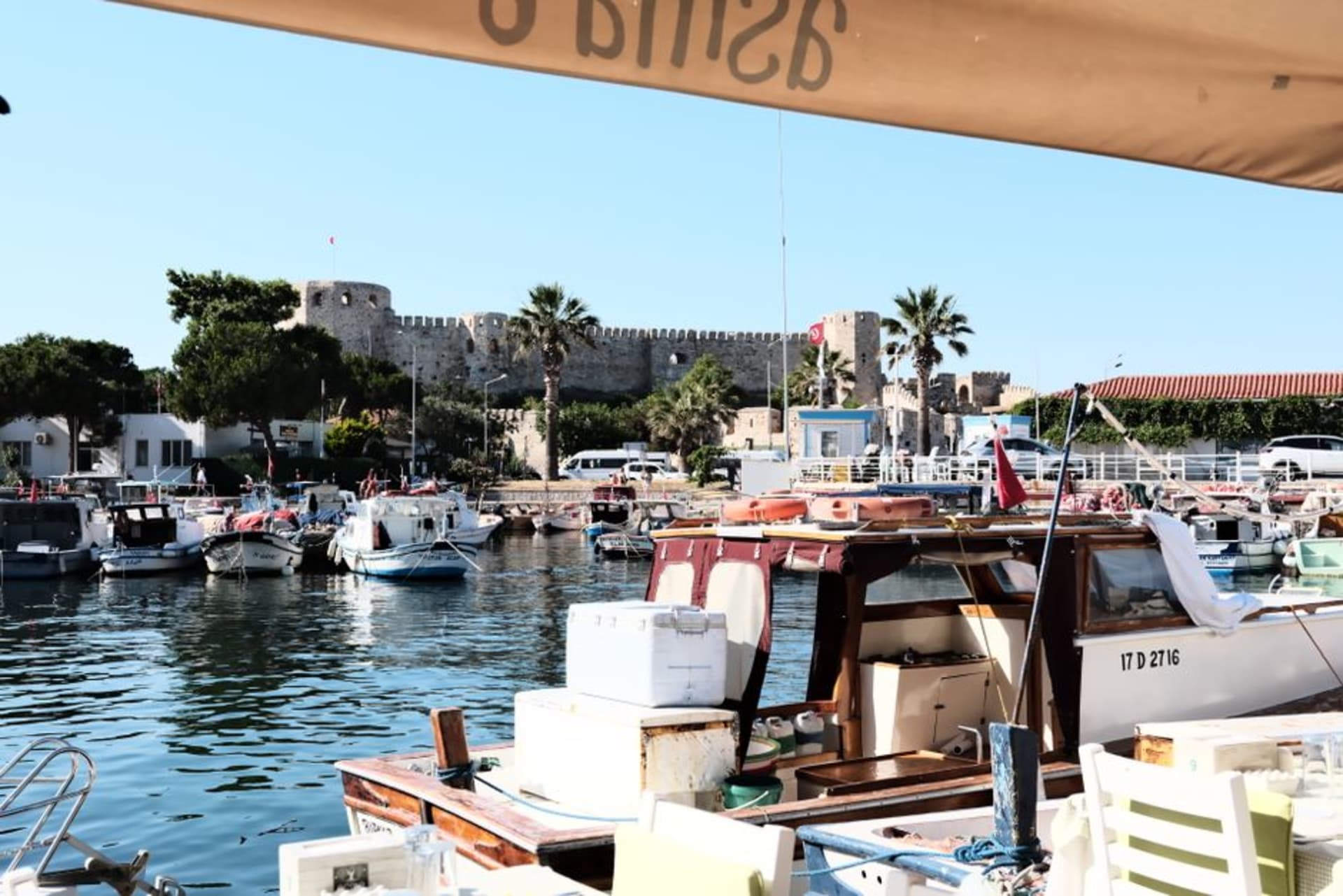
Çeşme
"Çeşme is where Istanbul's money goes to relax, and it turns out money relaxes very well by the sea."
An upscale Aegean resort town of windsurfing bays and thermal springs, a short ferry ride from Greek Chios and a summer refuge for wealthy Istanbulites.
Çeşme surprised me with how polished it felt compared to most of Turkey’s coast — not in a soulless way, but in the sense that everything, from the marina’s yachts to the ice cream shops lining the harbor promenade, seemed to have been recently and deliberately upgraded. The name means “fountain” in Turkish, after the old Ottoman fountains still dotted around town, and a squat Genoese castle guards the harbor, a reminder that this stretch of coast has been contested and traded between empires for a very long time. I arrived on the ferry from Chios, the Greek island visible from Çeşme’s waterfront on a clear day, and the twenty-minute crossing between two countries felt almost absurdly easy — a reminder of how narrow the Aegean actually is at its pinch points.
The town fills up in summer with well-heeled visitors from Istanbul who own or rent villas along the peninsula, and you can feel that money in the quality of the restaurants and the general tidiness of the place, though it never tipped into the kind of exclusivity that makes a town unwelcoming. I sat one evening at a harborside café with a glass of local Urla wine, watching a parade of boats motor in and out of the marina, and it felt less like a tourist scene and more like watching a wealthy country’s version of a normal Tuesday night out.
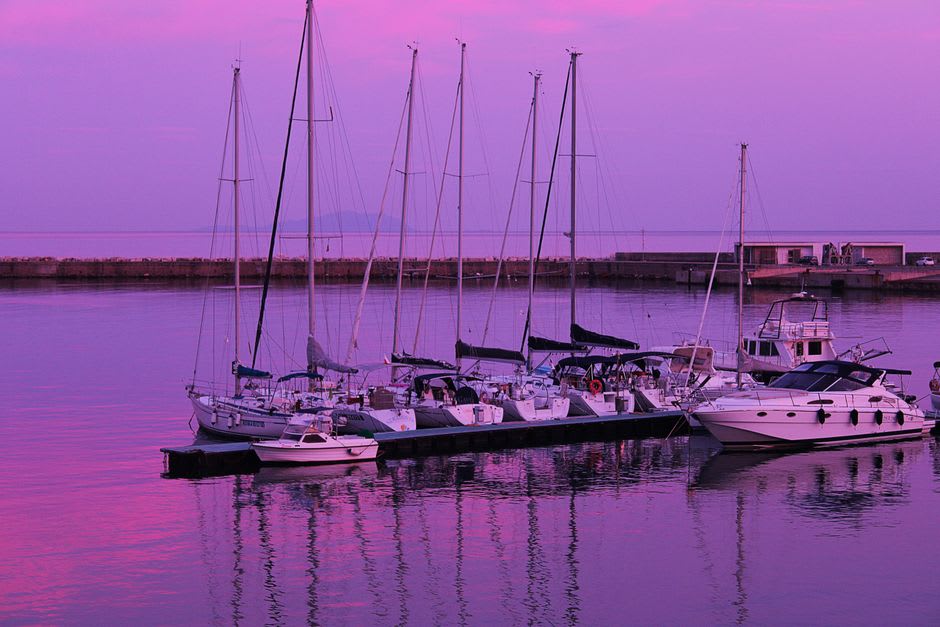
Thermal Water and Aegean Wind
Çeşme sits on a peninsula riddled with thermal springs, and I spent a genuinely restorative afternoon at one of the thermal hotels near Ilıca beach, soaking in mineral-rich warm water while looking out at the Aegean just a few hundred meters away — a strange but pleasant juxtaposition of hot spring and cool sea breeze. The peninsula’s beaches, particularly Ilıca and Altınkum, get busy in July and August, but the water is a clean, pale turquoise that justifies the crowds, and the windsurfing culture that made neighboring Alaçatı famous is very much present here too, with steady bay winds pulling in enthusiasts from across Europe.
I rented a scooter for a day and looped the peninsula, stopping at small coves that had no name I could find on a map, just a single beach bar and a handful of umbrellas. It’s the kind of place where you can have an upscale dinner one night and a completely unpretentious swim off a rocky ledge the next morning, and both feel like the same coherent version of Çeşme.
When to go: June and September for warm water and thinner crowds. July and August are peak season for Istanbul’s summer residents — beautiful but pricier and busier. The thermal springs are worth a visit in any season, even a cool spring evening.