Çanakkale
"Çanakkale is the kind of city you plan to pass through and end up wanting an extra night in."
A lively strait-side city on the Dardanelles where ferries shuttle between two continents and the roads lead straight to Troy and Gallipoli.
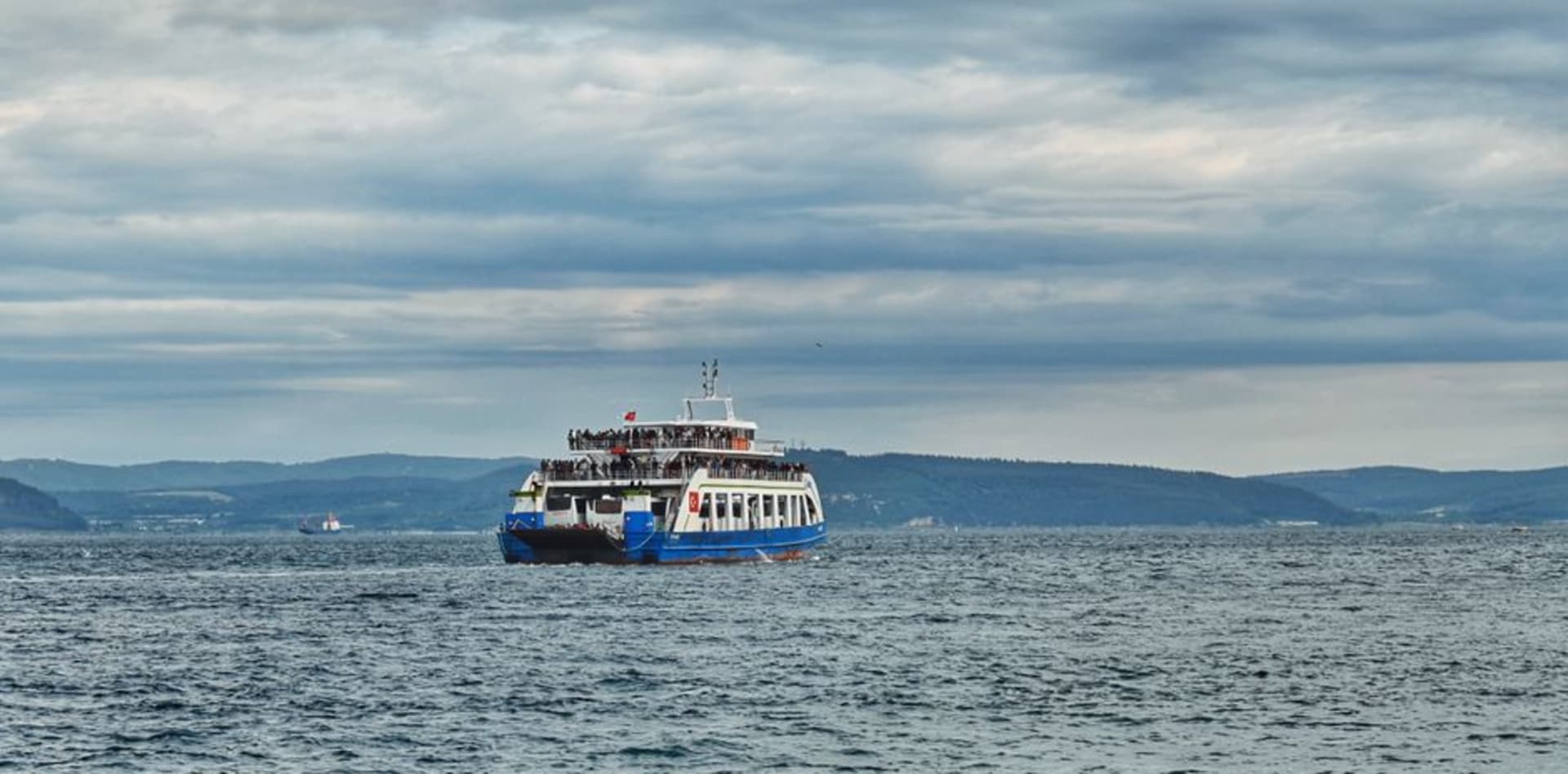
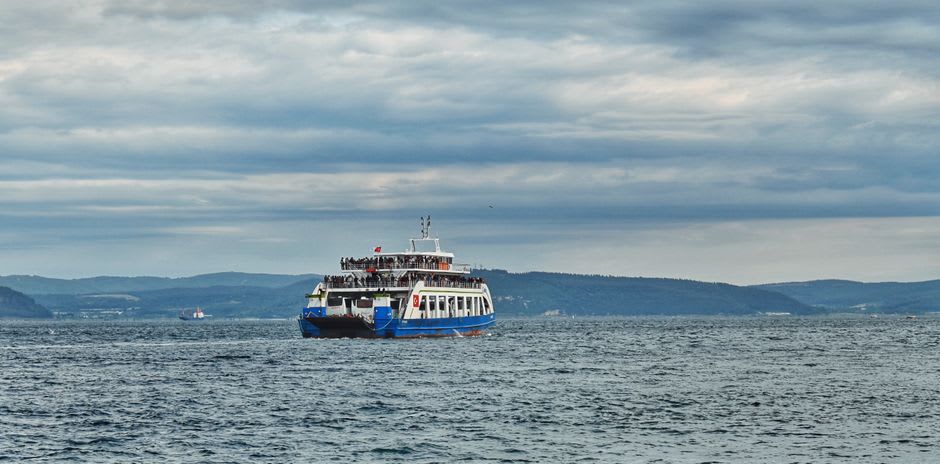
I only booked one night in Çanakkale, treating it purely as a logistics stop between Troy and Gallipoli, and I regretted the shortness of it almost immediately. The waterfront promenade along the Dardanelles is genuinely one of the best evening walks I found anywhere on this trip — wide, well-lit, lined with tea gardens and fish restaurants, packed with local families out for their evening stroll, university students from the local campus, old men playing backgammon at outdoor tables. I ordered a plate of grilled kalkan (turbot) at a place recommended by my guesthouse owner and watched, over the course of an hour, four different car ferries cross the strait in both directions, headlights trailing across the dark water between Europe and Asia.
That crossing is the whole reason Çanakkale exists in its current form and has mattered strategically for millennia. The Dardanelles here is only about a mile and a half wide at its narrowest, the ancient Hellespont that Xerxes bridged with boats to invade Greece, that Byron swam in imitation of the myth of Leander, and that ferries now cross constantly, carrying trucks, buses, and pedestrians between the continents in about twenty-five minutes. I took the ferry across just to say I’d done it — no particular reason, no destination on the far side, just the simple pleasure of standing on a boat deck watching Asia get smaller behind you and Europe get larger ahead.
A City Built Around Its Neighbors
Çanakkale doesn’t have a headline ancient site of its own, and that’s fine — its real function, and its real charm, is as the base camp for two of the most significant places in the region. Troy is forty minutes south. The Gallipoli peninsula and its WWI battlefields are a short ferry hop and drive across the strait to the northwest. The city itself has a modest but worthwhile naval museum near the harbor, home to a replica of the minelayer Nusret, whose mines sank Allied battleships during the 1915 Dardanelles campaign — a good primer if you’re heading to Gallipoli the next day and want context before you stand on the actual ground.
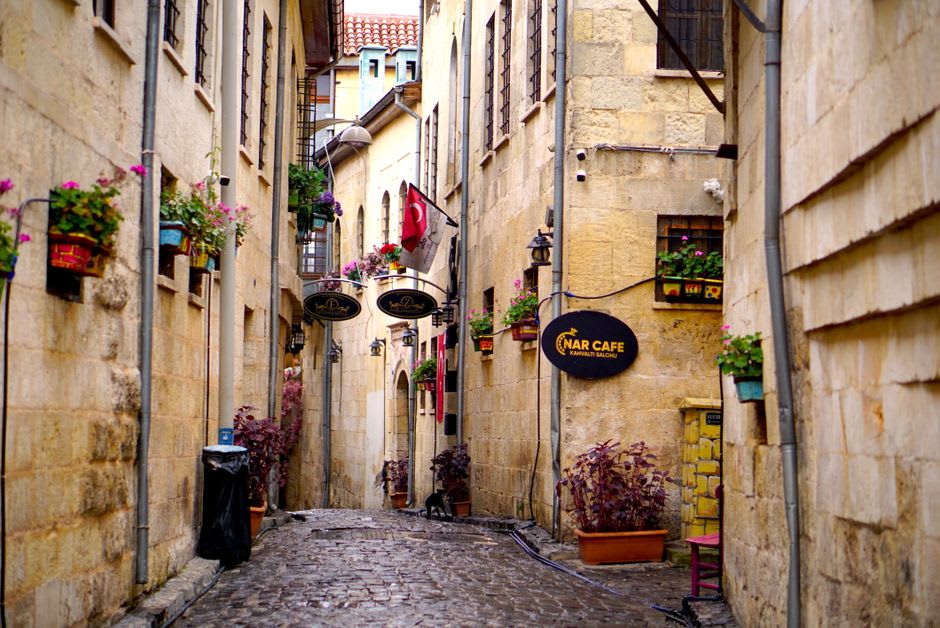
I ended up staying a second night, mostly because the ferry views at sunset were good enough that I wanted to see them twice, and because the city, unpretentiously, just felt good to be in — a working port town that happens to sit at one of the most historically loaded crossings on earth.
When to go: Spring or early autumn for pleasant evening walks along the strait. Use it as a two- or three-night base to cover Troy, Assos, and Gallipoli without needing to relocate.