Pacific
Tonga
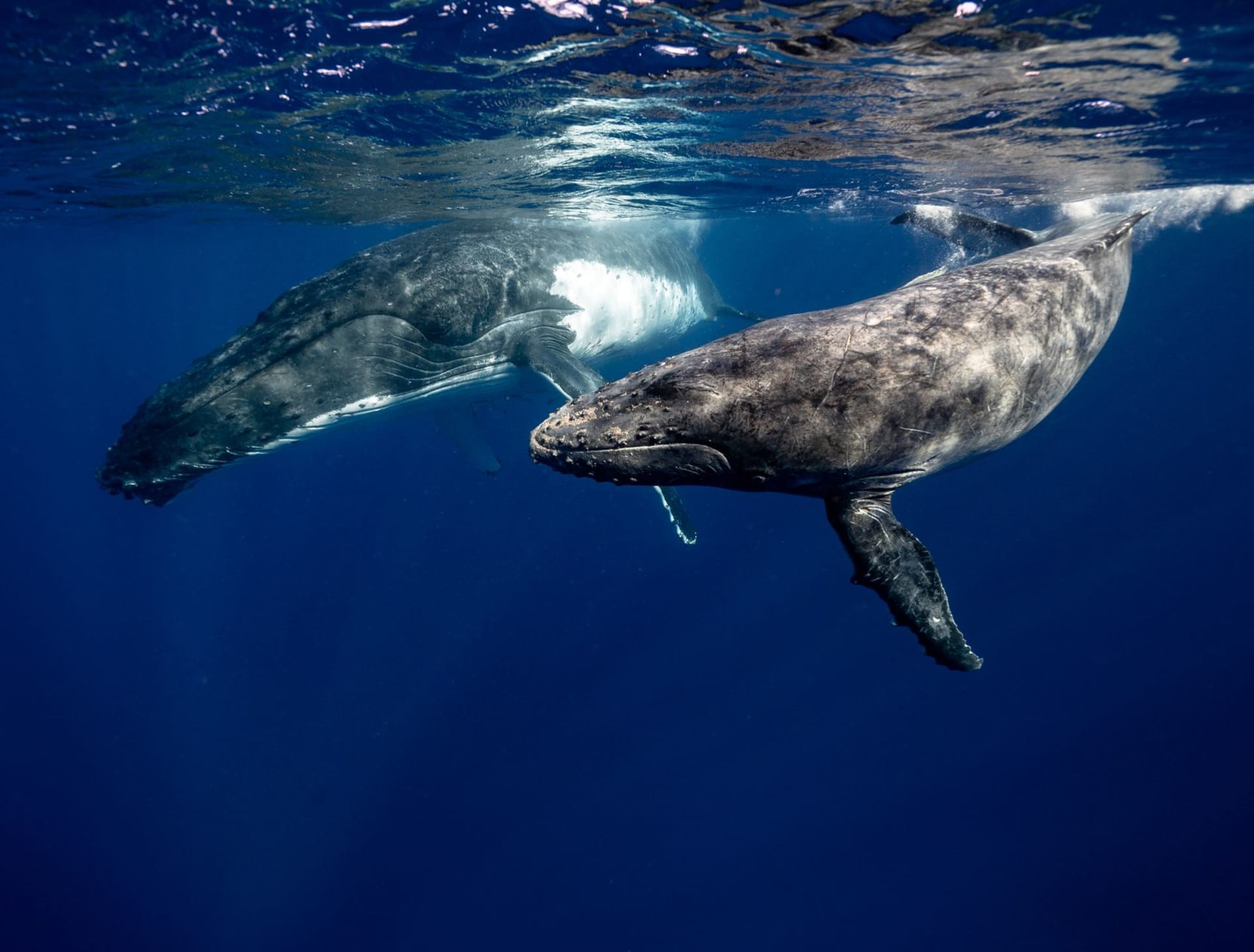
"I floated three metres from a humpback and forgot I was a person."
The only Pacific nation never colonized, where humpback whales give birth in warm shallows and time moves according to the tides, not the tourist schedule.

The boat engine cut and the guide said, quietly, get in the water. I rolled off the side with my mask and snorkel, and the whale was already there — not close, not far, just present, the way a building is present. A mother and calf, moving in slow corkscrews through water so clear I could see the barnacles on her fins from the surface. She was aware of me. She chose not to care. That indifference was the most extraordinary thing I had encountered in years of travel.
Tonga is the only Pacific country never colonized by a European power, and that fact has consequences you actually feel on the ground. There is no legacy tourism infrastructure built to manage your expectations, no choreographed “local experience” set-dressing for foreign consumption. The capital, Nuku’alofa, on the island of Tongatapu, is unglamorous in the best possible way — a dusty market, a royal palace visible from a chain-link fence, Chinese-run shops selling everything practical, a church on every block because Sunday here is still Sunday. Services last for hours. The whole country goes quiet. I arrived on a Sunday and could not buy water until the following morning. Nobody apologized for this.
The Ha’apai group, a scatter of low coral islands roughly in the middle of the archipelago, is where the whales come from July to October. Humpbacks winter in these warm shallows to give birth and nurse their calves before the long migration south to Antarctic feeding grounds. Swimming with them is not a metaphor. You are in the water with the largest mammals that have ever given birth on Earth, and the interaction is on their terms entirely. The guides here are careful — Tonga has strict regulations, no more than four swimmers per whale at a time, no chasing, no touching — and the whales, over years of respectful contact, have become curious rather than skittish. They come toward you. The calf especially. The mother watches.
When to go: July through October for humpback whale season in Ha’apai — this is the main event, and everything else is secondary. August and September are peak, when calves are young and pods are dense. Avoid the cyclone season from November through April. Tongatapu and Vava’u are accessible year-round, but the outer islands operate on minimal infrastructure and can be genuinely difficult outside dry season.
What most guides get wrong: They sell Tonga as a whale-watching destination, which undersells and misrepresents it. You are not watching whales. You are entering their environment as a temporary, tolerated guest. The distinction is enormous and changes how you prepare mentally for the experience. Also: the food is not interesting, and you should accept this early. Tonga runs on root vegetables, tinned corned beef, and whatever was caught that morning. The fish is exceptional. Everything else is fuel. Come for the water, not the plate.
Explore
Places in Tonga
 tonga
tonga 'Anahulu Cave
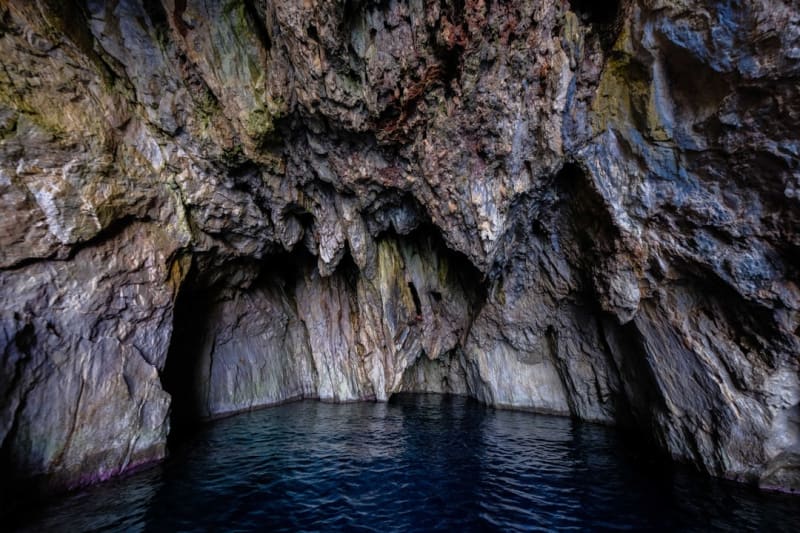
Tonga's only freshwater cave, where a spring-fed pool glows under limestone stalactites 25 minutes from Nuku'alofa.
Explore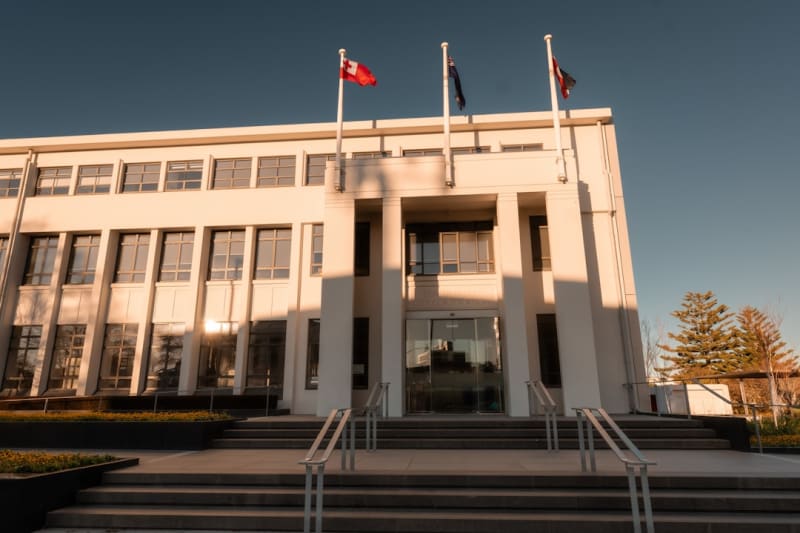 tonga
tonga 'Eua Island
Tonga's wild, forested outlier: a raised coral island with actual hills, ancient rainforest, endemic birds, and cliff views over the Pacific that feel like they belong in a different country entirely.
Explore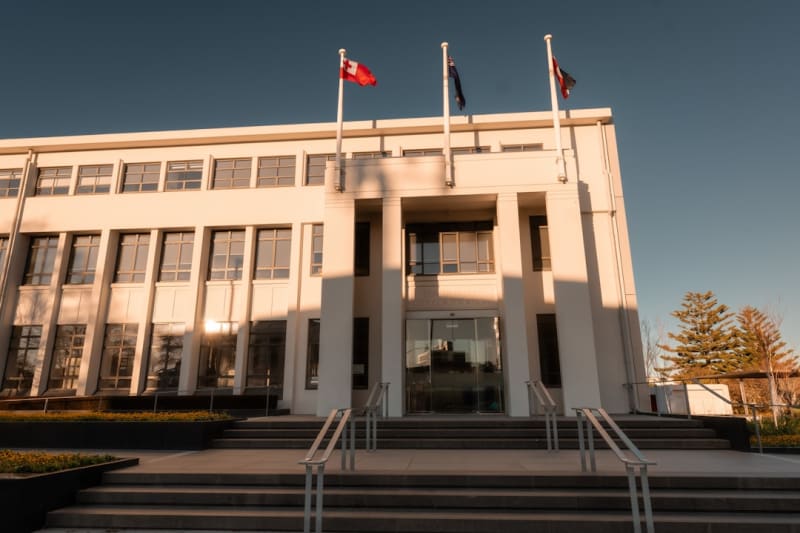 tonga
tonga Fafa Island
A small coral island twenty minutes by boat from Nuku'alofa where the only structures are a handful of beach fales, the reef drops away just offshore, and the capital's noise might as well be on another planet.
Explore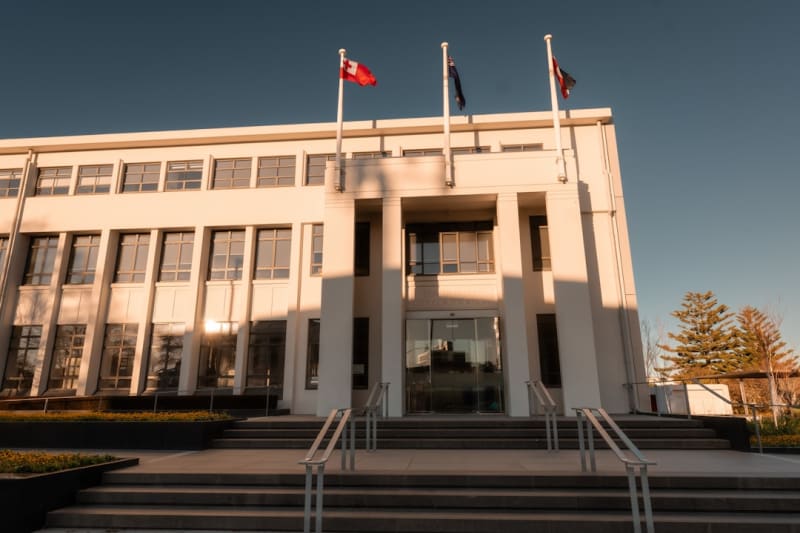 tonga
tonga Ha'apai
A low-slung archipelago of flat coral islands and impossibly white beaches where the resorts are sparse, the snorkeling is extraordinary, and you may genuinely go an entire day without seeing another tourist.
Explore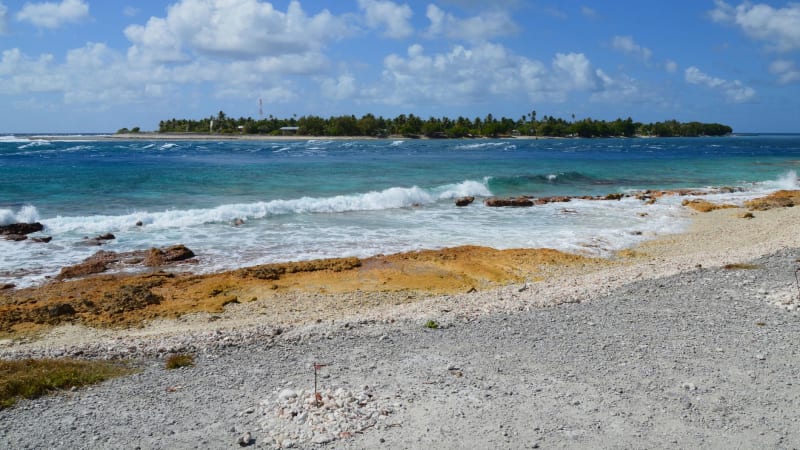 tonga
tonga Lifuka
Ha'apai's modest hub island where Captain Cook once anchored and where the pace of life is calibrated somewhere between slow and geological.
Explore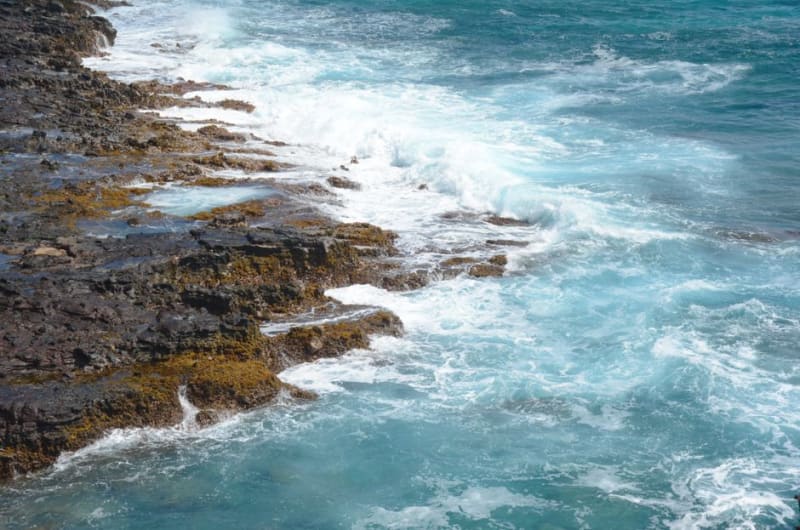 tonga
tonga Mapu'a 'a Vaea Blowholes
A five-kilometer volcanic shelf near Houma where the ocean punches through stone in nearly a hundred whistling, roaring spouts of spray.
Explore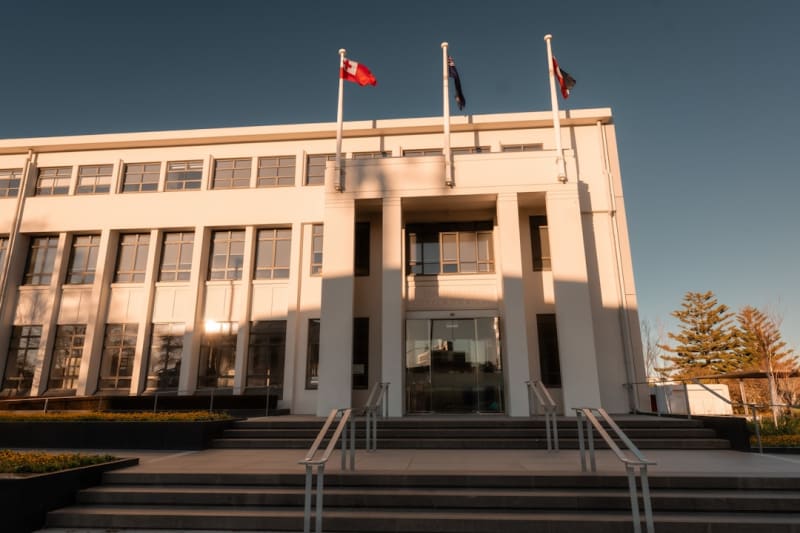 tonga
tonga Neiafu
Vava'u's compact harbour town where cruising yachts crowd the anchorage, the bakery sells vanilla cake by the slice, and everyone seems to know everyone else's boat name.
Explore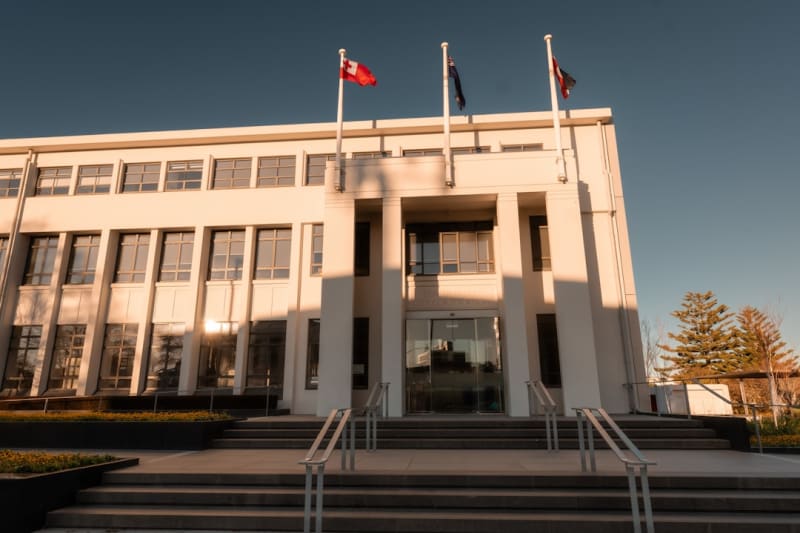 tonga
tonga Niuafo'ou
Tonga's most remote island: a near-circular volcanic crater in the far north with a lake inside its caldera, famous for the megapode bird that incubates its eggs in volcanic sand, and for decades of delivering mail by tin can.
Explore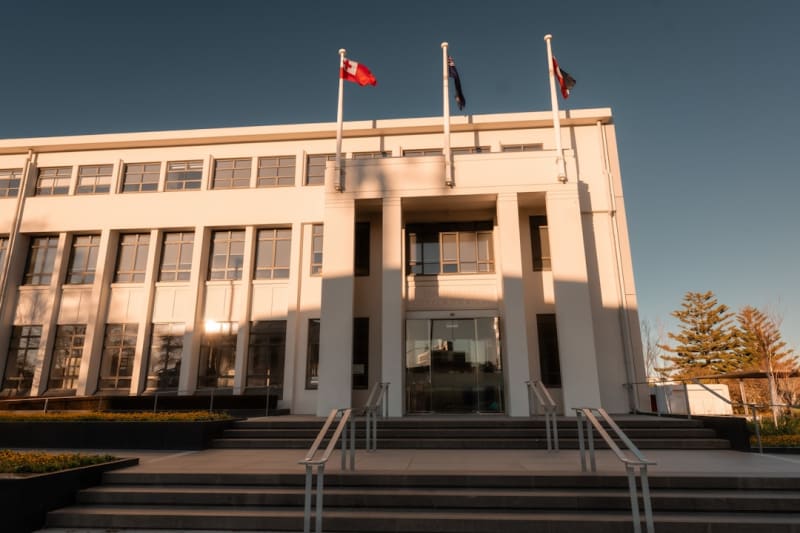 tonga
tonga Niuatoputapu
Tonga's northern extremity: a tiny isolated island closer to Samoa than to Nuku'alofa, where the weekly plane is the main event and the lagoon is the kind of shallow blue that exists mainly in theory.
Explore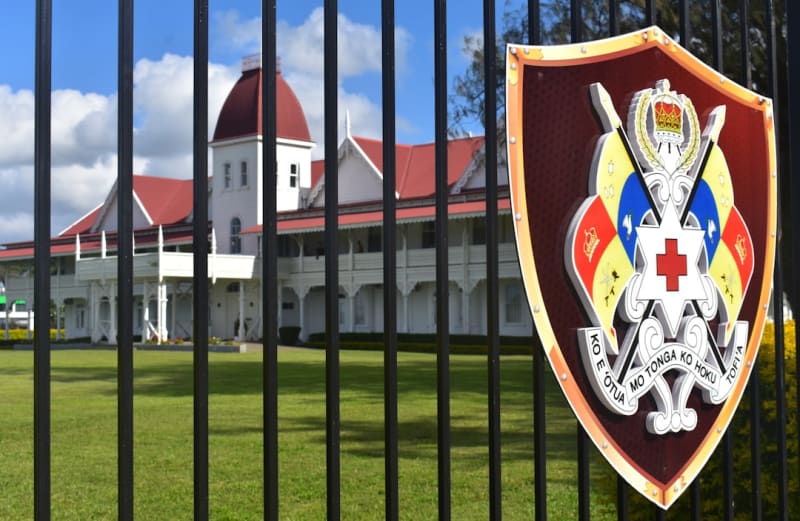 tonga
tonga Nuku'alofa
Tonga's unhurried capital where the royal palace sits behind a white fence on the waterfront and the produce market smells of vanilla and cut papaya before the heat sets in.
Explore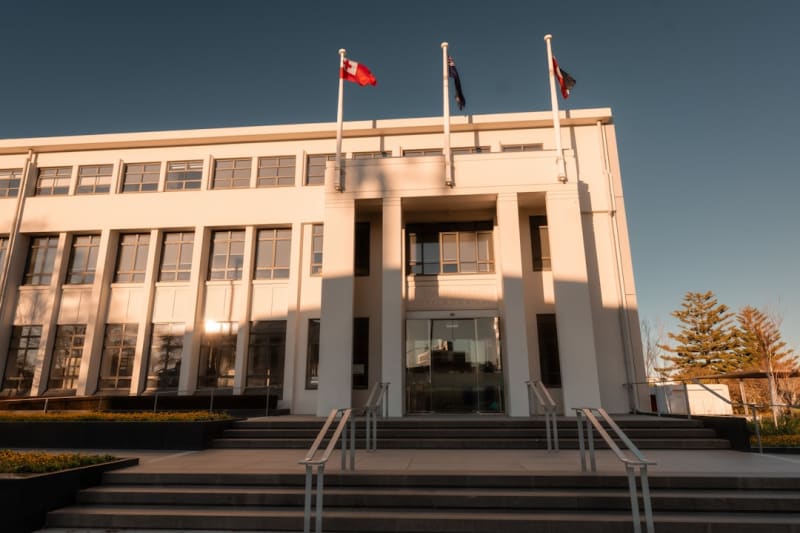 tonga
tonga Tofua
A remote volcanic island in Ha'apai's western arc with an active lava lake hidden inside its caldera — the same place where Fletcher Christian set Captain Bligh adrift after the Bounty mutiny in 1789.
Explore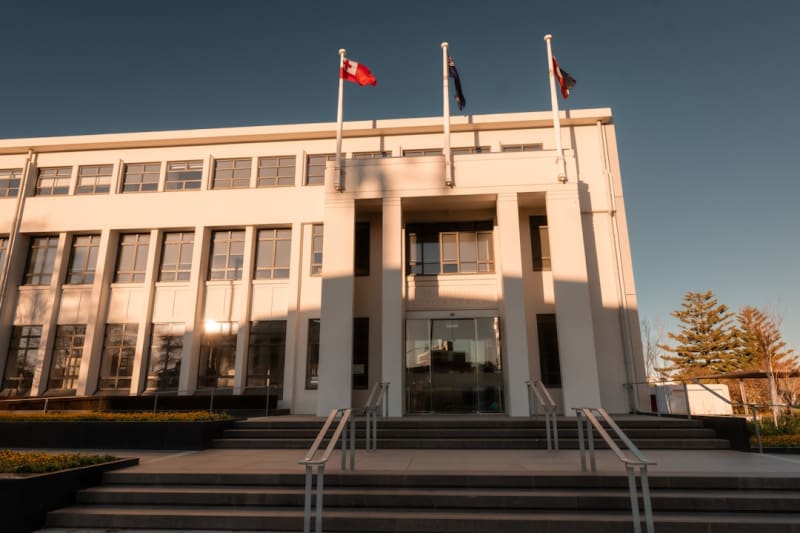 tonga
tonga Tongatapu
Tonga's flat, reef-ringed main island where ancient royal tombs sit in overgrown fields and the smell of roasting pig drifts out of Sunday church gatherings you were never quite invited to.
Explore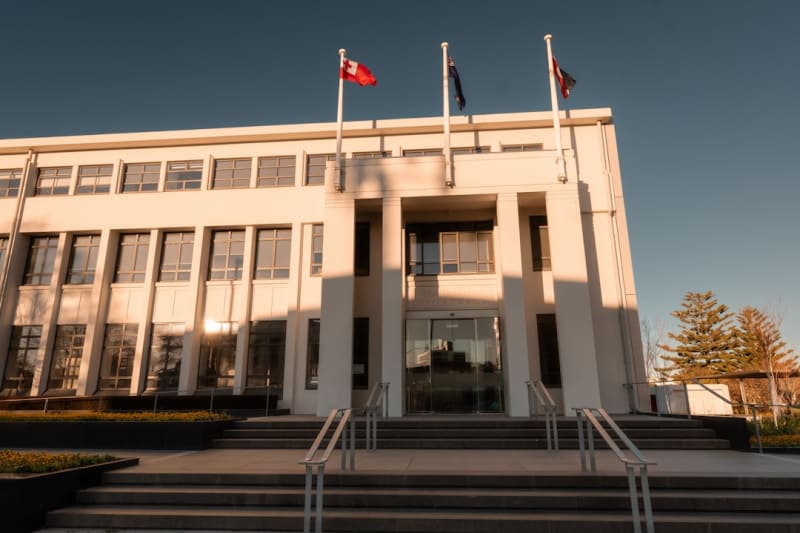 tonga
tonga Vava'u
A drowned archipelago of limestone islands rising sheer from impossible blue water, where humpback whales breach within swimming distance and sailors never seem to leave.
Explore