Americas
Tierra del Fuego
"I stood at the end of the world and it looked back."
The continent doesn't taper off quietly here — it fractures into channels, glaciers, and wind-scoured mountains before surrendering to the sea.

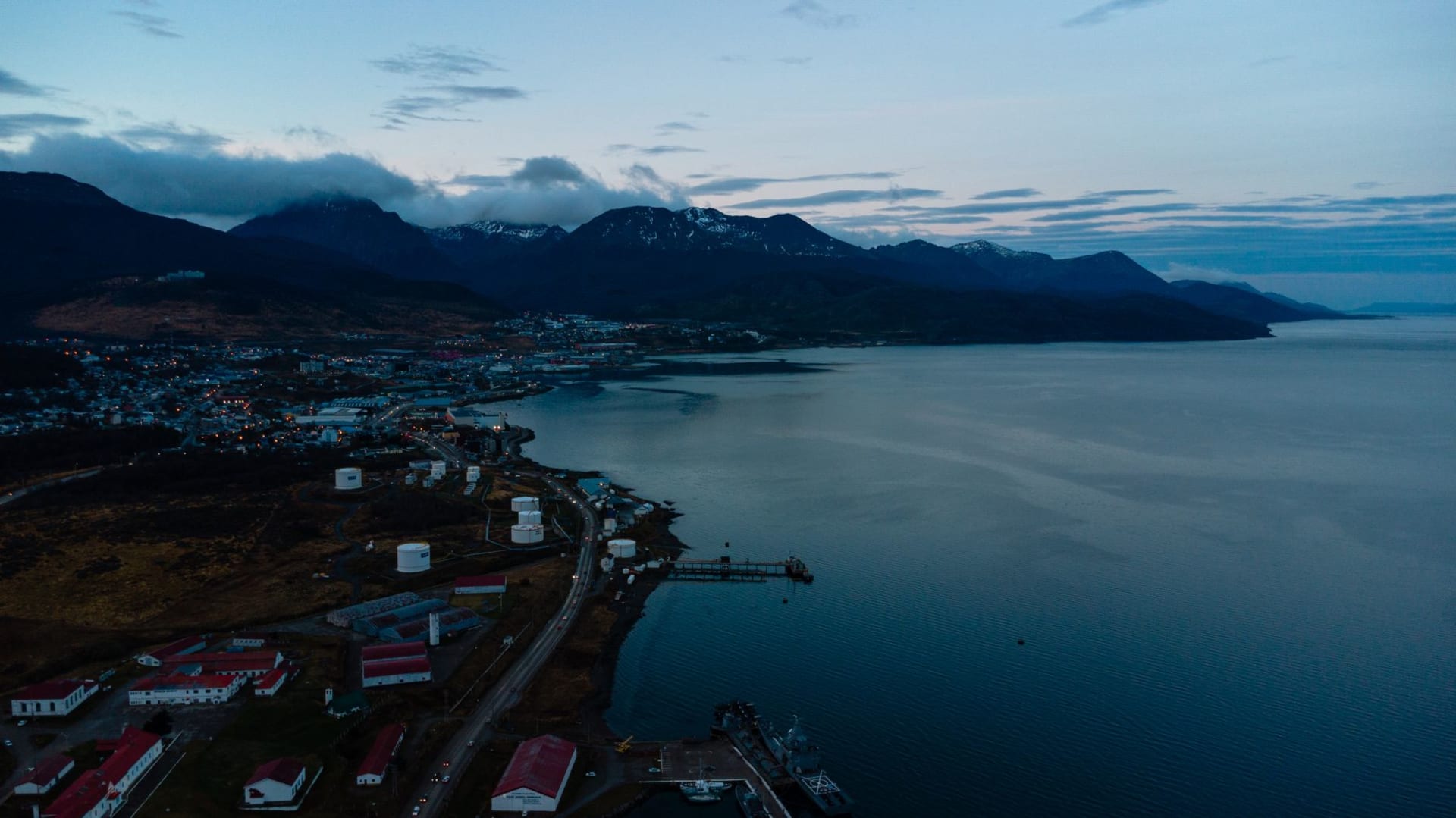
I arrived in Ushuaia on a Tuesday in November when the light was doing something I’d never seen before — a low, lateral gold that seemed to come from the side of the earth rather than above it. The Beagle Channel was the color of pewter. A cruise ship was anchored offshore, white and absurdly large against the mountains, and I remember thinking that everyone on that ship was about to miss the actual point of being here. You don’t come to Tierra del Fuego to be comfortable. You come because the world still has places that resist being made comfortable.
The town of Ushuaia itself is scrappier than the Instagram version suggests. The main drag sells chocolate and duty-free electronics and penguin stuffed animals, and yes, it feels like a tourist town — because it is one. But walk ten minutes in any direction and the urban fabric dissolves into something else entirely. The Martial range presses down from the north. The channel opens to the south. In the Parque Nacional Tierra del Fuego, the trails through lenga beech forest are genuinely quiet, and the color of those trees in autumn — deep copper and burgundy against grey sky — is the kind of thing that makes you stop and say nothing for a while. The café de olla I had at a small refugio near Lago Roca, thick and sweet and served in a tin cup, was perfect in context the way food only gets when you’ve earned it with cold air and wet boots.
On the Chilean side, the experience shifts entirely. Puerto Williams, across the channel and technically the southernmost town on the planet, has a different personality — slower, more military, less concerned with selling you anything. From there, access to Cabo de Hornos is possible by boat, a crossing through the Drake Passage that the weather gods may or may not permit. I got lucky. The cape itself is a rock rising from nothing, battered by the confluence of two oceans, and the small chapel maintained by the Chilean navy at its base is the loneliest and most affecting church I have ever been in.
When to go: November through March is the austral summer and the only reasonable window — days are long (eighteen hours of light in December), trails are passable, and the Beagle Channel is navigable. October and April can work but expect significant weather variation. Winter is genuinely brutal and most services close.
What most guides get wrong: They treat Tierra del Fuego as a destination for bragging rights — the bottom of the world, the end of the Panamericana, the last stamp in the passport. That framing makes it feel like an achievement to be ticked off. It isn’t. It’s a landscape that demands slowness, bad weather, and a willingness to sit with discomfort. The travelers who leave disappointed are almost always the ones who didn’t build in enough time to wait for the weather to do something extraordinary.
Explore
Places in Tierra del Fuego
 tierra-del-fuego
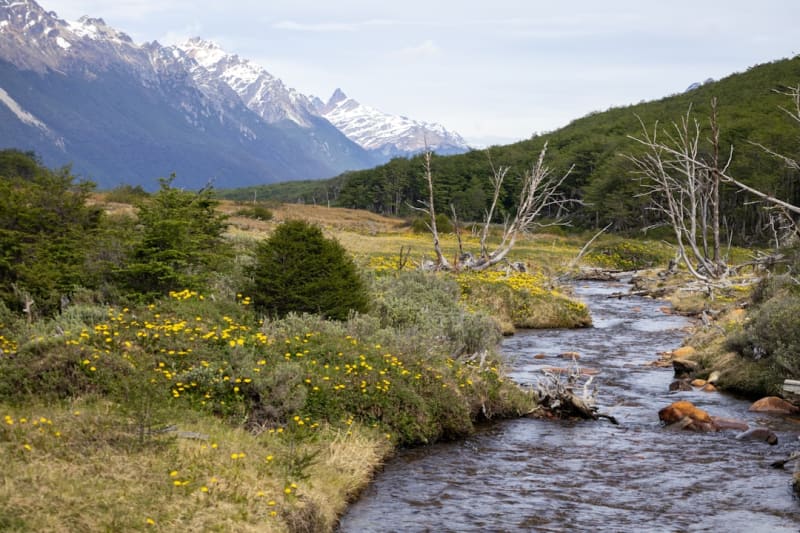
 Beagle Channel
The narrow strait where Charles Darwin took notes and Magellanic penguins still commute between islands with complete disregard for borders.
Explore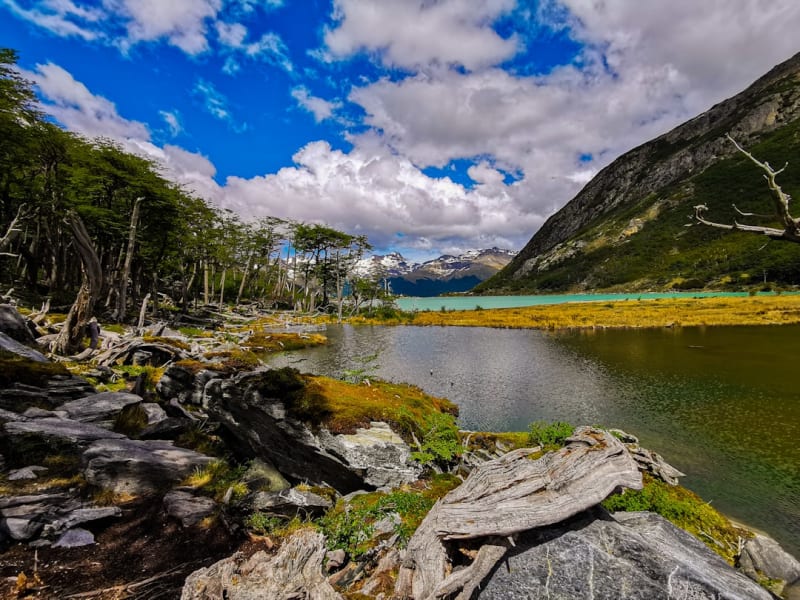 tierra-del-fuego
 Cape Horn
The mythic southern headland where the Atlantic and Pacific collide over a submerged rock shelf, and where a bronze albatross memorial looks out over sea that has swallowed more ships than anyone has counted.
Explore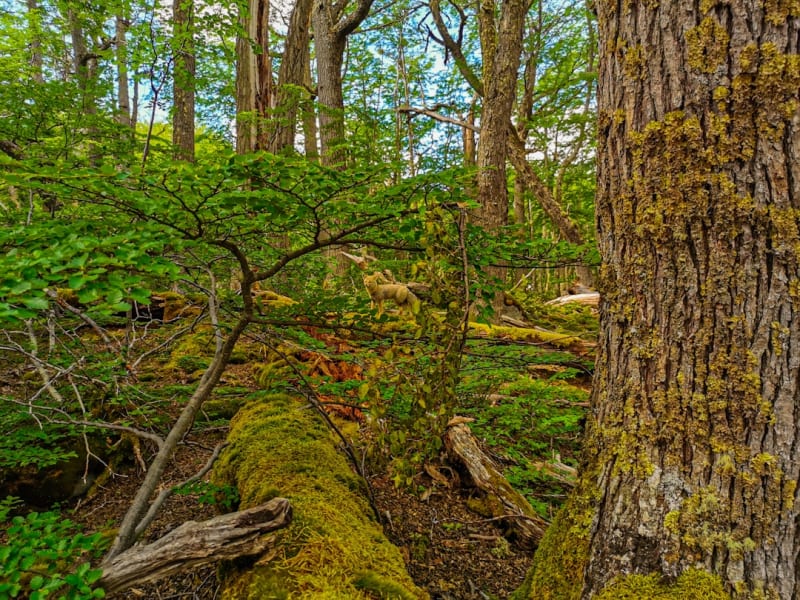 tierra-del-fuego
 Cerro Castor
The southernmost ski resort on earth sits seventeen kilometers from Ushuaia and offers the disorienting pleasure of carving turns on Andean slopes with the Beagle Channel visible below your skis.
Explore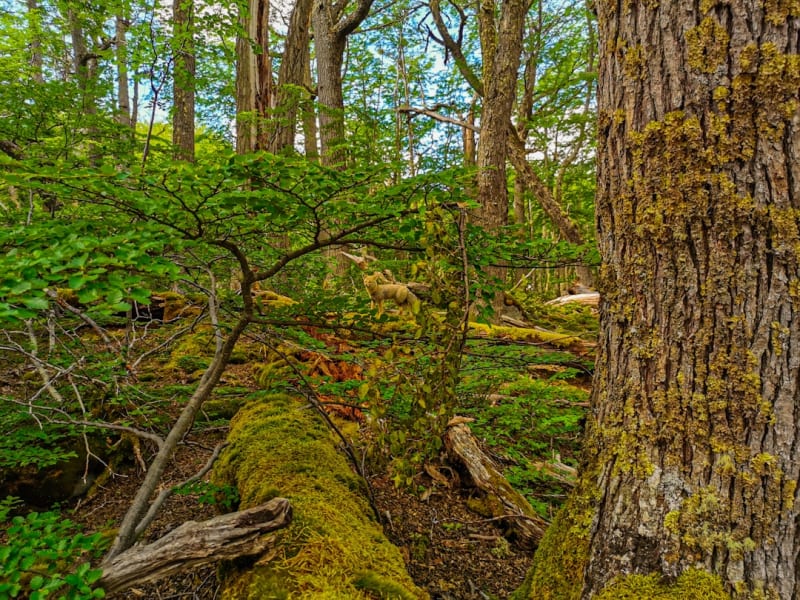 tierra-del-fuego
 Estancia Harberton
The oldest ranch in Argentine Tierra del Fuego, founded by an English missionary in 1886, still run by his descendants on a peninsula where time moves differently than anywhere else in the south.
Explore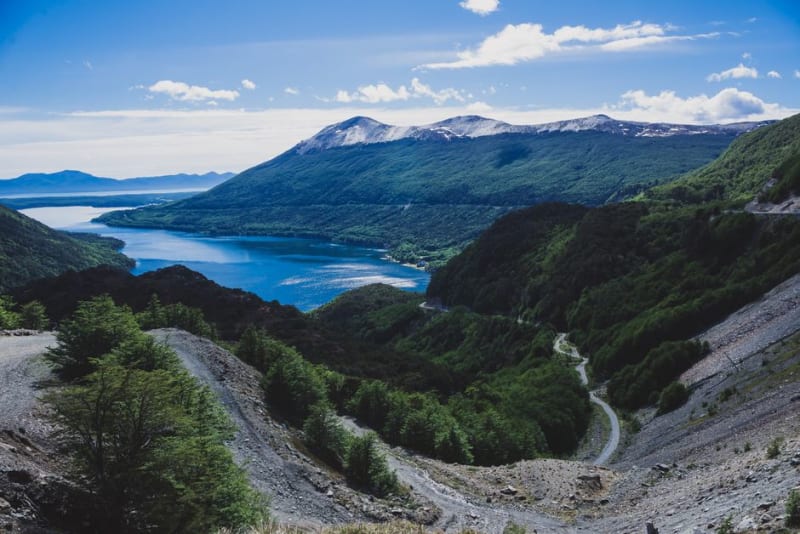 tierra-del-fuego
 Garibaldi Pass
A high mountain pass on the road from Ushuaia toward Lago Escondido, where a single overlook drops the whole Escondido and Fagnano valley into view.
Explore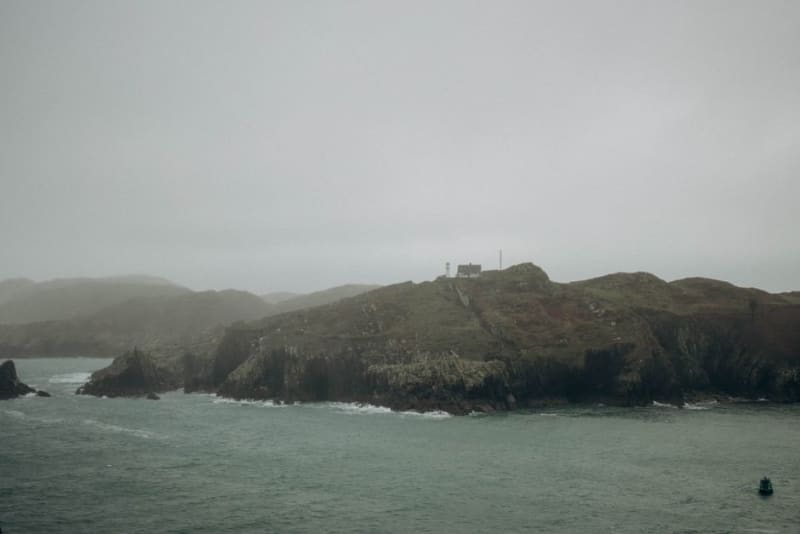 tierra-del-fuego
 Isla de los Estados
A remote, storm-battered island east of Tierra del Fuego where 19th-century lighthouses still stand watch over some of the world's roughest waters.
Explore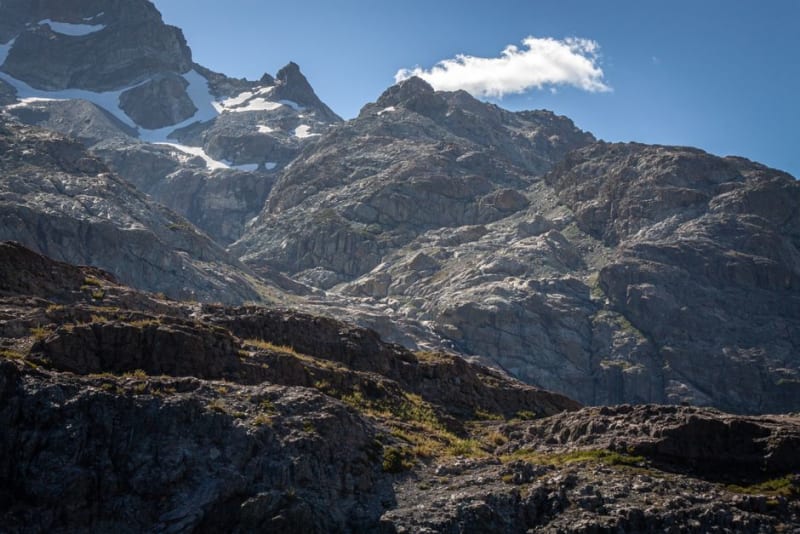 tierra-del-fuego
 Isla Navarino
A wind-scoured sub-Antarctic island south of the Beagle Channel where the Dientes de Navarino trek climbs into the world's southernmost mountains.
Explore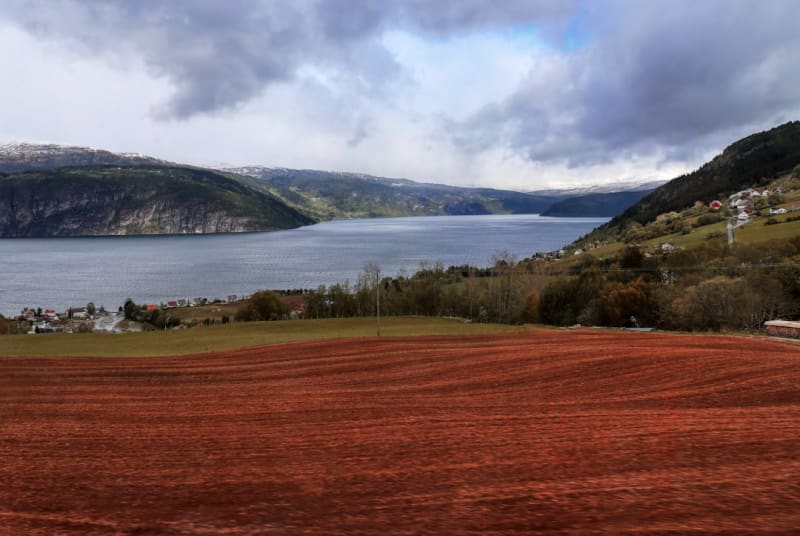 tierra-del-fuego
 Lago Fagnano
The enormous lake that runs straight through the heart of Tierra del Fuego along a tectonic fault, crossing the Argentina-Chile border with the indifference of geology toward human arrangements.
Explore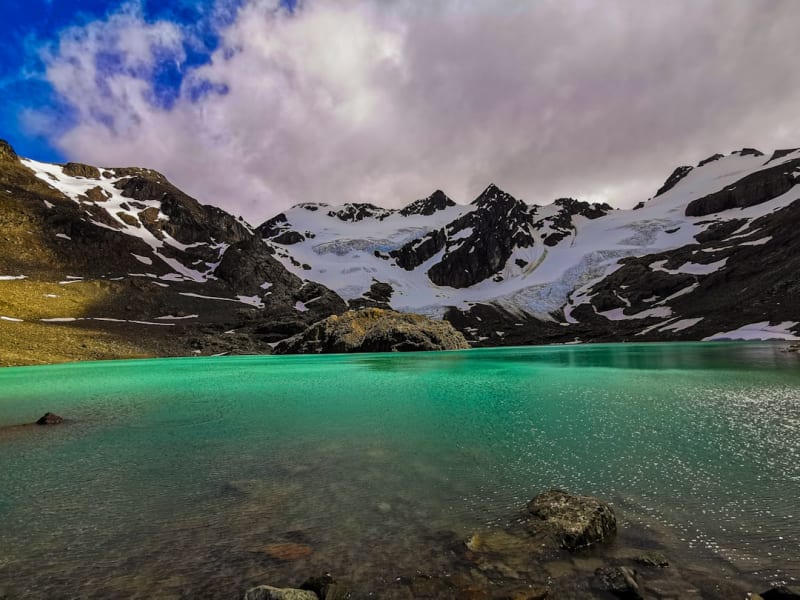 tierra-del-fuego
 Lapataia Bay
A shallow, kelp-choked bay at the western edge of Tierra del Fuego National Park where the Pan-American Highway concludes and the Beagle Channel begins its last widening toward the Drake Passage.
Explore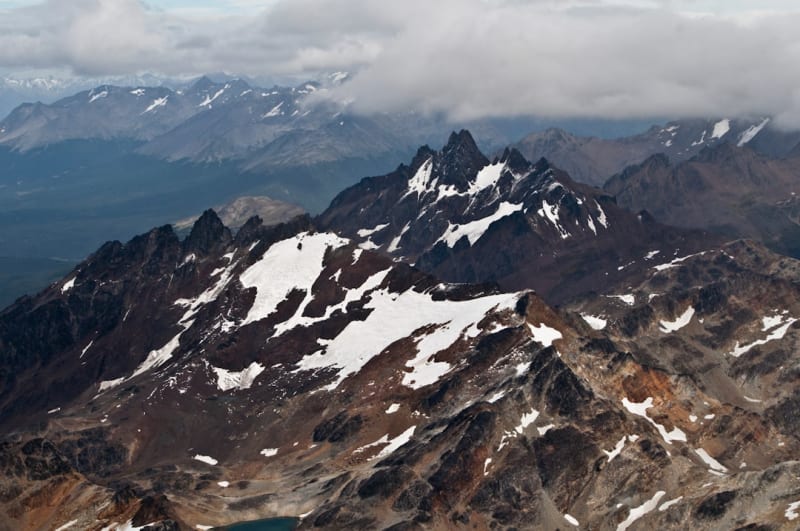 tierra-del-fuego
 Martial Glacier
The small glacier above Ushuaia that has spent the past century retreating up the mountain face while the city below it expands, a slow drama of altitude and consequence.
Explore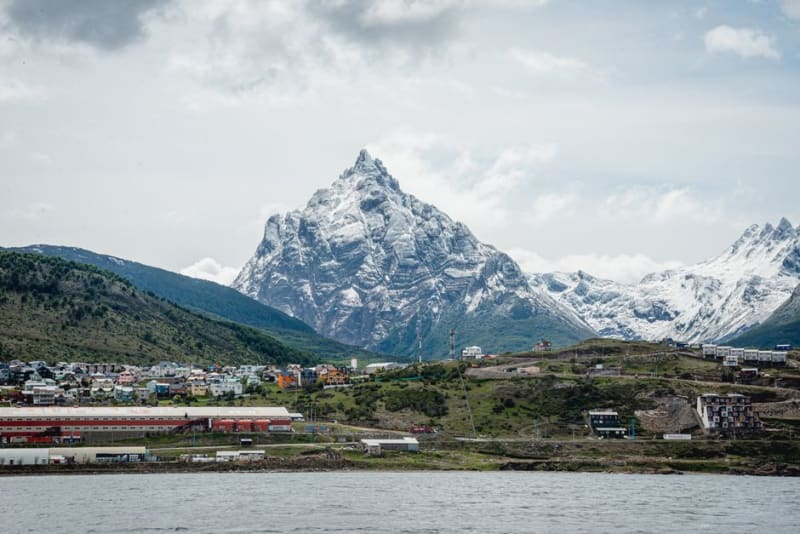 tierra-del-fuego
 Monte Olivia
The jagged peak that towers directly above Ushuaia's waterfront, a constant grey-and-white backdrop to every street in town.
Explore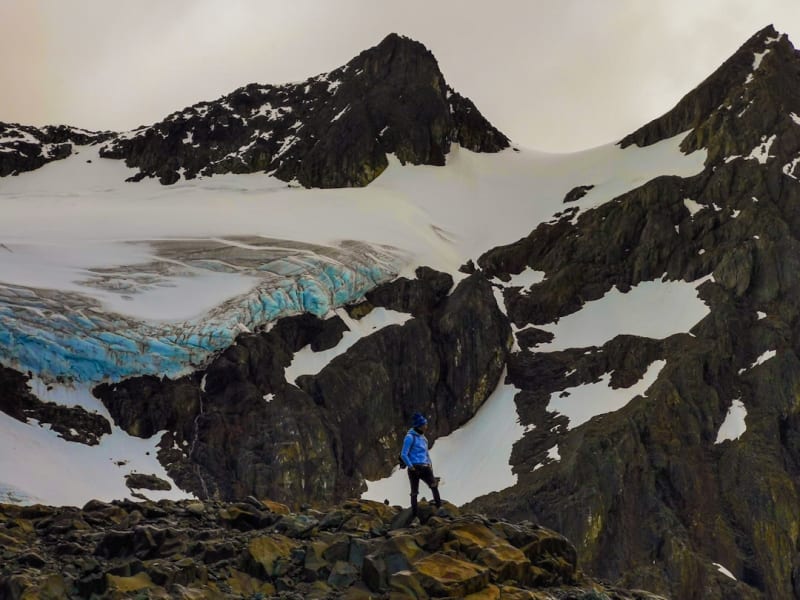 tierra-del-fuego
 Tierra del Fuego National Park
The only Argentine national park reachable by road from the mainland's southern tip, where lenga beech forests end at the channel's edge and a red mailbox marks the finish line of the American highway system.
Explore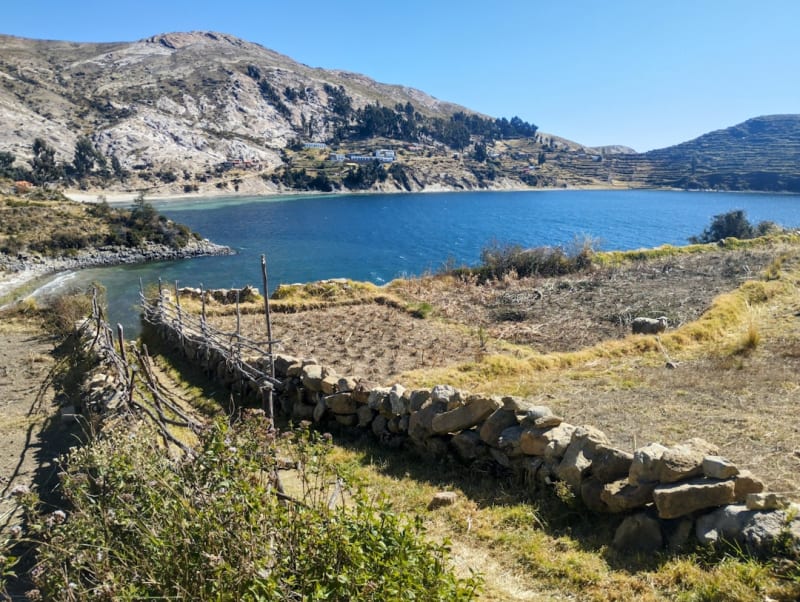 tierra-del-fuego
 Puerto Williams
The Chilean town on Navarino Island that argues quietly with Ushuaia about which one is truly southernmost, and wins the argument by being too remote to argue loudly.
Explore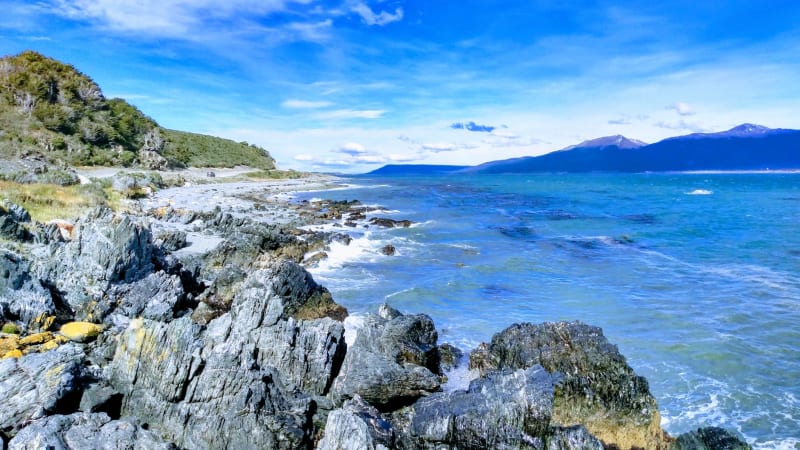 tierra-del-fuego
 Río Grande
The windswept industrial city on the Atlantic coast of Tierra del Fuego that most travelers skip entirely, and where the sea trout fishing is among the most serious on earth.
Explore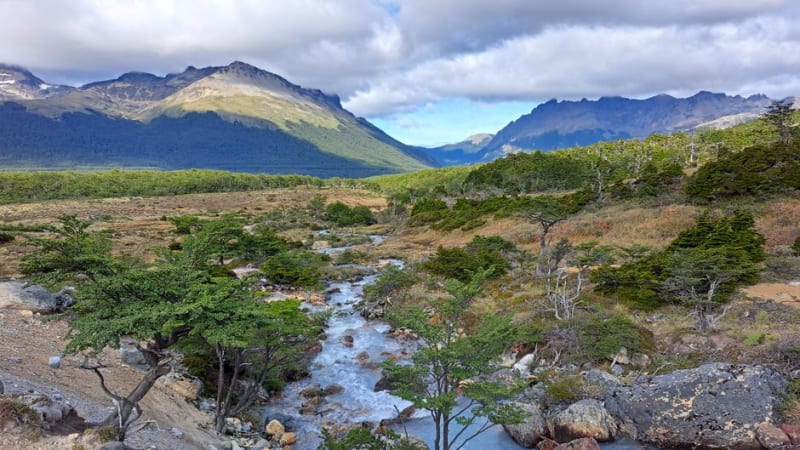 tierra-del-fuego
 Rio Pipo
A quiet valley trail inside Tierra del Fuego National Park that follows a trout-filled river through lenga forest and old beaver meadows.
Explore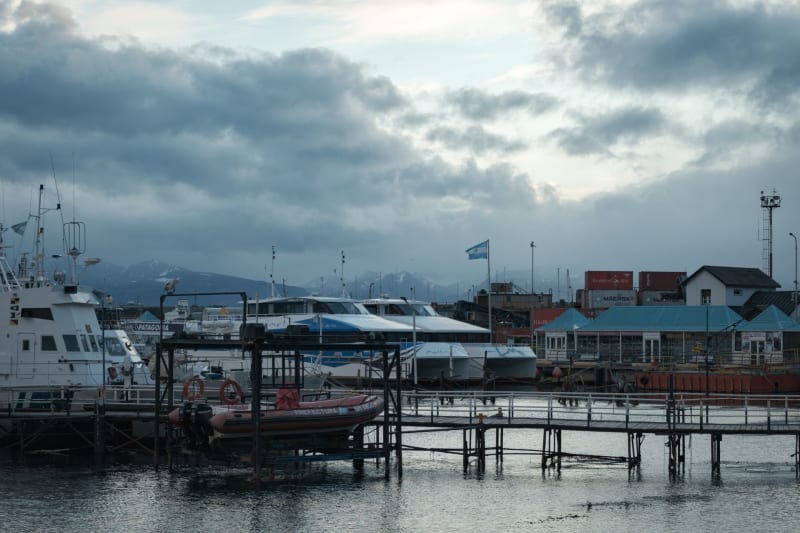 tierra-del-fuego
 Tolhuin
A small frontier town at the head of Lago Fagnano, halfway between Ushuaia and Río Grande, famous across all of Patagonia for a single bakery.
Explore