Yehliu
"Nature does not usually have a sense of humor about its own shapes. Yehliu is the exception."
A wind-and-wave-carved rock formation on the north coast, where a geological process spanning millennia produced a landscape that looks unmistakably like a sculptor's joke.
We came to Yehliu directly from Keelung, a short bus ride along the coast, mostly on the recommendation of a hostel owner who described it in terms so specific — “rocks that look like mushrooms, and one that looks like the Queen of England” — that Lia refused to let the day pass without seeing it for ourselves.
A Coastline of Mushrooms and Candles
Yehliu Geopark occupies a narrow cape of sandstone that has been eroding unevenly for millions of years, wind and wave working faster on the softer rock beneath than on the harder cap above, and the result is a landscape of “mushroom rocks” — wide caps balanced on thin, weathered stalks — alongside “candle rocks,” “ginger rocks,” and formations that genuinely do resemble honeycomb when you look closely at their surface texture. It sounds like a description that oversells itself. It does not.
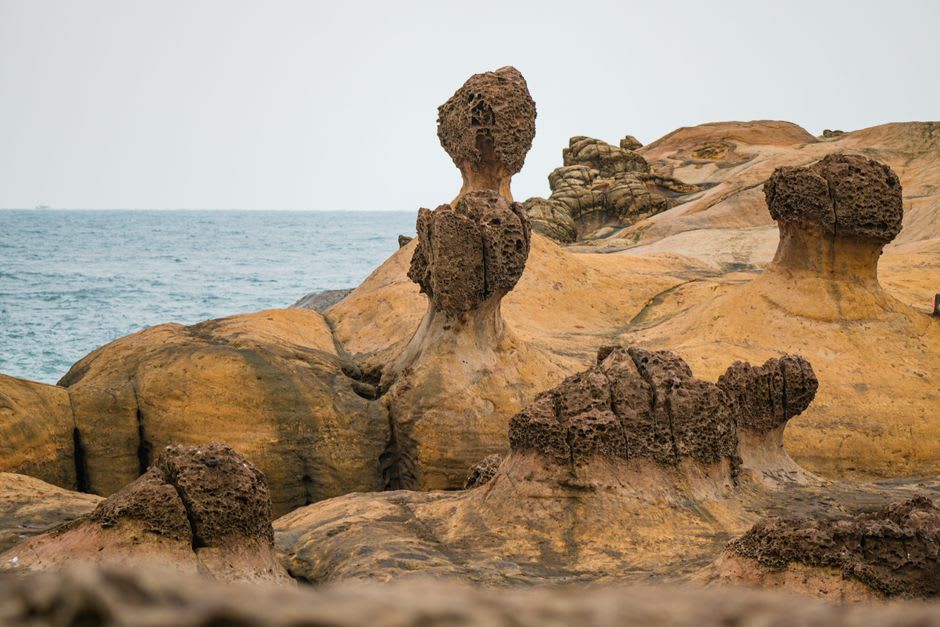
We walked the marked path along the cape for close to two hours, and I kept catching myself doing a double take at formations that, from certain angles, looked less like geology and more like abandoned sculpture — a specific irregularity that no human sculptor would have deliberately chosen, and yet somehow reads as intentional.
The Queen’s Head, Slowly Disappearing
The park’s single most famous formation is the “Queen’s Head” — a mushroom rock whose profile, from the correct angle, resembles a woman’s head and neck in a manner that has made it Yehliu’s unofficial mascot. There is, unavoidably, a queue to photograph it, and a roped barrier keeping visitors at a distance now that decades of erosion (and, before regulations tightened, decades of tourists touching the narrowest part of its neck) have made park authorities anxious about how much longer it will remain recognizable.
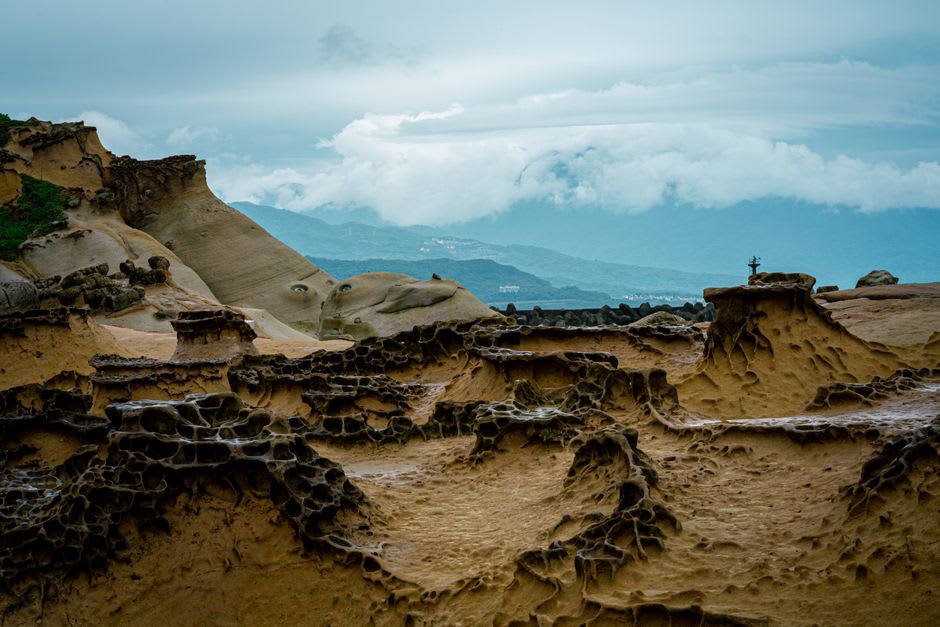
Lia took the obligatory photo, then pointed out — accurately, and slightly morbidly — that we were looking at a natural sculpture actively dying in front of us, one wave at a time, and that this was probably the honest way to look at most natural wonders if you thought about it for more than a few seconds.
When to go: Spring and autumn for the mildest weather and clearest coastal light. Avoid typhoon season (July–September) when the park sometimes closes for safety, and go early on weekday mornings to beat the tour bus crowds that arrive by midday.
Keep exploring
More from Taiwan
 taiwan
 Yingge
Taiwan's ceramics capital, where a single street is lined with pottery shops, a museum built from clay and glass, and kiln chimneys that once fired half the island's dinnerware.
Explore taiwan
 Zhaishan Tunnel
A hand-carved granite naval tunnel on Kinmen, built to hide warships from mainland shelling and now lit for tourists in impossible pink and blue.
Explore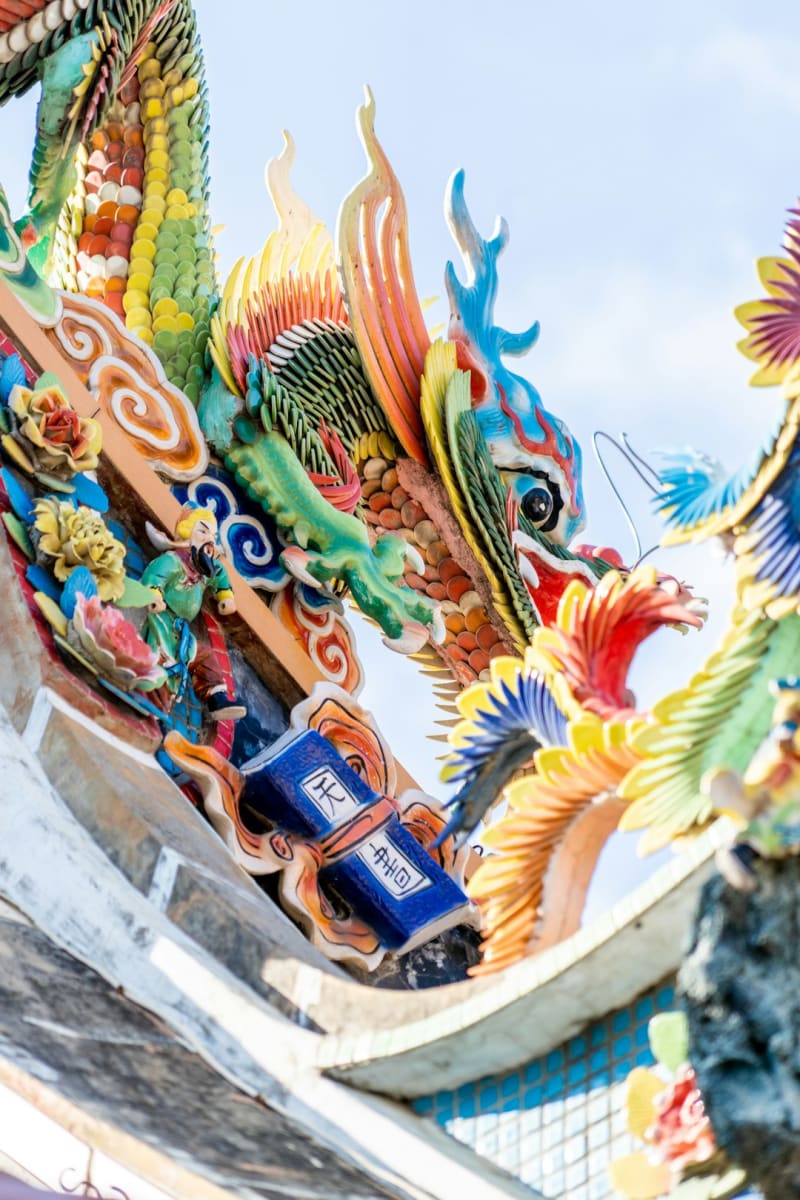 taiwan
 Zhinan Temple
A hillside pilgrimage temple above Taipei famous for one thousand stone steps and a patron deity said to disapprove of couples.
Explore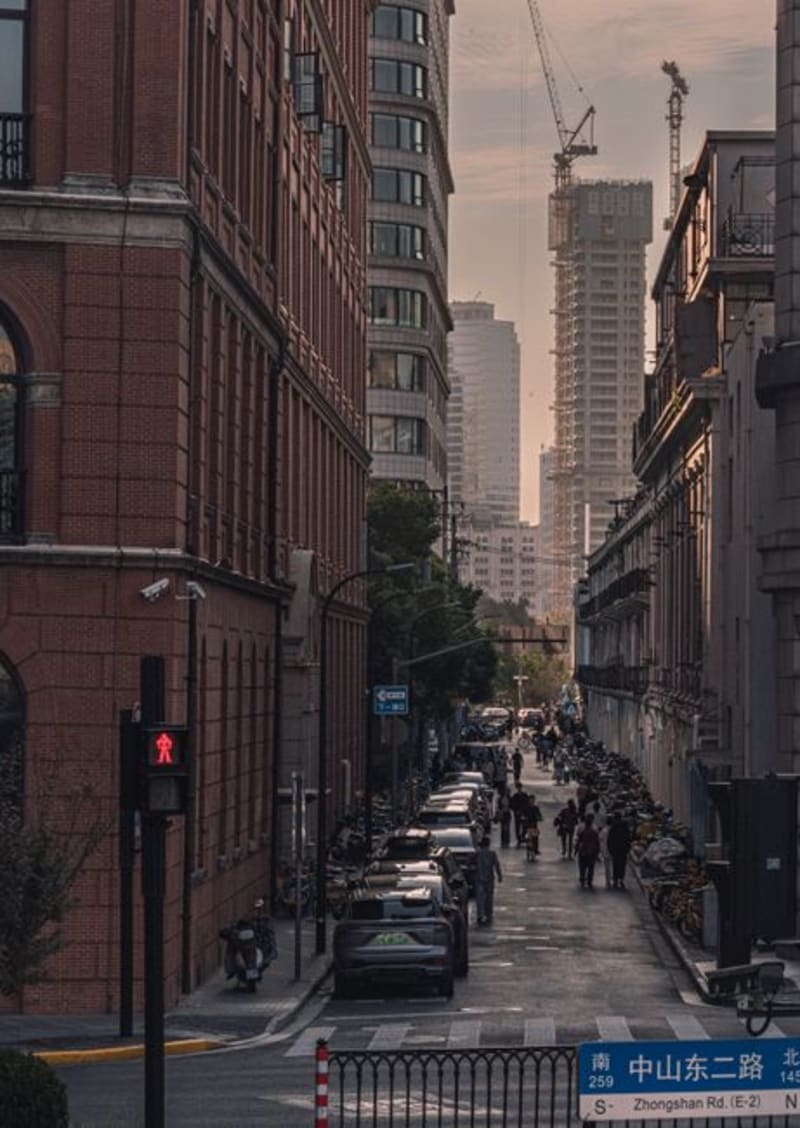 taiwan
 Zhongshan
A leafy, understated Taipei district of Japanese-style izakayas, boutique hotels, and a night market that locals keep quietly to themselves.
Explore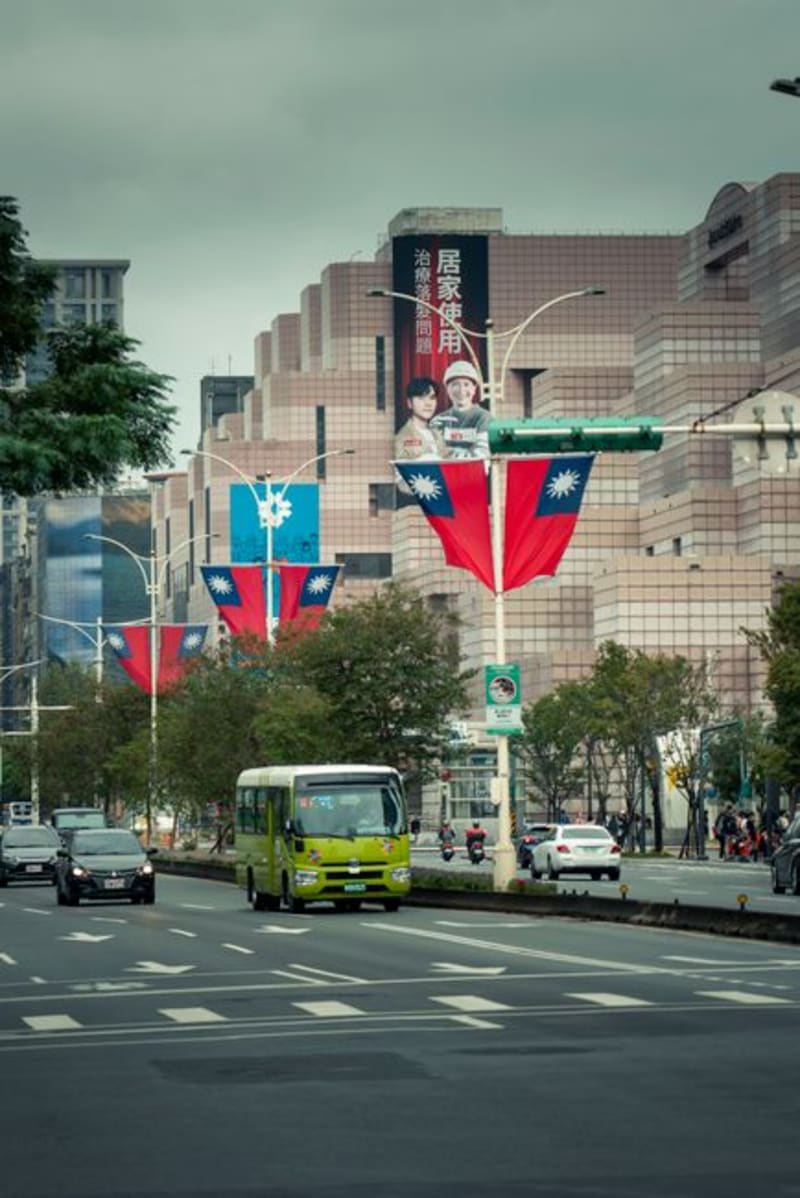 taiwan
 Zhushan
A bamboo-forest township turned coffee-growing curiosity, where craftsmen still weave what farmers used to grow for a living.
Explore taiwan
 Alishan
A mountain railway through ancient cypress groves where dawn turns the sea of clouds gold and the air smells of resin and cold rain.
Explore