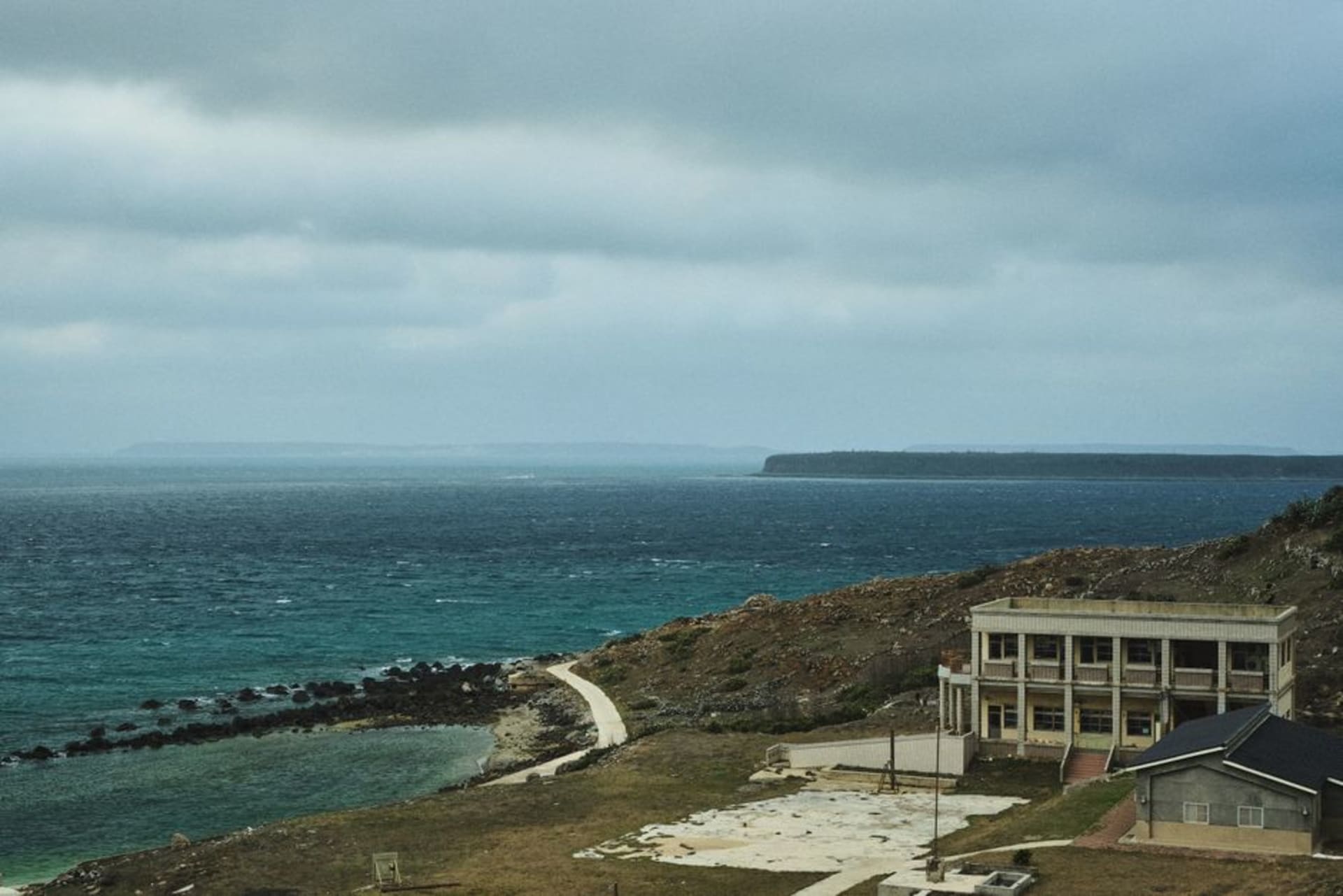
Wangan Island
"Wangan moves at the speed of a nesting turtle, which is to say: not for anyone in a hurry."
Penghu's southernmost inhabited island, where green sea turtles nest on a protected beach and old stone houses lean into the wind.
The ferry from Magong to Wangan takes about fifty minutes, long enough for the mainland cluster of Penghu to disappear behind you and for the water to turn a genuinely startling cobalt. I’d read that Wangan hosts one of the few green sea turtle nesting beaches left in Taiwanese waters and figured that alone was worth the trip. What I hadn’t expected was how much I’d like the island independent of the turtles entirely.
A Village Built to Survive Wind
Tiantai, the main settlement, is a tangle of narrow lanes between houses built from local basalt and coral stone, walls thick enough to survive a direct typhoon hit and packed close enough together that the wind loses its momentum before it reaches your doorstep. Some of the houses are three, four generations old and still lived in; others sit empty, roofs caved, ivy climbing through window frames, waiting on relatives in Taipei to decide what to do with them. I spent an hour just wandering the lanes with no destination, which is the correct way to see Wangan.
Turtles, Under Supervision
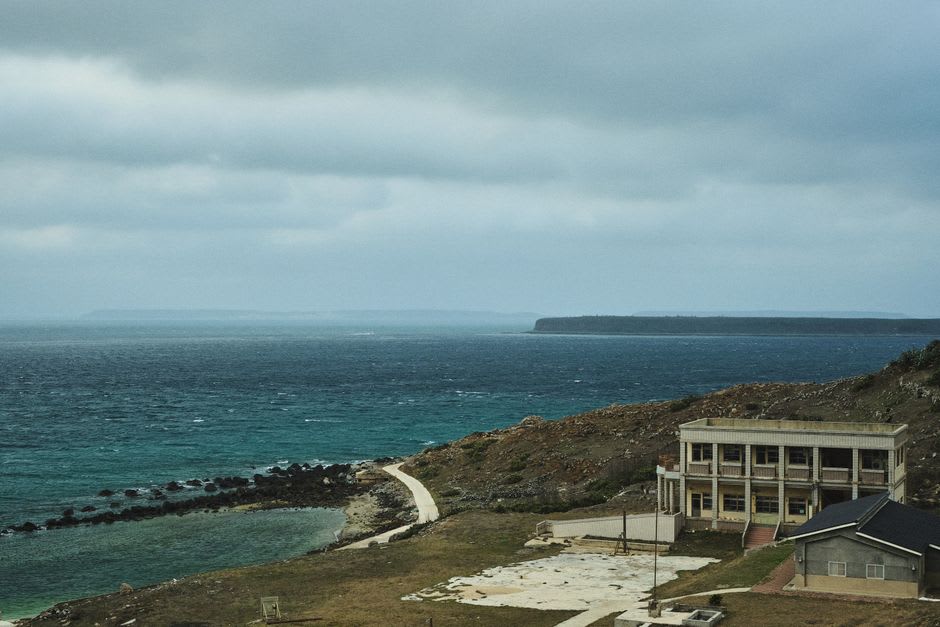
Wangan’s turtle nesting beach is managed carefully — access during nesting season (roughly May through October) is restricted after dark, and there’s a small conservation station where staff explained the nightly patrol routine to me in the patient, slightly weary tone of people who have given this speech many times. I didn’t see a turtle nest in progress; the timing didn’t line up. But I did see hatchling tracks in the sand the next morning, faint parallel grooves running from a shallow depression down to the waterline, and that was enough to make the whole detour worthwhile.
The Highest Point in Penghu
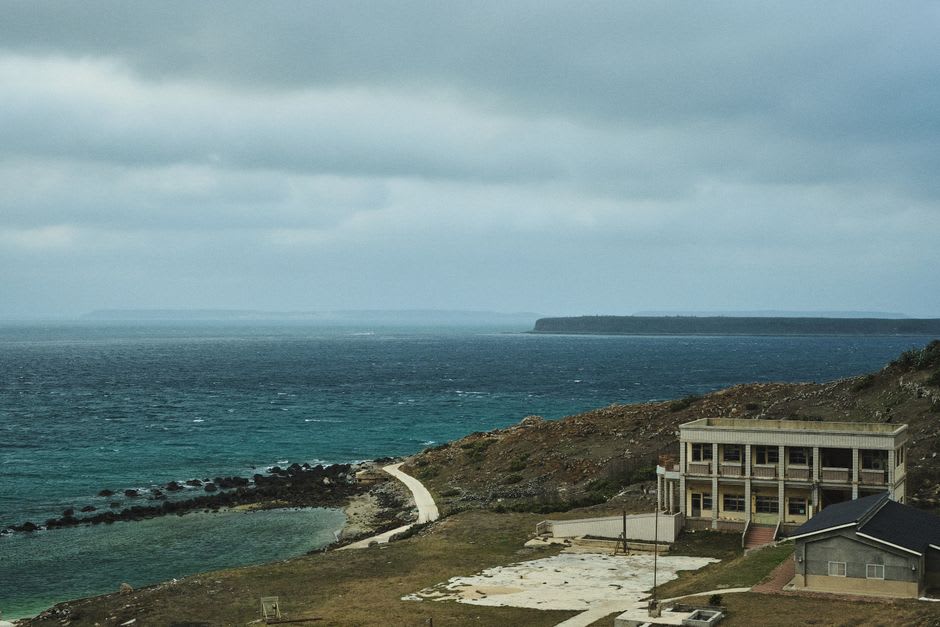
Tiantai Mountain, despite the grand name, is a gentle hundred-meter hill — but it’s the highest point in the entire Penghu archipelago, and the viewpoint at the top gives you a full turn of ocean horizon with barely another building in sight. Lia and I climbed it at golden hour, mostly in silence, and watched the light go orange over water that had been navy an hour before. A fisherman on the path down told us, through a mix of Mandarin and hand gestures, that his grandfather had used the same hill to spot storms coming.
When to go: May through September for turtle season and calm ferry crossings. The island empties out almost completely outside summer, which has its own appeal if solitude is what you’re after.