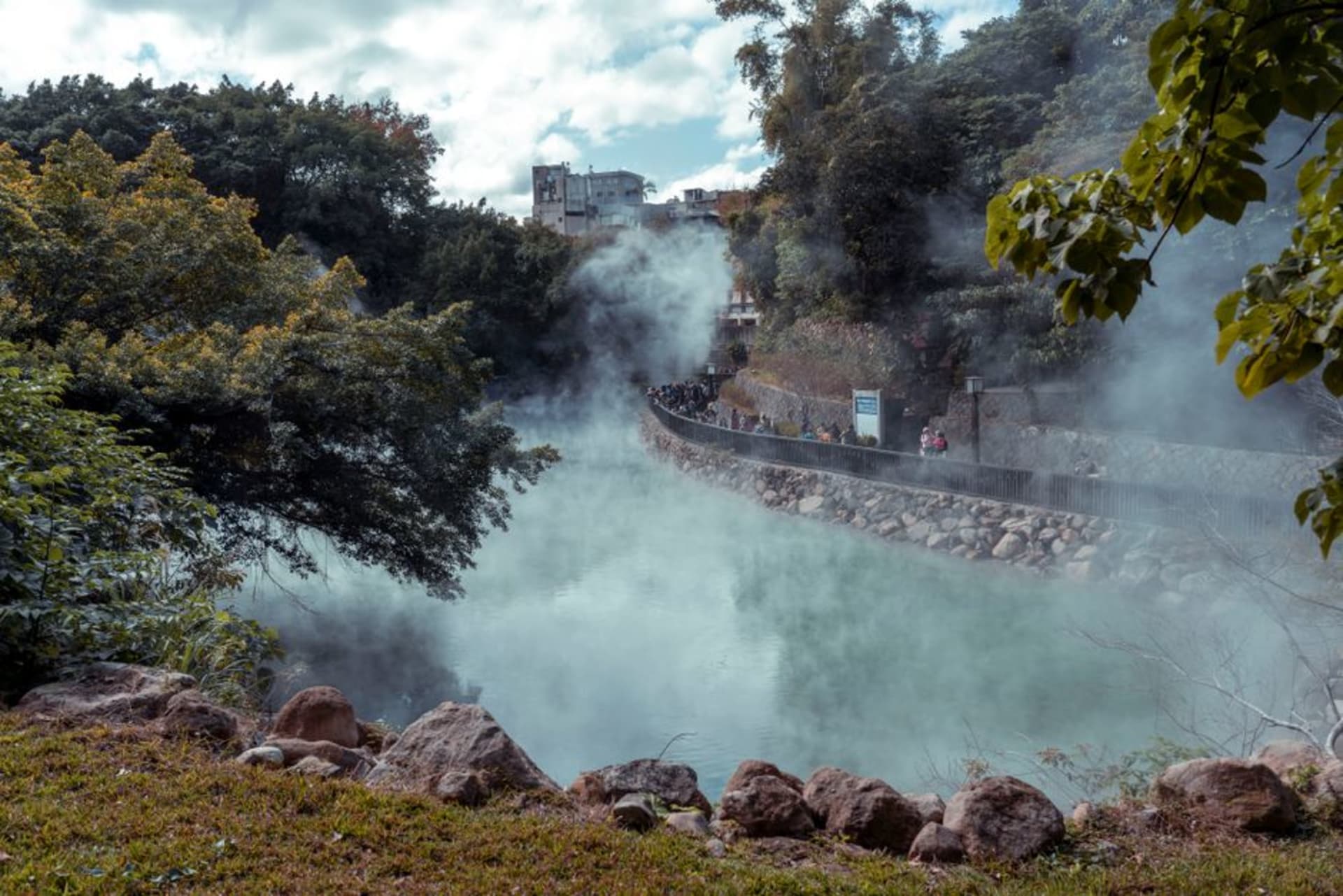
Ruisui Hot Springs
"The water at Ruisui comes out the color of weak tea and stains everything it touches, which somehow makes it feel more like medicine than a spa treatment."
A quiet Rift Valley township with rust-colored carbonate hot springs discovered by the Japanese, and some of the least touristed soaking pools in Taiwan.
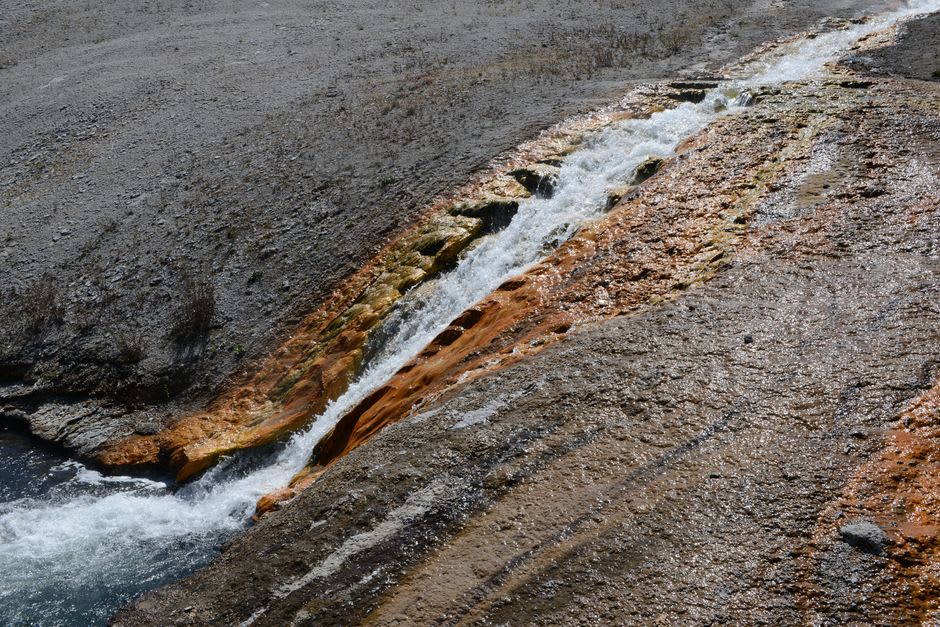
Ruisui sits roughly halfway down the East Rift Valley between Hualien and Taitung, a small township that would be entirely unremarkable if not for the carbonate hot springs the Japanese discovered and developed here in 1919. The water emerges rust-orange, heavy with iron and carbonate minerals, and stains the stone pools and even skin a faint tint if you stay in long enough — a detail every hotel receptionist in town mentions unprompted, usually with visible pride rather than apology.
Soaking in Rust-Colored Water
I stayed at one of the older spring hotels near the original Japanese-era source, a low concrete building with private soaking rooms rather than the resort-scale complexes found at Beitou or Yangmingshan up north. The water arrived scalding at the tap and had to be cut with cold water to something tolerable, and even diluted it left a faint metallic smell on my skin for the rest of the evening. It’s meant to be good for skin conditions and joint pain, claims I can’t verify, but the mineral density is undeniable — my silver ring came out of the water visibly duller than it went in.
The Valley Around It
Ruisui township itself is sleepy in the best sense — a scattering of small guesthouses, a weekday market selling Rift Valley produce, and a cycling path that connects toward the Xiuguluan River, where whitewater rafting trips launch each morning during the wet season. I rented a bicycle and rode out past dairy farms (Ruisui also produces some of Taiwan’s better fresh milk) toward the river gorge, stopping at a roadside stand for a cup of fresh milk tea that the vendor insisted, correctly, was better than anything I’d find in Taipei.
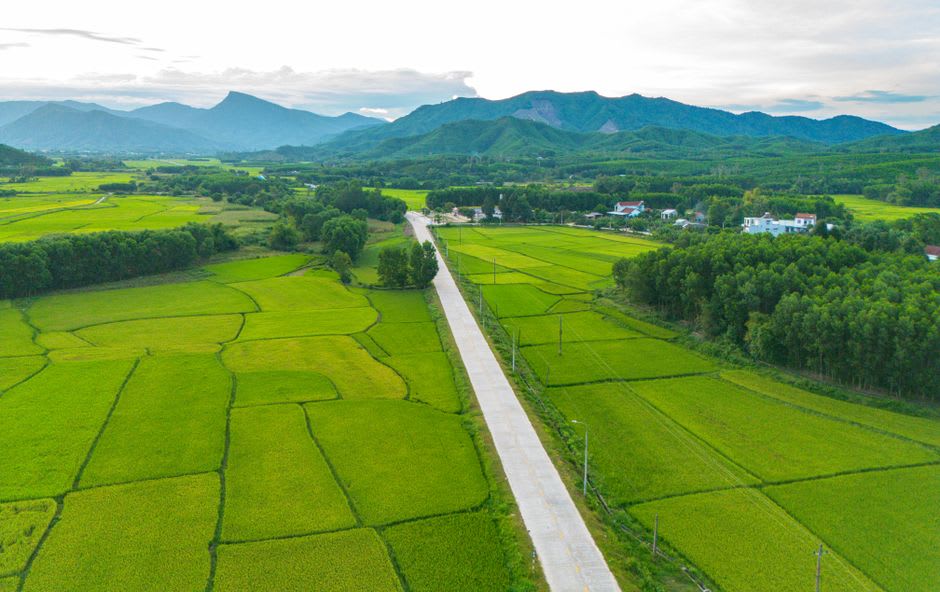
When to go: October through April for the most comfortable soaking weather and clear valley views. Summer months bring higher humidity, though they’re also peak season for whitewater rafting on the Xiuguluan River if that’s the priority.