Qimei Island
"Everyone comes to Qimei for the postcard shot. Almost no one talks about what's on the other side of the island."
The southernmost tip of the Penghu archipelago, home to the heart-shaped stone weir that ends up on every Taiwan tourism poster.
I’d seen the Twin Heart Stone Weir on Instagram roughly four hundred times before I ever set foot on Penghu, which is its own kind of problem — by the time I actually stood on the cliff above it, I half-expected to feel nothing, the way overexposed landmarks sometimes flatten themselves out through repetition. Instead, standing there at low tide with the double heart of stacked basalt stones fully exposed in pale green water, I just stood and looked for a long time. Some images earn the algorithm’s obsession honestly.
The Shuang Xin Shi Hu
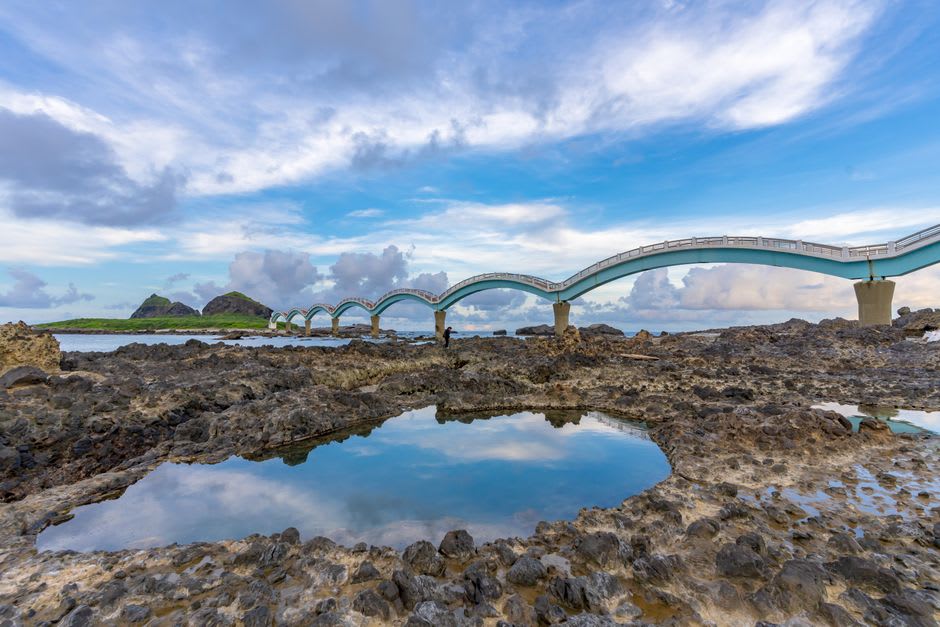
The weir — Shuang Xin Shi Hu — is a traditional fish trap, centuries old, built by stacking basalt rocks into a shape that lets fish swim in with the rising tide and strands them as the water recedes. Locals still maintain it, and a handful still fish it the old way, though most of the economy around it now is photography tours timed to the tide tables. I went at first light on a recommendation from my guesthouse owner, who told me flatly that midday tourist buses ruin the quiet and the light both. He was right on both counts.
Da’an Hot Sand Beach
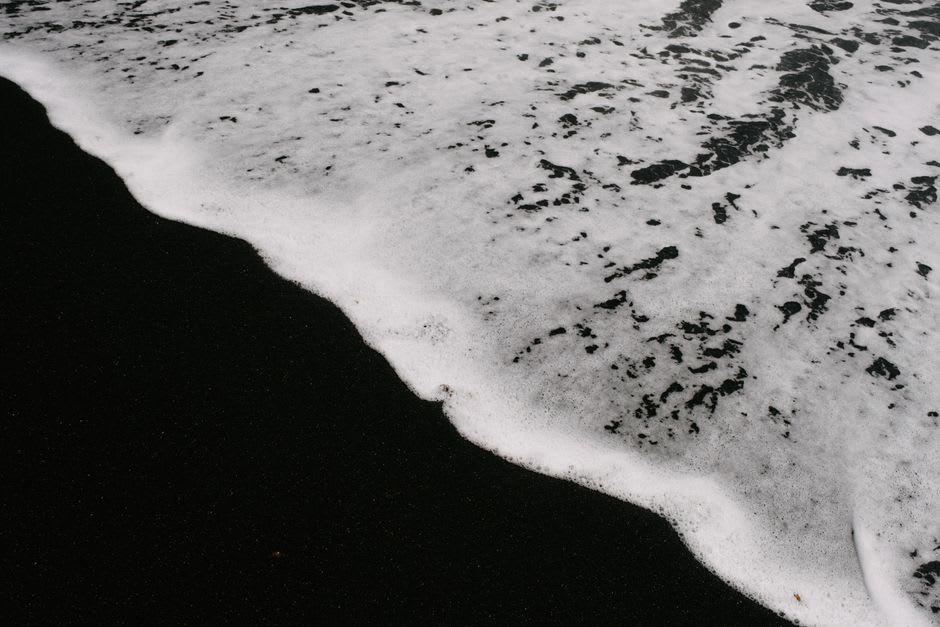
What most visitors skip, because they come for the weir and leave on the next ferry, is Da’an Beach on the island’s south side, where the black volcanic sand gets hot enough by midafternoon that walking barefoot becomes genuinely painful — a fact I learned the unpleasant way. Locals bury their feet in it deliberately, apparently for the warmth, a practice that looked to me like willingly stepping on a stovetop. The beach itself, once you get past the sand temperature, is quiet, dark-sanded, and backed by low dunes with almost nobody on it.
The Southernmost Point
Qimei is technically the southernmost inhabited point of the whole Penghu archipelago, and the lighthouse near Longmen Village marks it with the kind of understated municipal signage Taiwan does so well — a single stone marker, no gift shop, no fanfare. I stood there with Lia while she tried to get a photo of both of us and the horizon in frame, and a local woman selling dried squid from a cart insisted we try a piece first, refusing payment when we offered.
When to go: Visit the Twin Heart Weir within two hours either side of low tide — check tables locally, as timing shifts daily. April through October for swimmable water; avoid visiting during a red flag typhoon warning, which suspends the ferry entirely.
Keep exploring
More from Taiwan
 taiwan
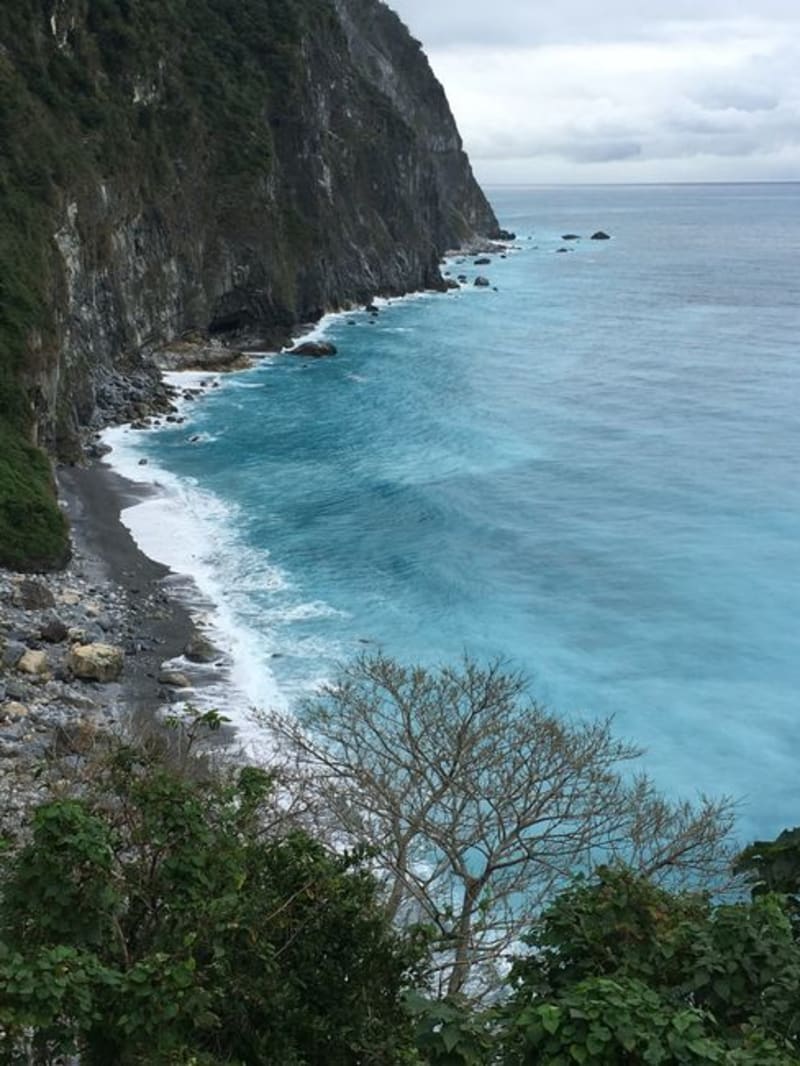
 Qingshui Cliff
A dizzying stretch of marble cliff face dropping straight into the Pacific along the Suhua Highway, where the road and the railway both cling to a ledge blasted from solid rock.
Explore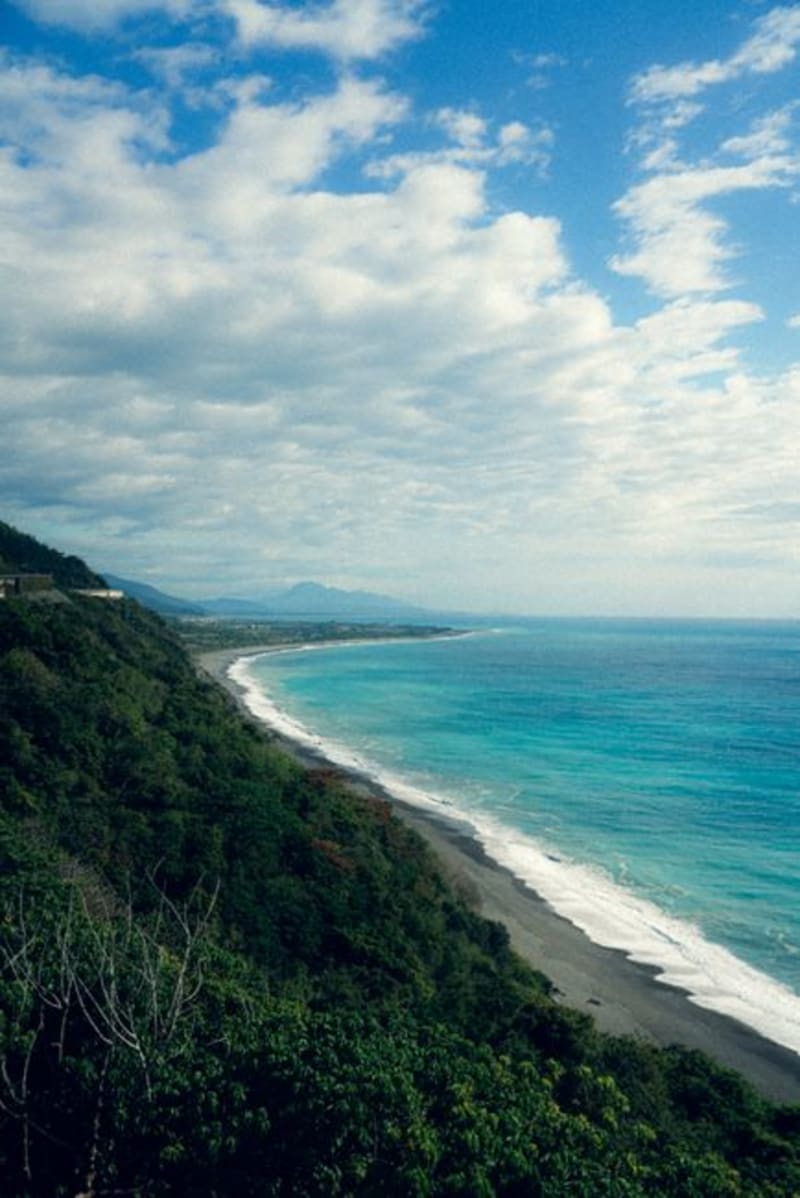 taiwan
 Qixingtan Beach
A crescent of smooth grey pebbles just north of Hualien airport, where fighter jets occasionally roar overhead and the Pacific arrives in the kind of waves that discourage swimming and reward watching.
Explore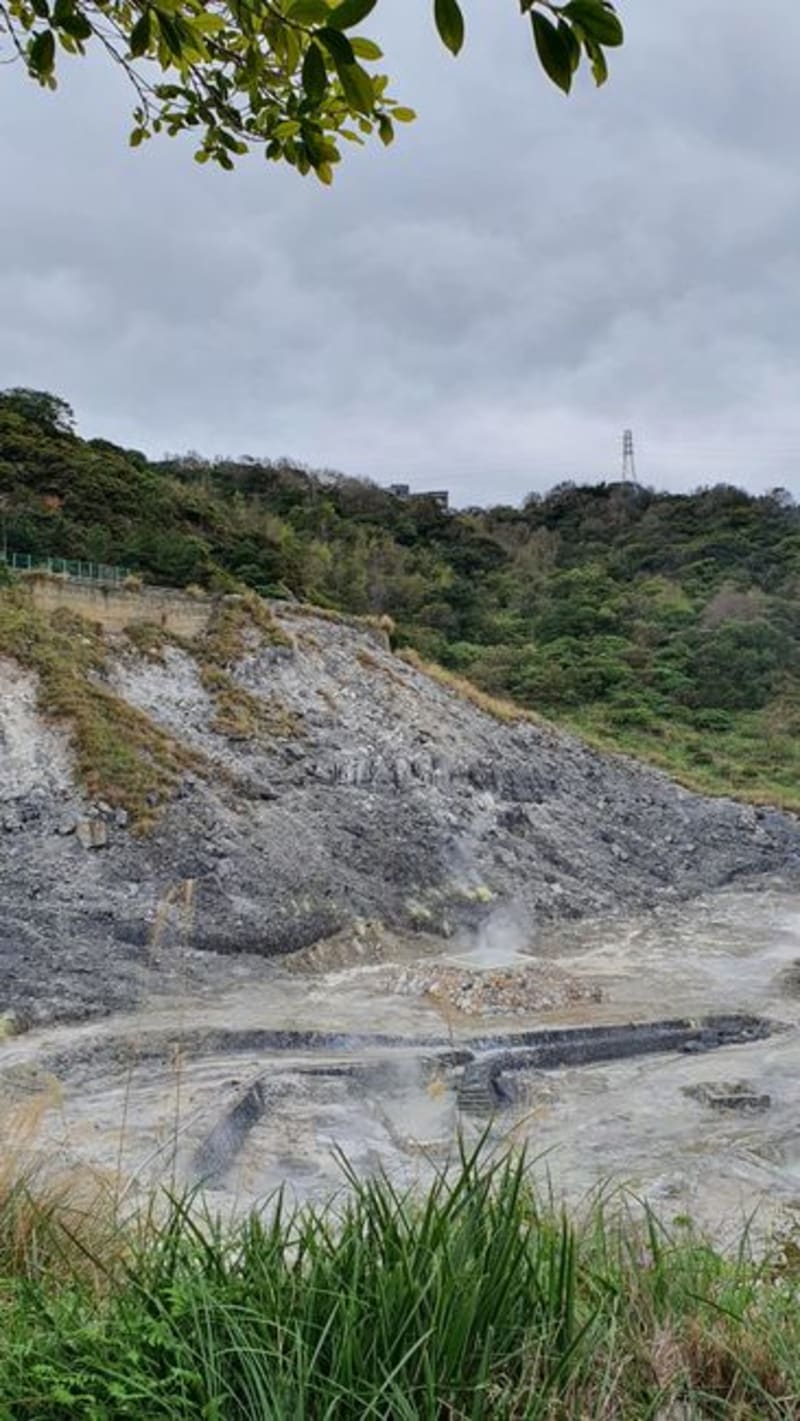 taiwan
 Ruisui Hot Springs
A quiet Rift Valley township with rust-colored carbonate hot springs discovered by the Japanese, and some of the least touristed soaking pools in Taiwan.
Explore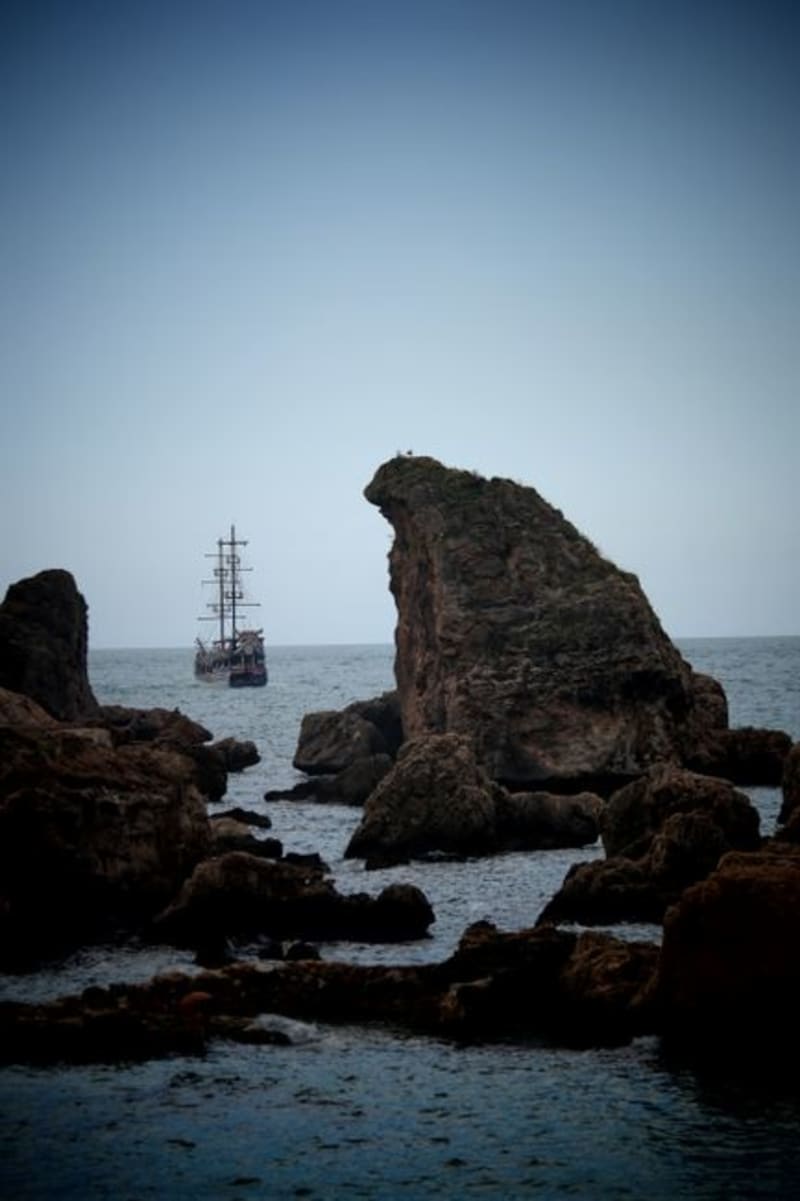 taiwan
 Sail Rock
A lone limestone pillar rising from the shallows near Kenting, shaped by wind and tide into an uncanny silhouette of a ship under sail.
Explore taiwan
 Sandimen
A mountain township above the Pingtung plains where Paiwan and Rukai indigenous communities keep glass-bead craft and slate architecture alive.
Explore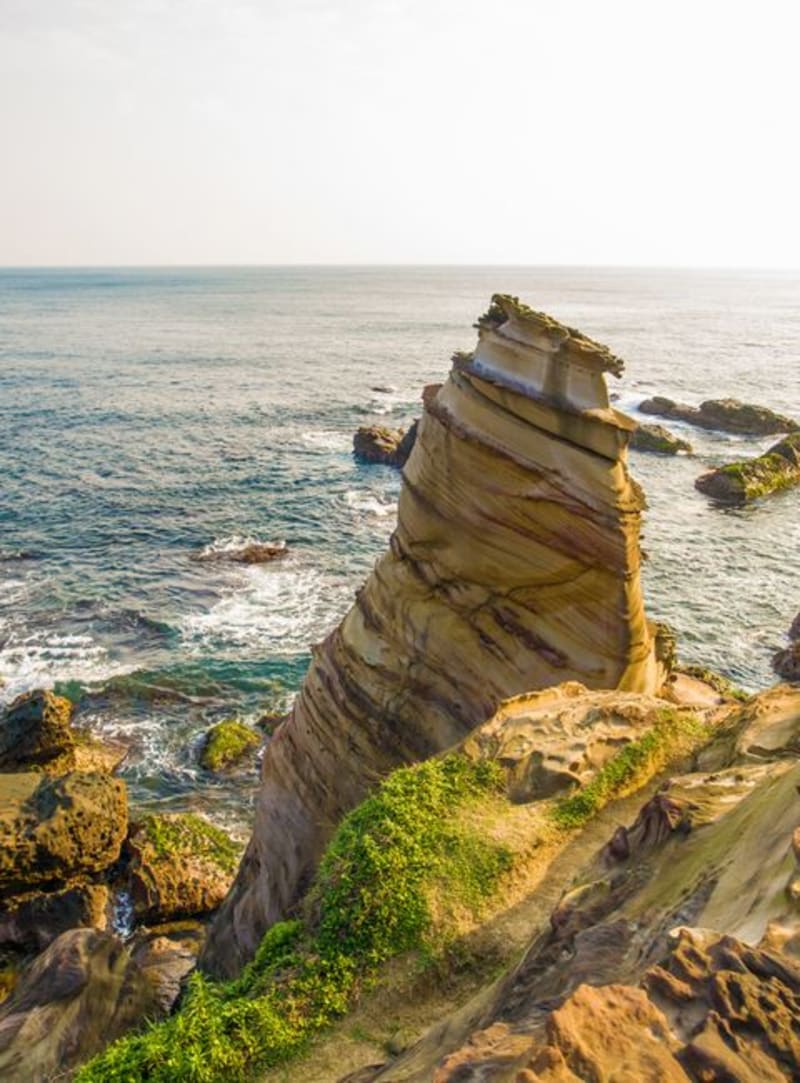 taiwan
 Sanxia
A red-brick old street south of Taipei where baroque facades, a wooden temple that took decades to carve, and a golden pastry called jinniu horn share three blocks of covered arcade.
Explore