Muddus National Park
"We came for the waterfall and left having met a tree older than Sweden's oldest maps."
Sweden's largest forest park, where a 710-year-old pine and a thundering waterfall wait deep inside ancient Laponian wilderness.
Lia found Muddus on a map almost by accident, tracing the road between Jokkmokk and Gällivare with her finger and stopping on a green blob bigger than any other park in Swedish Lapland. What sold us wasn’t the size, though — it was learning that Muddus, or Muttos as the Sámi call it, is one of the few parts of the UNESCO-listed Laponian area you can actually reach by road. No helicopter, no week-long trek required. We parked, laced up our boots, and within twenty minutes were already swallowed by pine trees that felt like they’d been standing since before Sweden had borders.
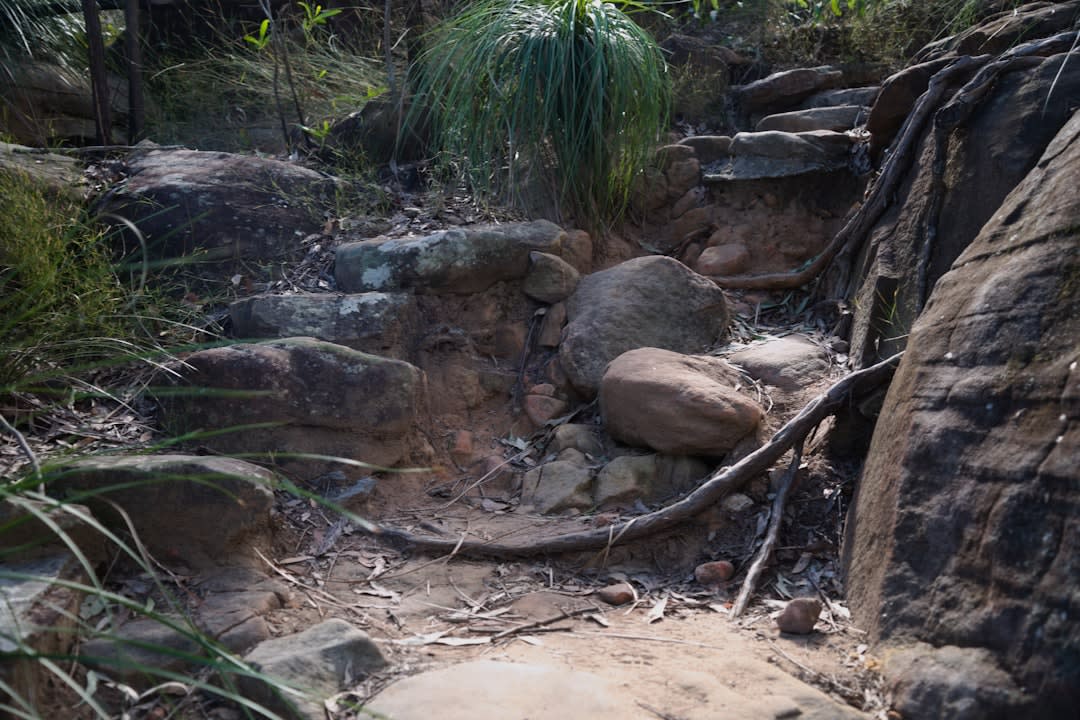
The forest itself is the thing I keep coming back to when people ask about Muddus. It isn’t dramatic in the way a mountain range is dramatic — it’s quieter, older, stranger. We walked for hours through stands of old-growth pine, past boggy clearings that squelched underfoot, and down into rock ravines that seemed to appear out of nowhere. At one point Lia stopped dead and pointed at a gnarled, half-fallen pine with a small marker beside it: Sweden’s oldest known pine tree, over 710 years old, a survivor of a forest fire back in 1413. I put my hand on the bark without really thinking about it, the way you touch something to make sure it’s real.
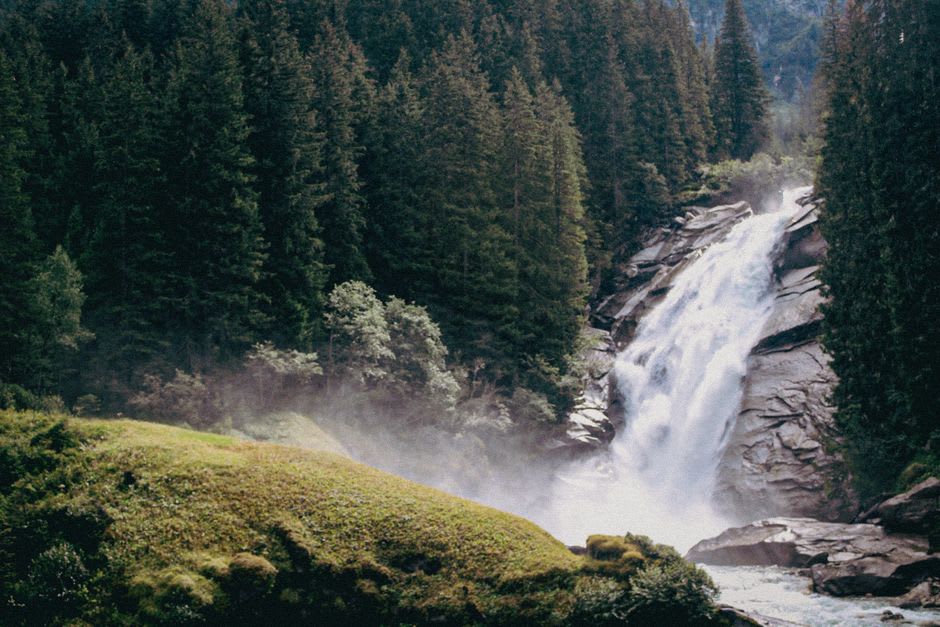
We’d timed our hike toward Muddusfallet, the park’s 42-meter waterfall, and heard it long before we saw it — a low roar carried through the trees that got louder with every switchback. When it finally opened up in front of us, dropping through a cut in the rock, we just stood there for a while, not talking. That’s become a bit of a tradition for us at waterfalls, actually: no photos for the first five minutes, just watching. We saw no bears or lynx that day, though the rangers we passed told us both roam the park along with elk and reindeer, and we did spot a pair of whooper swans gliding across one of the still ponds near the trailhead, entirely unbothered by us.
What struck me most, driving away, was how accessible all of it had felt for a place so wild. Muddus doesn’t ask you to be an expert backcountry hiker to see its oldest tree or its loudest waterfall, and I think that’s exactly why it stayed with us. When to go: we’d point you toward summer, from June through August, when the trails are driest, the daylight barely ends, and the park is at its most forgiving for a first visit.
Keep exploring
More from Swedish Lapland
 swedish-lapland
 Riksgränsen
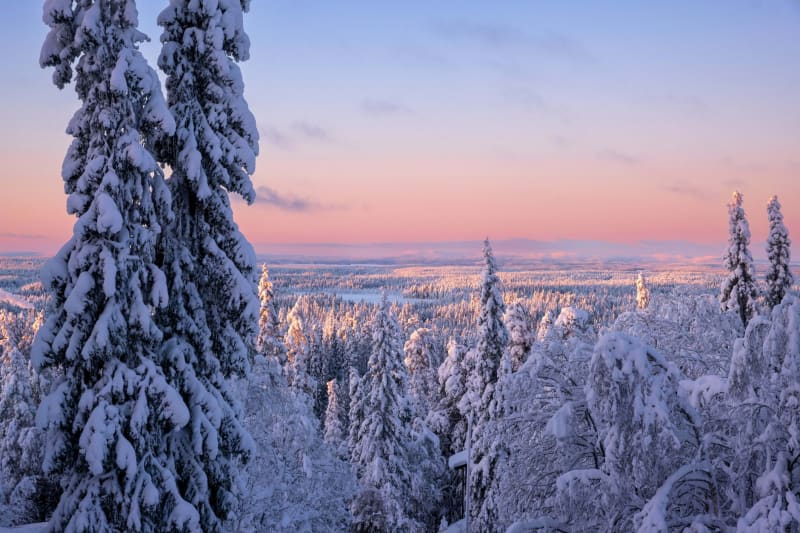
A ski resort perched on the Norwegian border where you can ski under the midnight sun in May and the mountain drops into a fjord on the other side.
Explore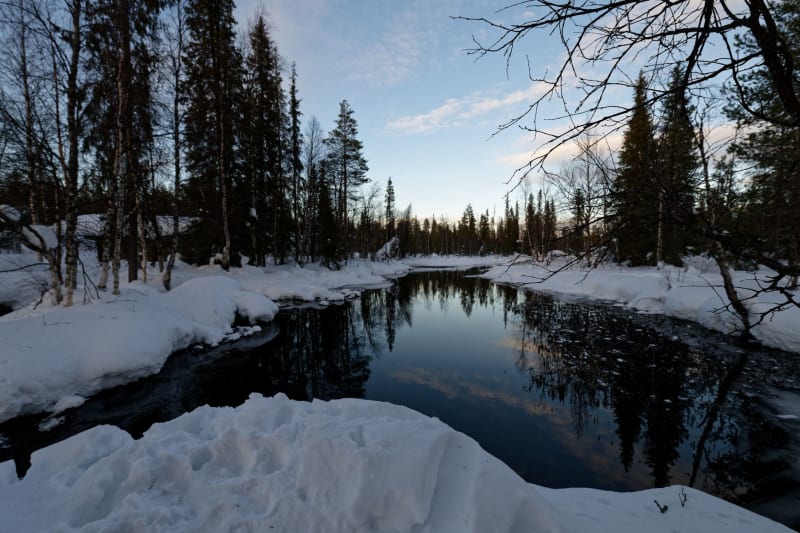 swedish-lapland
 Sarek National Park
Two thousand square kilometers of roadless mountain wilderness where there are no marked trails, no huts, no rescue infrastructure — only the terrain.
Explore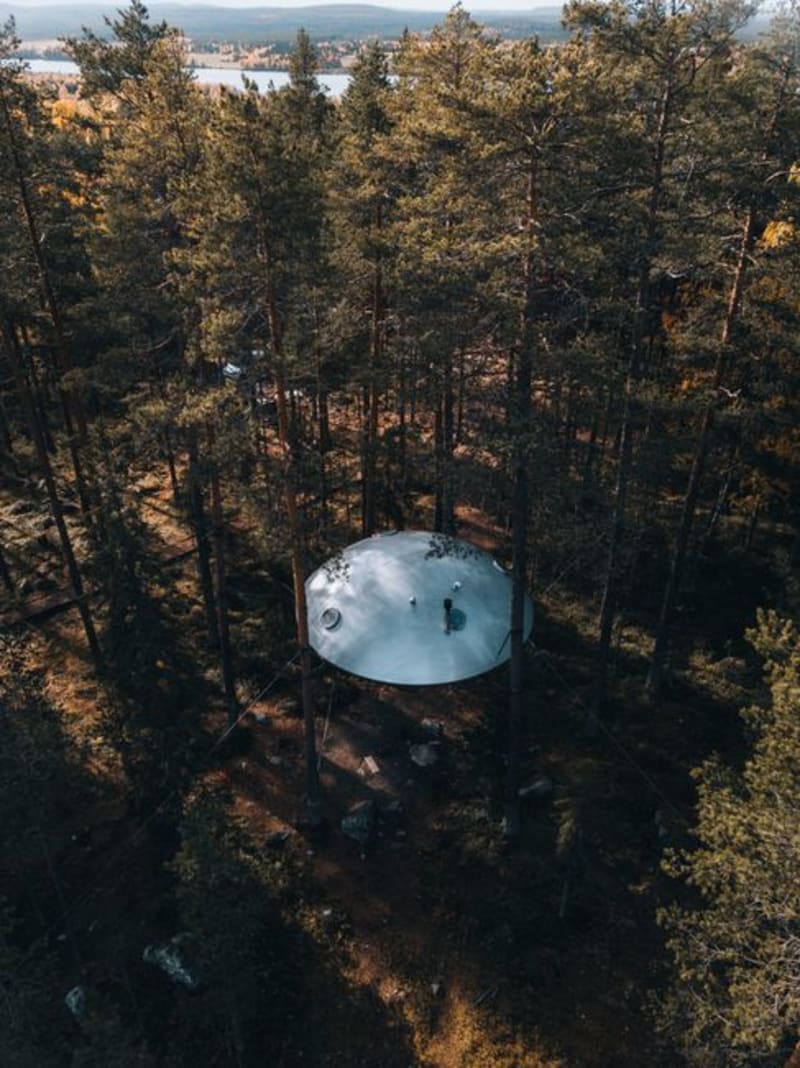 swedish-lapland
 Treehotel
A cluster of architect-designed treehouses hidden in a pine forest near Harads, where dinner is served ten meters up and the aurora does the rest.
Explore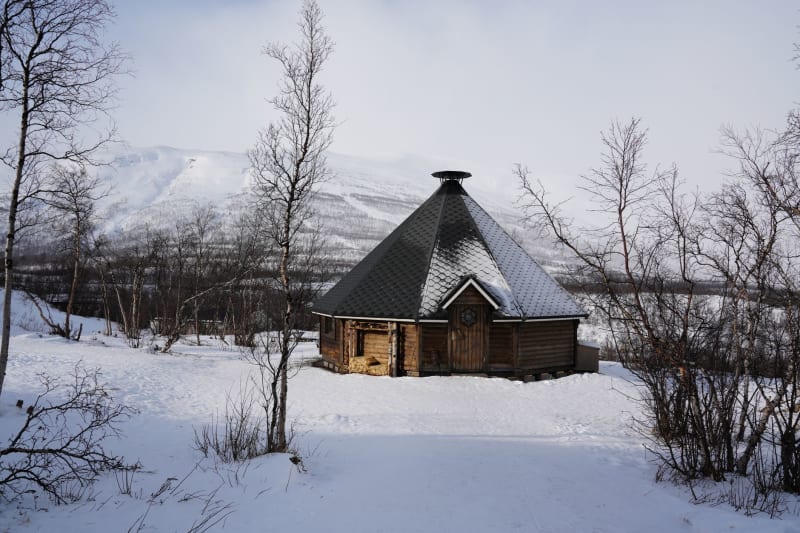 swedish-lapland
 Abisko
A national park on a frozen lake shore where the mountain microclimate keeps the sky clear when everywhere else in Lapland is buried in cloud.
Explore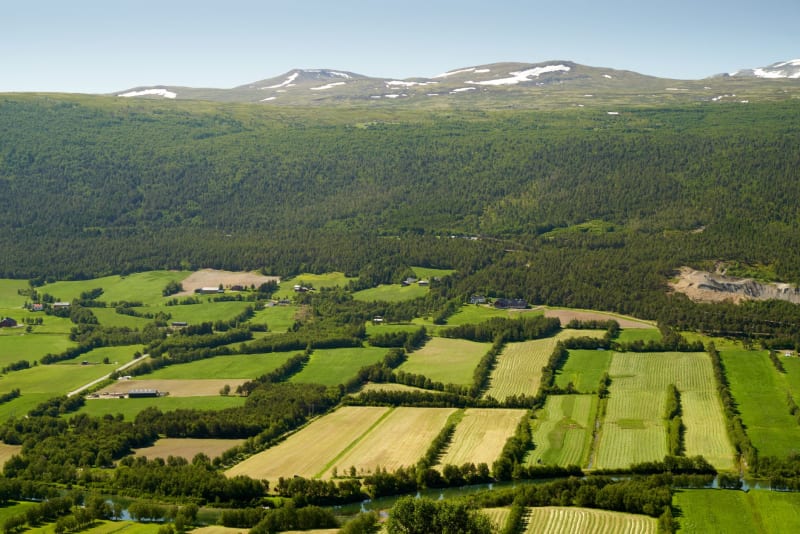 swedish-lapland
 Arjeplog
A lakeside town where car manufacturers test their winter vehicles in secret on frozen lakes, and a Silver Museum tells the story of the man who saved the Sami from smallpox.
Explore swedish-lapland
 Björkliden
A small fjord-side resort between Abisko and Riksgränsen where the mountain falls directly into Lake Torneträsk and the midnight sun hits the water at an angle that defies description.
Explore