Uppsala
"Uppsala's cathedral was built to be seen from anywhere in Uppsala — and it succeeds everywhere."
Sweden's ancient royal and academic city holds Scandinavia's largest cathedral, a 16th-century castle, and the grave of Carl Linnaeus.
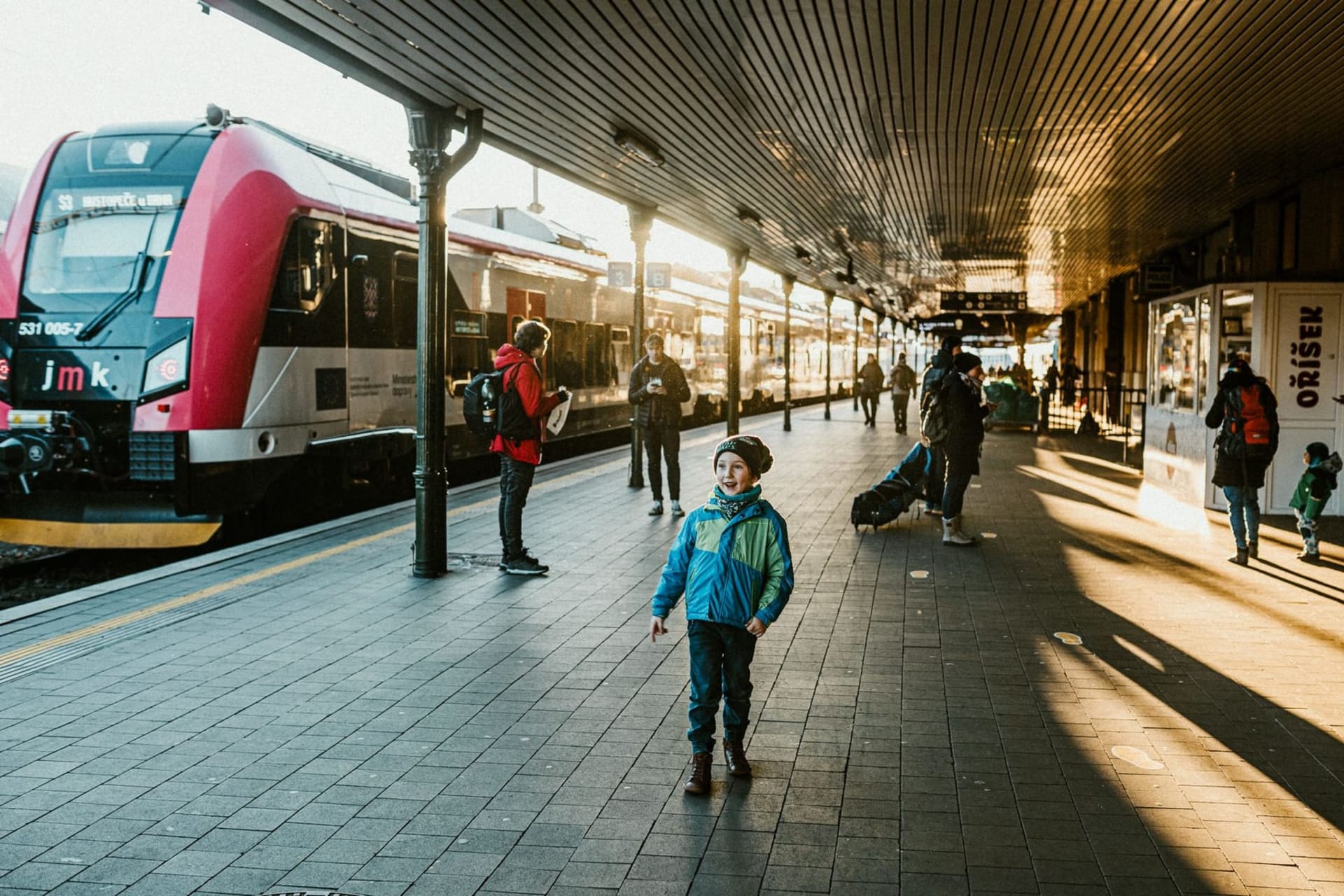
I arrived in Uppsala on a Tuesday in late September, when the light in Sweden has already begun its long retreat. The train from Stockholm takes forty minutes, and the moment you step onto Resecentrum’s platform you understand this is not a suburb — it is a city that has been thinking about itself for a very long time.
Domkyrkan and the Weight of Stone
The cathedral announces itself before you find it. Walking north along Bangårdsgatan toward the old town, the twin spires of Uppsala Domkyrka appear above every rooftop, every crossroads, every gap between buildings. Scandinavia’s largest church was consecrated in 1435 and it carries that weight without effort. Inside, the nave is cool and faintly amber from the clerestory windows, and the tombs of Swedish kings line the ambulatory like a slow argument about who mattered most. I stood for a long time at the tomb of Gustav Vasa, the king who essentially invented modern Sweden, and felt the particular silence that stone accumulates over centuries.
Lia found the Linnaeus tomb in a side chapel before I did. Carl Linnaeus, the botanist who gave the world its system for naming living things, is buried here beneath a modest slab. That a man who catalogued nearly all of known nature should rest in such understatement seemed right to us both.
Gustavianum and the Anatomical Theatre
The unexpected discovery came on the hill above the cathedral, in Uppsala University’s oldest building. I had expected another museum of dusty artifacts. What I found instead was the anatomical theatre — a small, perfect wooden amphitheatre built in 1663, rising in concentric rings around a central dissection table. Medical students once crowded those tiers to watch professors work. The room smells faintly of old timber and something else I couldn’t name. Standing at the centre, I looked up through the cupola and understood immediately why they built it round: everyone needed to see, and nothing could be hidden.
Uppsala Castle and the View Above the Spires
Uppsala Slott sits on a ridge west of the cathedral, a broad red-brick palace that never quite became what its builders intended — parts of it burned, parts were never finished. But the terrace below the castle looks out over the entire city, and from there the cathedral spires appear at eye level, which is the only way to understand how tall they truly are. We ate cinnamon rolls from a bakery on Svartbäcksgatan on that terrace, watching the Fyrisån river catch what was left of the afternoon light.
When to go: Late May through August offers long Nordic evenings and the university city in full life. September brings golden birch light and smaller crowds, which is when Uppsala shows its more contemplative face.