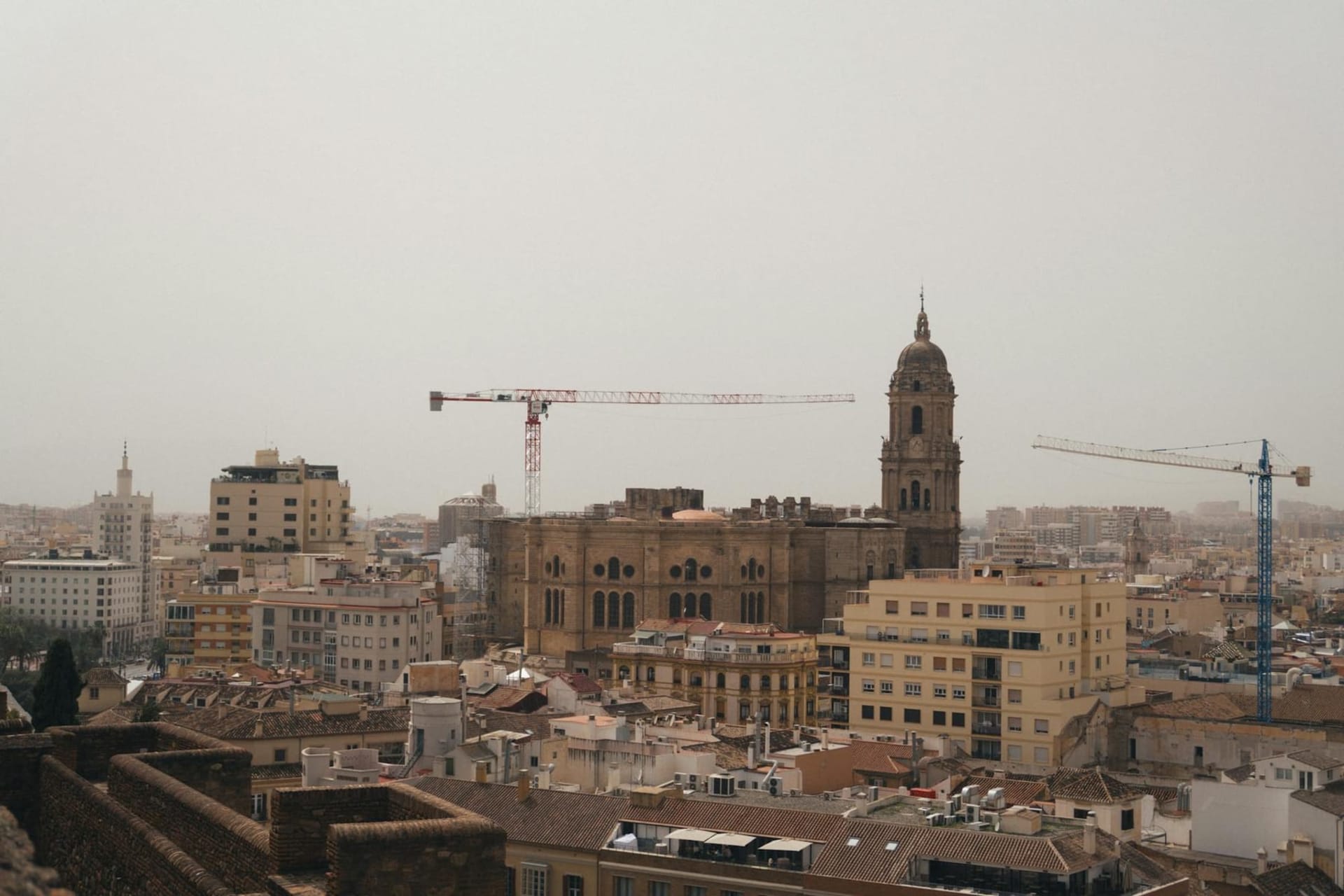
Picasso's birthplace is the Costa del Sol's cultured heart: Phoenician port, Moorish Alcazaba, and a tapas bar culture that embarrasses the rest of Andalusia.
I had braced myself for a beach city that wore its culture like a costume — a Picasso museum wedged between souvenir shops, flamenco shows priced for cruise passengers. What I found instead was a city that had simply gotten on with things, unhurried and unimpressed by its own considerable charms.
The Old City at Ground Level
The Calle Larios cuts a straight marble line through the centro histórico, and in the early morning before the tourists arrive, it belongs to old men in linen shirts and delivery trucks unloading crates of espárragos trigueros from Antequera. Lia and I walked it before breakfast two days running, stopping at El Pimpi on Calle Granada for a glass of cold manzanilla and a small plate of boquerones — white anchovies dressed in olive oil and lemon, the kind of simplicity that makes elaborate food feel like a waste of effort.
The Alcazaba sits above all of it, the eleventh-century Moorish fortress terraced into the hill like a conversation between architects across centuries. You walk through horseshoe arches into gardens that smell of orange blossom and old stone, the Mediterranean framed at the end of each passage like a painting someone keeps hanging in the same spot.
Picasso’s Room
The Museo Picasso Málaga on Calle San Agustín is quieter than it has any right to be. I stood in front of a small 1896 oil — a bearded man, rendered with the careful seriousness of a teenager trying to prove something — and thought about what this city looked like to a boy who would leave it and never really come back. The light in Malaga is particular: white and flat in midday, then turning almost orange by six o’clock, hitting the facades of the Paseo del Parque with a warmth that feels slightly implausible.
The unexpected thing: the Museo del Vidrio y Cristal, a private glass museum tucked behind the Paseo de Reding. Nobody mentioned it. We stumbled in on a whim and spent an hour in rooms packed floor to ceiling with Venetian mirrors, Art Nouveau lamps, Roman glass vessels. The owner gave us an impromptu tour in rapid Andalusian Spanish, gesturing at a piece of green Roman glass as though we were old friends who already knew the story.
The Tapas Question
Every Andalusian city claims its tapas culture. Malaga wins without arguing. At Bar Orellana on Calle Moreno Monroy, a montadito of jamón ibérico and manchego arrived unrequested with every drink. At La Tranca in the Barrio de la Peluquería, the anchoa malagueña — the local salted anchovy, meatier and deeper than the boquerones — came on bread rubbed with tomato. We ate standing at the bar, shoulders touching strangers, the way food is supposed to be eaten.
When to go: Late September through November is ideal — the summer crowds have thinned, the heat has softened to something Mediterranean and reasonable, and the sea is still warm enough to swim.