The Guggenheim transformed a post-industrial port city into a global art destination — and then Bilbao surprised everyone by having great food too.
I had low expectations for Bilbao. It sounded like a city that owed its entire reputation to a single building — a spectacular one, granted, but still just one building. Lia had talked me into it during a planning session somewhere between a second glass of wine and the moment you stop second-guessing itineraries. She was right, as tends to happen.
The Building That Changed Everything
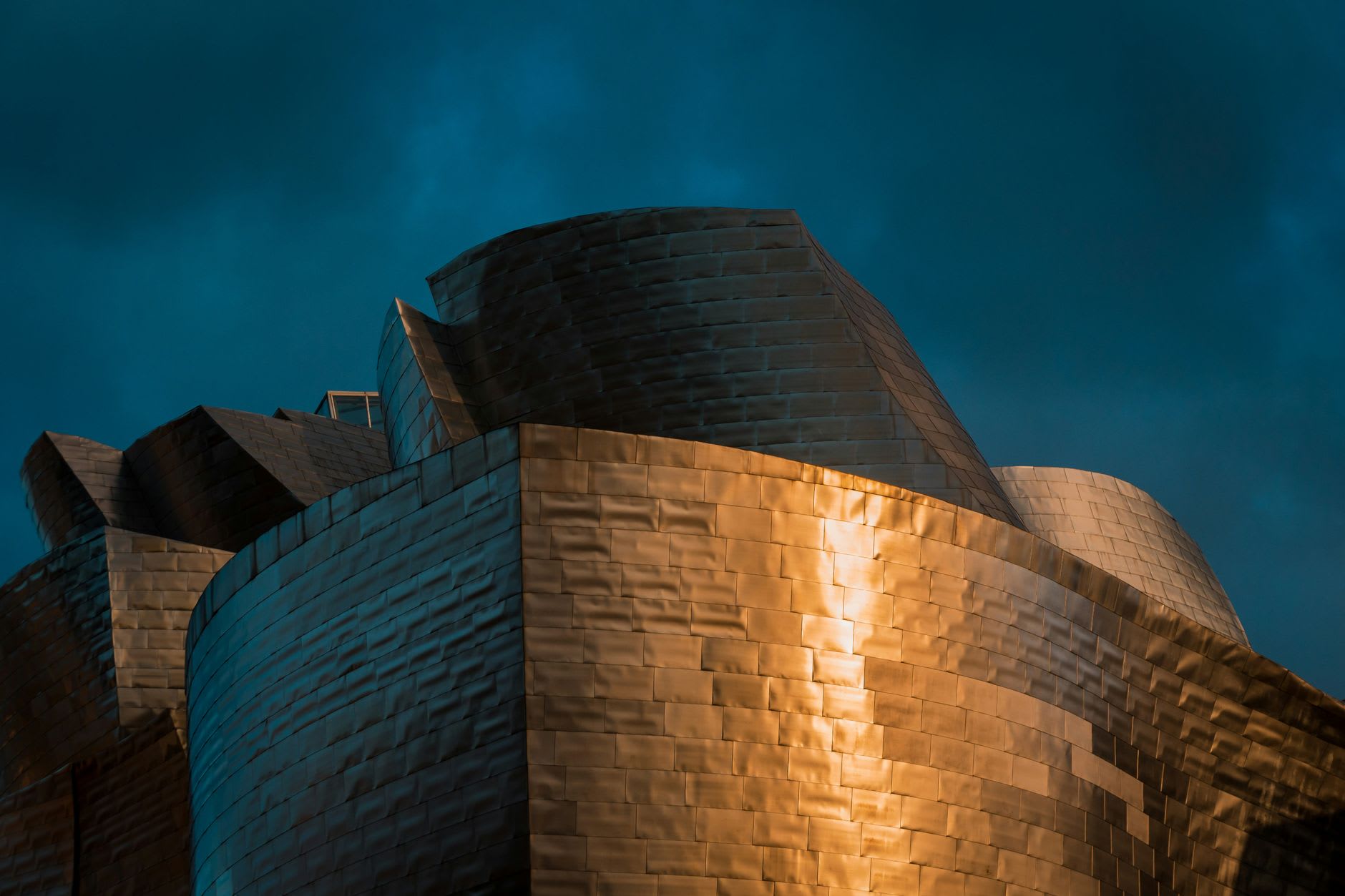
The Guggenheim hits you before you fully understand what you’re looking at. Coming down from Calle Iparraguirre toward the Nervión, the titanium panels appear in fragments between buildings, catching the grey Atlantic light in a way that reads almost biological — like scales, or the inside of an ear. Frank Gehry finished it in 1997 and people in Bilbao still talk about it the way you talk about something that saved your life.
Before the museum, this stretch of riverbank was a shipyard and a steel mill. The industry died in the eighties and took a third of the city’s jobs with it. They didn’t rebuild what had been there. They built Gehry’s impossible fish instead, and then a metro system by Norman Foster, and then a tram line, and then the whole Abandoibarra waterfront district came back from the dead. Walking along the river at dusk with the Puppy topiary — Jeff Koons’ enormous flower-covered dog guarding the entrance — I kept thinking about what kind of civic faith that required.
Pintxos and the Casco Viejo
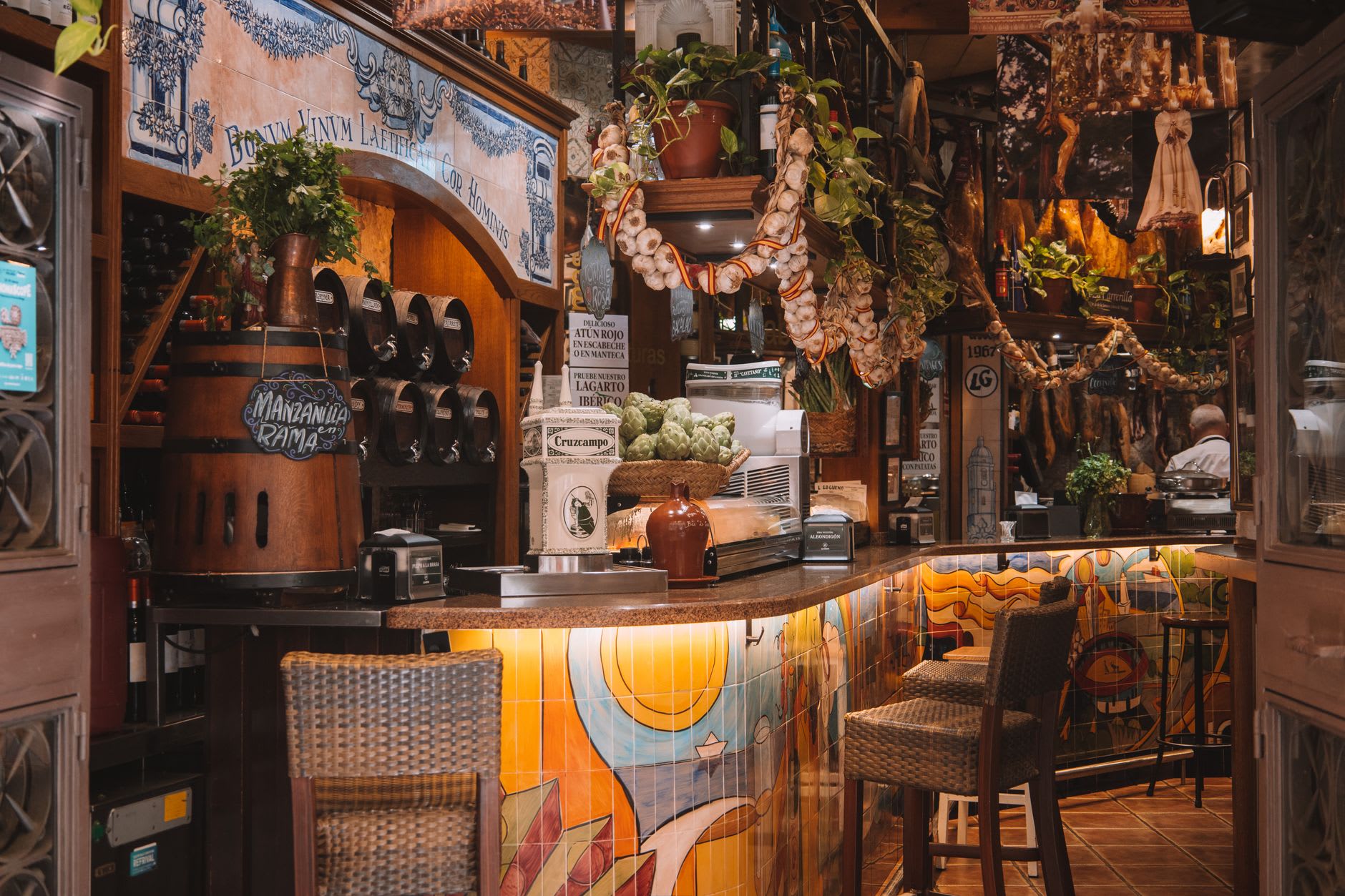
The old quarter is seven streets wide, which the locals call Las Siete Calles. In the evenings the bars along Calle del Perro and Calle Santa María lay out pintxos on zinc counters — anchovy-stuffed olives skewered with toothpicks, slices of jamón over crusty bread with a smear of idiazabal cheese, tiny glasses of txakoli poured from a height to give them a light carbonation. The ritual is to stand, eat one or two things at each place, move on. No sitting. No menus. No hesitation.
What surprised me was the bacalao. Salt cod prepared in the Basque way — pil-pil, with the gelatin from the fish itself emulsified into the olive oil into something between a sauce and a custard — showed up in every serious restaurant and tasted nothing like I expected salt-preserved fish to taste. I ate it three times in four days and understood, finally, why Basques talk about their cuisine the way the French talk about theirs.
The Nervión at Dusk
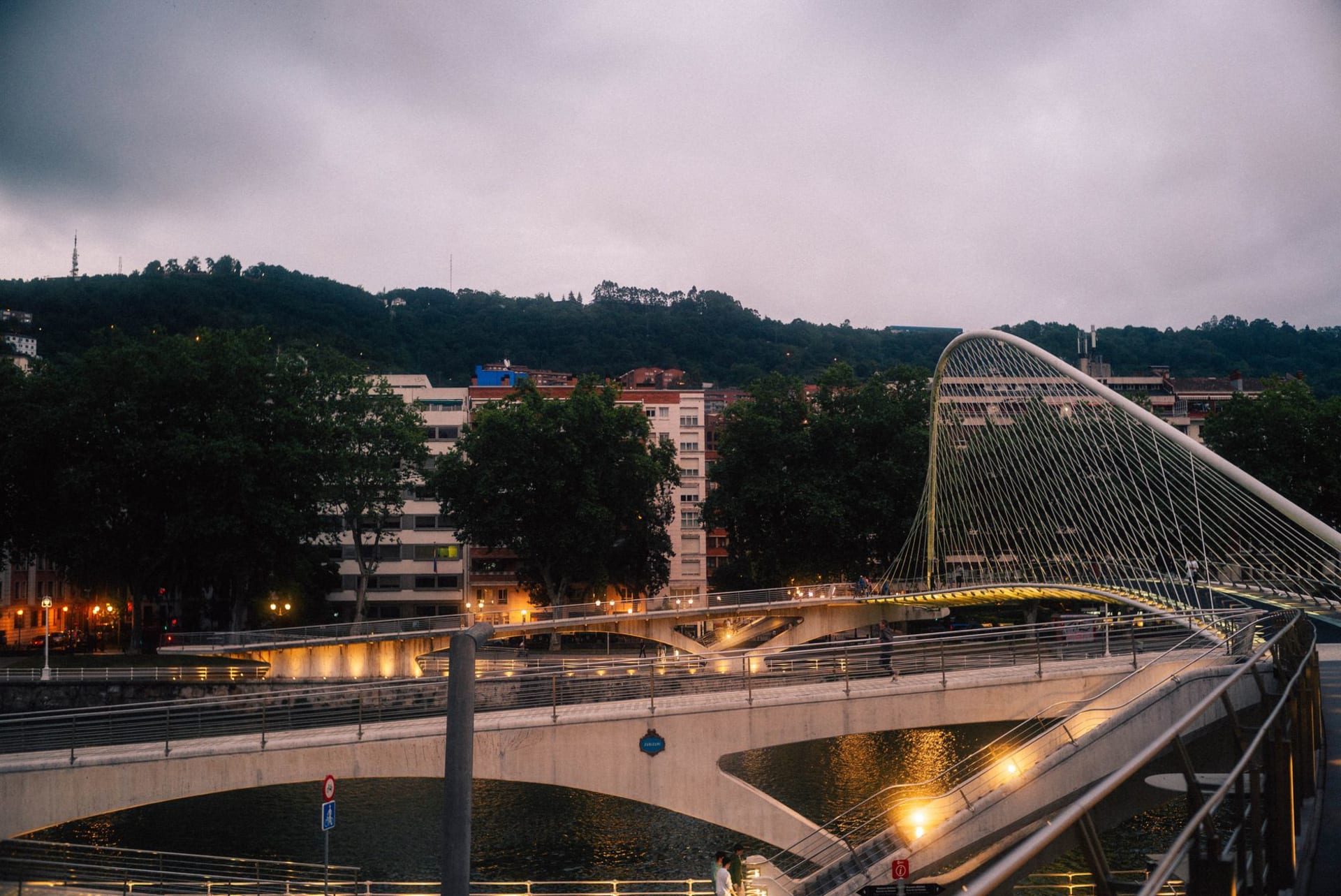
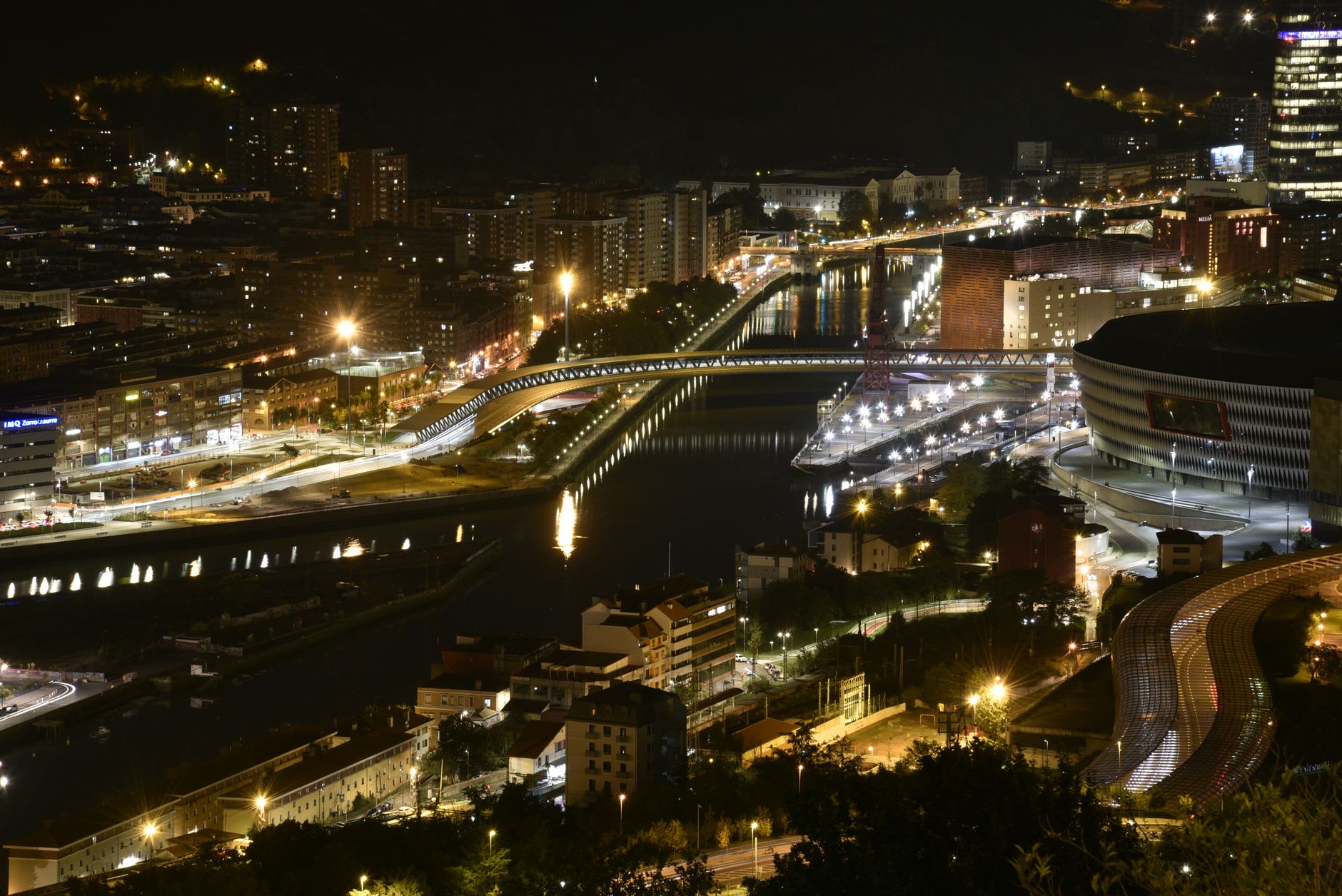
The river at the end of the day turns a particular pewter color that makes everything along its banks look like a film still. Lia sat on the steps near the Zubizuri bridge — another Santiago Calatrava white arc — while I watched the light change over the old iron Puente del Arenal. The city has kept its bones from the industrial era, the brick warehouses and the steep hills of Artxanda behind the skyline, and wrapped new things around them without apology.
When to go: May through October offers the mildest weather and the best light, though July and August fill the streets considerably. September hits the sweet spot — warm enough, thinner crowds, and the Aste Nagusia festival just behind you so hotel prices drop back to something reasonable.