Skull Island
"Some islands you visit. This one you're let onto, and only if the chief says yes."
A coral-cairn shrine in Vona Vona Lagoon where chiefs' skulls still rest, and a headhunting past nobody softens for you.
We came out of Munda at first light, the outboard flat and steady across Vona Vona Lagoon, and our guide Reuben spent most of the ride explaining that we weren’t just heading to a sightseeing stop — we were asking permission to step onto someone’s ancestors. He’d already arranged it the day before: a word with the landowning clan, a small fee, a nod. Without that, he said, you don’t land. I’d read about Skull Island before we left Mexico, but reading “headhunting shrine” in a guidebook and standing in front of a coral cairn stacked with actual skulls, some of them chiefs, some of them taken in raids two centuries ago, are two entirely different kinds of understanding.
The islet itself is almost nothing — you could walk its shoreline in five minutes. That smallness is what got me. This tiny knuckle of coral and root became, for generations of the Nusa Roviana chiefdom, the place where power itself was kept: not treasure, not weapons, but skulls, laid in careful rows inside low stone shrines under the trees. Reuben pointed out which ones belonged to chiefs and which had come from enemies in the raiding years, before the British administration moved in during the early 1900s and put an end to the practice along this coast. He didn’t dress it up as folklore. He said it plainly, the way you’d describe a family cemetery, because that’s essentially what it is.
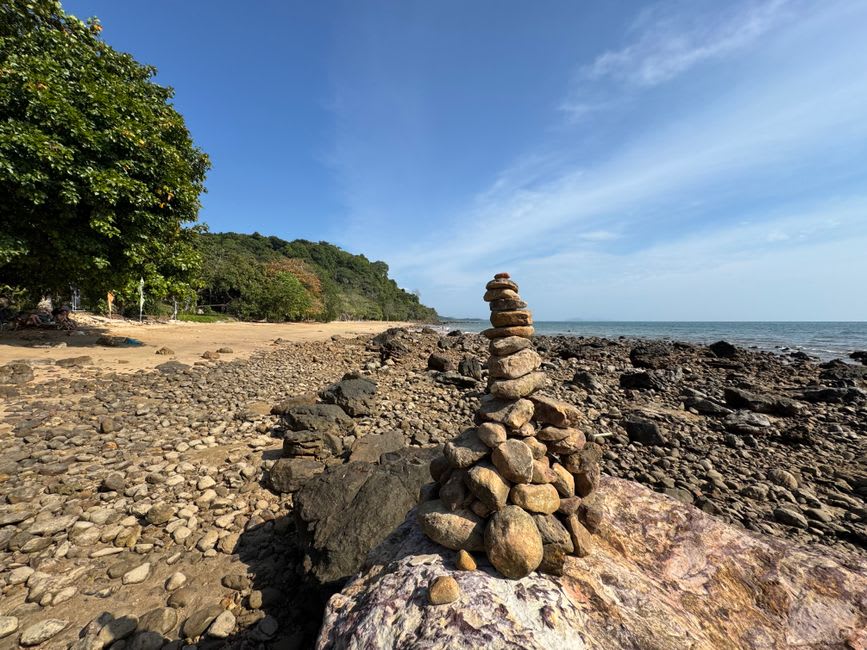
Lia stood back longer than I did before approaching the shrine — she said afterward it felt less like a tourist stop and more like walking into someone’s church uninvited, even with permission granted. I understood that. There’s no barrier, no glass case, nothing mediating the distance between you and the skulls except the fee you paid and the trust the clan extended by letting you come at all. We didn’t take photos of the skulls themselves up close; Reuben never told us not to, but it felt like a line worth drawing on our own.
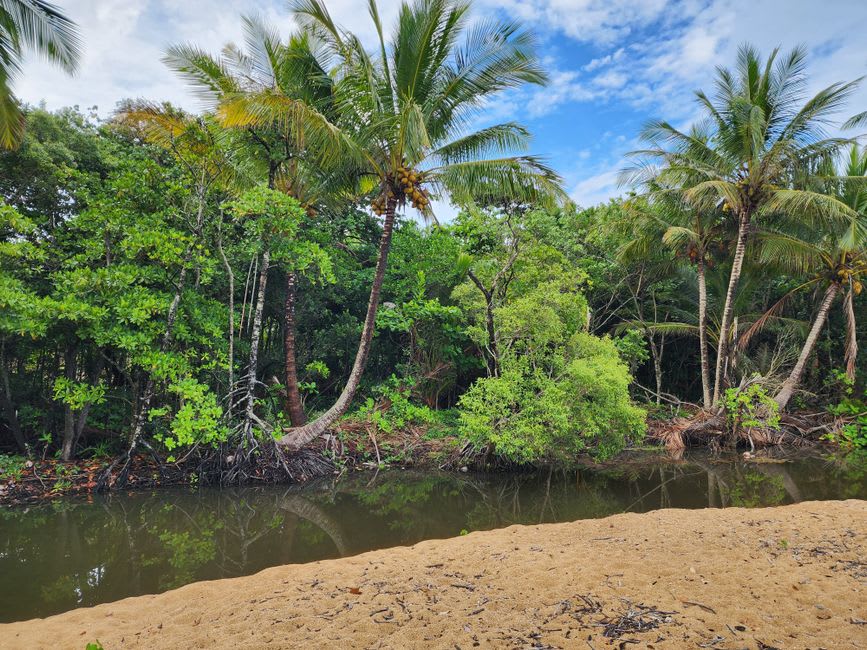
What stayed with me on the boat ride back wasn’t the shock of the skulls — I’d braced for that — it was how ordinary the lagoon looked around such a heavy place, kids paddling dugouts past mangrove roots a few hundred meters off, as if the sacred and the everyday had just learned to share water. Skull Island doesn’t ask you to gawk. It asks you to be quiet, pay what’s owed, and leave the way you came.
When to go: We went in the dry season, roughly May to October, when the lagoon crossing from Munda is calmest and boats run without the guesswork the wet months bring.
Keep exploring
More from Solomon Islands
 solomon-islands
 Tetepare Island
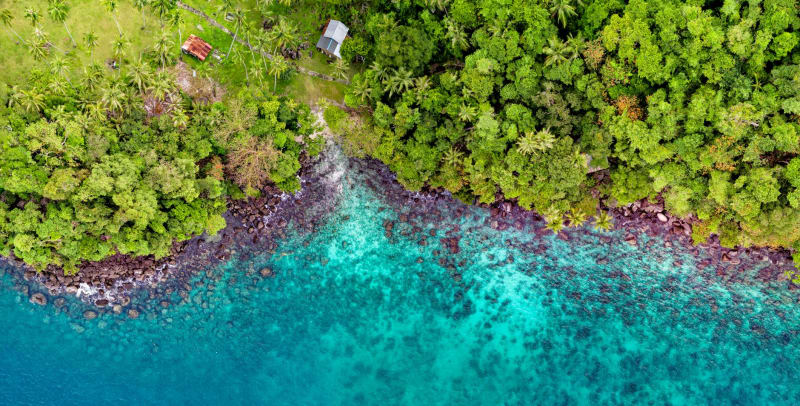
The largest uninhabited island in the South Pacific, abandoned by its people generations ago and now governed by their descendants as a community-run wildlife sanctuary.
Explore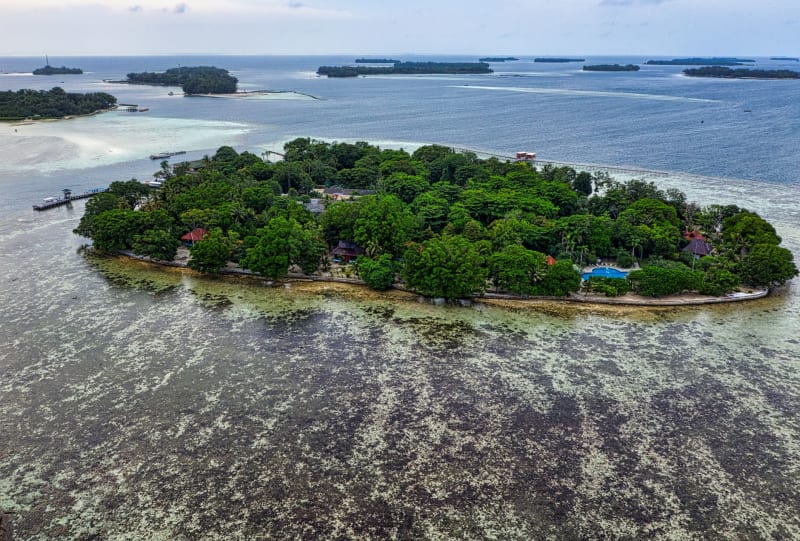 solomon-islands
 Tulagi
A tiny former colonial capital with a harbour full of WWII wrecks at snorkelling depth, where the whole of British Pacific administration once ran from an island you can walk across in fifteen minutes.
Explore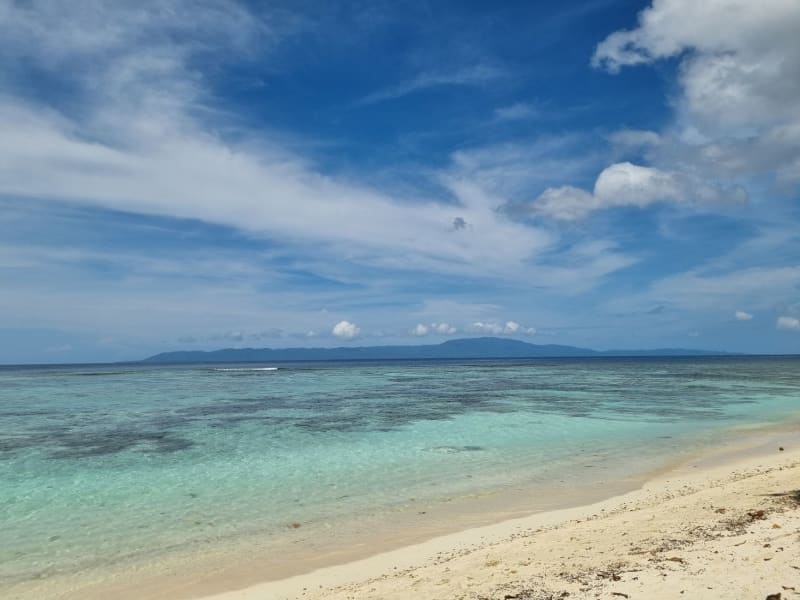 solomon-islands
 Gizo
A small Western Province town that punches well above its size as a dive hub, sitting in waters where an American torpedo boat and a Japanese destroyer share the same sandy bottom.
Explore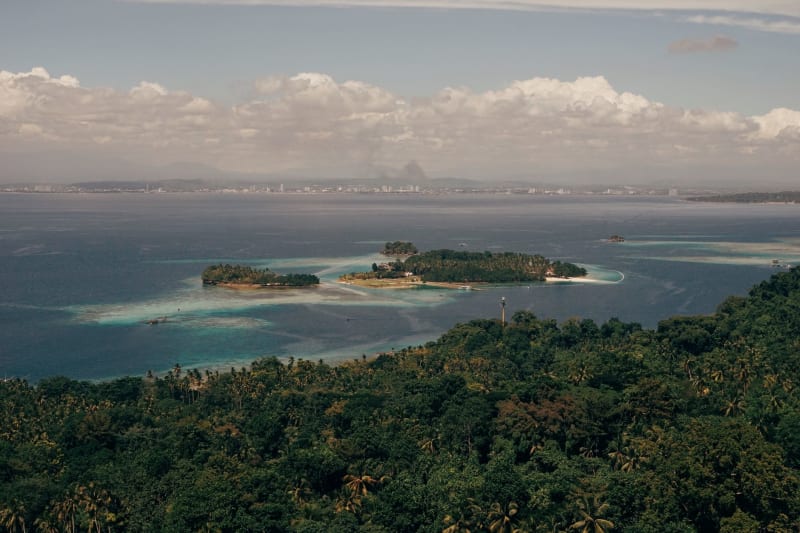 solomon-islands
 Guadalcanal Hinterland
The river valleys and mountain interior of the Solomons' largest island, where the Mataniko and Lungga rivers cut through jungle that once swallowed entire battalions and still keeps its secrets.
Explore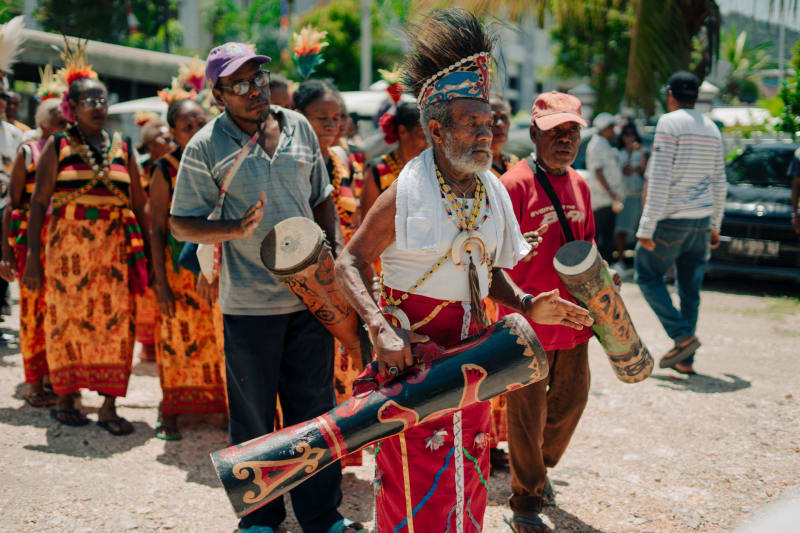 solomon-islands
 Honiara
A sweat-soaked capital where WWII ghosts share the waterfront with Chinese-run trading stores and the best fresh tuna I've eaten anywhere in the Pacific.
Explore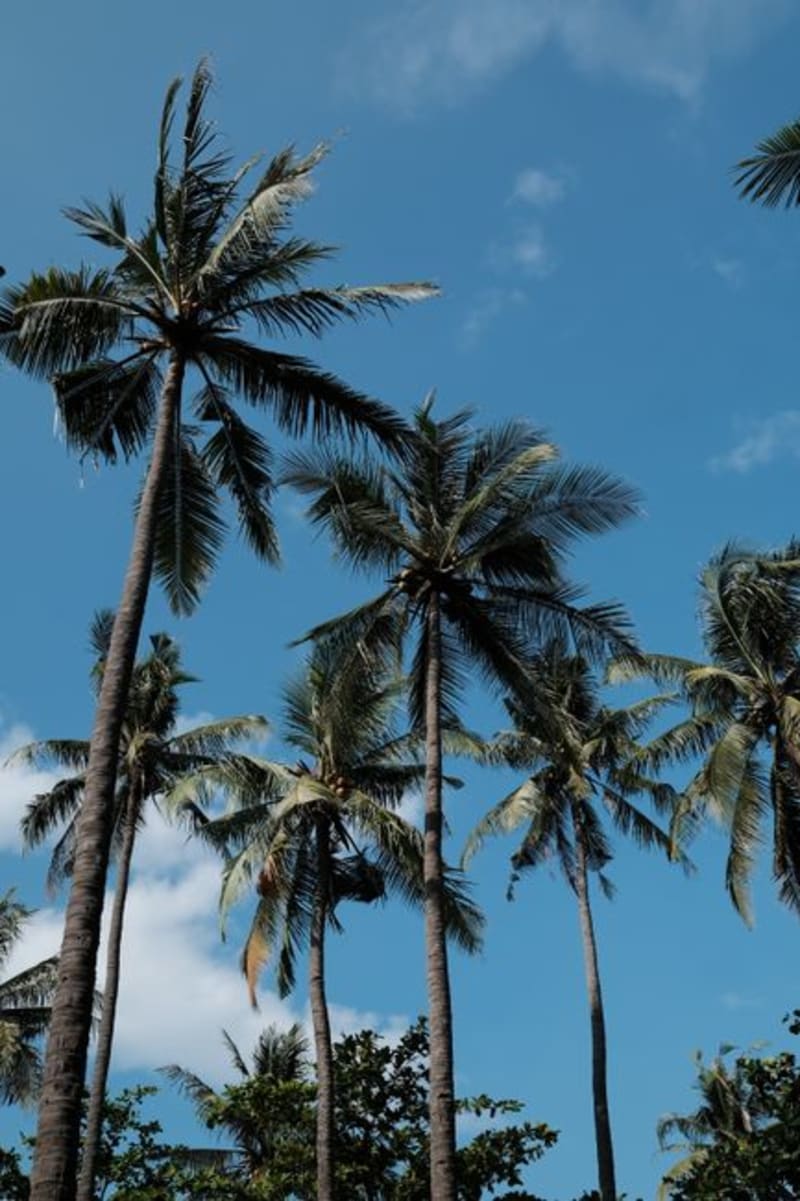 solomon-islands
 Kennedy Island
A fifteen-minute-round islet off Gizo where a shipwrecked lieutenant once swam ashore, now a quiet reef stop for an afternoon of snorkeling.
Explore