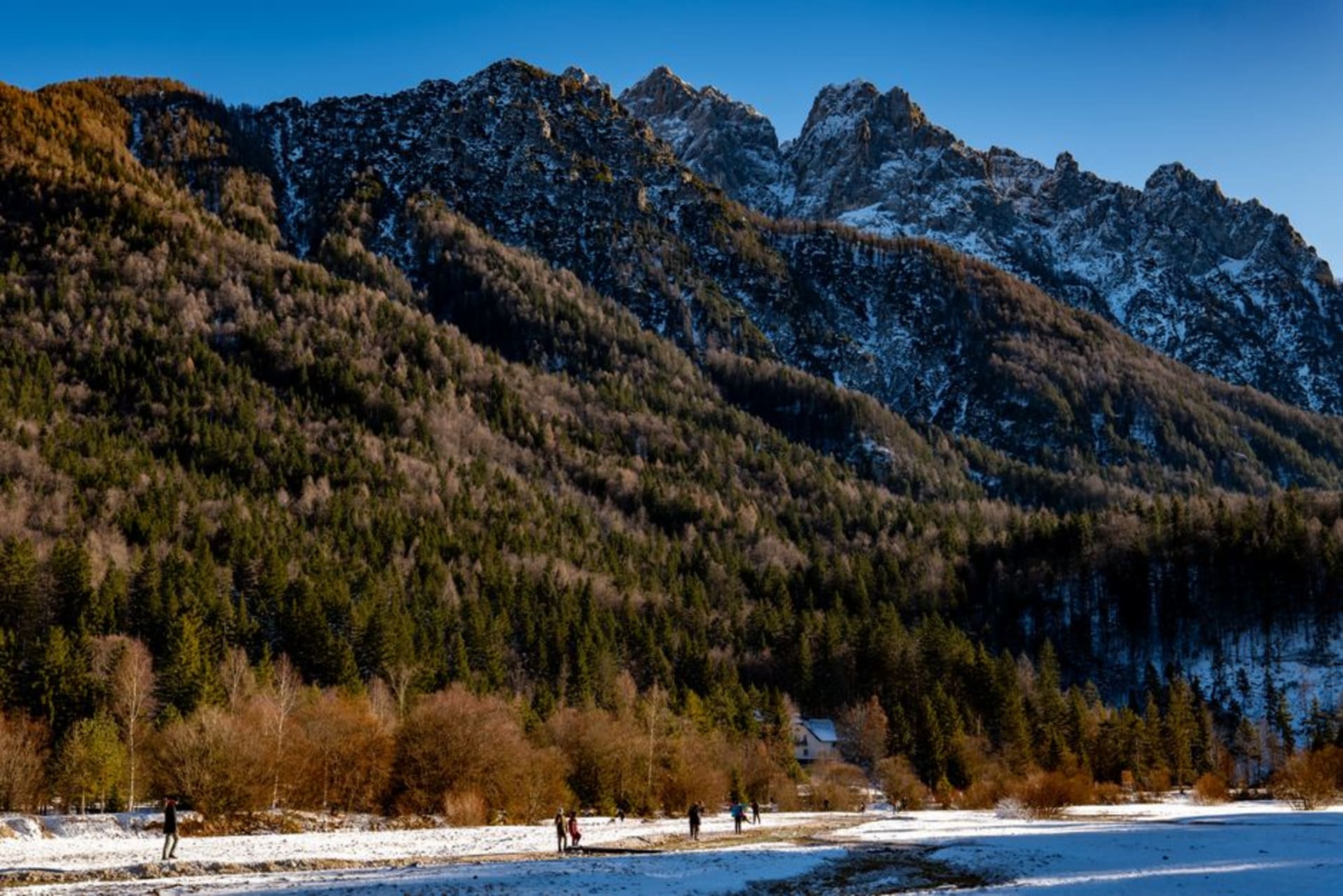
Žužemberk
"A castle rebuilt from its own rubble, standing guard over a river that never stopped moving while it waited."
A ruined medieval fortress rebuilt after wartime destruction stands guard over the Krka River in southern Dolenjska, one of the region's most photogenic and least-crowded castle ruins.
Žužemberk Castle sits above a bend in the Krka in southern Dolenjska, and its current state — impressively reconstructed towers rising from what was, within living memory, mostly rubble — tells a more recent and more sobering story than most Slovenian castles carry. The original medieval fortress, one of the largest in the country, was severely damaged during the Second World War and left in ruins for decades afterward. What stands today is the product of a careful, ongoing reconstruction effort, and walking through it, that layered history — medieval origin, wartime devastation, patient modern rebuilding — is legible in the stonework itself, old and new sitting visibly side by side.
Standing Guard Over the River
The castle occupies a narrow spur of rock directly above the Krka, positioned with the same defensive logic as most river fortresses in the region — command the crossing, control the valley. The river below moves through a shallow gorge here, greener and rockier than its wide, slow character further downstream at Otočec, and the combination of the reconstructed towers against the water below makes for one of the more striking single views in Dolenjska. I arrived in the early evening when the light was warm and low, hitting the pale reconstructed stone directly, and had the entire courtyard to myself for the better part of an hour.
Walking the Restored Walls
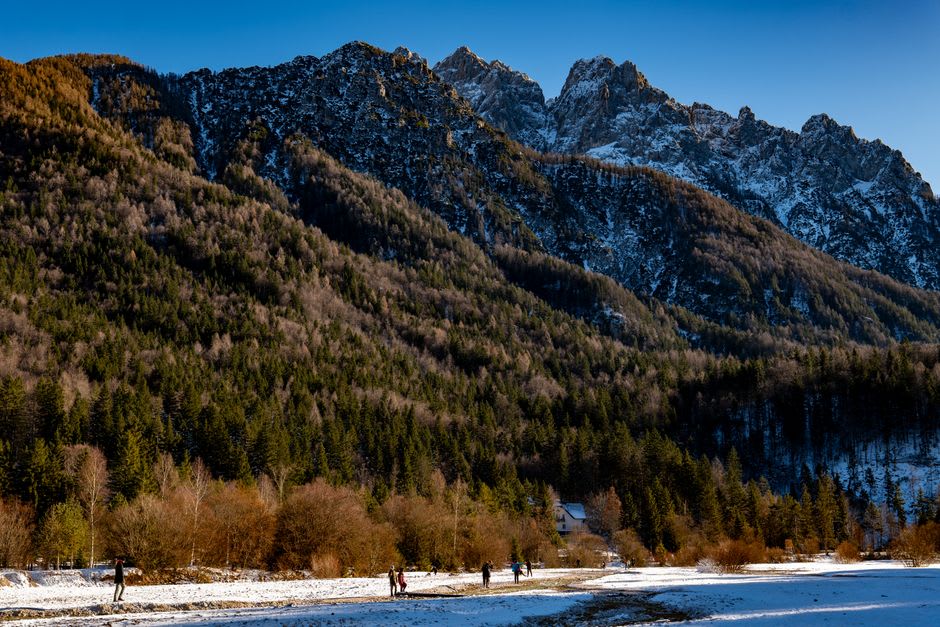
Inside, the reconstruction has been done with enough restraint that the castle doesn’t feel like a replica — exposed stone, minimal signage, walkways that let you trace the full perimeter of the walls and towers with views down into the gorge from multiple angles. A small exhibition inside one of the towers documents the castle’s destruction and the decades-long rebuilding process with photographs that make the current state feel considerably more impressive once you’ve seen what it looked like in the 1980s.
The Town Below

The village of Žužemberk below the castle is small and unpretentious, a handful of streets running down toward the river, a bridge crossing to the opposite bank, and little in the way of tourist infrastructure beyond a couple of restaurants. That absence of polish felt appropriate — this is a place shaped by real historical damage and real, patient repair, not a manicured heritage site, and the town’s modesty matches the castle’s honest, visible scars.
When to go: Late afternoon light is best for photographing the reconstructed towers against the gorge. Spring and autumn offer the most comfortable walking weather. Pair with Kostanjevica na Krki or Novo Mesto for a fuller day exploring the Krka valley’s castles and river towns.