A clifftop ruin on the edge of the Karst plateau with a view over the Gulf of Trieste that stretches into three countries, and a cave beneath it once mistaken for the entrance to the underworld.
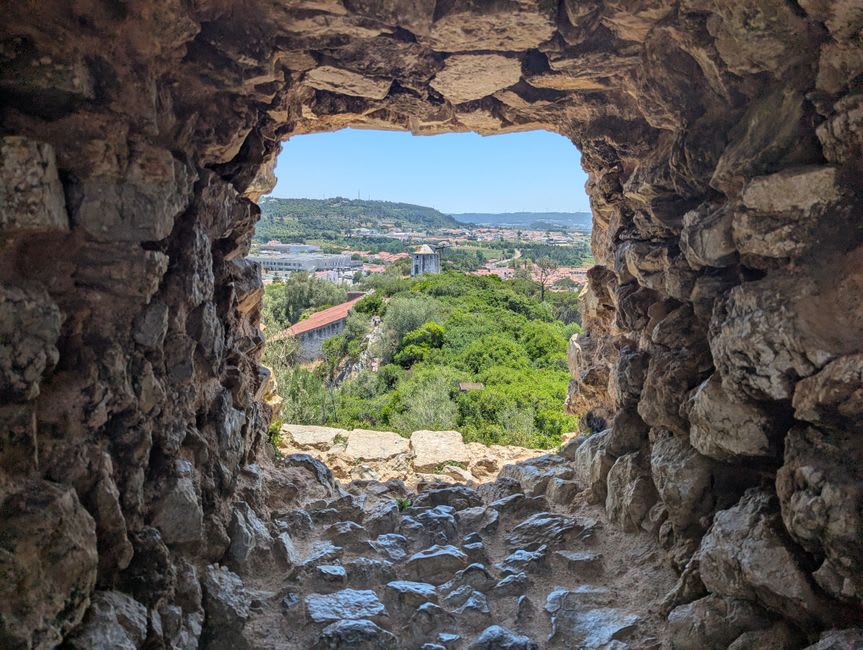
Socerb Castle sits on the edge of the Karst plateau precisely where the limestone drops away into the Gulf of Trieste, and the view from its ruined walls is the kind that makes you understand, immediately and without needing a map, why someone built a fortress here a thousand years ago. Italy is visible to the west. The Adriatic curves south toward Croatia. Trieste itself sits directly below, close enough that on a clear evening you can watch its streetlights come on before you can hear anything from that far up.
A Ruin, Deliberately
Unlike Predjama or Bled, Socerb was never restored into a polished tourist attraction, and that’s most of its appeal. The walls are partial, the interior open to the sky in most places, weeds growing between stones that have been falling for centuries since a lightning strike and fire gutted the castle in the 17th century. You walk through what’s left with almost no barriers or interpretive signage, which makes it feel less like a museum exhibit and more like something you’ve personally stumbled onto, even though plenty of people know about it.
The Cave Below
Beneath the castle cliff is Mahorčičeva jama, a cave the Romans associated with the entrance to the underworld — a reasonable guess for a dark opening in the rock that a river occasionally surges out of with unexplained force, part of the same disappearing-and-reappearing karst hydrology that runs through this whole region. The cave isn’t developed for tourism the way Postojna or Škocjan are; access is limited and mostly the domain of caving groups, but the entrance itself is visible from a lower path, a dark mouth in the cliff face that made the Roman association feel less superstitious and more like reasonable pattern-matching.
Sunset From the Wall
We arrived late in the day on purpose, and it’s the only correct way to do it. The stone holds the day’s heat, there’s usually nobody else there once the day-trippers from Trieste have cycled through, and the light over the gulf turns everything — the castle stone, the distant water, the scrubby karst vegetation — the same warm gold for about twenty minutes before it’s gone.
When to go: Late afternoon into sunset, any season with clear weather; spring and autumn give the best combination of visibility and comfortable temperatures for the exposed clifftop walk.
Keep exploring
More from Slovenia
 slovenia
 Solčava
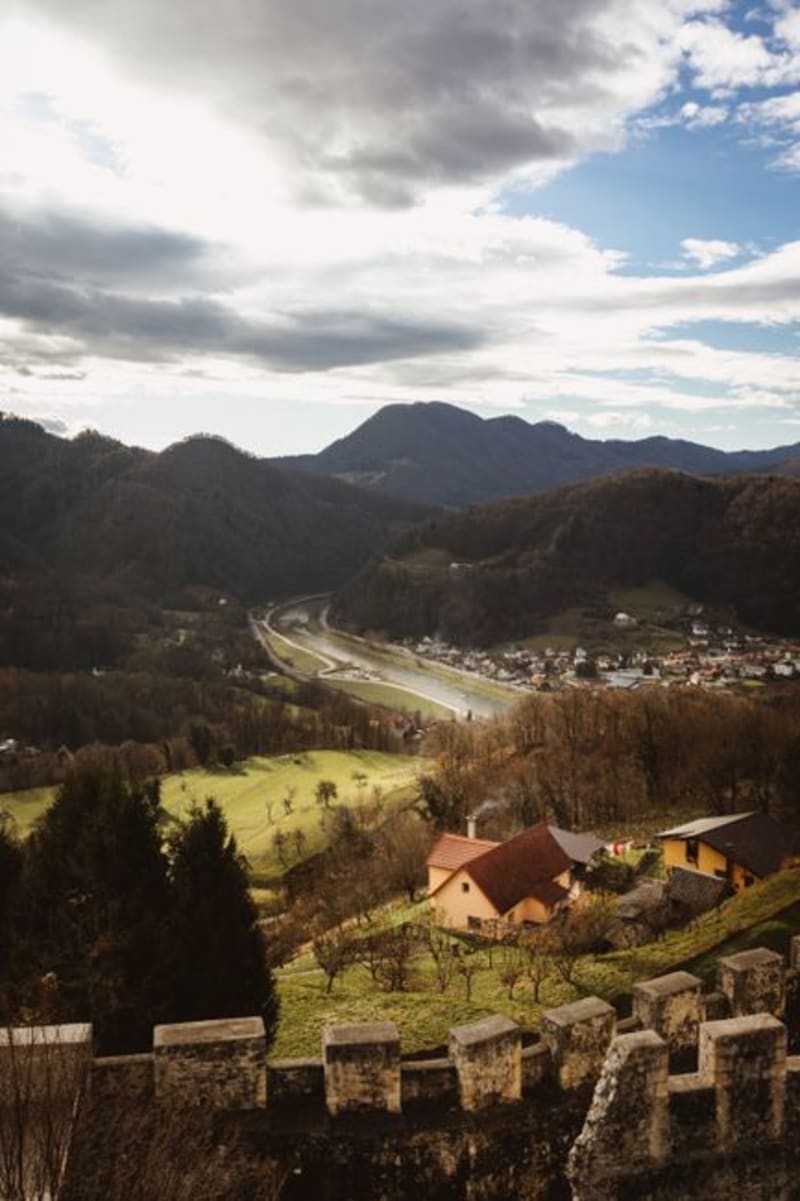
A tiny village at the head of the Upper Savinja Valley, the last settlement before the mountains take over completely, and the starting point of one of the most spectacular panoramic drives in the Alps.
Explore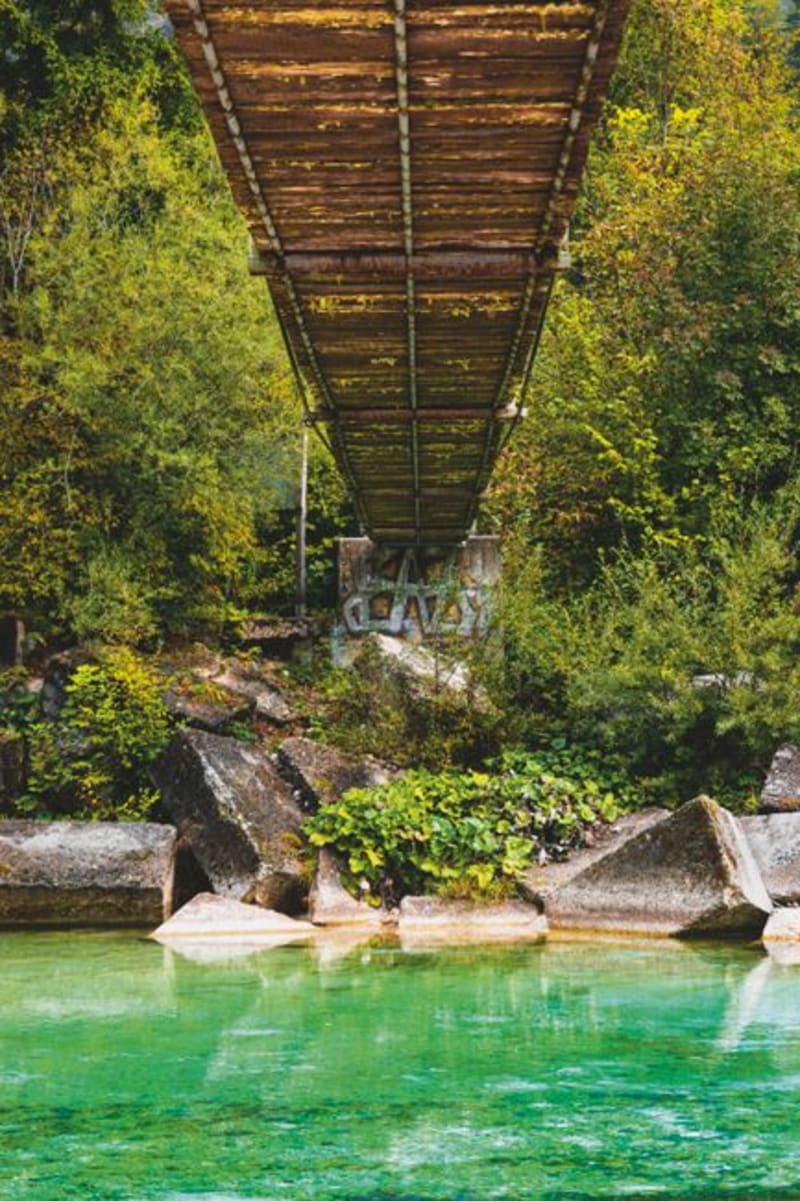 slovenia
 Solkan Bridge
The largest stone railway arch bridge in the world, spanning the Soča near Nova Gorica in a single elegant span that has carried trains across the river since 1906.
Explore slovenia
 Štanjel
A karst hill village so tightly stacked in pale stone that it looks fused to the rock beneath it, with a modernist garden by architect Max Fabiani tucked improbably into its medieval core.
Explore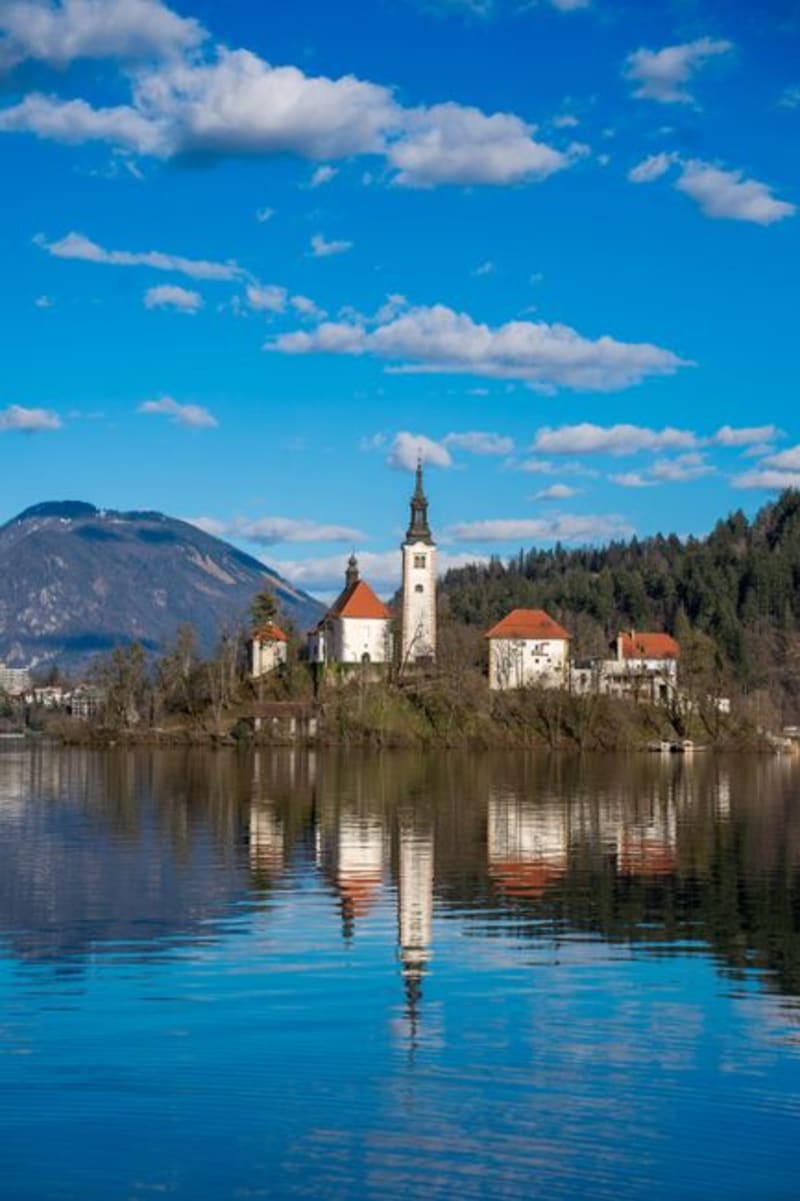 slovenia
 Straža Bled
A modest hill on the edge of town with a summer toboggan run, a treetop walkway, and a view of the lake that requires none of Ojstrica's scramble to reach.
Explore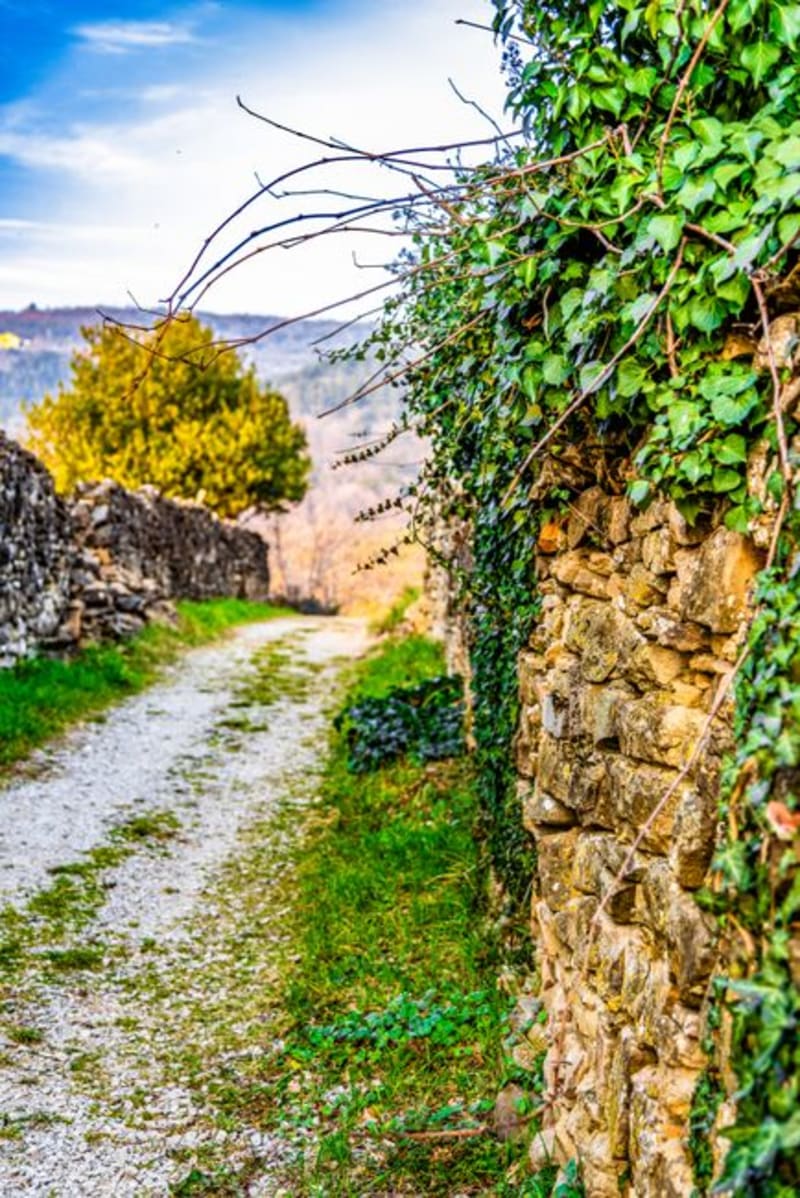 slovenia
 Strunjan Nature Reserve
The only sea cliffs on the entire Slovenian coast, plus a lagoon of abandoned salt pans and a beach that somehow stays half-empty even in August.
Explore slovenia
 Studor
A tiny farming village in the Bohinj valley where centuries-old double hayracks still stand in working fields, unbothered by the tourism happening a few kilometers downhill.
Explore