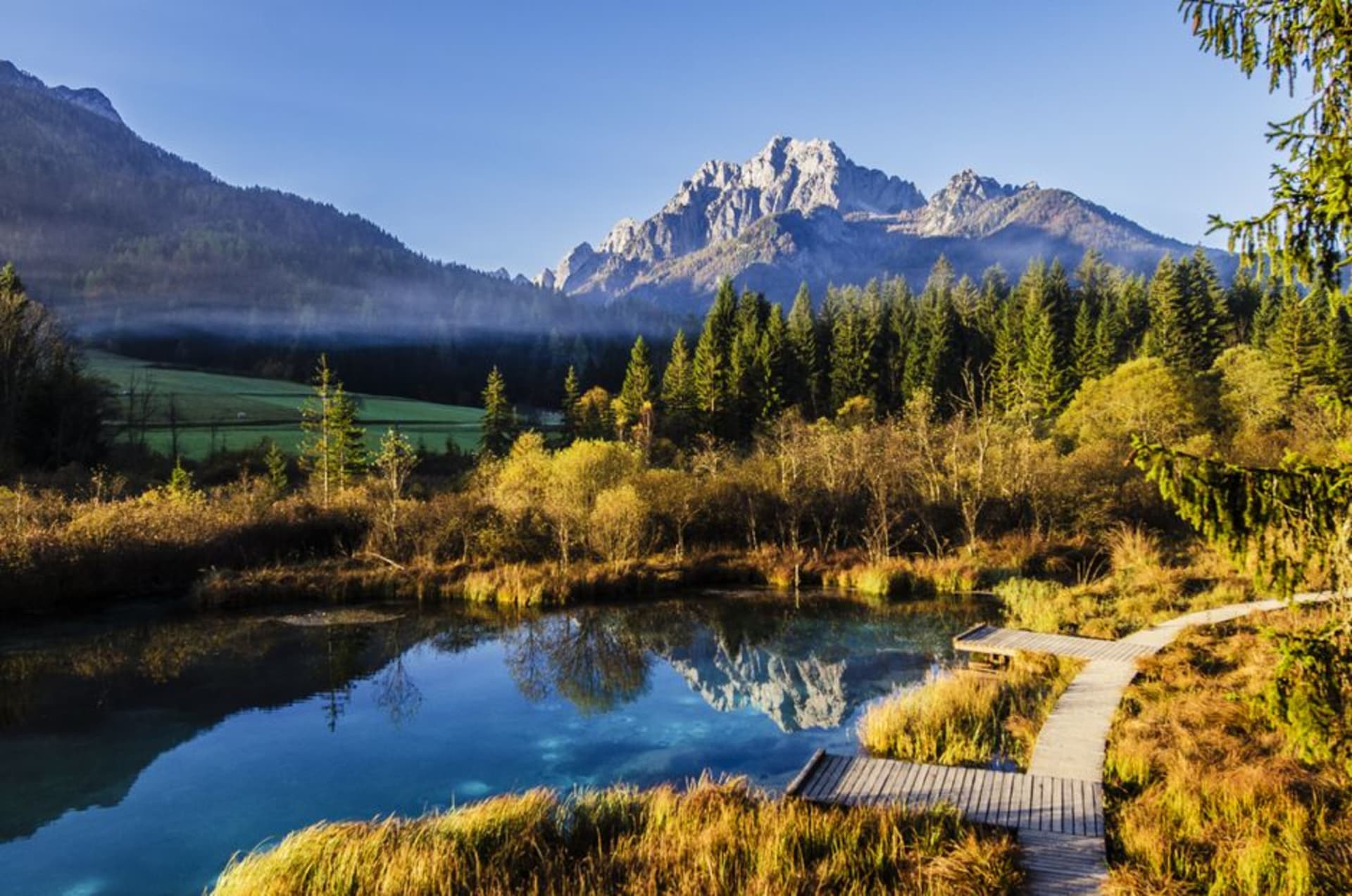
Škocjanski Zatok Nature Reserve
"A nature reserve squeezed between a highway and a container port, thriving anyway."
A reclaimed lagoon wedged between Koper's port cranes and its highway ramps — improbably, one of the best birdwatching sites on the entire Adriatic.
I will admit the location did not inspire confidence. Škocjanski Zatok sits directly beside Koper’s port infrastructure, hemmed in by a highway overpass on one side and freight rail on the other — the kind of site that, on paper, sounds like an afterthought of urban planning rather than a nature reserve. Lia found it while researching birdwatching spots near Koper and had to talk me into detouring there on our way out of the city. I’m glad she did.
The Lagoon That Refused to Disappear
Škocjanski Zatok is what remains of a much larger lagoon that once stretched across this part of the coast before land reclamation and port expansion shrank it dramatically through the 20th century. By the 1990s it had been reduced to a fraction of its original size and was slated for further development. A conservation effort — one of Slovenia’s genuine environmental success stories — reversed that, restoring reedbeds, mudflats, and salt marsh that now support well over two hundred bird species across the year.
An Hour That Turned Into Three
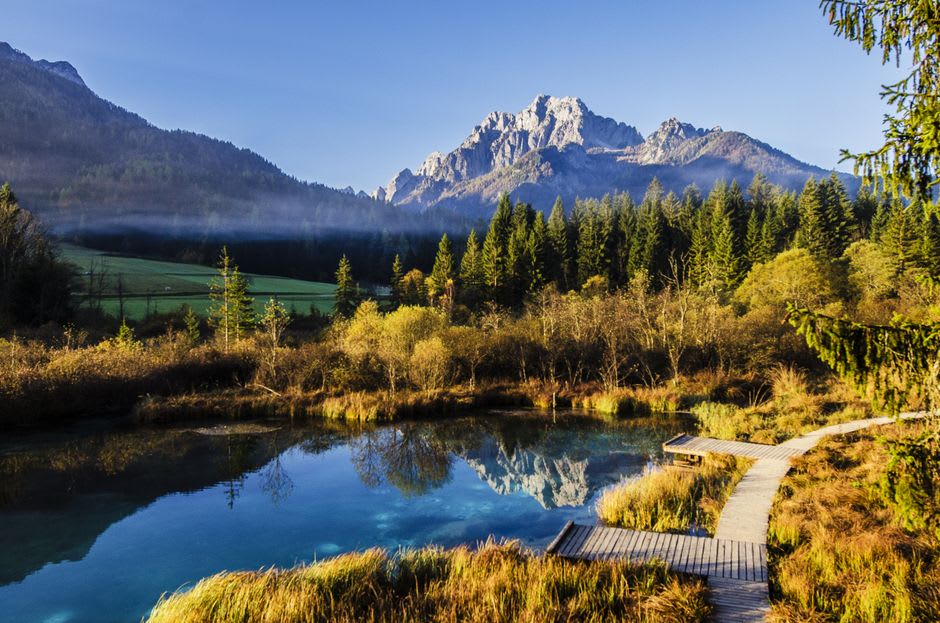
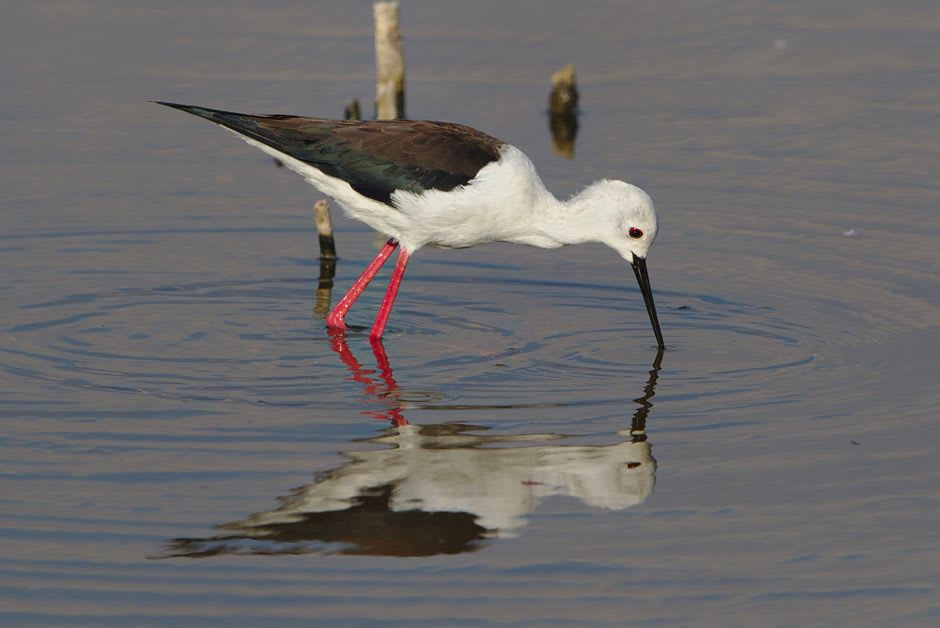
We’d planned a quick thirty-minute loop from the visitor center and ended up staying most of the morning. A wooden boardwalk and a couple of hides let you get close to the water without disturbing anything, and even in the muggy heat of late June we watched herons, egrets, and a pair of black-winged stilts working the shallows with a patience I don’t have for much of anything. The port cranes are visible over the reeds the entire time, which I found strangely fitting rather than distracting — proof that this pocket of wetland survived precisely because people decided it mattered enough to defend, even next to a working industrial harbor.
Practicalities
The visitor center rents binoculars if, like me on our first coastal trip, you didn’t think to bring your own. Entry is free, and the whole loop is flat and easy, suitable for almost anyone.
When to go: Spring and autumn migration seasons bring the greatest diversity of species, but the reserve rewards a visit any time of year. Early morning is best, both for bird activity and for beating the heat that builds quickly in the open marsh.