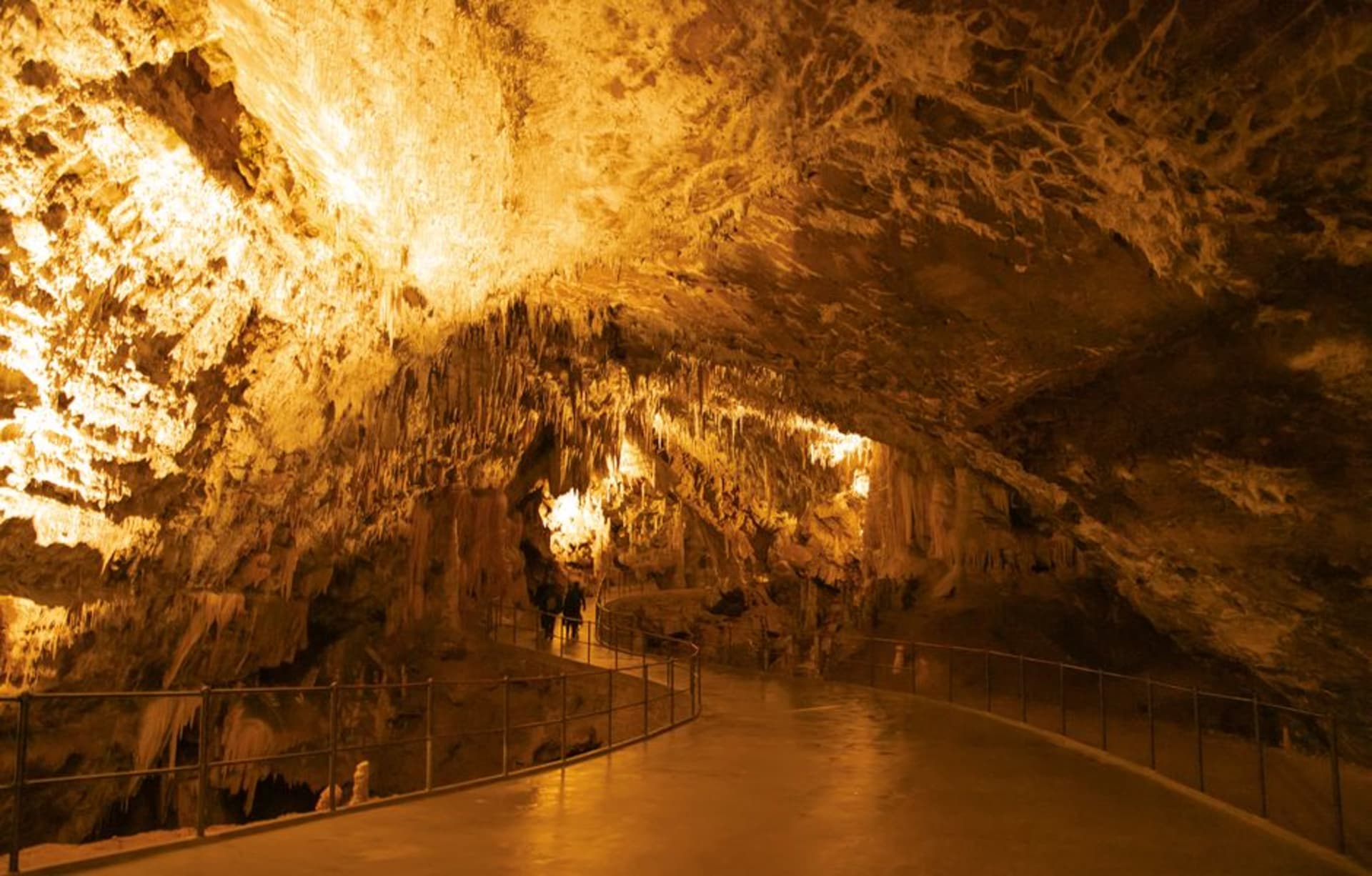
A UNESCO-listed canyon of a cave so vast that the footbridge across its underground gorge feels like crossing into a different planet — the Reka River disappears here and doesn't resurface for thirty kilometers.
Everyone who has done both tells you the same thing in the same slightly conspiratorial tone: Postojna is the one with the train and the gift shop, but Škocjan is the one that actually rearranges your sense of what a cave can be. I didn’t believe it until I stood on the Cerkvenik Bridge, forty-five meters above the Reka River as it thundered through the bottom of an underground canyon, and felt something close to vertigo in a place where there was, technically, a roof over my head.
Where a River Vanishes
The Reka is a proper surface river until it reaches the village of Škocjan, where it drops into a limestone sinkhole and simply stops being a surface river. It travels underground for the better part of thirty kilometers, through this cave system and beyond, before it re-emerges near the Italian border as the Timavo. Standing at the point where it disappears, watching the water fold into darkness with a violence I hadn’t expected from something so clear, I understood why the ancient Greeks and Romans both wrote about this place — Poseidon’s Cave, they called an associated site nearby, unwilling to accept that a river could just vanish without a god behind it.
The Dead Canyon and the Silent Cave
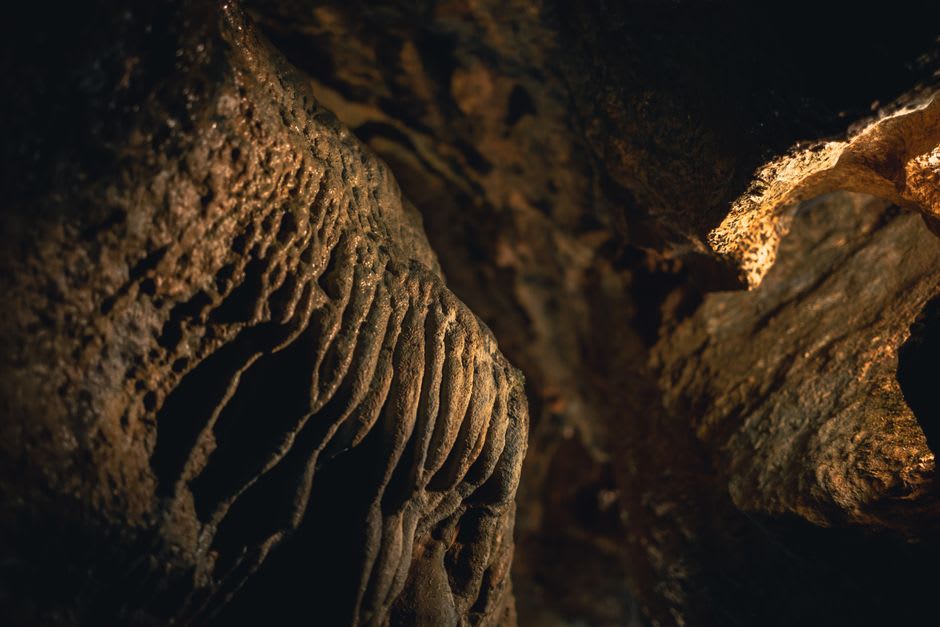
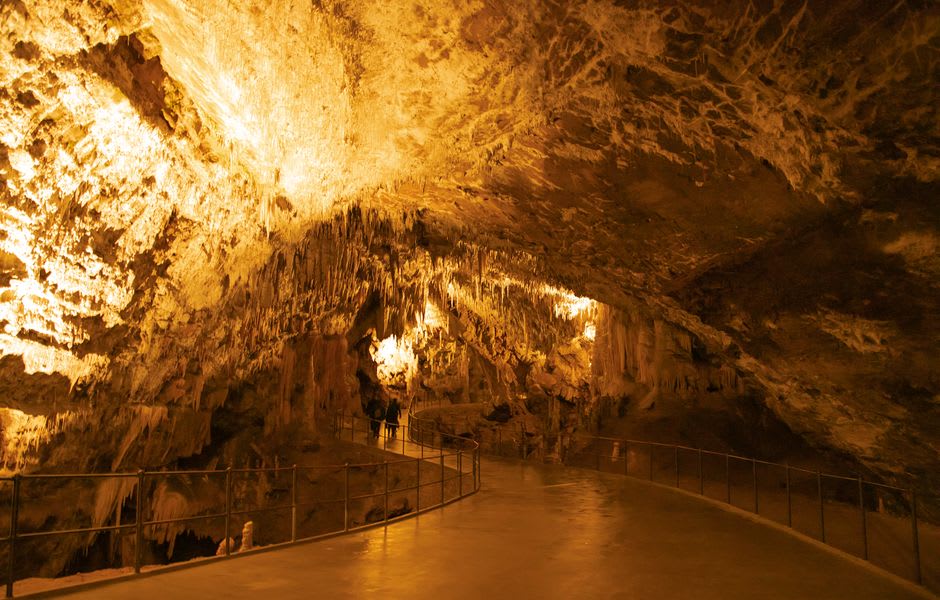
The tour splits the system into sections with names that tell you what to expect before you arrive: the Silent Cave, all still air and slow-grown formations, chandeliers of calcite that took longer to form than most human civilizations have existed; and the Murmuring Cave, where you finally hear the river before you see it, a sound that builds from a whisper to something closer to a freight train as the passage opens into Europe’s largest known underground canyon. The chamber is over 100 meters tall in places. Headlamps and floodlights together barely reach the ceiling.
Lia, who does not love enclosed spaces, told me afterward that Škocjan didn’t feel enclosed at all — it felt like being outside at night in a canyon that happened to have stone overhead. That’s the paradox of the place. It’s cave-sized in a way that stops registering as cave.
Above Ground, Briefly
The walk back up from the exit passes through the Grand Doline, a collapsed sinkhole so large it has its own microclimate — Mediterranean plants growing on the sun-warmed south wall, alpine species holding on in the cold shadow of the north wall, a few hundred meters apart. It’s a small, vivid lesson in how much difference exposure makes, and it’s the kind of detail you only notice because the guides here clearly love the place and want you to notice it too.
When to go: April through October for the full outdoor route combined with the cave tour; the cave itself is a fixed 12°C year-round so any season works underground. Book ahead in July and August — unlike Postojna, group sizes here are capped and tours do sell out.
Keep exploring
More from Slovenia
 slovenia
 Škocjanski Zatok Nature Reserve
A reclaimed lagoon wedged between Koper's port cranes and its highway ramps — improbably, one of the best birdwatching sites on the entire Adriatic.
Explore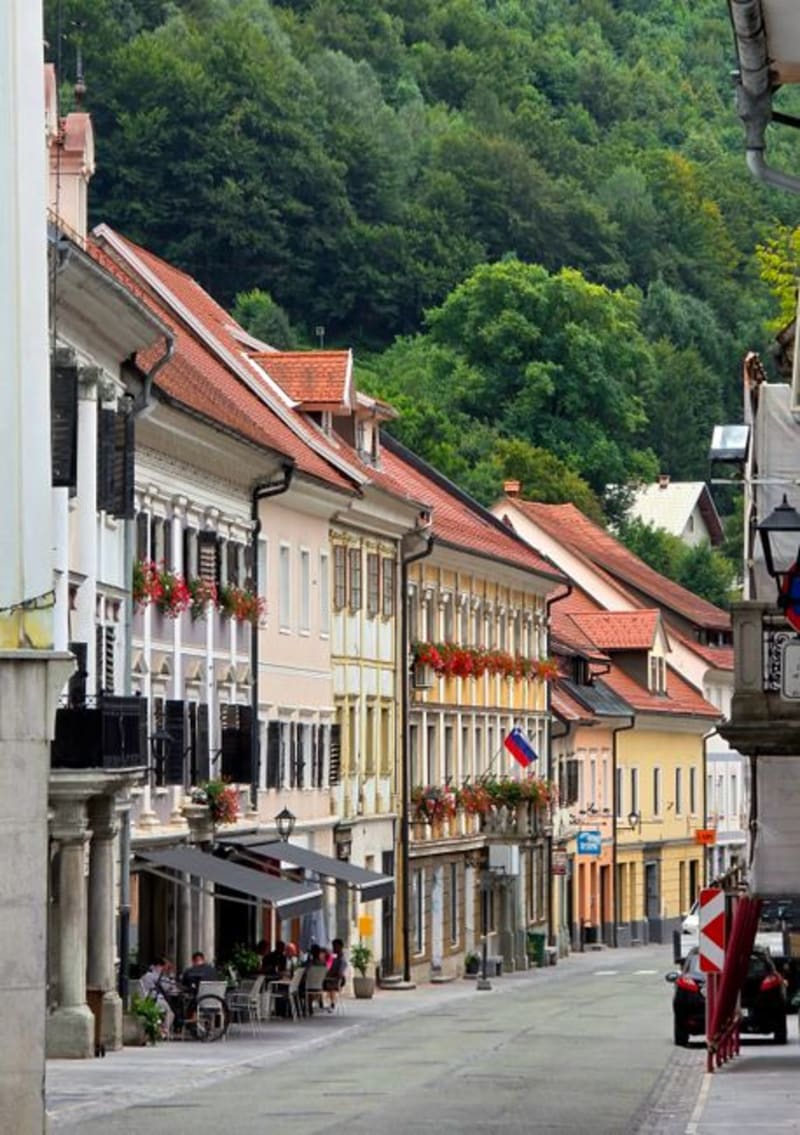 slovenia
 Škofja Loka
A medieval town at the confluence of two rivers, twenty minutes from Ljubljana, where a stone bridge, a hilltop castle, and a Baroque town square somehow avoid every tour bus in Slovenia.
Explore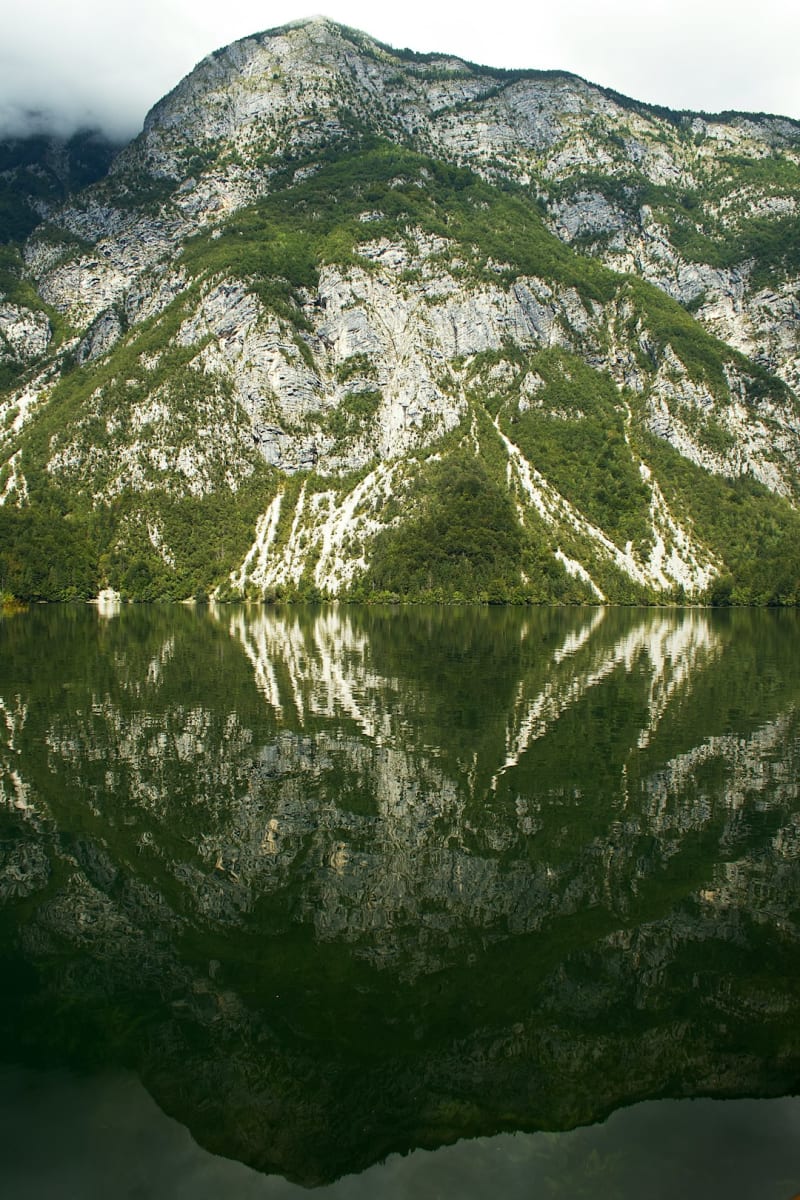 slovenia
 Slovenske Konjice
A small wine town under the Pohorje foothills, home to Slovenia's oldest working winery and the haunting ruins of a Carthusian monastery in the hills above.
Explore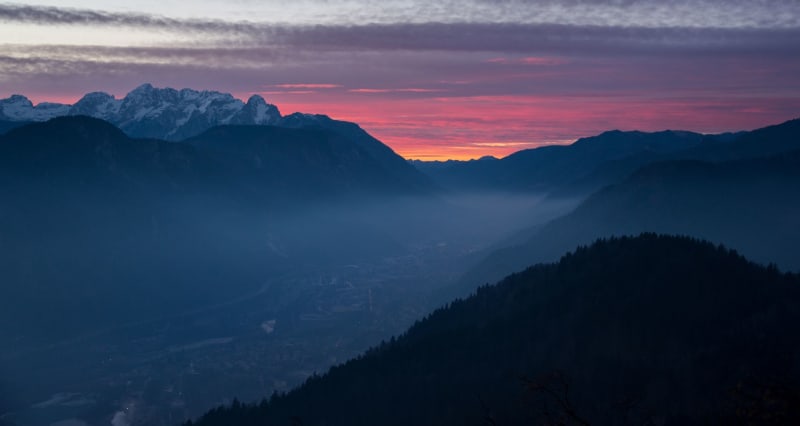 slovenia
 Soča Valley
A glacially carved corridor in the Julian Alps where the river runs an impossible shade of jade and every bend in the road carries the weight of a forgotten war.
Explore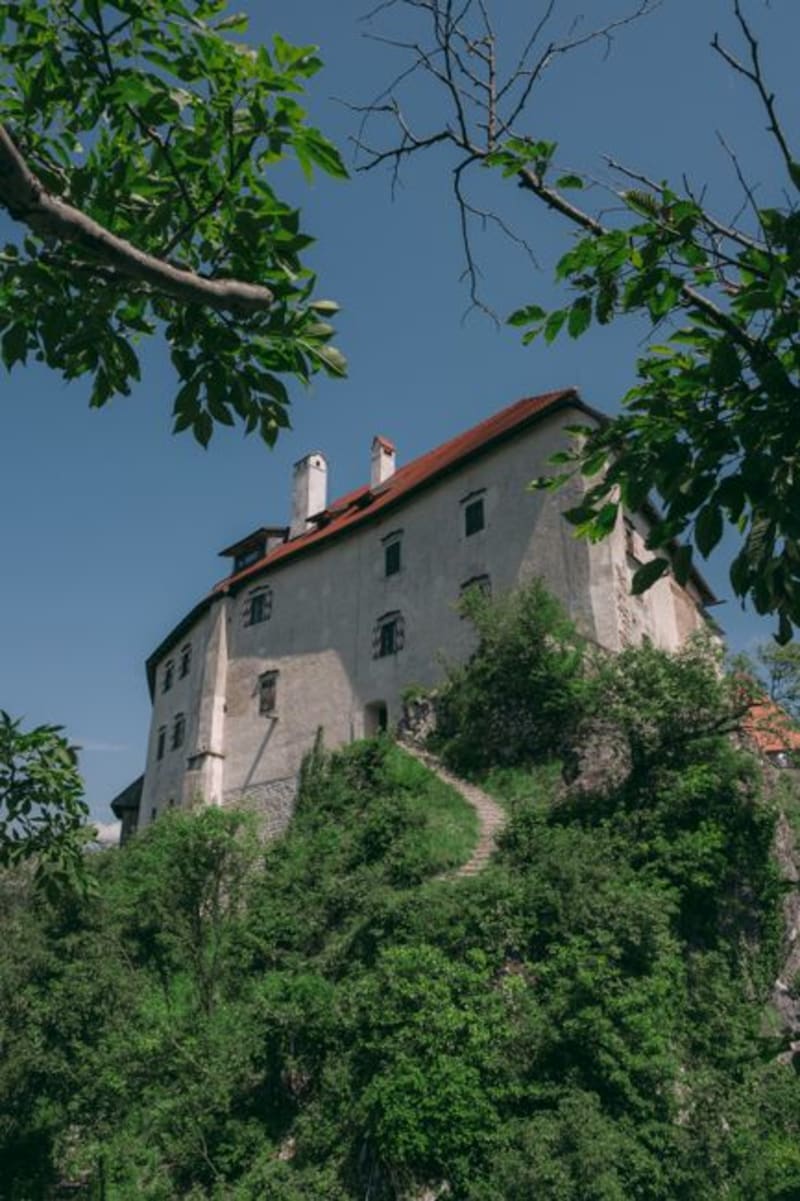 slovenia
 Socerb Castle
A clifftop ruin on the edge of the Karst plateau with a view over the Gulf of Trieste that stretches into three countries, and a cave beneath it once mistaken for the entrance to the underworld.
Explore slovenia
 Solčava
A tiny village at the head of the Upper Savinja Valley, the last settlement before the mountains take over completely, and the starting point of one of the most spectacular panoramic drives in the Alps.
Explore