Rogatec
"This is what the whole region looked like before concrete arrived, and almost nowhere else kept it."
A tiny border town where an open-air museum of thatched farmhouses preserves a version of rural Štajerska that's almost entirely vanished elsewhere.
Rogatec is barely a town — a few thousand people, a border crossing to Croatia a couple of kilometers away, and one genuinely remarkable thing that most visitors to Slovenia will never hear about. We nearly didn’t stop either, except that a waiter in Rogaška Slatina, overhearing us talk about old buildings, told us we’d regret skipping it.
Farmhouses Frozen in Time
The Rogatec open-air ethnographic museum preserves a small cluster of original farm buildings — thatched roofs, timber frames blackened with age, smoke-cured kitchens with no chimney at all, just a hole in the roof for the smoke to find its own way out. These aren’t reconstructions bussed in from elsewhere; they’re the actual buildings, restored in place, representative of how rural households here lived into the early 20th century.
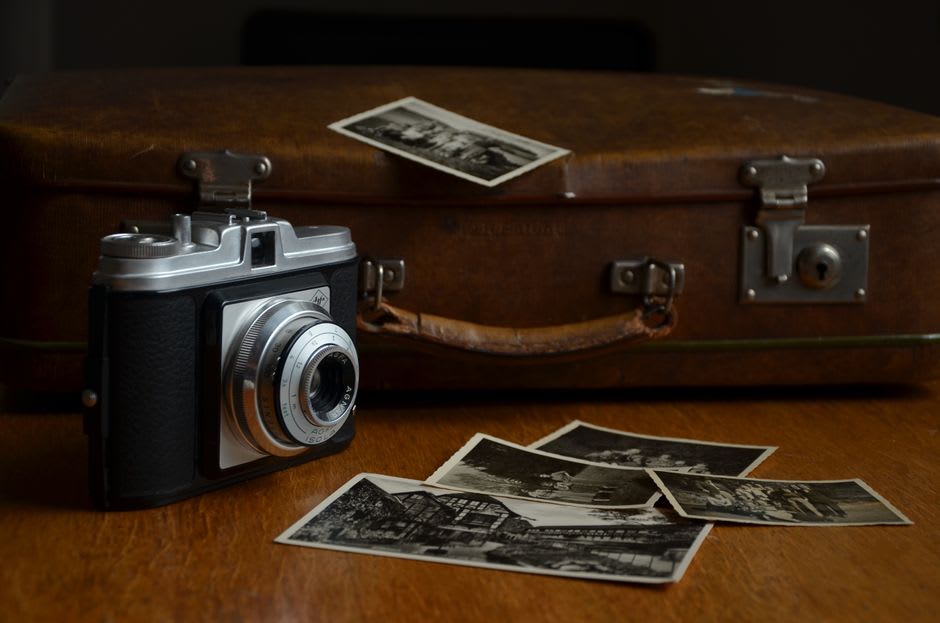
We walked through a farmhouse kitchen with soot-darkened beams overhead, a caretaker explaining in careful English how a family of eight or more would have lived, cooked, and slept in these two or three rooms, animals sharing space under the same roof in winter for warmth. It was humbling in a way that polished museums rarely manage — this wasn’t curated poverty, just an honest record of how recently this way of life actually existed.
The Town Itself
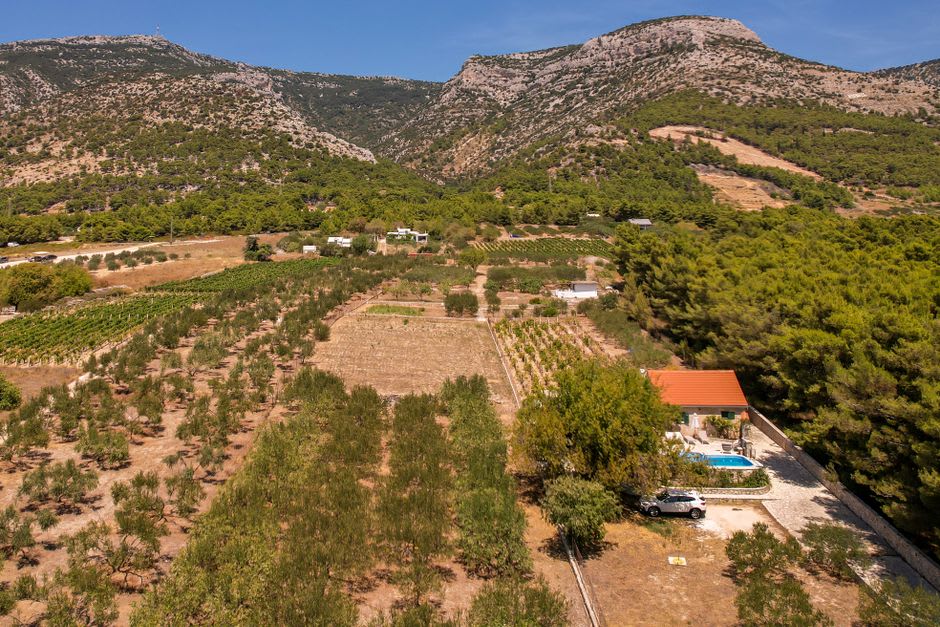
Above the museum, Rogatec’s own hilltop offers the ruins of a small castle and a view over orchards and gentle vineyard slopes that blur seamlessly into Croatia just beyond. The border here feels almost administrative rather than real; the landscape doesn’t change at all when you cross it.
We ate lunch at a small gostilna in the main square — bograč again, the paprika-heavy Styrian stew that seemed to follow us the whole trip — and Lia noted that Rogatec was the first place all week where we hadn’t seen another foreign visitor. That felt, oddly, like the whole point of coming.
When to go: Late spring through early autumn, when the open-air museum’s orchards and gardens are green and the farmhouses are at their most atmospheric. Check ahead, as opening hours are limited outside peak summer months.
Keep exploring
More from Slovenia
 slovenia
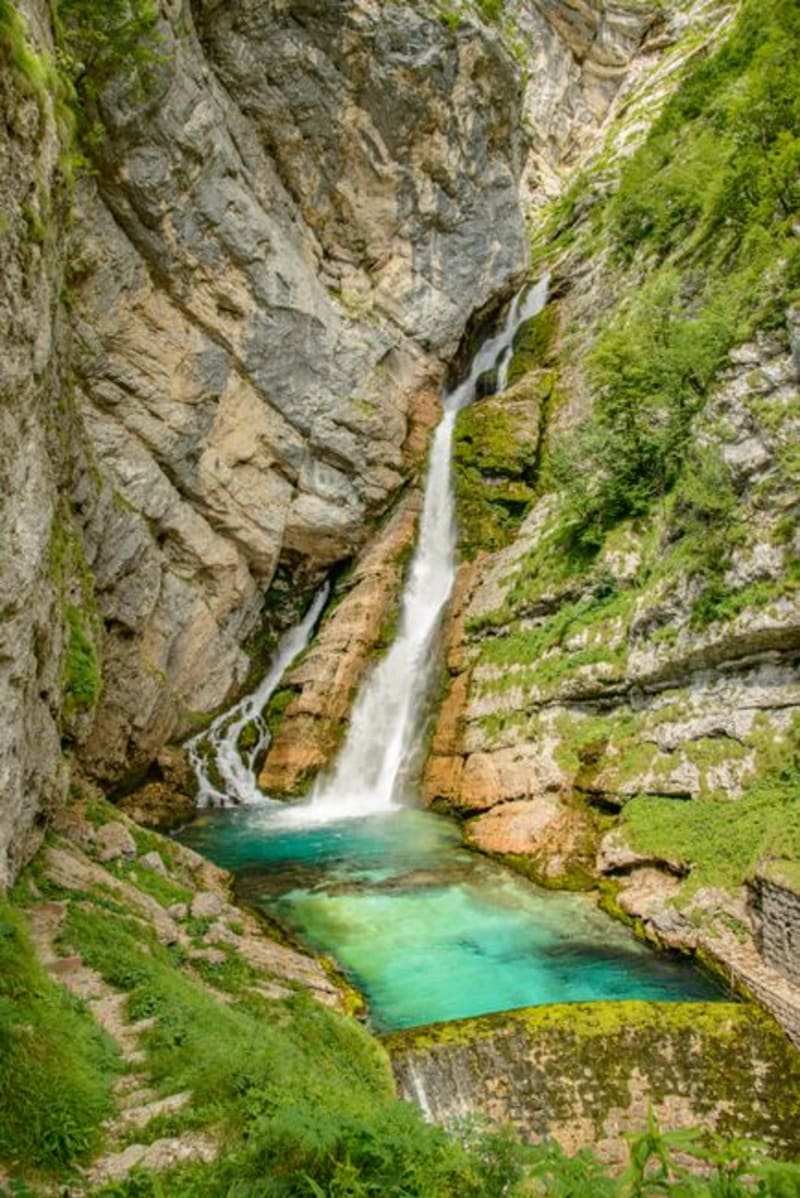
 Savica Waterfall
A two-tiered waterfall dropping into a cave-carved amphitheater at the source of the Sava Bohinjka, mythologized in Slovenia's national epic and every bit as dramatic in person.
Explore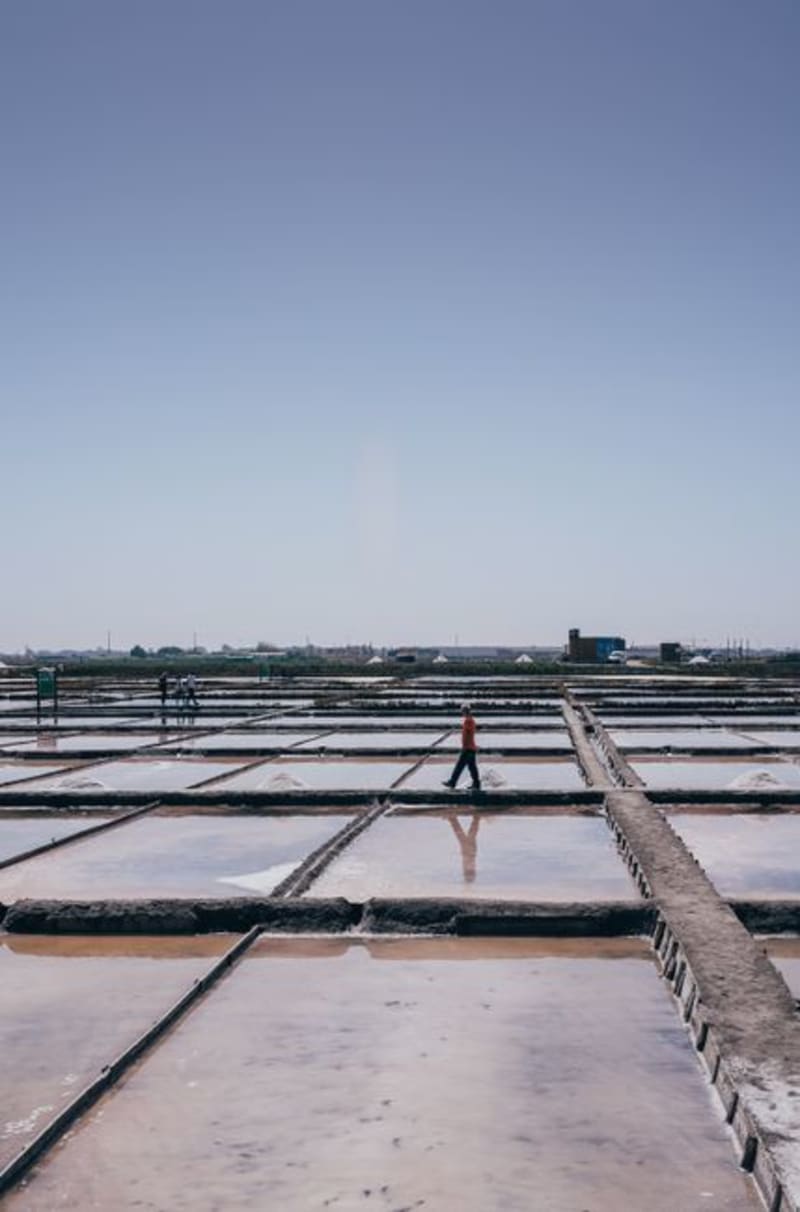 slovenia
 Sečovlje Salt Pans
A working salt landscape at Slovenia's southern tip where the harvest still happens by hand exactly as it did seven hundred years ago, and flamingos show up as if summoned.
Explore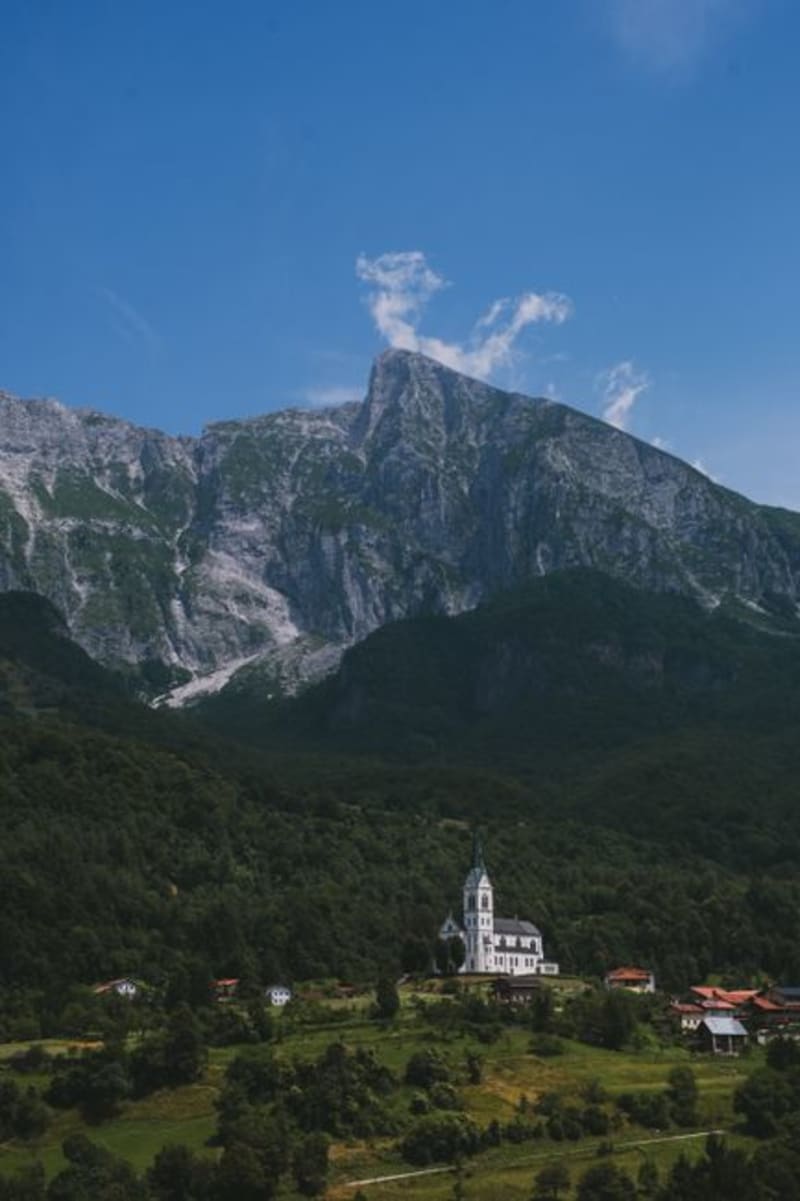 slovenia
 Šiška
Ljubljana's unglamorous northern district turned creative stronghold, anchored by a converted cinema that hosts some of the best live music in the Balkans.
Explore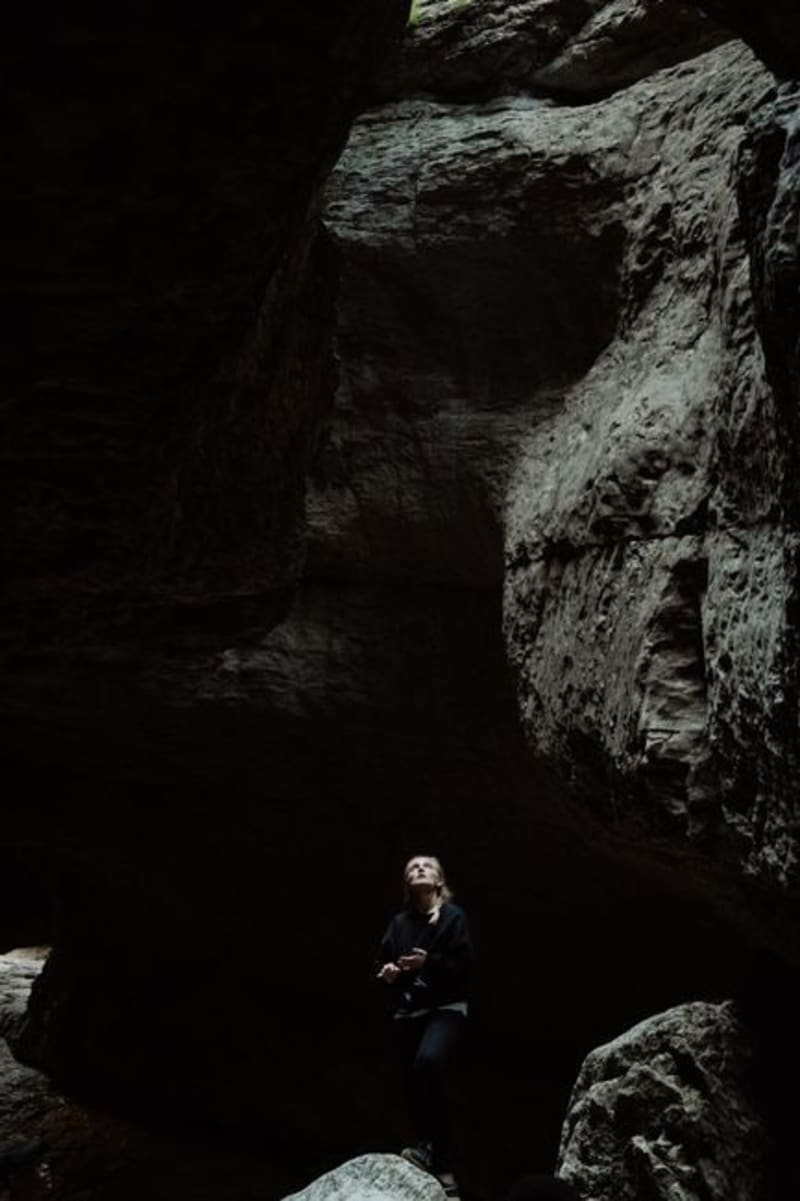 slovenia
 Škocjan Caves
A UNESCO-listed canyon of a cave so vast that the footbridge across its underground gorge feels like crossing into a different planet — the Reka River disappears here and doesn't resurface for thirty kilometers.
Explore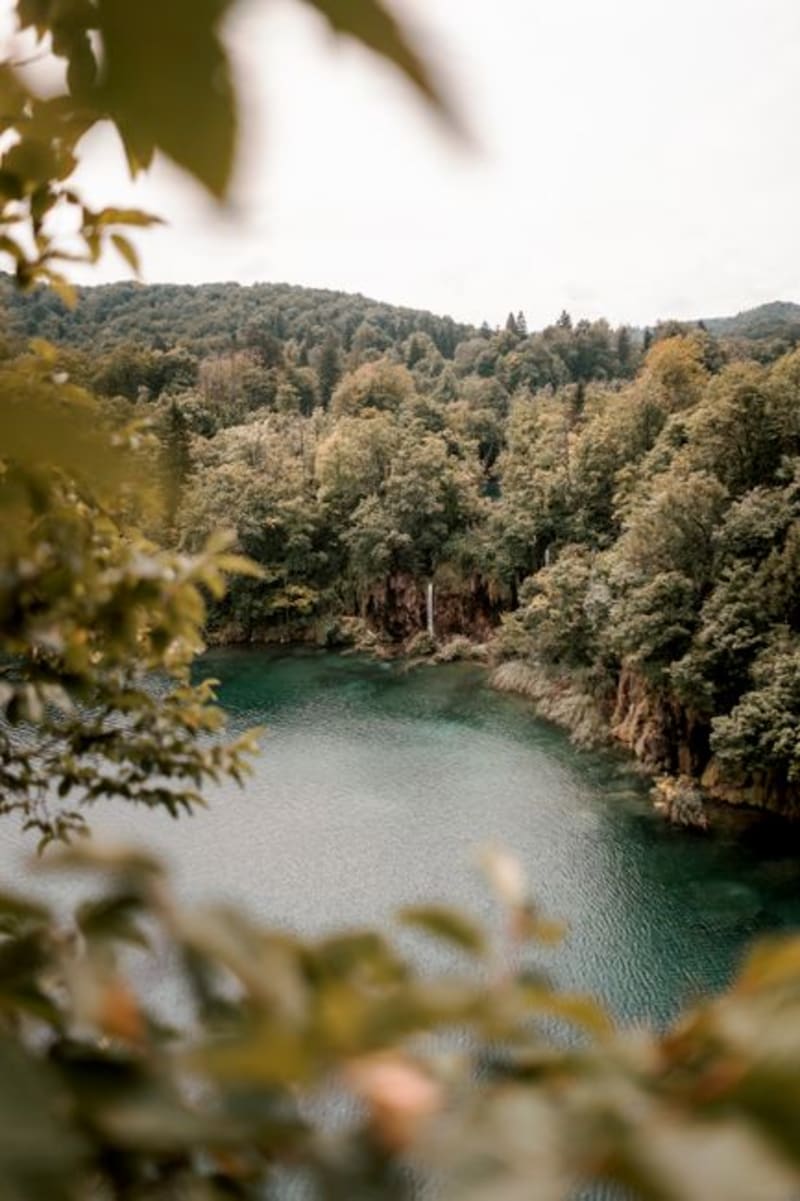 slovenia
 Škocjanski Zatok Nature Reserve
A reclaimed lagoon wedged between Koper's port cranes and its highway ramps — improbably, one of the best birdwatching sites on the entire Adriatic.
Explore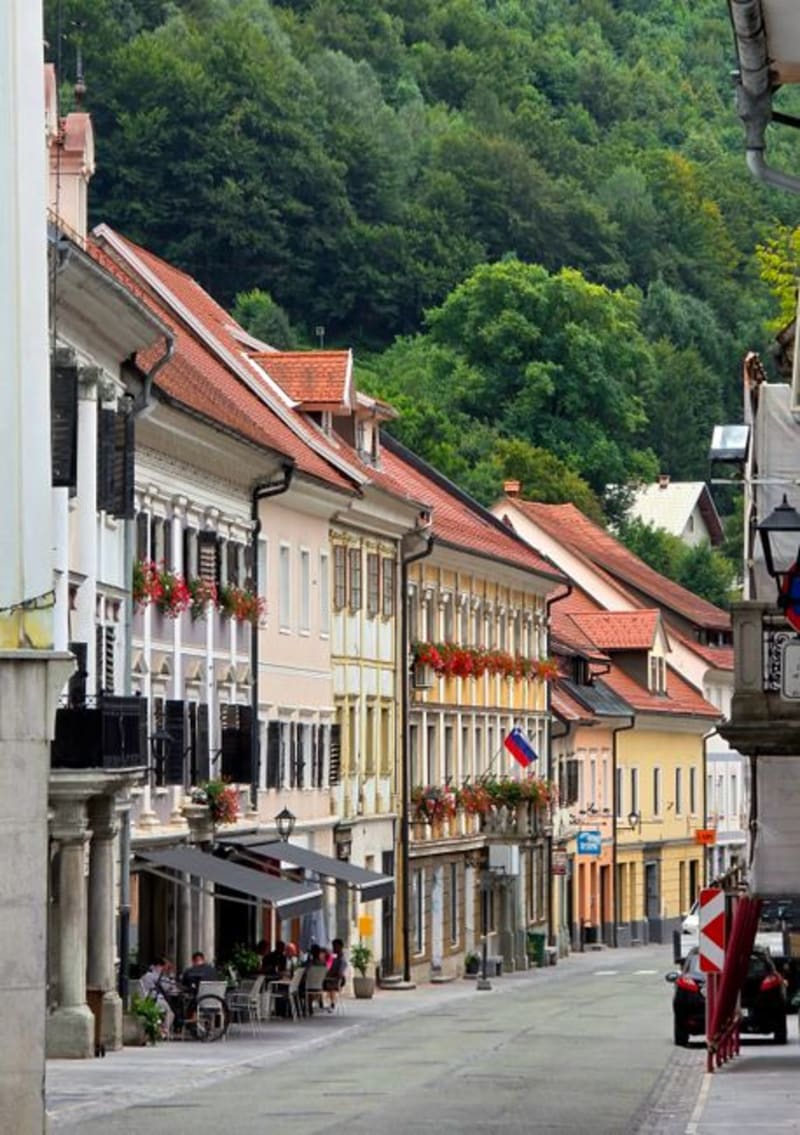 slovenia
 Škofja Loka
A medieval town at the confluence of two rivers, twenty minutes from Ljubljana, where a stone bridge, a hilltop castle, and a Baroque town square somehow avoid every tour bus in Slovenia.
Explore