Rogaška Slatina
"The water tasted like a mouthful of pennies, and somehow I went back for a second glass."
A belle-époque spa town built around mineral water so strong you drink it in small measured glasses, wrapped in crystal-cutting workshops and faded imperial grandeur.
Rogaška Slatina was a detour that turned into an afternoon I didn’t want to end, mostly because I have a weakness for places that peaked in 1890 and never quite noticed. This is spa country, one of the oldest in Europe — mineral springs known since the 16th century, developed into a proper Habsburg resort town by the 19th, and it still carries itself with that faded, unbothered elegance.
Drinking the Water on Purpose
The main draw is Donat Mg, a naturally carbonated mineral water so dense with magnesium that it’s sold in pharmacies as much as it’s bottled for tourists. At the source in Tempel Hall, an ornate glass-and-iron pavilion at the heart of the spa park, you can draw a small glass straight from the spring for a few cents. I did, expecting mineral water. What I got tasted metallic and slightly bitter, closer to liquid iron than anything I’d call refreshing.
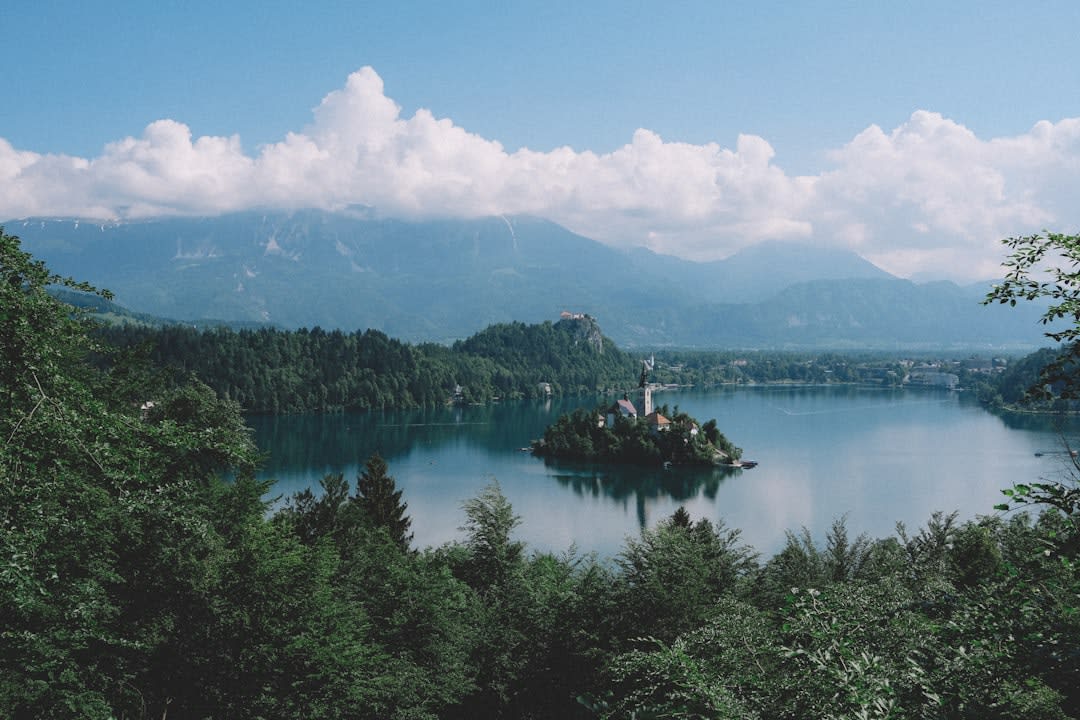
Lia made a face on her first sip and then, against all logic, asked for more. “It grows on you,” she said, which is the exact phrase people use about things that don’t actually improve but that you’ve decided to like anyway. We walked the spa promenade afterward, past pastel villas with wrought-iron balconies and manicured gardens, the whole scene looking like a stage set for a Central European novel nobody’s written yet.
Crystal Instead of Cure
The other reason to come is glass. Rogaška has been a center of crystal-cutting since the 1600s, and the Steklarna Rogaška factory still produces hand-cut crystal using techniques that have barely changed. We toured the small crystal museum in town, watching black-and-white photos of master cutters give way to displays of chandeliers and decanters so ornate they seemed to belong to a different century entirely, which, mostly, they do.
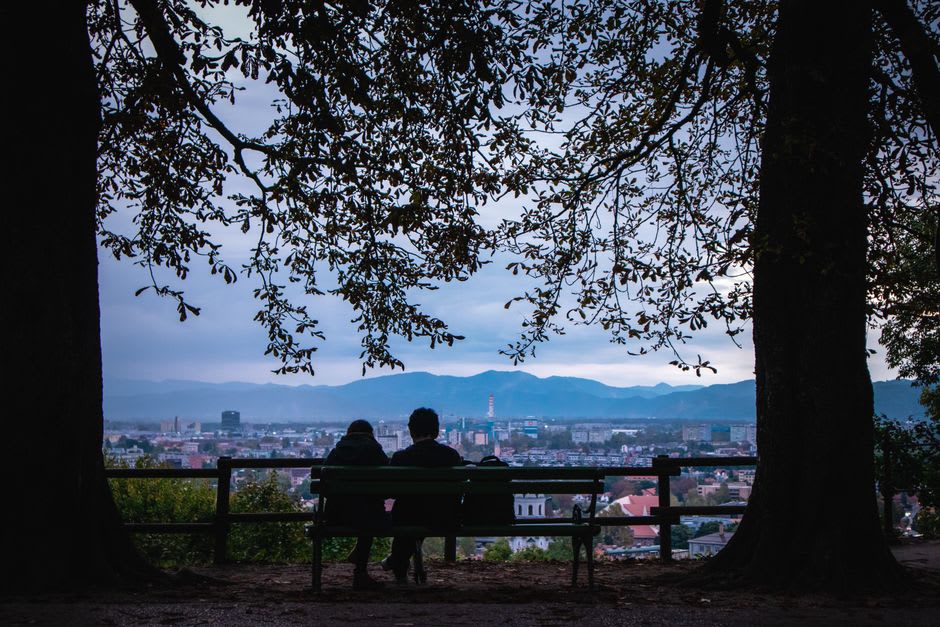
I bought a single small crystal glass, more souvenir than anything practical, and it’s sat on our shelf in Mexico since, catching light in a way that reminds me of an afternoon spent drinking bitter water on purpose and liking it more than I expected.
When to go: Spring through early autumn, when the spa gardens are in full bloom and outdoor terraces are open. It’s a low-key year-round destination too, since much of the spa experience is indoors.
Keep exploring
More from Slovenia
 slovenia
 Rogatec
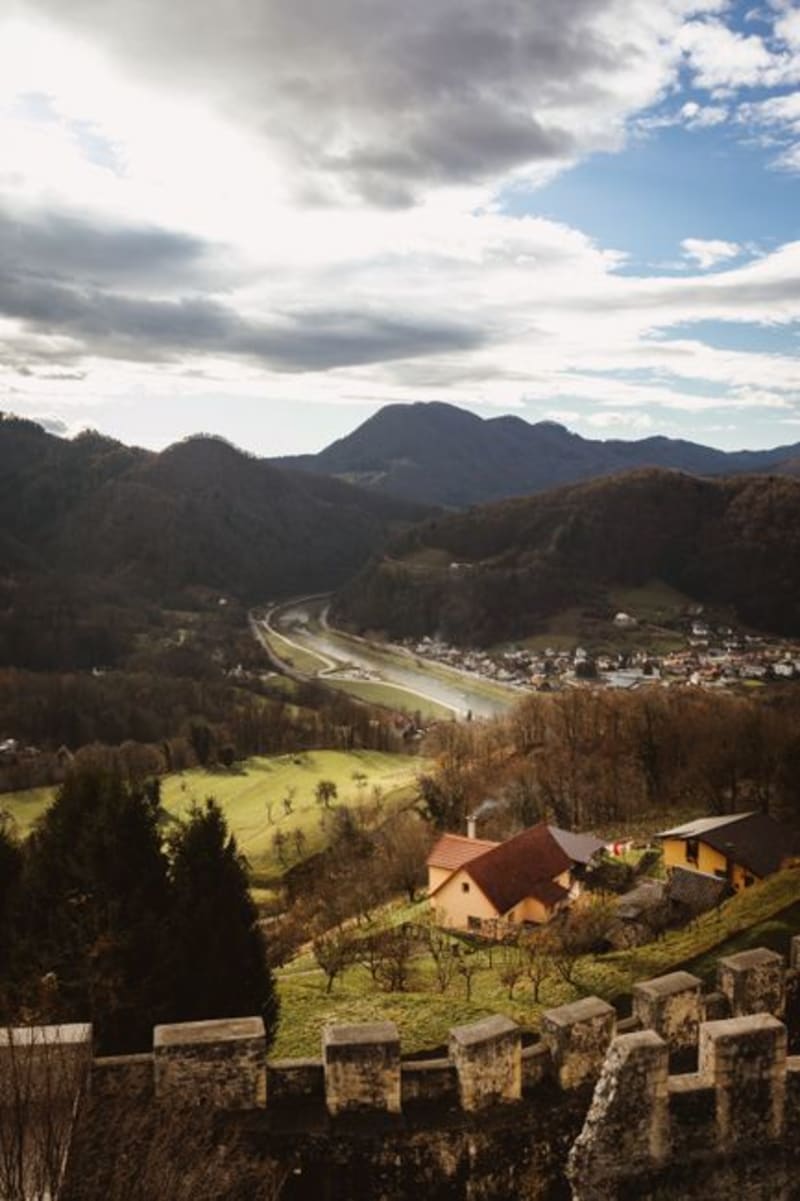
A tiny border town where an open-air museum of thatched farmhouses preserves a version of rural Štajerska that's almost entirely vanished elsewhere.
Explore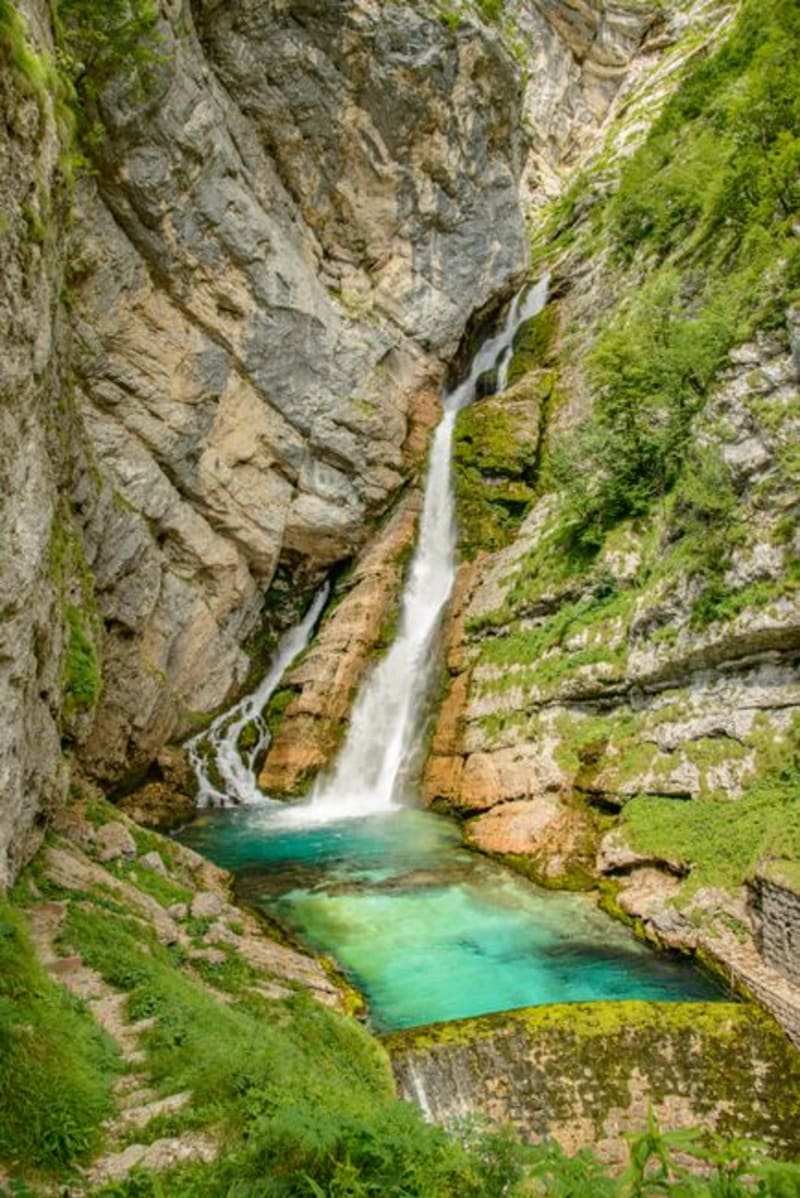 slovenia
 Savica Waterfall
A two-tiered waterfall dropping into a cave-carved amphitheater at the source of the Sava Bohinjka, mythologized in Slovenia's national epic and every bit as dramatic in person.
Explore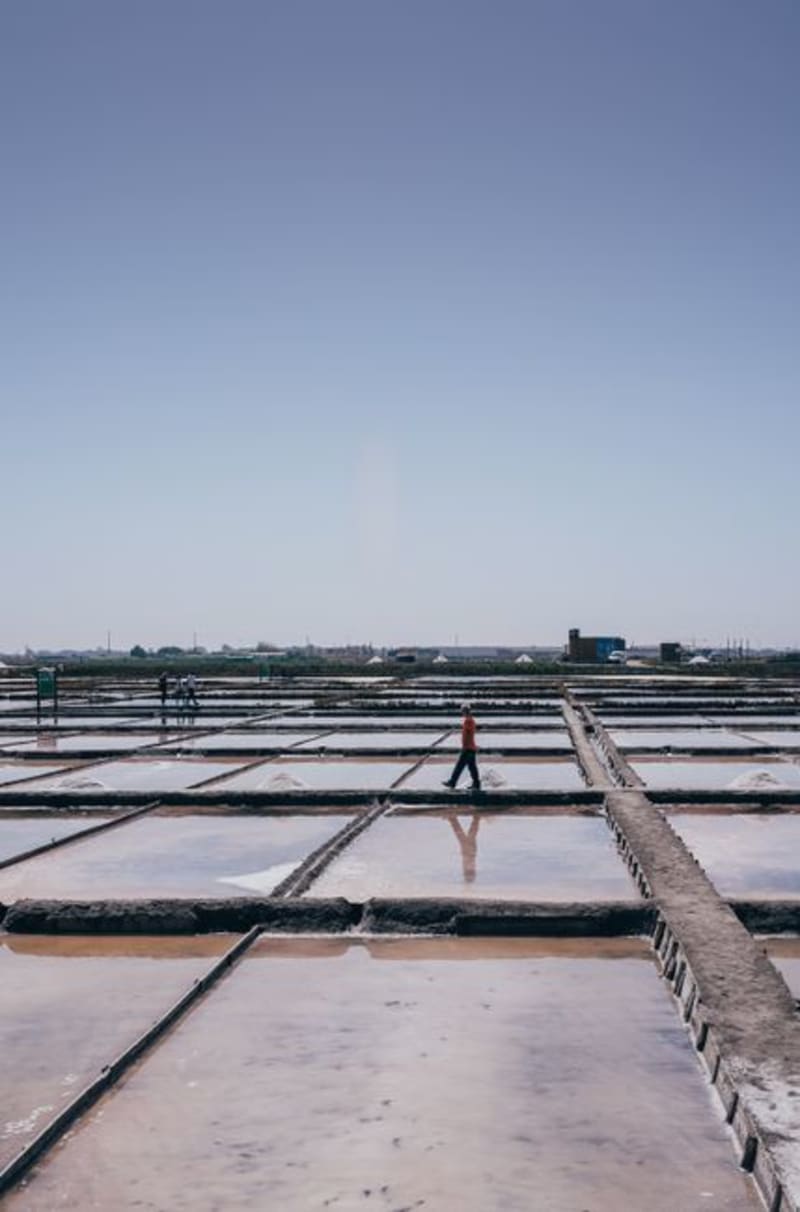 slovenia
 Sečovlje Salt Pans
A working salt landscape at Slovenia's southern tip where the harvest still happens by hand exactly as it did seven hundred years ago, and flamingos show up as if summoned.
Explore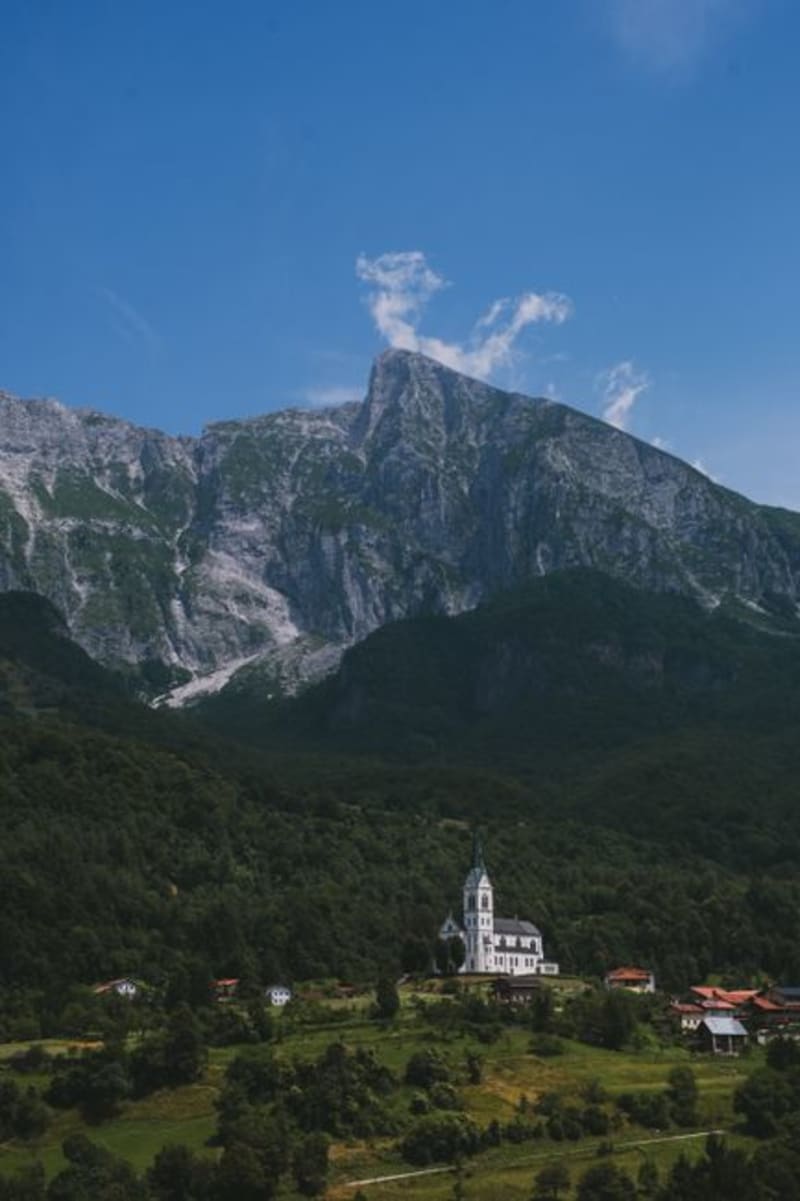 slovenia
 Šiška
Ljubljana's unglamorous northern district turned creative stronghold, anchored by a converted cinema that hosts some of the best live music in the Balkans.
Explore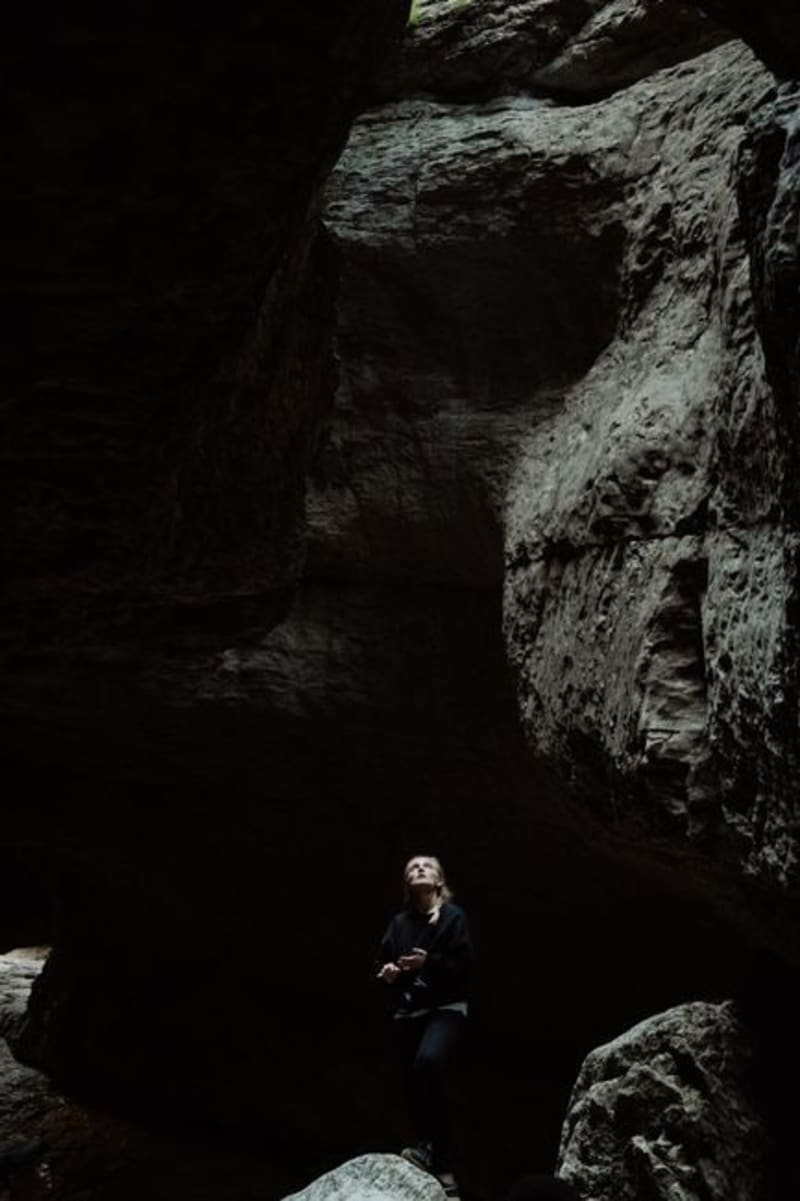 slovenia
 Škocjan Caves
A UNESCO-listed canyon of a cave so vast that the footbridge across its underground gorge feels like crossing into a different planet — the Reka River disappears here and doesn't resurface for thirty kilometers.
Explore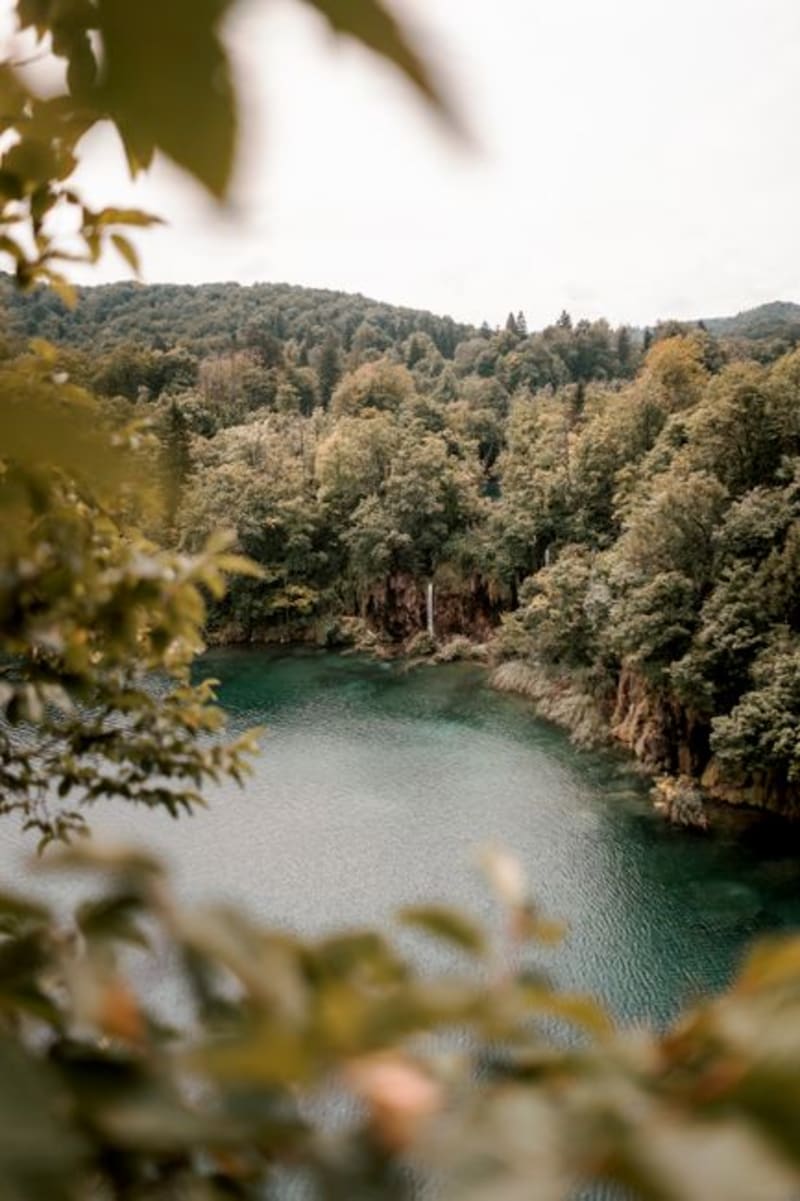 slovenia
 Škocjanski Zatok Nature Reserve
A reclaimed lagoon wedged between Koper's port cranes and its highway ramps — improbably, one of the best birdwatching sites on the entire Adriatic.
Explore