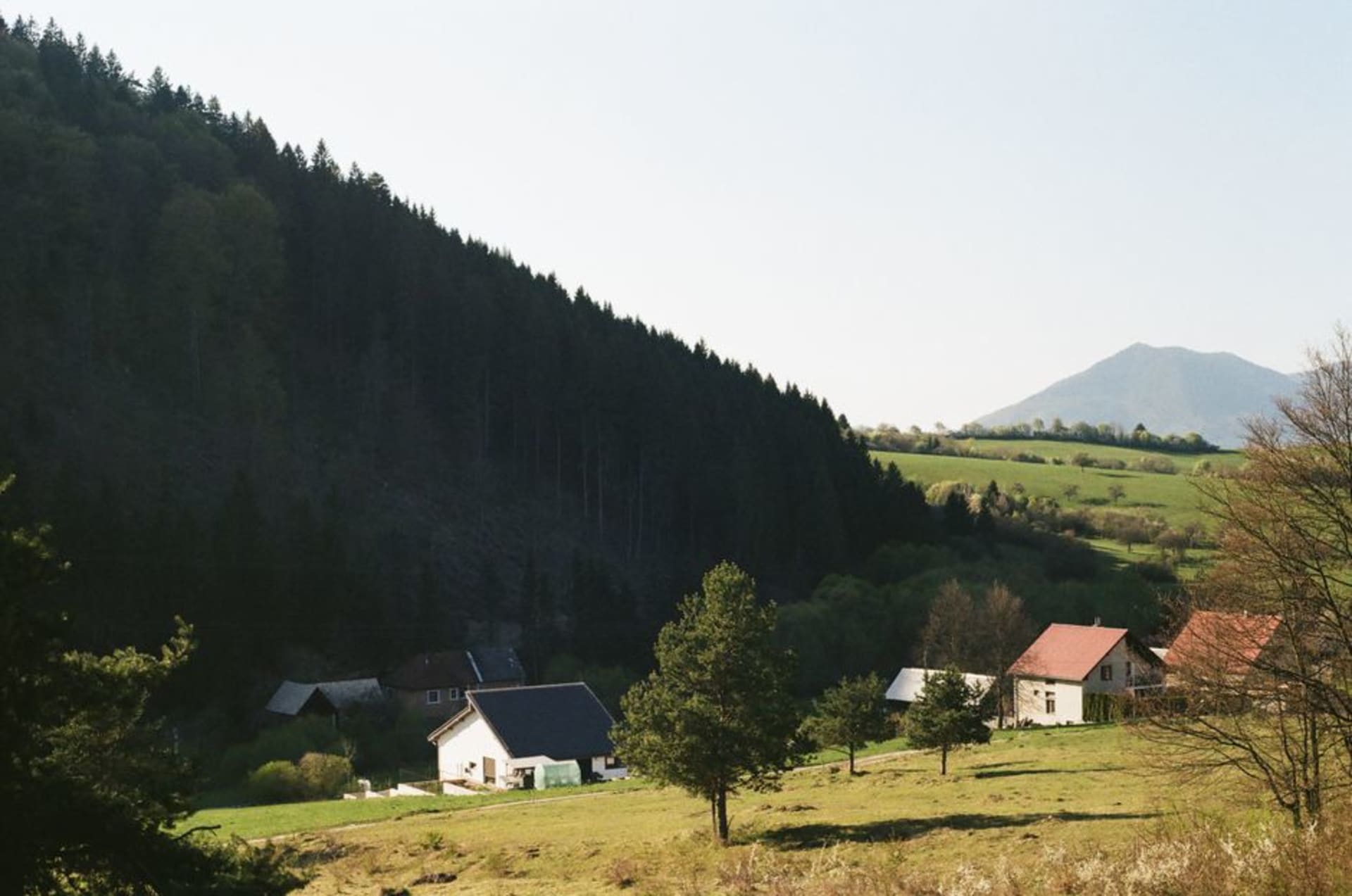
Plečnik House
"You cannot understand Ljubljana until you've stood inside the room where its shape was invented."
The home and studio of Jože Plečnik, preserved exactly as he left it — a small, eccentric museum that explains the architect's whole city in miniature.
By the third day in Ljubljana, Lia and I had started playing a small game of spotting Plečnik’s signature touches — a pyramid finial here, an oddly proportioned column there — across bridges, parks, and buildings that otherwise seemed unrelated. Visiting his actual house, tucked into a quiet corner of Trnovo, felt like finally meeting the person behind the running joke.
A Life Preserved in Place
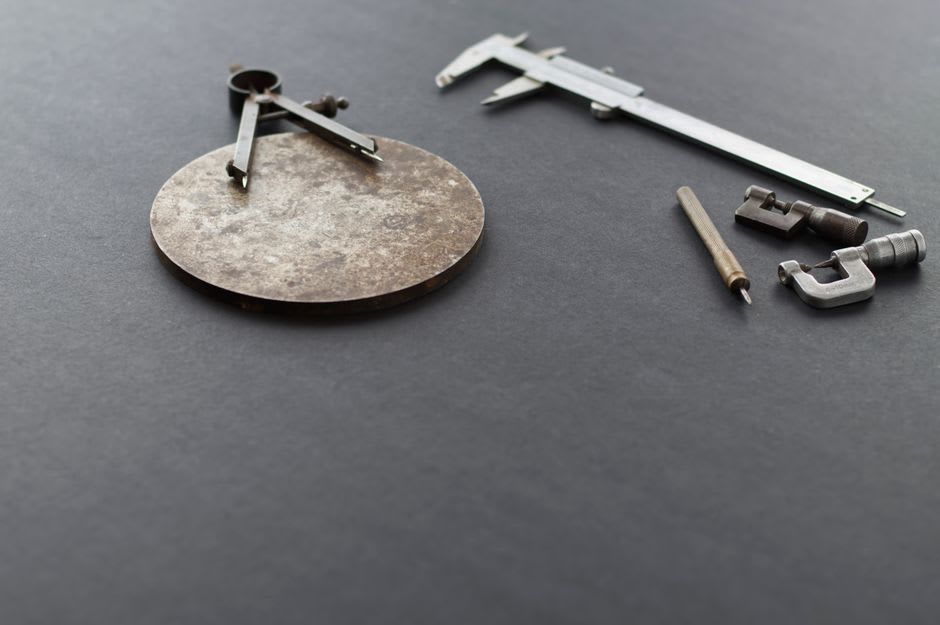
Jože Plečnik lived and worked in this house from 1921 until his death in 1957, and his family kept it essentially untouched afterward, down to his drafting tools, his hats hanging by the door, and the small round glass-walled studio he added onto the original house so he could work surrounded by natural light and his own garden. The guided tour — small groups only, since the rooms are genuinely tiny — moves through spaces that feel less like a museum and more like the architect stepped out for lunch and might return any minute.
The Man Behind the City
What the house makes clear, in a way that walking past his buildings around Ljubljana never quite does, is how personal and idiosyncratic Plečnik’s vision was. He never married, lived modestly despite reshaping an entire capital, and by most accounts worked constantly, sketching well into old age. Our guide pointed out a chair he’d modified himself, a lamp fixture he’d redesigned three times before settling on a form — small obsessive details that map directly onto the obsessive precision visible in the National and University Library or the Triple Bridge downtown.
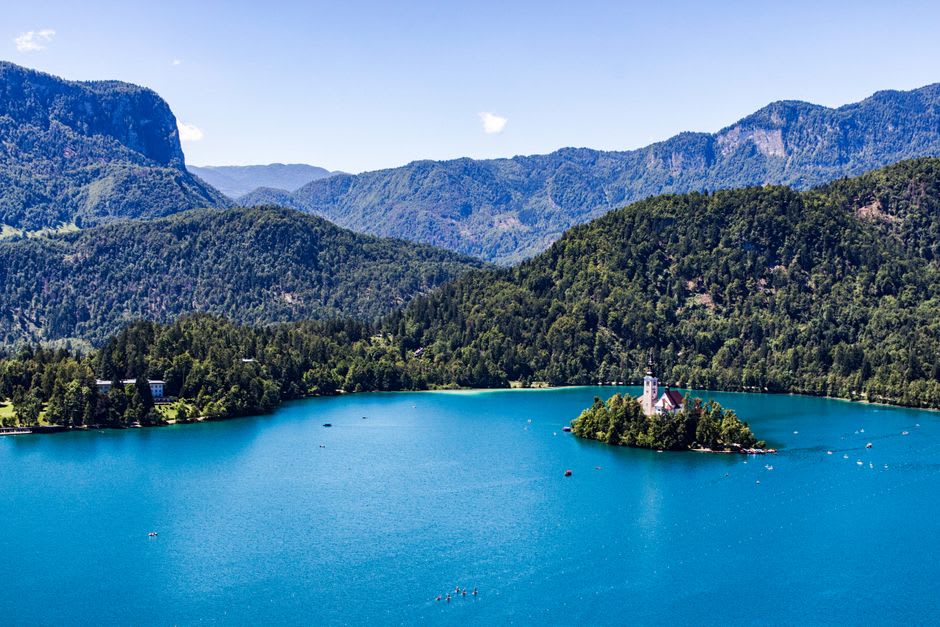
The garden behind the house, modest and slightly overgrown, was apparently exactly the way he liked it — a working space rather than a showpiece, which tracks with everything else about the man once you’ve spent an hour inside these walls.
When to go: Tours run on a fixed schedule with limited group sizes, so book ahead, especially in summer. Pair the visit with a walk through nearby Trnovo, since the neighborhood itself carries several of his smaller interventions.