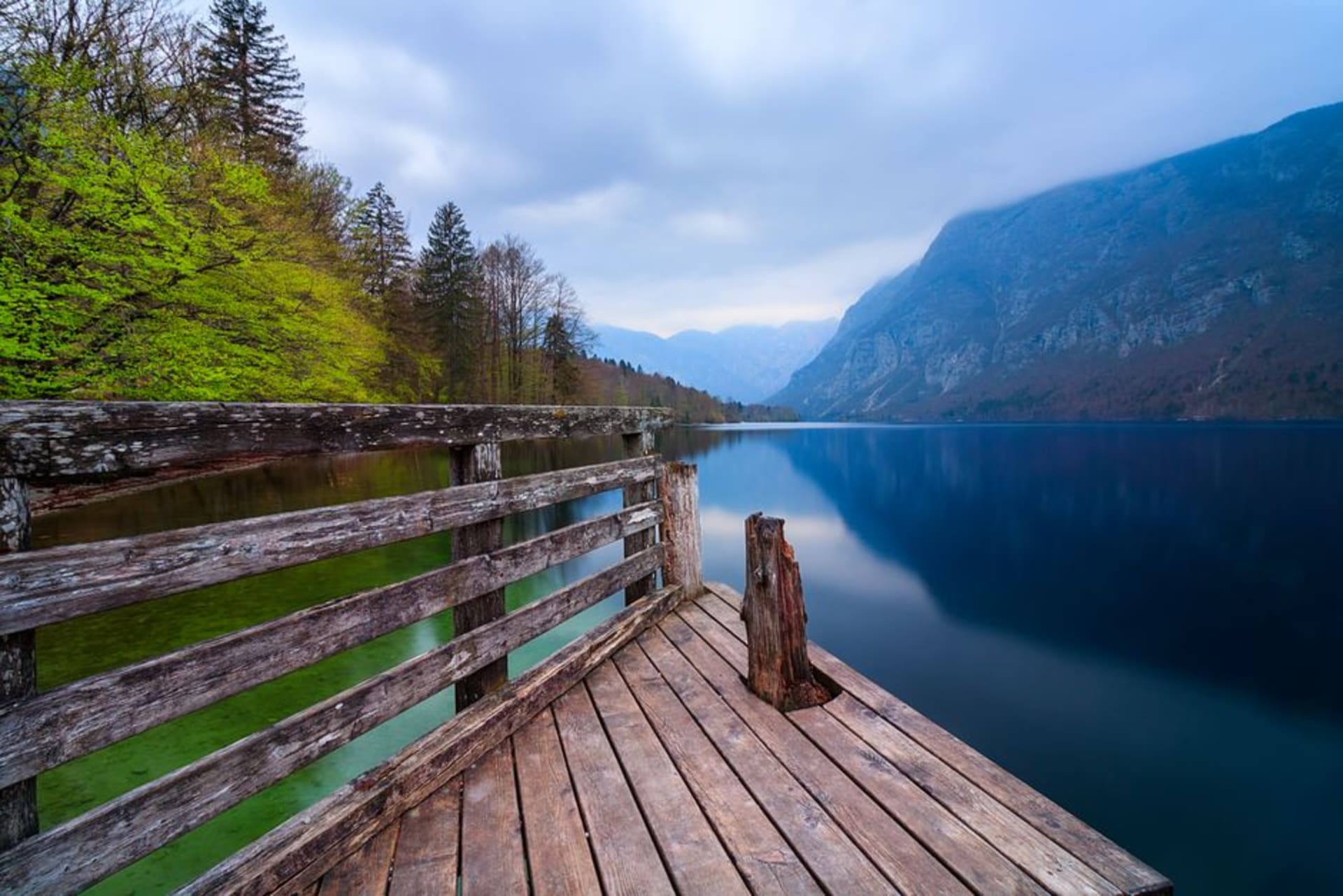
Krn Lake
"Every step up cost something, and the lake at the top didn't care, which somehow made it better."
The highest lake in the Julian Alps, a two-hour climb above the Soča Valley to a still glacial pool that doubled as a frontline landmark during the First World War.
I’m not what anyone would call an eager hiker, and the climb to Krn Lake tested that fact thoroughly. It’s a steep two-hour ascent from the trailhead near Krn village, switchbacking up through beech forest that gives way to open alpine pasture, and I spent a good portion of the middle hour negotiating with myself about turning back. Lia, infuriatingly, seemed unbothered the whole way, stopping occasionally to point out wildflowers while I caught my breath against a rock.
The Highest Lake in the Julian Alps
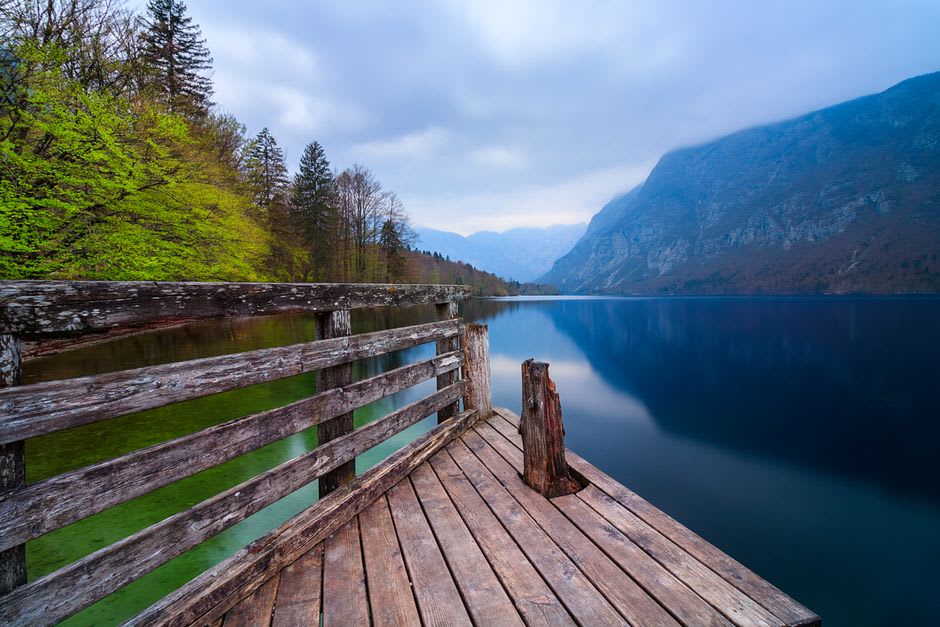
Krn Lake sits at over 1,380 meters, the highest standing body of water in the Julian Alps, cupped in a glacial basin below Mount Krn’s summit ridge. What makes the climb worth it isn’t drama exactly — it’s stillness. The water was almost perfectly flat the afternoon we arrived, dark and cold, reflecting the surrounding scree slopes with a clarity that made the whole basin feel sealed off from everything below it. We sat on a rock at the shore for nearly an hour, saying very little, watching a pair of birds work the far shoreline.
A Battlefield Above the Clouds
Like much of the upper Soča Valley, this lake and the surrounding ridges were a front line during the First World War, part of the wider Isonzo Front fighting between Italy and Austria-Hungary. Trenches carved into the rock above the lake are still visible if you know where to look, and a small memorial near the shore marks the position where soldiers fought at an altitude most of them had likely never experienced before being sent here. It’s a strange thing to sit beside a peaceful mountain lake and realize men once held defensive positions on these exact slopes, fighting over terrain this remote and this cold.
The Walk Back Down, Different
Descending felt entirely different from the climb — the same path but reframed, my legs loose and grateful, the valley opening up ahead of us in long green folds toward Kobarid and the Soča far below. We stopped at a mountain hut partway down for tea and a slice of the same dense poppy-seed cake I’d started noticing everywhere in this part of Slovenia, and ate it slowly, in no hurry to rejoin the valley floor.
When to go: Late June through September, once snow has cleared from the upper trail. Start early to avoid afternoon storms, which build quickly over the ridge in summer.
Keep exploring
More from Slovenia
 slovenia
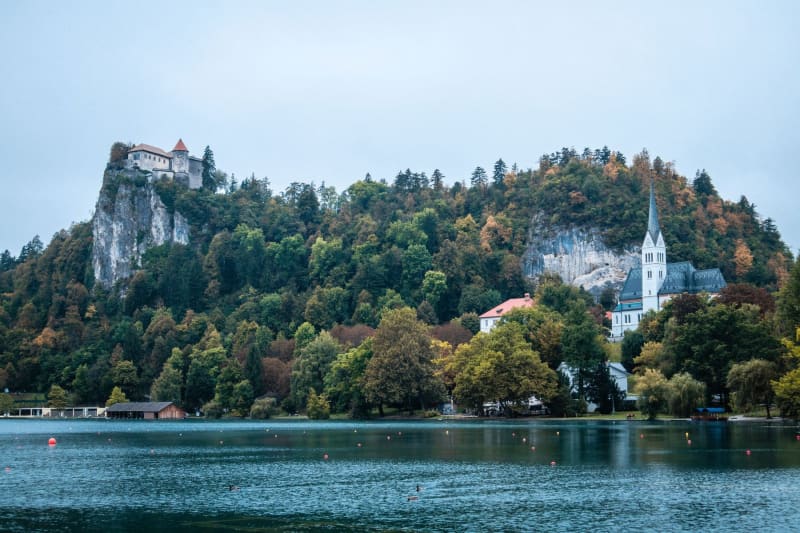
 Lake Bled
A postcard-perfect Alpine lake with an island church and a clifftop castle — improbably real and even more beautiful in person.
Explore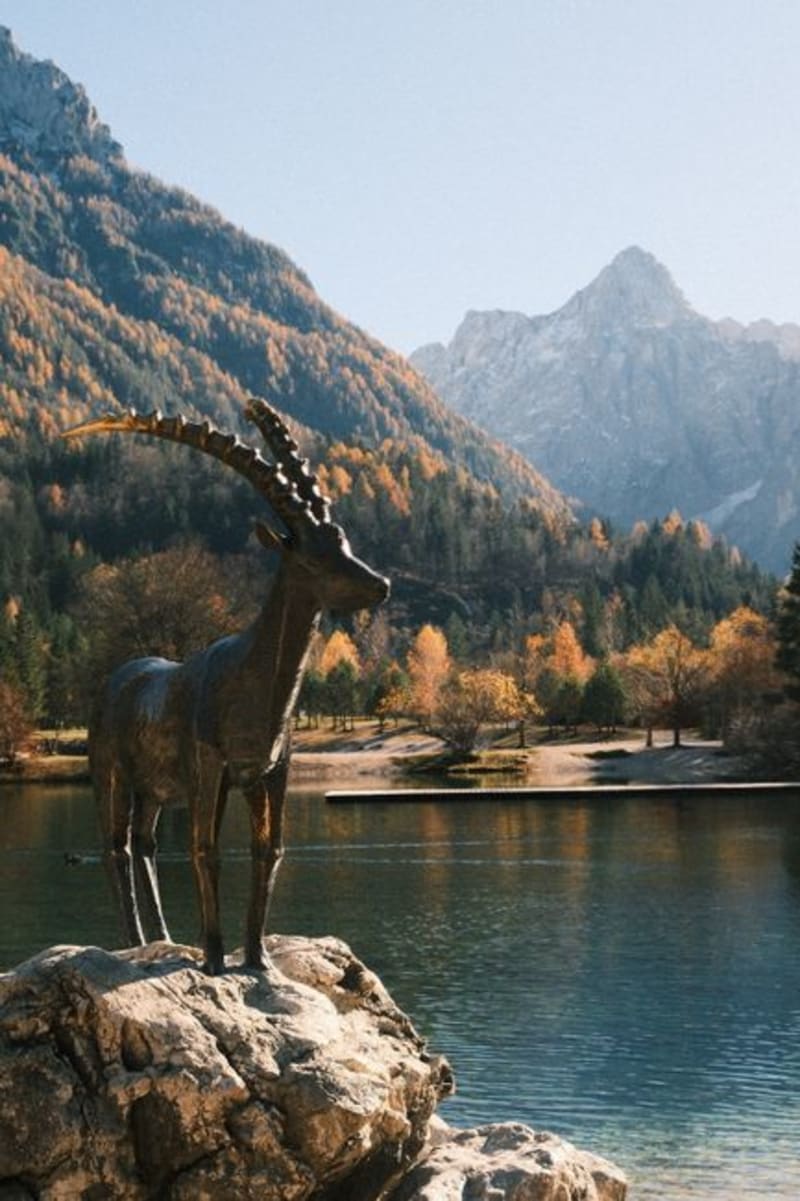 slovenia
 Lake Jasna
A small, impossibly turquoise reservoir at the entrance to Kranjska Gora, framed by two bronze ibex statues and more Instagram tripods than actual swimmers.
Explore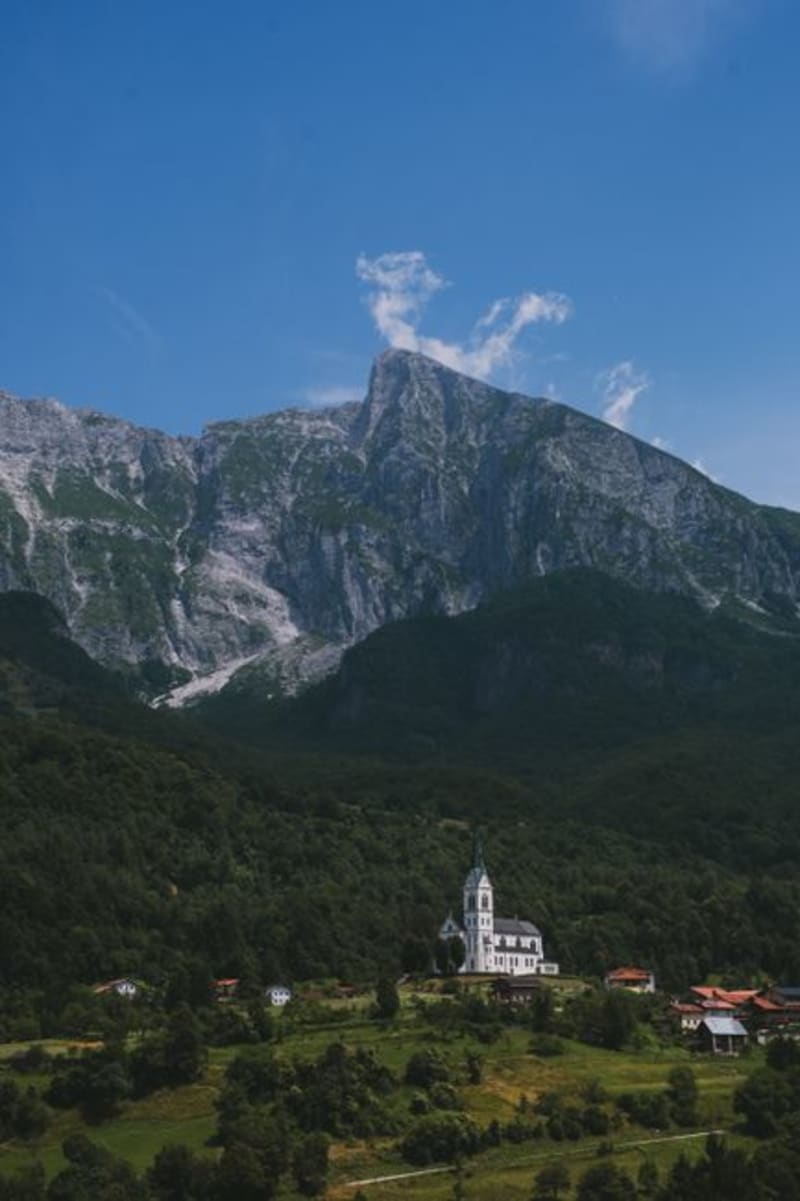 slovenia
 Laško
A Savinja riverside spa town better known as the home of Slovenia's most famous beer, with thermal pools and a brewery tour that don't pretend to be anything fancier than they are.
Explore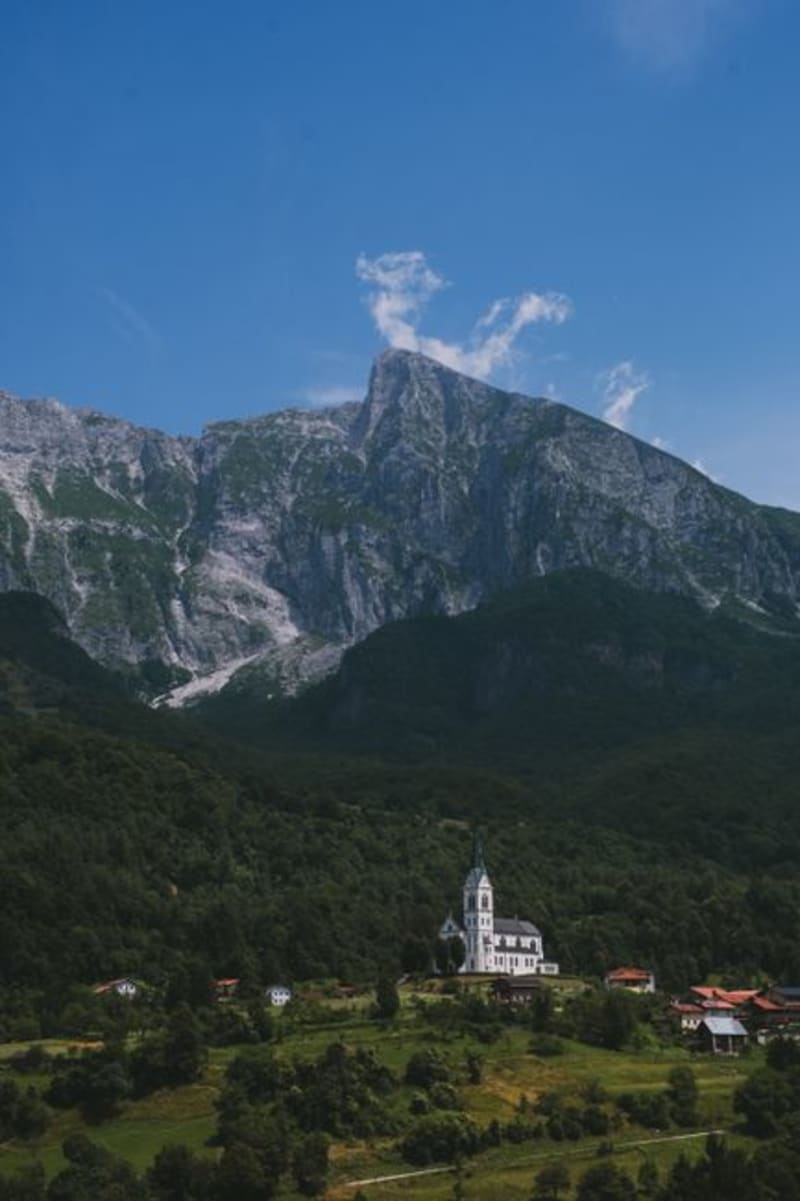 slovenia
 Lendava
Slovenia's easternmost town, wedged against Hungary with vineyard hills on one side and a preserved synagogue on the other, carrying a bilingual Hungarian-Slovenian identity found nowhere else in the country.
Explore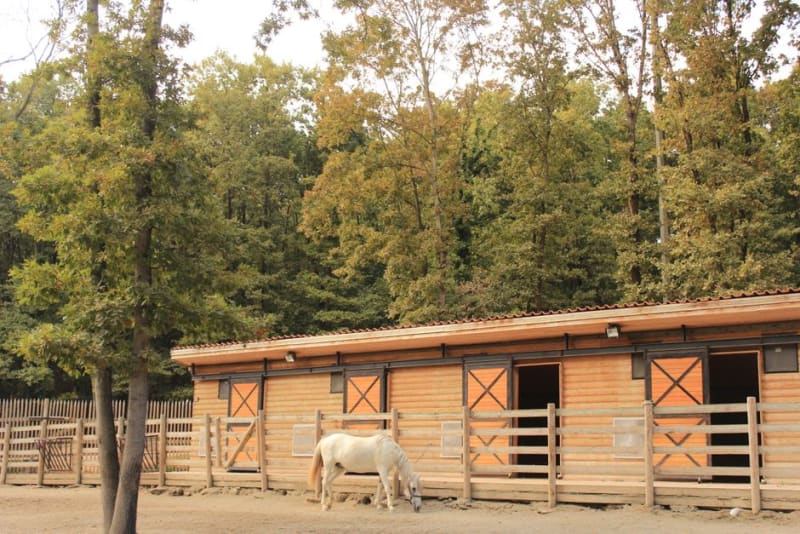 slovenia
 Lipica Stud Farm
The 16th-century home of the Lipizzaner horse, where white stallions bred for Habsburg court riding schools still graze the karst pastures that gave the breed its name.
Explore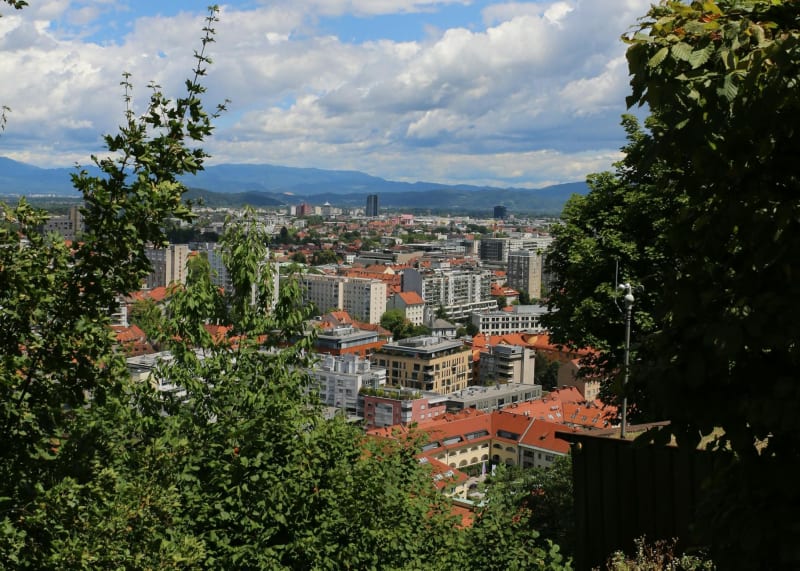 slovenia
 Ljubljana
Europe's most livable small capital stretches lazily along the Ljubljanica, its castle-crowned hill watching over cafe-filled riverbanks.
Explore