Krakovo
"In Krakovo, the city grows its own vegetables and doesn't consider that remarkable at all."
Ljubljana's oldest garden district, a knot of narrow lanes where vegetable plots and fruit trees still grow behind the fences of century-old houses.
Krakovo sits close enough to the National and University Library that I found it purely by wandering after a visit there, drawn down a side street by the sight of an actual working vegetable garden behind a low wooden fence, tomato vines climbing a trellis maybe four hundred meters from a UNESCO-adjacent old town. It turns out this is entirely the point of the neighborhood, and has been for centuries.
A Working Garden District
Krakovo is believed to be Ljubljana’s oldest continuously inhabited neighborhood, and unlike almost anywhere else this close to a European capital’s center, its residents still cultivate the same garden plots their families have worked for generations. Lettuce, beans, herbs, the occasional grapevine trained along a wall — it’s not a preserved museum version of urban agriculture, it’s the real, current, unglamorous thing, and that’s exactly why it felt worth writing about.
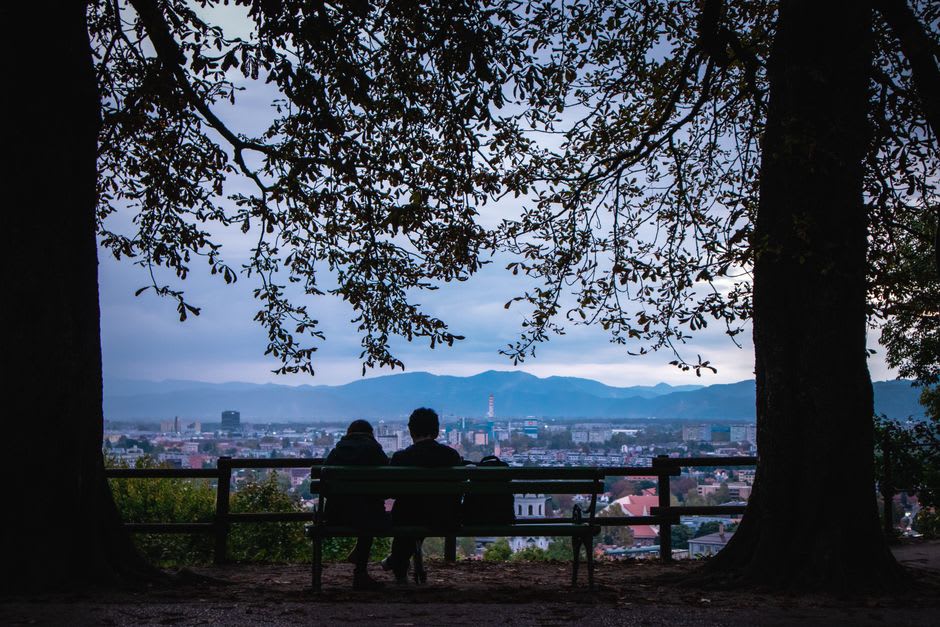
Lia grew up with a grandmother who kept a similar garden in rural France, and she said walking through Krakovo felt oddly like visiting her as a kid — the same smell of tomato leaves warming in the sun, the same slightly chaotic abundance behind fences that look barely adequate to contain it.
Narrow Lanes and Quiet Corners
The neighborhood’s streets are narrow enough that two people have to angle sideways to pass comfortably, lined with modest houses that predate most of what’s celebrated in the old town proper. There’s a small market held seasonally where Krakovo’s gardeners sell direct from their own plots, and even outside market days you’ll occasionally find an honesty-box stand offering a few vegetables for a euro or two.
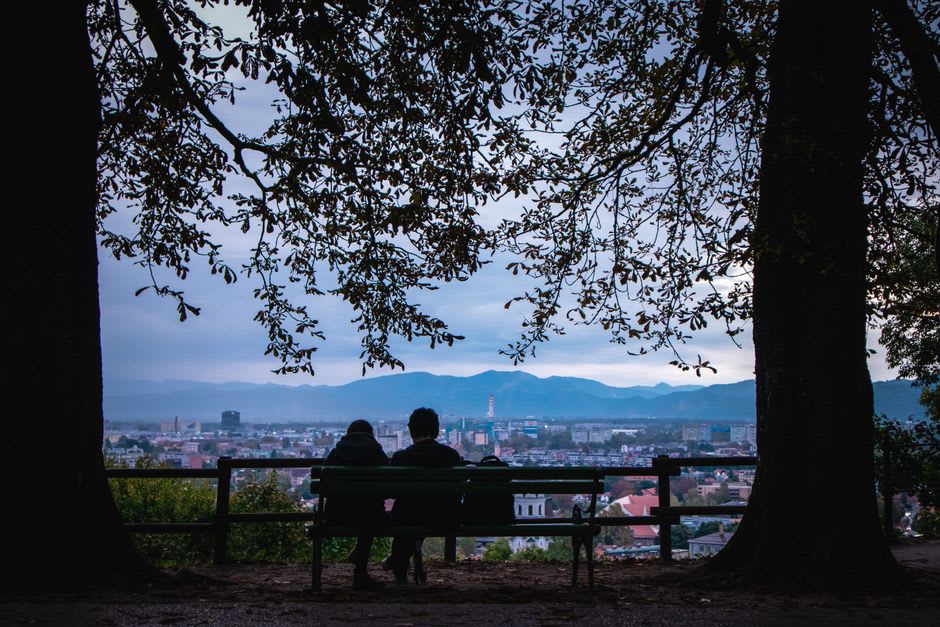
It’s not a neighborhood built for sightseeing in any conventional sense — there’s no single landmark to photograph and move on from. The reward here is slower: fifteen or twenty minutes of unhurried walking, noticing how much of the medieval agricultural city survives, invisibly, behind its fences.
When to go: Late spring through summer, when the gardens are at their fullest and most visibly alive. A weekday morning walk here pairs naturally with a visit to the nearby library or a stroll toward Trnovo.
Keep exploring
More from Slovenia
 slovenia
 Kranj
Slovenia's fourth-largest city, perched on a cliff over two rivers, treated by most travelers as a highway sign on the way to the Alps and nothing more.
Explore slovenia
 Kranjska Gora
A ski town at the foot of the Julian Alps that trades its snow for wildflowers in summer without losing a shred of its mountain intensity.
Explore slovenia
 Krn Lake
The highest lake in the Julian Alps, a two-hour climb above the Soča Valley to a still glacial pool that doubled as a frontline landmark during the First World War.
Explore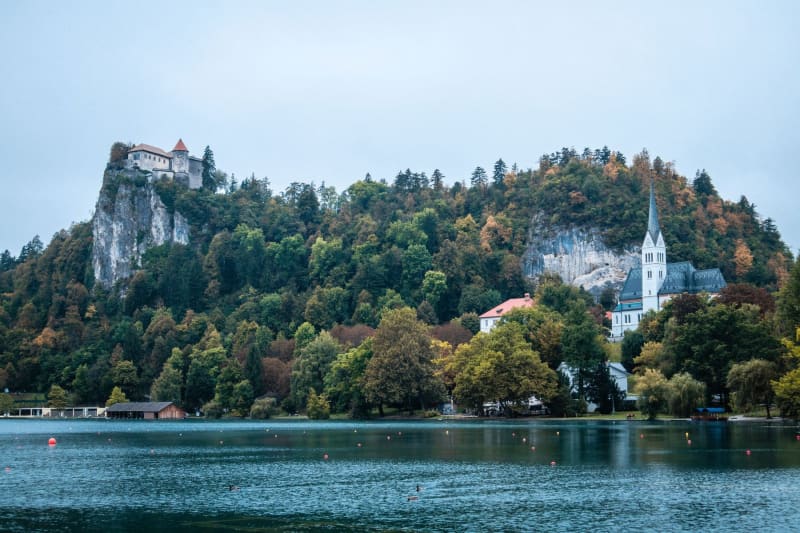 slovenia
 Lake Bled
A postcard-perfect Alpine lake with an island church and a clifftop castle — improbably real and even more beautiful in person.
Explore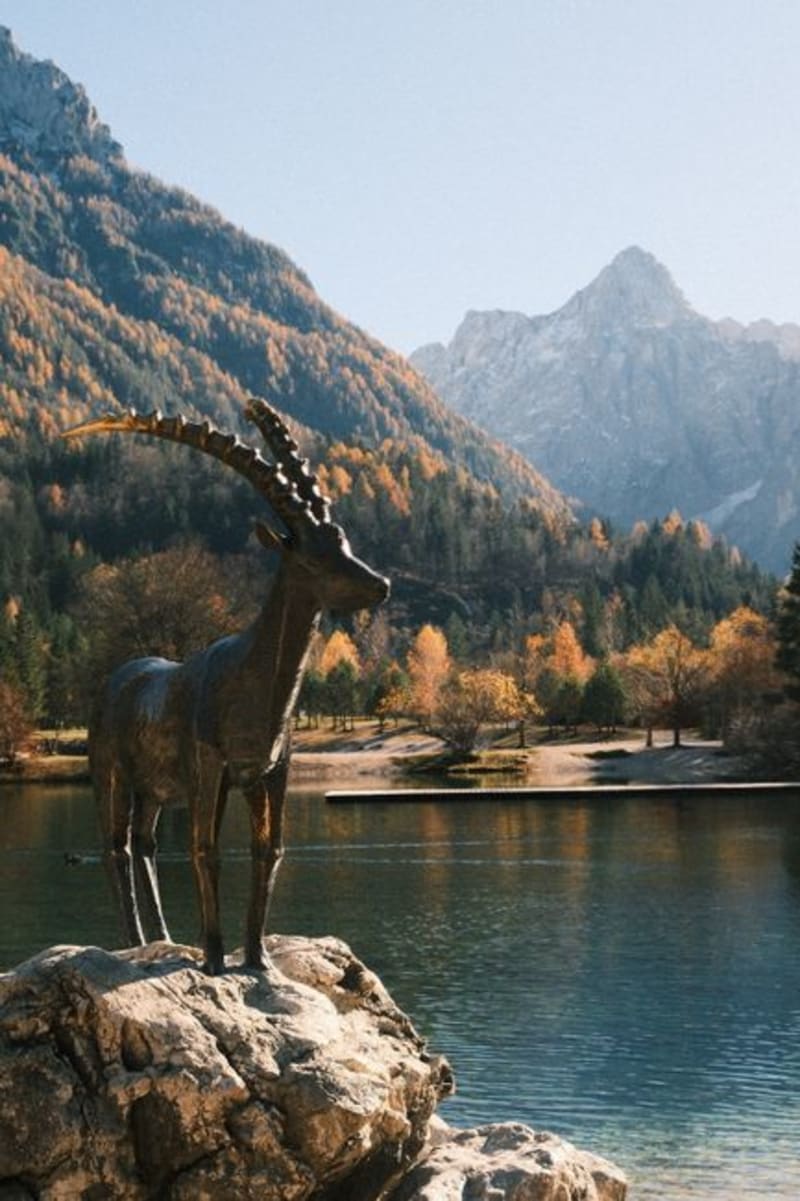 slovenia
 Lake Jasna
A small, impossibly turquoise reservoir at the entrance to Kranjska Gora, framed by two bronze ibex statues and more Instagram tripods than actual swimmers.
Explore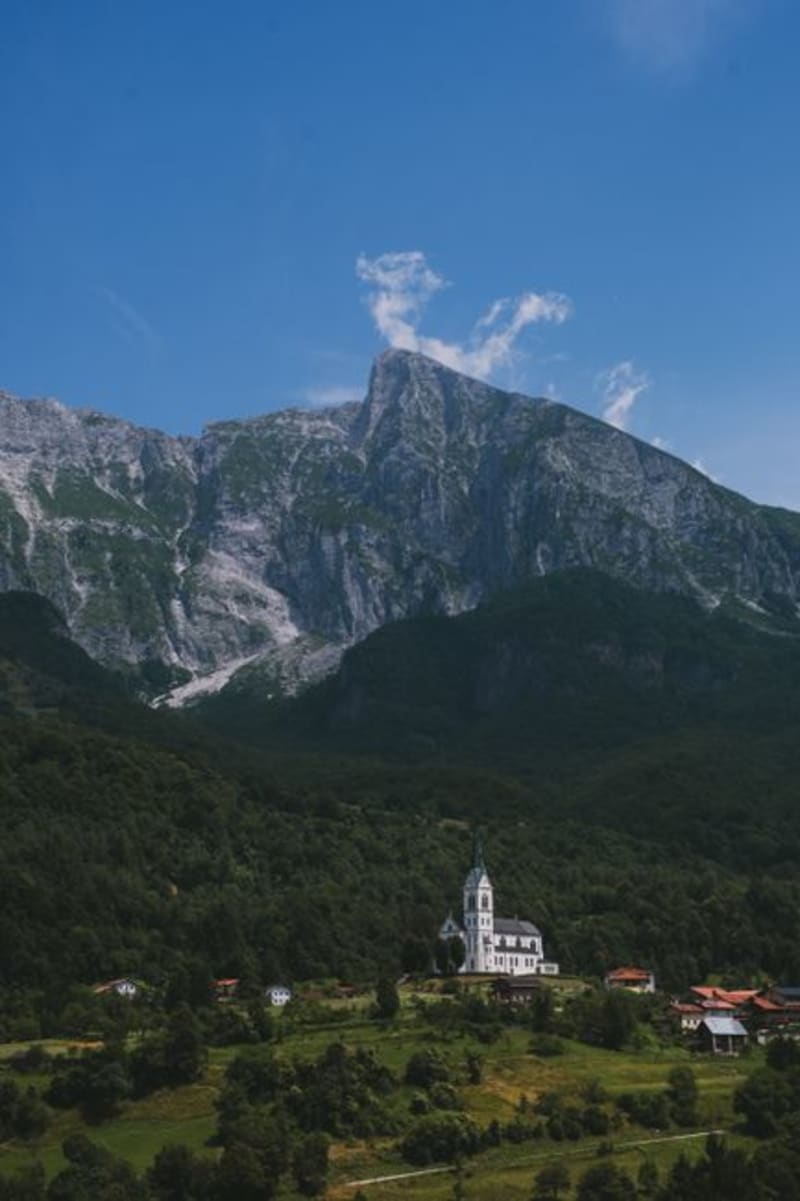 slovenia
 Laško
A Savinja riverside spa town better known as the home of Slovenia's most famous beer, with thermal pools and a brewery tour that don't pretend to be anything fancier than they are.
Explore