Dragon Bridge
"A city that puts dragons on its bridges is a city that understands its own myths."
Four bronze dragons guard Ljubljana's most theatrical bridge, a Secessionist masterpiece over the Ljubljanica with a legend attached to every scale.
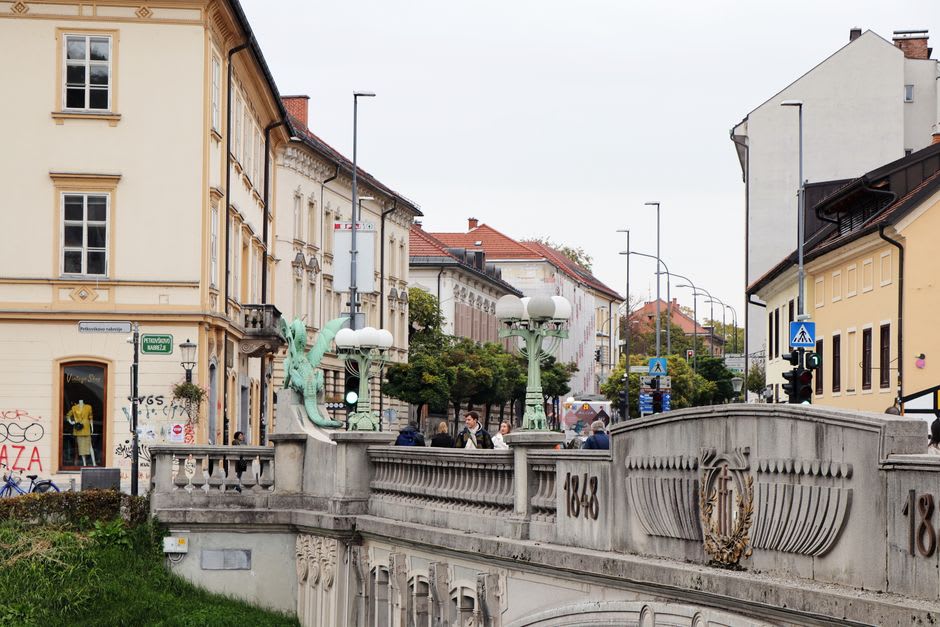
I crossed the Dragon Bridge for the first time at night, half by accident, on that same walk from the bus station that convinced me Ljubljana was worth taking seriously. The four bronze dragons, each perched on a corner pedestal with wings half-spread and tails coiled, were lit from below in a way that made them look genuinely alive, mid-snarl, guarding a bridge over a river that on that first night I hadn’t yet learned to love.
The Legend of the Dragon
Every Slovenian I asked had a slightly different version of the dragon legend, which is the surest sign it’s a story that actually matters to people rather than one manufactured for tourists. The most common telling links back to Jason and the Argonauts, who supposedly sailed up the Ljubljanica and slew a dragon on this spot, giving Ljubljana its city symbol. The dragon now appears on the city’s coat of arms, on manhole covers, on souvenir magnets by the hundred — but nowhere with as much conviction as it does here, cast in bronze at genuine dramatic scale.
A Secessionist Landmark
The bridge itself, completed in 1901, is a serious piece of architecture and not just a pedestal for the statues. It was one of the first reinforced concrete bridges in Europe, and its Vienna Secession detailing — wrought iron railings, decorative lamps, the pale green paint — makes it feel more like a piece of jewelry than infrastructure. Lia pointed out that the dragons’ tails supposedly wag if a virgin crosses the bridge, a local joke that’s been repeated so often it’s practically civic fact at this point.
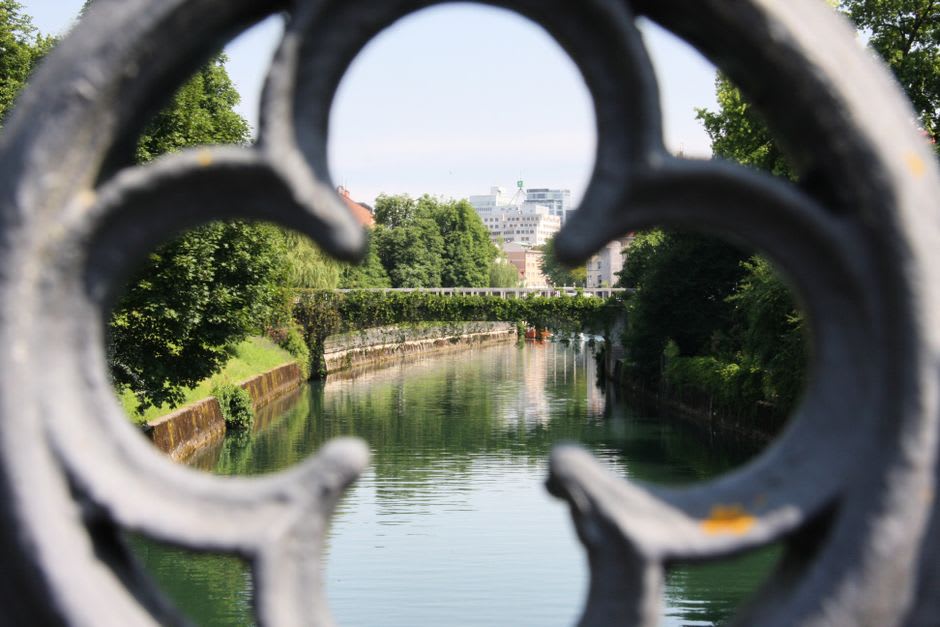
Standing on the bridge itself gives you one of the better under-appreciated views in the city — the Central Market’s colonnade stretching along the riverbank in one direction, and the old town’s rooftops climbing toward the castle in the other. It takes about ninety seconds to cross, and I still made a point of stopping in the middle each time we passed.
When to go: After dark, when the dragons are lit and the bridge takes on its full theatrical effect. It’s a two-minute stop, easily combined with an evening at the Central Market or a walk toward the castle.
Keep exploring
More from Slovenia
 slovenia
 Fiesa
A tiny cove beach ten minutes from Piran's old town, backed by a freshwater lake and a chapel, that somehow still feels like a secret.
Explore slovenia
 Grad and Goričko
Slovenia's largest surviving Renaissance manor sits abandoned and half-wild at the edge of Goričko Nature Park, the remotest, least-visited corner of the country's rolling far-northeast.
Explore slovenia
 Haloze Hills
The steepest wine country in Slovenia, a folded landscape along the Croatian border where vines cling to slopes that seem almost too sharp to farm.
Explore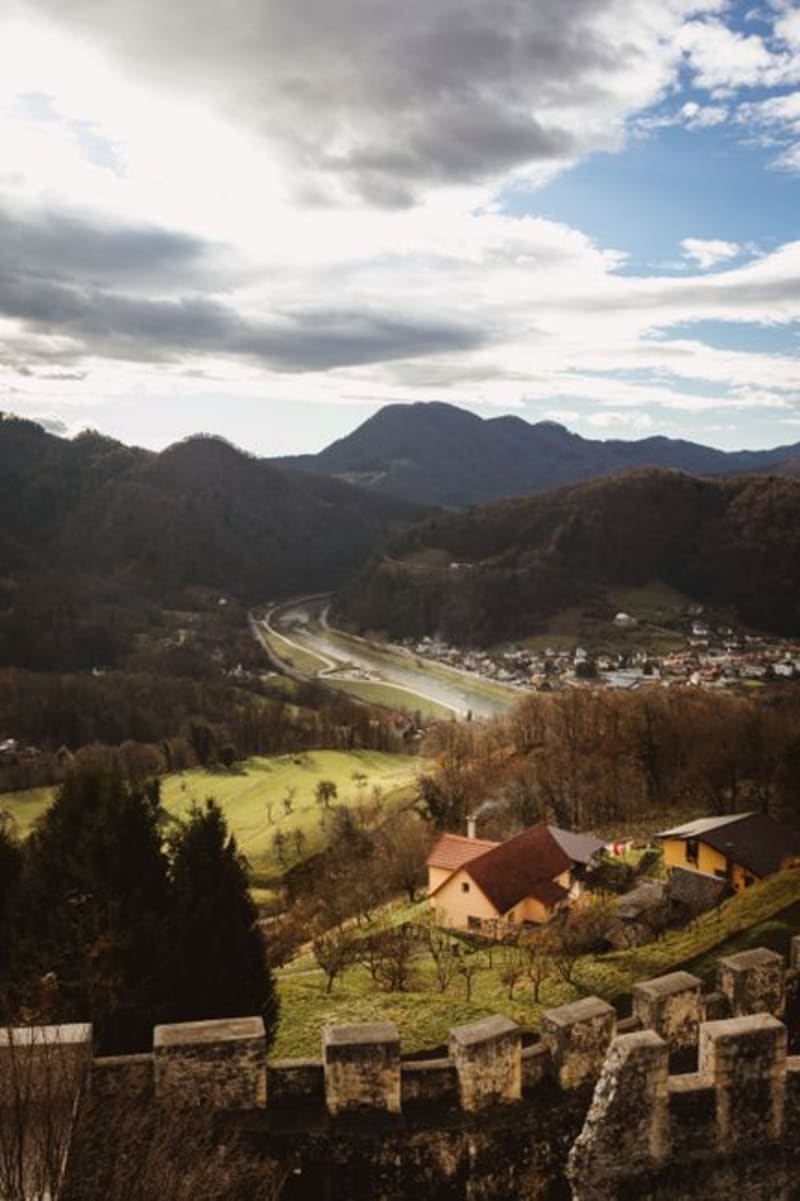 slovenia
 Hrastovlje
A fortified medieval church hiding one of Europe's most complete Dance of Death frescoes — skeletons leading a pope, a king, and a peasant to the same grave, painted on the walls of a chapel surrounded by defensive stone.
Explore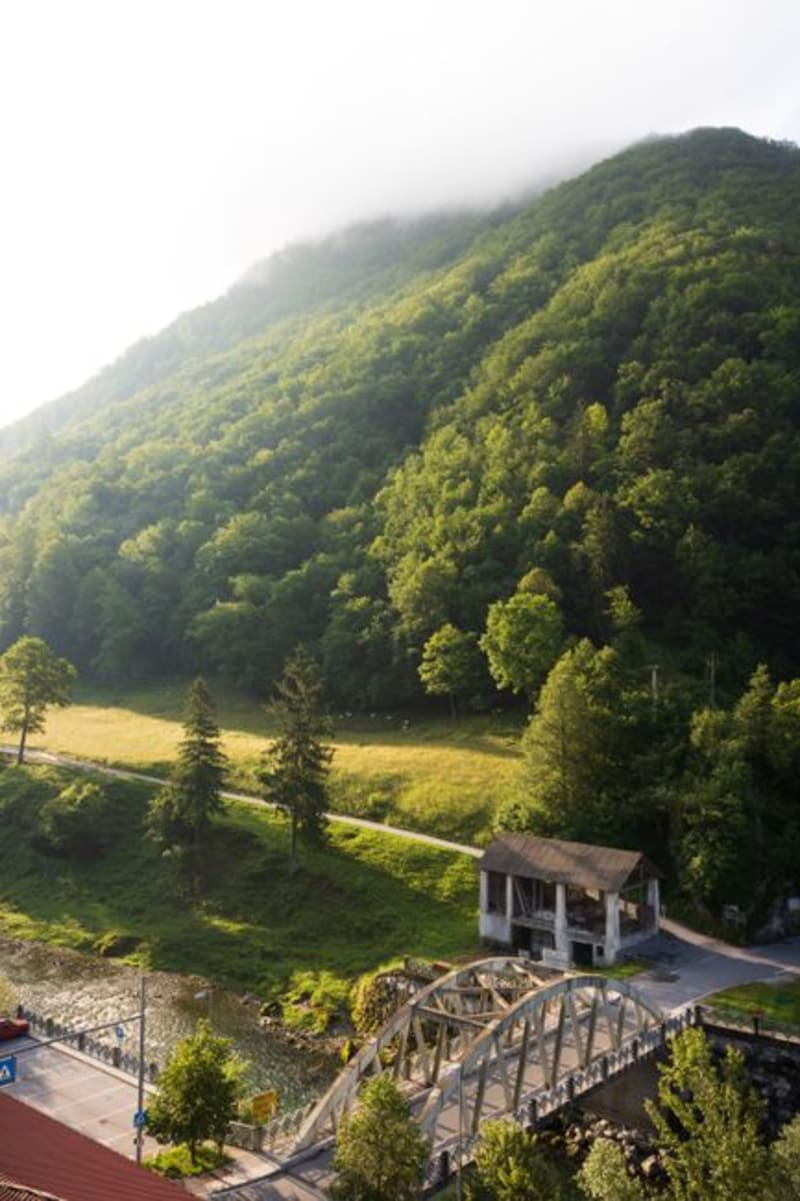 slovenia
 Idrija
A UNESCO mining town built on five centuries of mercury extraction, where a black hole in the earth funded a lace-making tradition of extraordinary delicacy.
Explore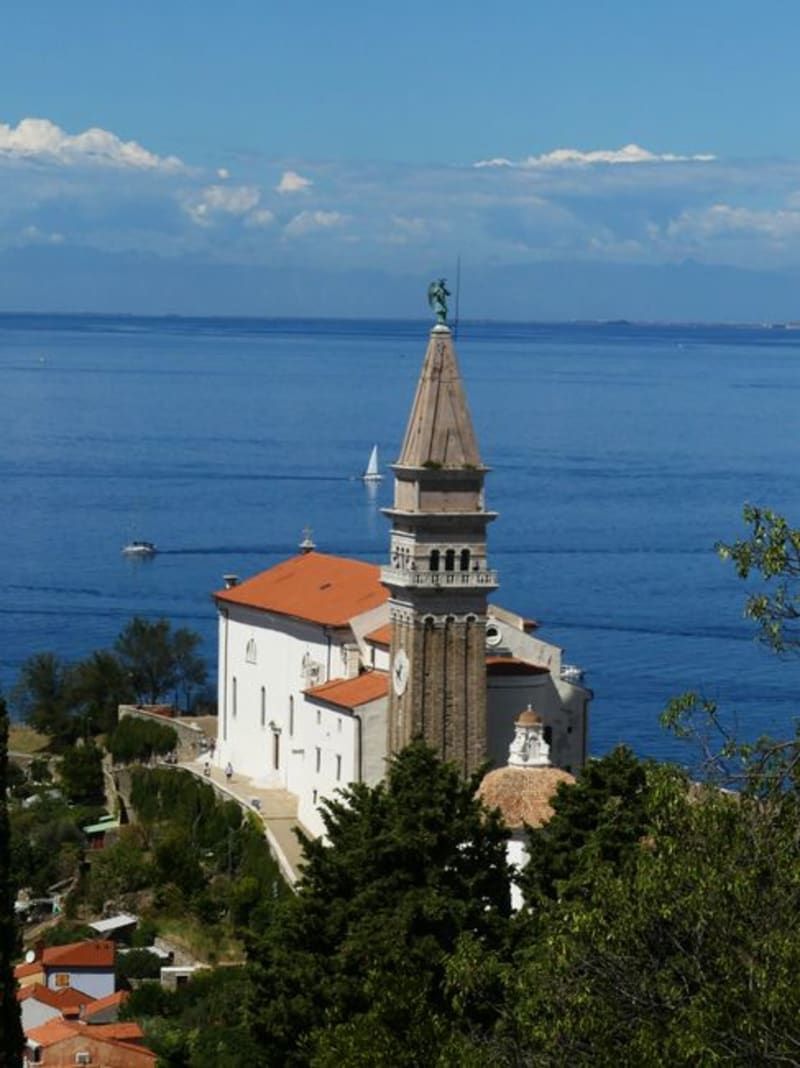 slovenia
 Izola
A scruffy, unglamorous fishing town between Koper and Piran that has resisted the postcard treatment — and is exactly what I wanted the Slovenian coast to feel like.
Explore