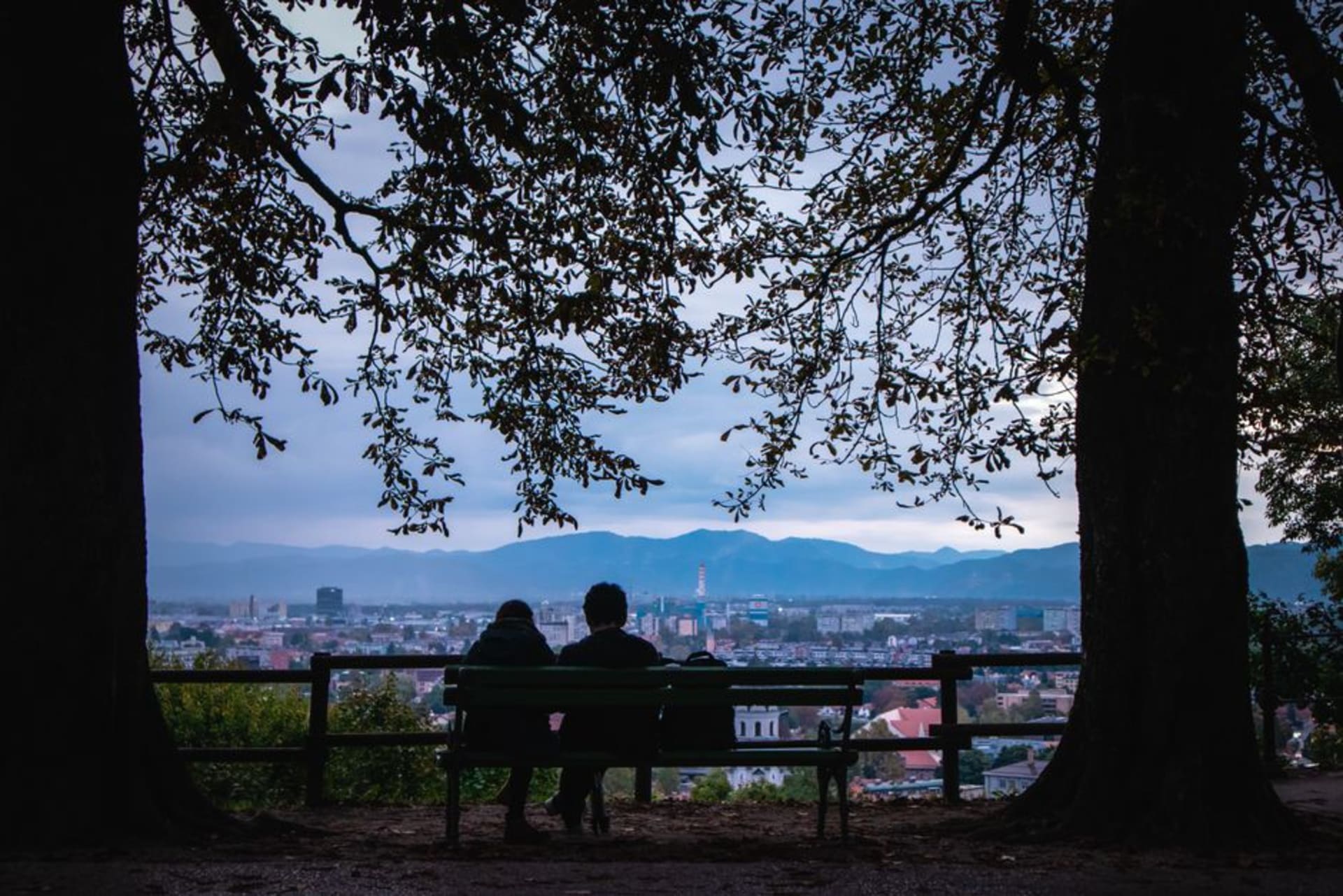
Ljubljana Botanical Garden
"The oldest garden in Central Europe still feels like the newest secret in Ljubljana."
Central Europe's oldest botanical garden, a modest but densely planted refuge along the Ljubljanica where more than 4,500 plant species grow in quiet order.
I found the Ljubljana Botanical Garden mostly by process of elimination — Lia wanted a quiet morning away from the old town’s cafés, and a quick search turned up a garden founded in 1810, making it the oldest continuously operating botanical garden in Central Europe. Neither of us expected much. We ended up staying nearly two hours.
Small in Size, Dense in Detail
The garden covers barely two hectares, tiny by botanical garden standards, but the density of the planting makes it feel far larger than it is. More than 4,500 plant species and subspecies are packed into that space, arranged along gravel paths that curve just enough to keep revealing new sections rather than laying the whole garden out at once. There’s a serious Alpine collection, reflecting Slovenia’s own mountain flora, alongside a greenhouse of tropical and subtropical species that felt almost disorienting after a week of alpine air.
A Working Institution, Not Just a Park
Unlike Tivoli Park’s broad public lawns, the Botanical Garden functions as a genuine research institution tied to the University of Ljubljana, and you feel that seriousness in the labeling and the careful sectioning of the collection — by geography, by family, by use. A researcher was quietly cataloguing something in the fern section when we passed, entirely uninterested in the two tourists wandering past with a guidebook. It gave the whole place the pleasant, slightly academic hush of a library that happens to be outdoors.
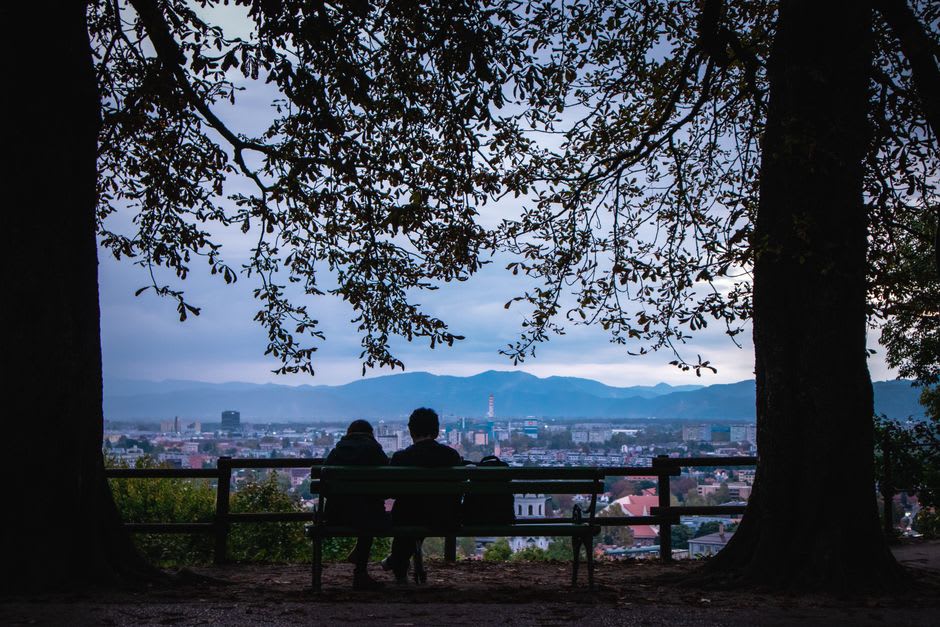
The garden borders the Ljubljanica directly, and a bench along that stretch of riverbank turned out to be one of the best quiet spots we found in the entire city — close enough to hear the water, far enough from the old town’s noise that we sat for half an hour without seeing another visitor.
When to go: Late spring through summer for the fullest bloom, though the garden is free to enter and pleasant in any season if you just want a quiet green corner away from the crowds. Entry is by donation, which feels appropriately modest for a place this unassuming.