Bogojina
"I walked into a village church expecting five quiet minutes and stayed for an hour, unable to stop looking up."
A small Prekmurje village whose parish church, rebuilt by the architect Jože Plečnik, hides one of the most unexpectedly beautiful interiors in the country behind an unassuming brick exterior.
I found Bogojina by accident, the way I find most of the places I end up loving most. I’d been reading about Jože Plečnik — the architect who reshaped Ljubljana with his bridges, colonnades, and the National and University Library that looks like nowhere else in Europe — and a footnote mentioned a small church he’d rebuilt out in Prekmurje, far from his usual urban canvases. Bogojina is a village of maybe a thousand people, flat farmland in every direction, no reason to detour here unless you know what’s inside the church. We knew, and we detoured.
A Village Church Unlike Any Other
The Church of the Ascension in Bogojina was largely rebuilt by Plečnik in the 1920s, and what he did to the interior is the kind of thing that makes you reassess what a small rural parish church is capable of holding. The ceiling is wood, vaulted, and painted with geometric folk patterns in ochre and rust tones that feel simultaneously ancient and completely modern. Wrought iron chandeliers, hand-carved details, a pulpit and altar that carry Plečnik’s unmistakable vocabulary — the same instinct for combining classical form with folk material that he brought to his Ljubljana projects, except here it’s compressed into a single small nave rather than spread across a city.
Why It Matters Beyond the Architecture
What struck me most was the incongruity of it — this level of design ambition, applied without compromise, to a parish church in a village most Slovenians outside Prekmurje couldn’t place on a map. Plečnik didn’t treat rural commissions as lesser work. He brought the full weight of his vision to a village congregation the same way he brought it to a national library, and the result is a building that feels far too significant for its setting, in the best possible sense. An elderly woman was arranging flowers at the altar when we visited and seemed entirely unsurprised that two foreigners had shown up specifically to look at her church’s ceiling. I got the sense she’d seen it before.
Around the Village
Bogojina itself is unremarkable in the way that lets you appreciate the church even more by contrast — a scattering of farmhouses, a general store, storks on the rooftops in summer, fields running flat to the horizon in every direction. There’s a small ethnographic collection nearby documenting Prekmurje folk costume and craft traditions, worth twenty minutes if it happens to be open. Mostly, though, this is a stop built around one building, and one building is more than enough reason to come.
When to go: The church is open most days but confirm hours locally, as they vary and Sunday mass takes priority over sightseeing. Late morning light works best for photographing the ceiling. Combine with Moravske Toplice, a short drive away, to make a full day of the detour worthwhile.
Keep exploring
More from Slovenia
 slovenia
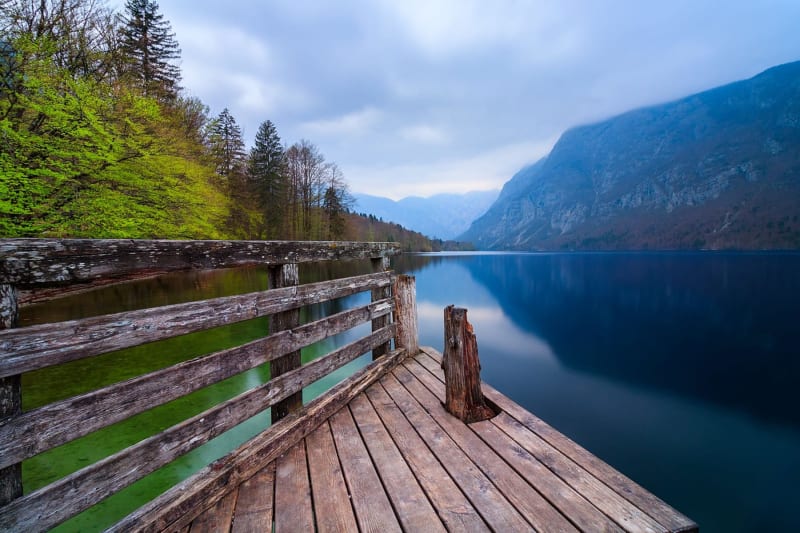
 Bohinj
A glacial lake in the Julian Alps, wilder and quieter than its famous neighbor Bled — the Slovenia that hasn't been packaged for postcards yet.
Explore slovenia
 Ljubljana Botanical Garden
Central Europe's oldest botanical garden, a modest but densely planted refuge along the Ljubljanica where more than 4,500 plant species grow in quiet order.
Explore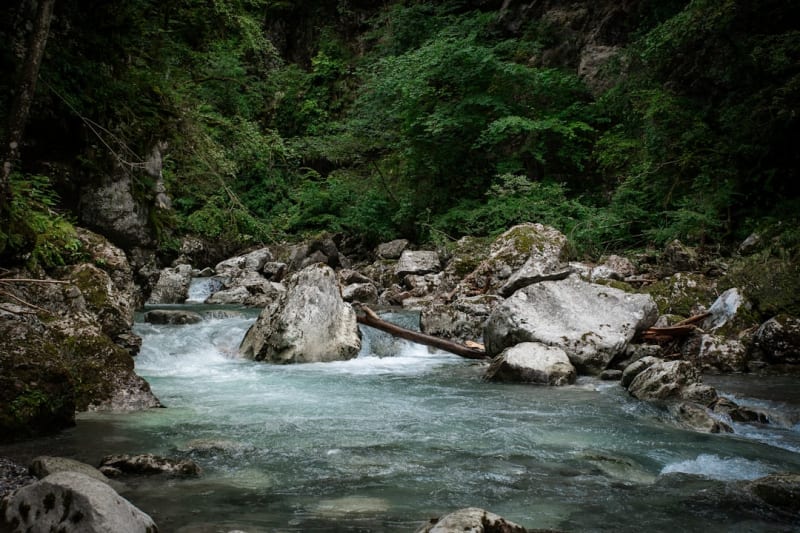 slovenia
 Bovec
The unofficial adrenaline capital of Slovenia, where the Soča River funnels every kayaker, rafter, and canyoner in the country into one small alpine town.
Explore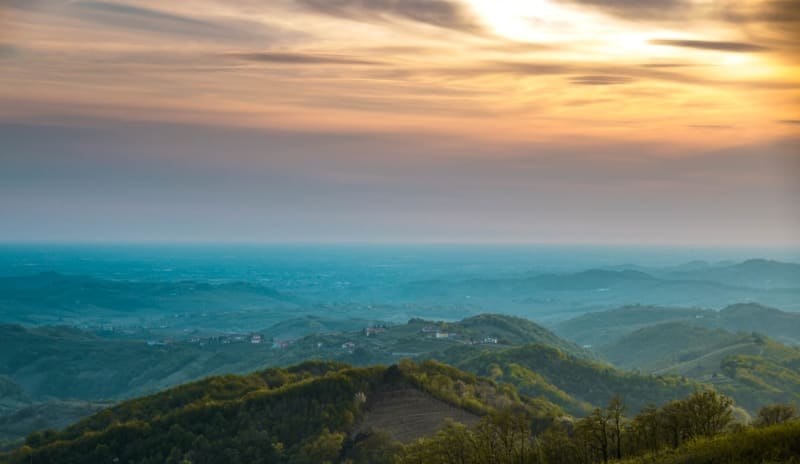 slovenia
 Brda
Rolling wine hills on the Italian border, often called Slovenia's Tuscany, where cherry orchards and vineyards blur seamlessly across a frontier nobody bothers to notice.
Explore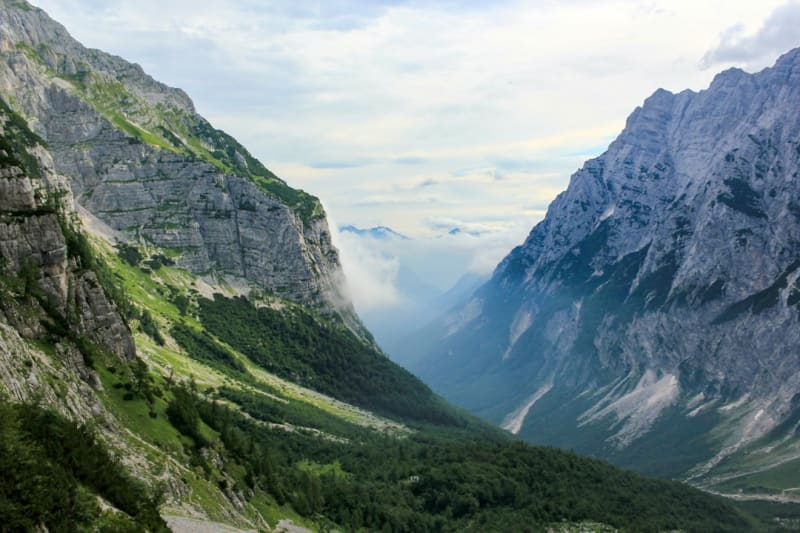 slovenia
 Celje
Slovenia's third city, ruled once by a dynasty that nearly became European royalty, still guarded by the largest medieval castle ruin in the country.
Explore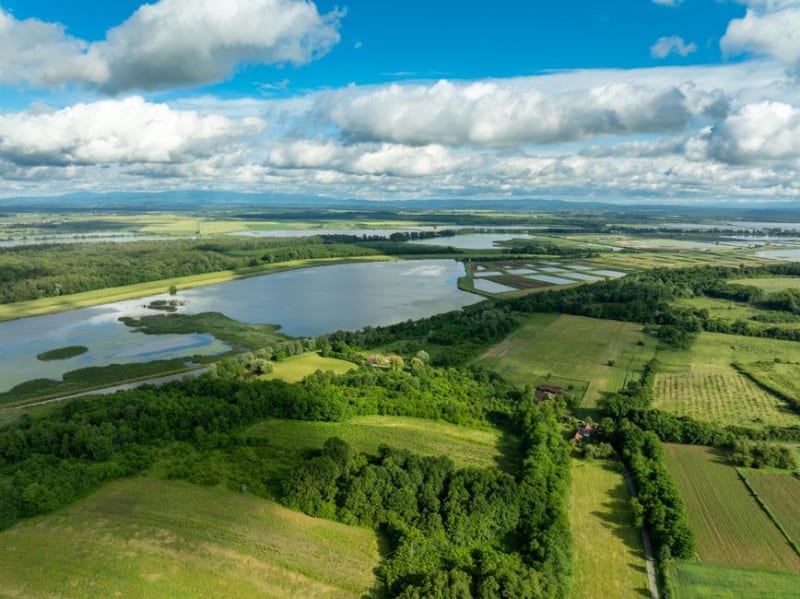 slovenia
 Lake Cerknica
An intermittent lake that vanishes underground each summer through a network of karst sinkholes and refills every autumn — one of Europe's strangest bodies of water, described by astronomer Johannes Kepler four centuries ago.
Explore