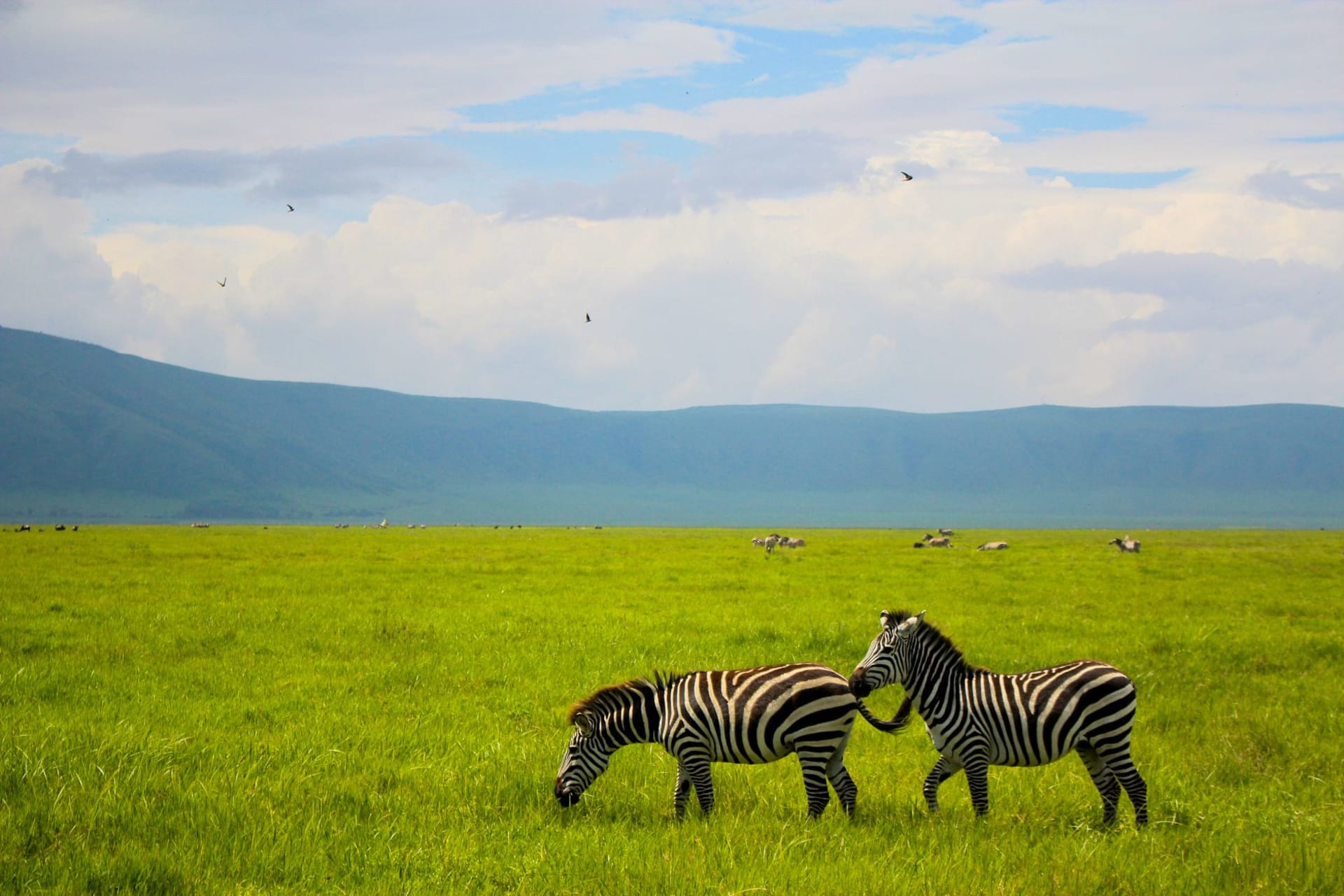
I drove into Seronera for the first time at five in the afternoon, when the light had gone sideways and everything was the color of raw honey. The grass along the Seronera River was tall enough to swallow a vehicle, and our guide, a quietly watchful man named Daudi, cut the engine and pointed at what looked like an arrangement of boulders rising from the plain. It took me a full minute to see the lions — six of them, draped across the kopje’s granite curves with the particular bonelessness of creatures that have never once been afraid. One opened an eye. Decided I wasn’t worth the effort. Closed it again.
Seronera is the center of everything. Geographically it sits at the heart of the Serengeti’s 14,763 square kilometers, and ecologically it functions as the richest wildlife corridor the park has to offer. The Seronera River and its tributaries create ribbons of permanent water through the central plains, which means the animals that depend on water — and the predators that depend on the animals — concentrate here year-round regardless of the migration’s current position. Other parts of the Serengeti have seasonal rhythms. Seronera has no off-season.

The fever trees along the river are where you find the leopards, and I became mildly obsessed with them. They are maddeningly hard to spot — tawny on tawny, draped along branches that match their own spotted coats so precisely it seems like evolutionary showing off. Daudi had an almost preternatural ability to find them. He would slow the vehicle, tilt his head, say something low under his breath, and there would be a leopard seven meters up, watching us with an expression of supreme indifference. We found four in three days on the same stretch of river, and I kept confusing them for each other until Daudi explained they all have different rosette patterns, like fingerprints, and that he knew each one by name. I asked how he learned. He said his father taught him. His father had guided in Seronera for thirty years.
There is a quality of attention that the Serengeti teaches you — a kind of patient, low-frequency watchfulness that is the opposite of how I normally move through the world. In Mexico City, where I live, everything announces itself. Here, everything hides. The secretary bird hunts with the focused quiet of someone reading a difficult book. The cheetah sits at the top of a termite mound scanning the grass with eyes that barely move. Even the elephants, when they want to, can materialize from a stand of acacia as silently as weather. After two days in Seronera I caught myself scanning roadsides back at camp, checking fence posts for raptors, looking for shapes that weren’t shapes.
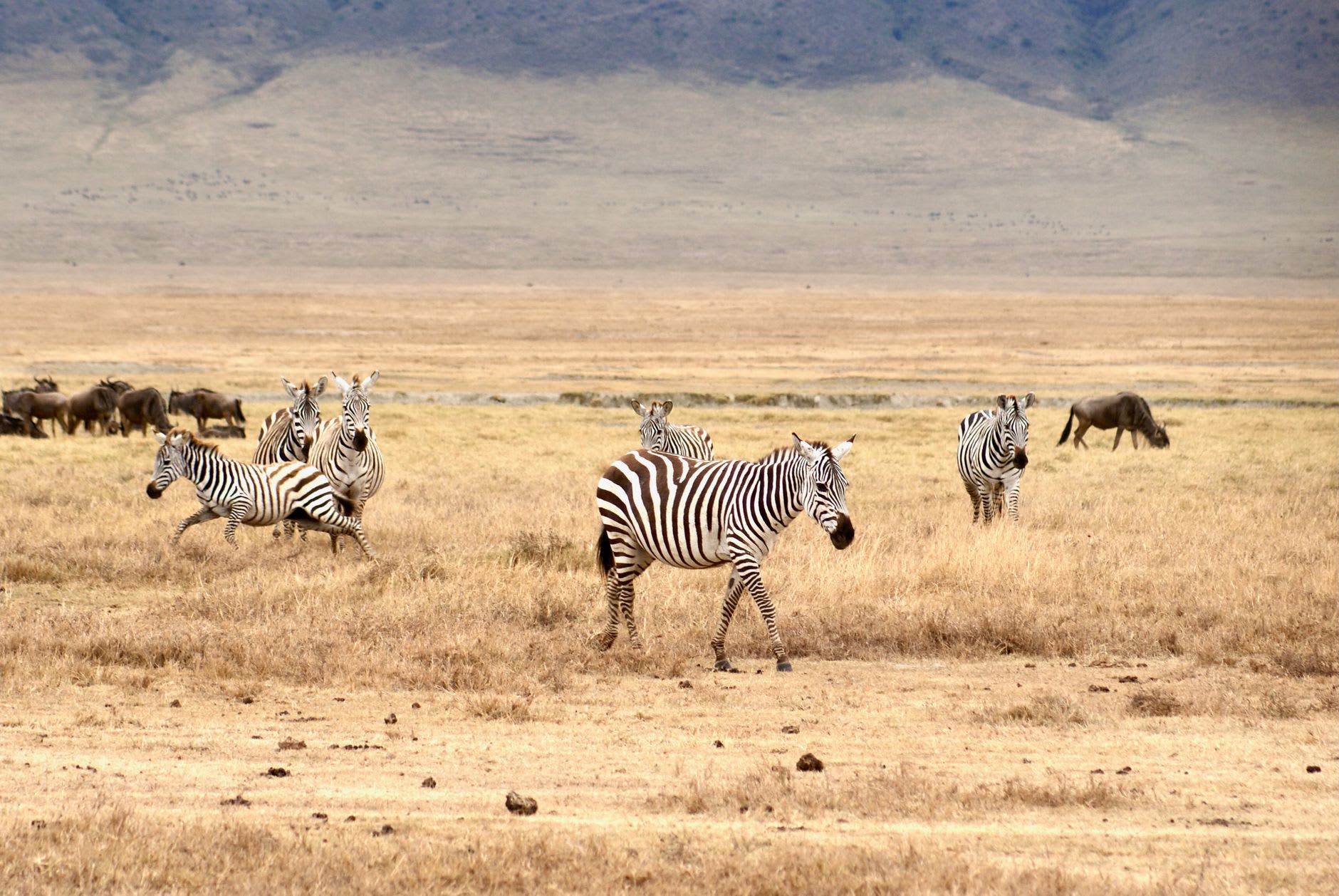
The camp I stayed in served ugali with a beef and tomato stew that I ate standing up by the fire while the hippos on the river below made their night sounds — a sort of wheeze-grunt-laugh that carries remarkably well through the dark. The camp cook made a cardamom tea so sweet it was basically dessert. We talked about his daughter’s school in Arusha, about the rains that had been late that year, about what the lions did when the camp generator ran. He said they came closer in the silence. Of course they did.
When to go: Seronera rewards visits year-round, which is its great advantage. The dry season (June–October) concentrates animals near water and makes the grass navigable. But January through March — the calving season on the southern plains — pushes enormous herds through this corridor and the predator activity becomes almost overwhelming in its intensity.