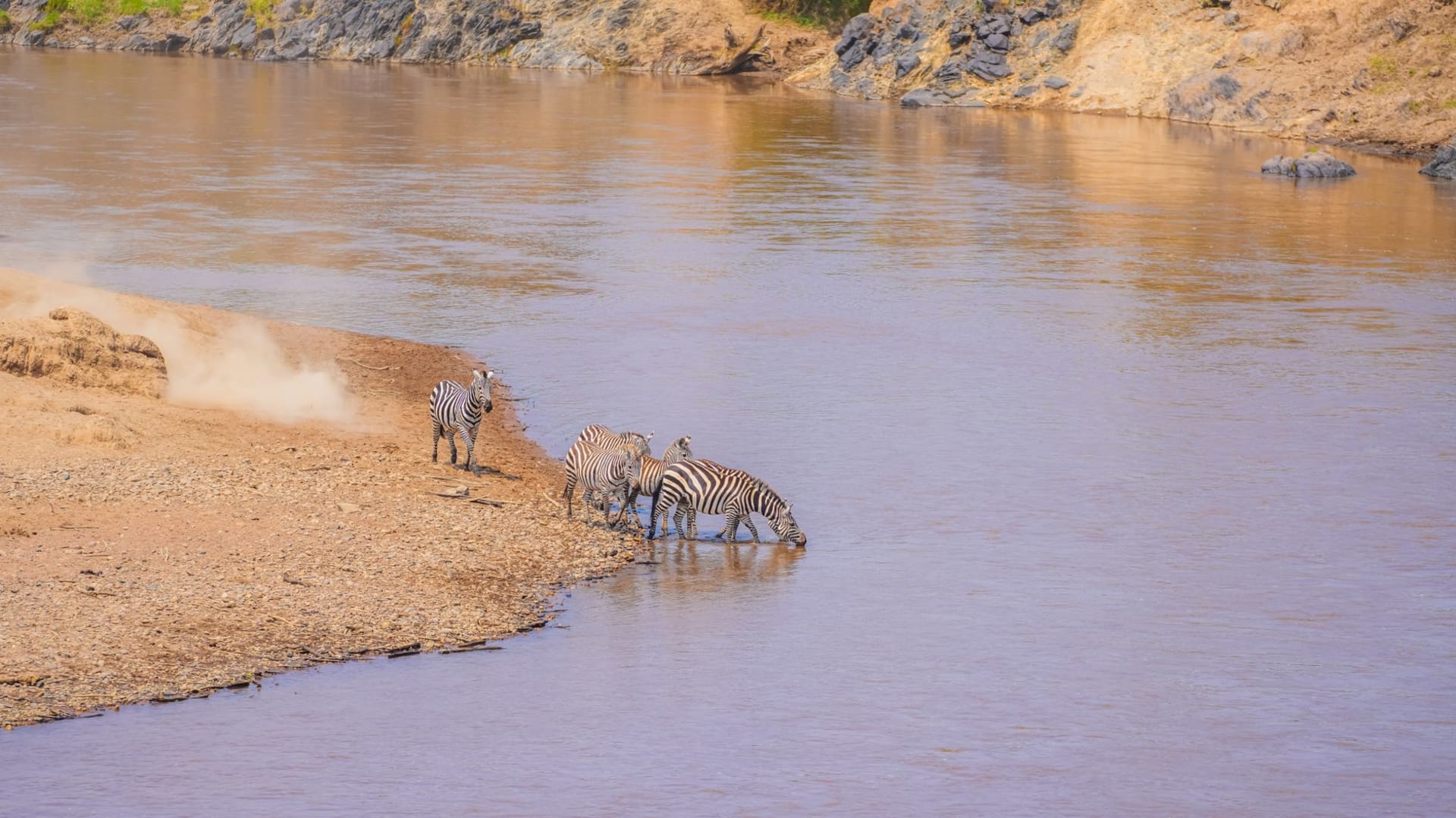
Mara River Crossing
"I waited four days for the crossing. When it happened, I forgot to breathe."
The Mara River crossing is the most anticipated wildlife event on the planet, and arriving at the northern Serengeti in late July is to enter a kind of collective waiting. Other vehicles position themselves at known crossing points — the steep-banked bends near Kogatende where the wildebeest traditionally enter — and the drivers exchange information on the radio in the measured tones of air traffic controllers. The herds are moving. The herds have stopped. The herds have turned. My guide, Thomas, had been doing this for sixteen years and had adopted the philosophical patience of someone who understands that the wildebeest operate on their own schedule, responsive only to grass availability and river chemistry, and that no amount of wanting will make them cross before they’re ready.
We waited four days. The first three were false starts — the front columns would compact at the bank, crush forward, test the current, and then something invisible would ripple backward through the herd and they would wheel away from the water like a single organism. On the fourth morning, Thomas woke me at five and said, with characteristic understatement, “I think today.” By six-thirty we were parked above a bend I had memorized by then, and the sound that came across the plain was the low, continuous rumble of hundreds of thousands of hooves. The air smelled of dust and dung and something animal and old.
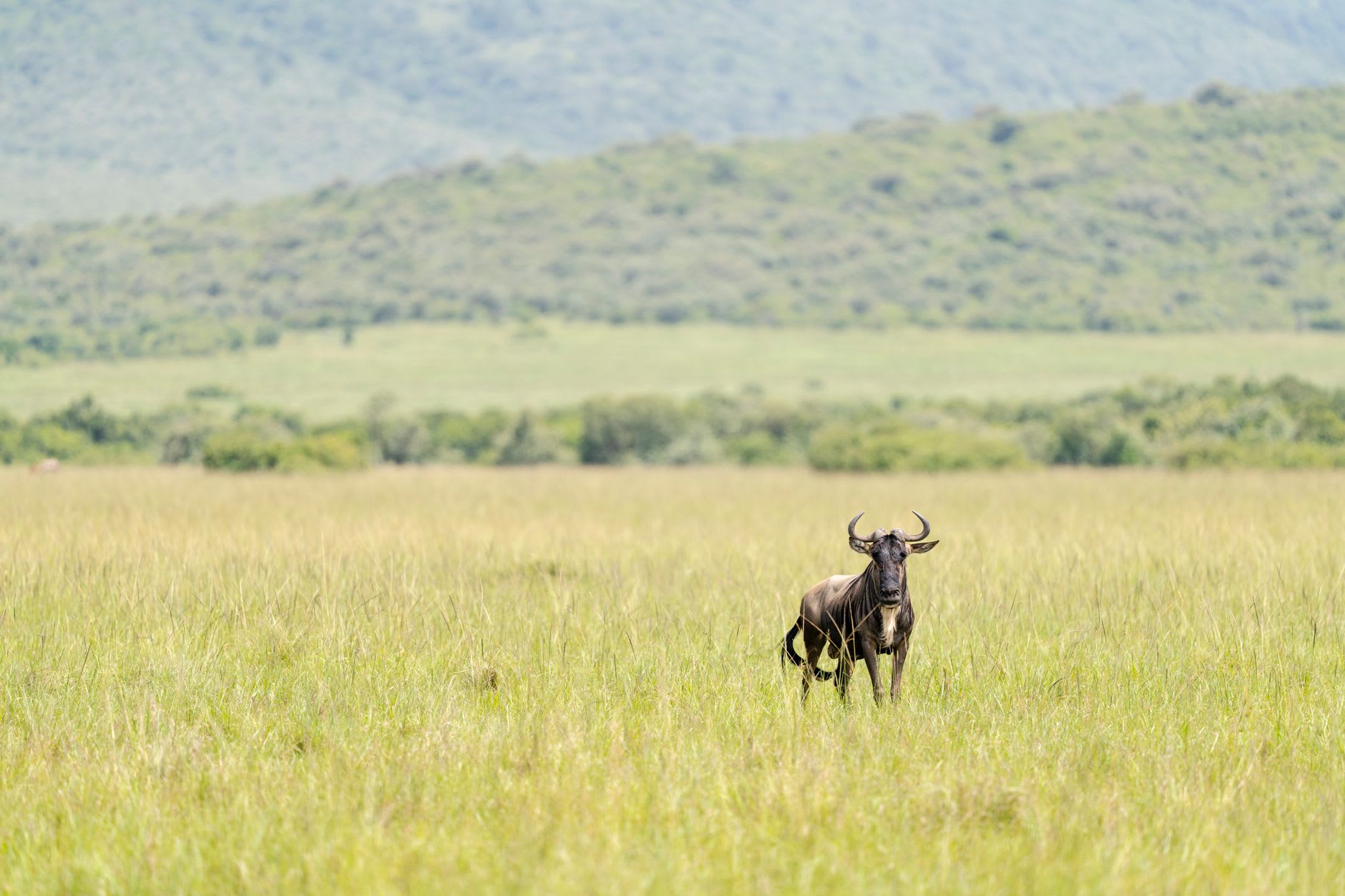
When the first wildebeest went in, it seemed like an accident — a stumble at the edge rather than a decision. But the ones behind pressed forward, and the ones behind them, and suddenly the river was full: hundreds of animals swimming hard against the current, the surface broken into chaos, the sound like continuous thunder. The crocodiles — Mara crocs that can reach six meters — had arranged themselves downstream and simply waited. They are extraordinarily efficient hunters and they do not rush; they let the current deliver what the current delivers. I watched one take a wildebeest mid-river with a stillness that was almost surgical. The wildebeest on the far bank didn’t register what had happened. They were already grazing.
What the cameras and documentaries can’t prepare you for is the smell. The river carries the collective biology of a million animals — the urine, the blood, the fear — and it hits you before the sight does. The sound is the second thing: the bellowing of separated calves, the splash-crash-splash of entry, the crocodiles’ strange silence. The vision is almost the last thing you process, because your brain is busy with the other inputs. Thomas said something to me during the crossing, some observation about the calf survival rate in heavy crossings, and I didn’t hear it. I was watching the water.
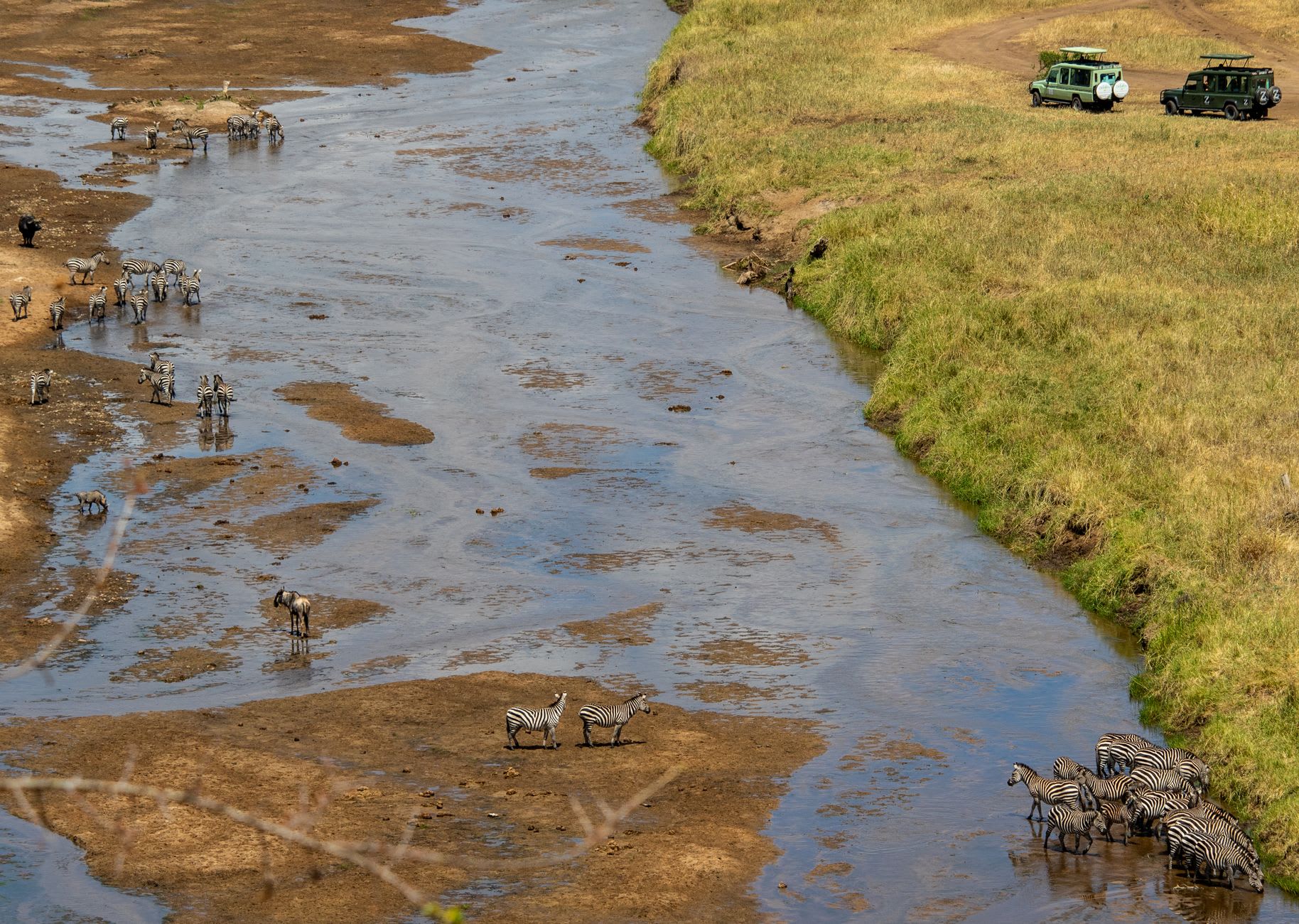
The crossing lasted perhaps forty minutes, and afterward the northern Serengeti fell into a peculiar quiet. The surviving animals spread into the Kenyan Masai Mara grasslands, where they would fatten on grass that had been resting since March. The crocodiles rested, visibly. Thomas drove us to a high bank where we could see perhaps twenty kilometers of the post-crossing landscape — a vast flat plain with scattered thorntrees, empty now, the grass bent where the herd had passed. He made tea from a flask in the glovebox. We didn’t say anything for a while.
When to go: The Mara River crossings typically occur between late July and October, with peak activity in August and September. The exact timing shifts year to year depending on rainfall patterns. Book accommodation near Kogatende at least six months in advance for peak crossing season. The northern Serengeti is also extraordinary in February when the southward return migration passes through, though without the river drama.