Klein's Gate
"Walking in the Serengeti makes you understand, at a cellular level, that you are not at the top of anything."
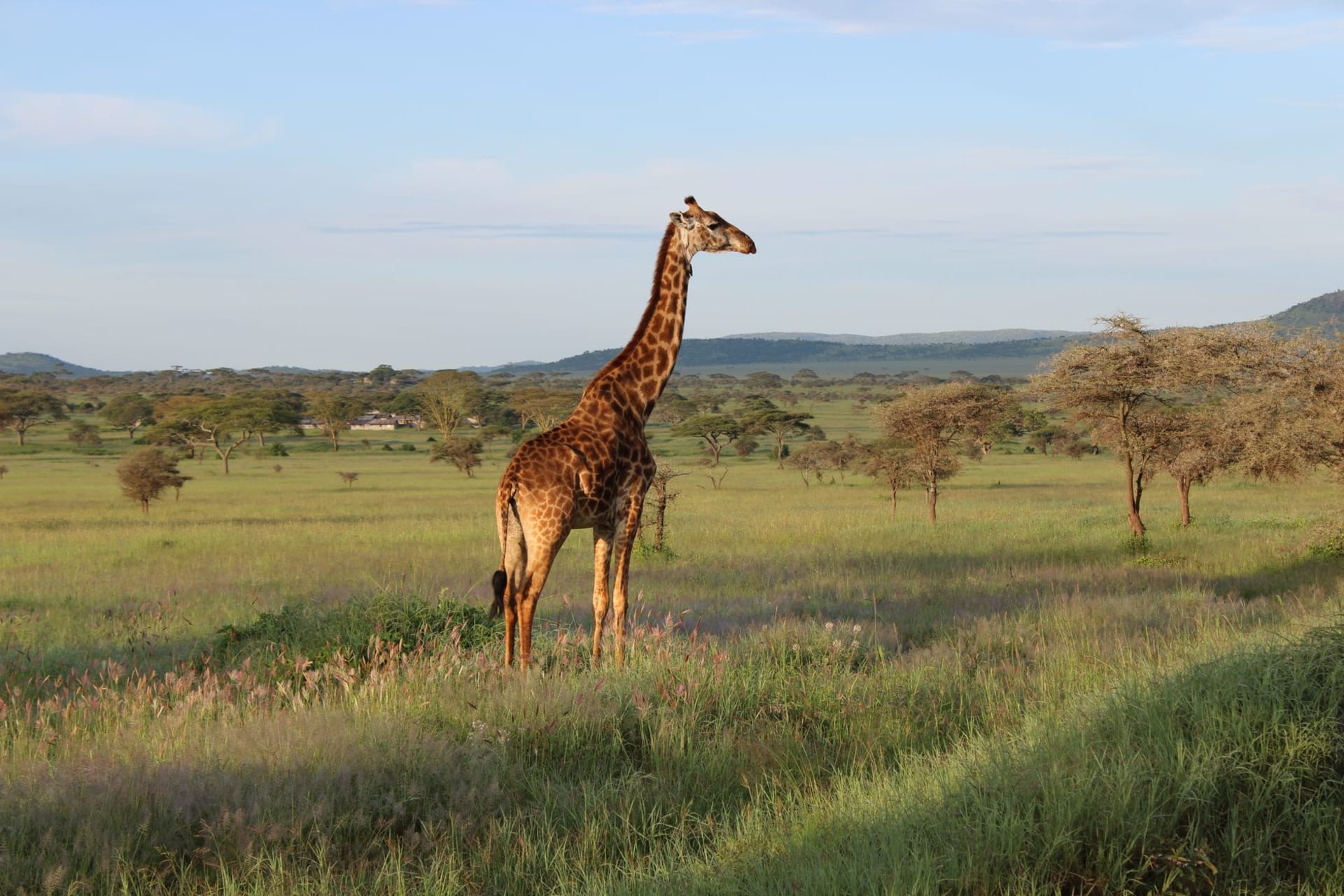
Klein’s Gate is where the Serengeti gets the least traffic and does its least performing. The northeastern corner of the park, bordering the Loliondo Game Controlled Area, has no major rivers and no famous crossings. It doesn’t have the central Serengeti’s year-round predator density or the calving plains’ February theater. What it has is scale — an uninterrupted sweep of dry-season grassland and scattered acacia that stretches north toward Kenya without a road sign or a lodge sign or, on most mornings, another vehicle — and a specific kind of quiet that you don’t get anywhere the safari circuit concentrates.
I came to Klein’s Gate on the recommendation of a guide I met in Lobo who said, without elaboration, “Go there in September if you want to see the Serengeti the way it was.” He was right, though not in the nostalgic sense. The wildlife wasn’t more abundant than elsewhere, wasn’t untouched, wasn’t wild in some pre-tourism way — it was just accessible on your own terms, without the geometry of other vehicles organizing your sightline. My camp was set under a line of sycamore figs on a low ridge, and on three consecutive mornings I walked out with a ranger and a scout — Samuel and Fredrick, both Maasai, both carrying rifles they clearly hoped not to use — into country that felt genuinely unpredictable.
Walking in the Serengeti is not like game driving. In a vehicle you are invisible — a large metal box that the animals have largely learned to accept as benign landscape. On foot you are an animal, and the Serengeti treats you accordingly. The impala see you first and bark their alarm calls; the zebra move away in tight groups, snorting. A buffalo herd we encountered on the second morning made Samuel stop and evaluate for ninety seconds before choosing a wide arc around their downwind side. He explained afterward what he had been reading — the position of the dominant bull, the direction of a slight breeze, whether the herd was relaxed or alert. This is knowledge accumulated through years of walking this specific land, and it is completely nonverifiable from inside a Land Cruiser.
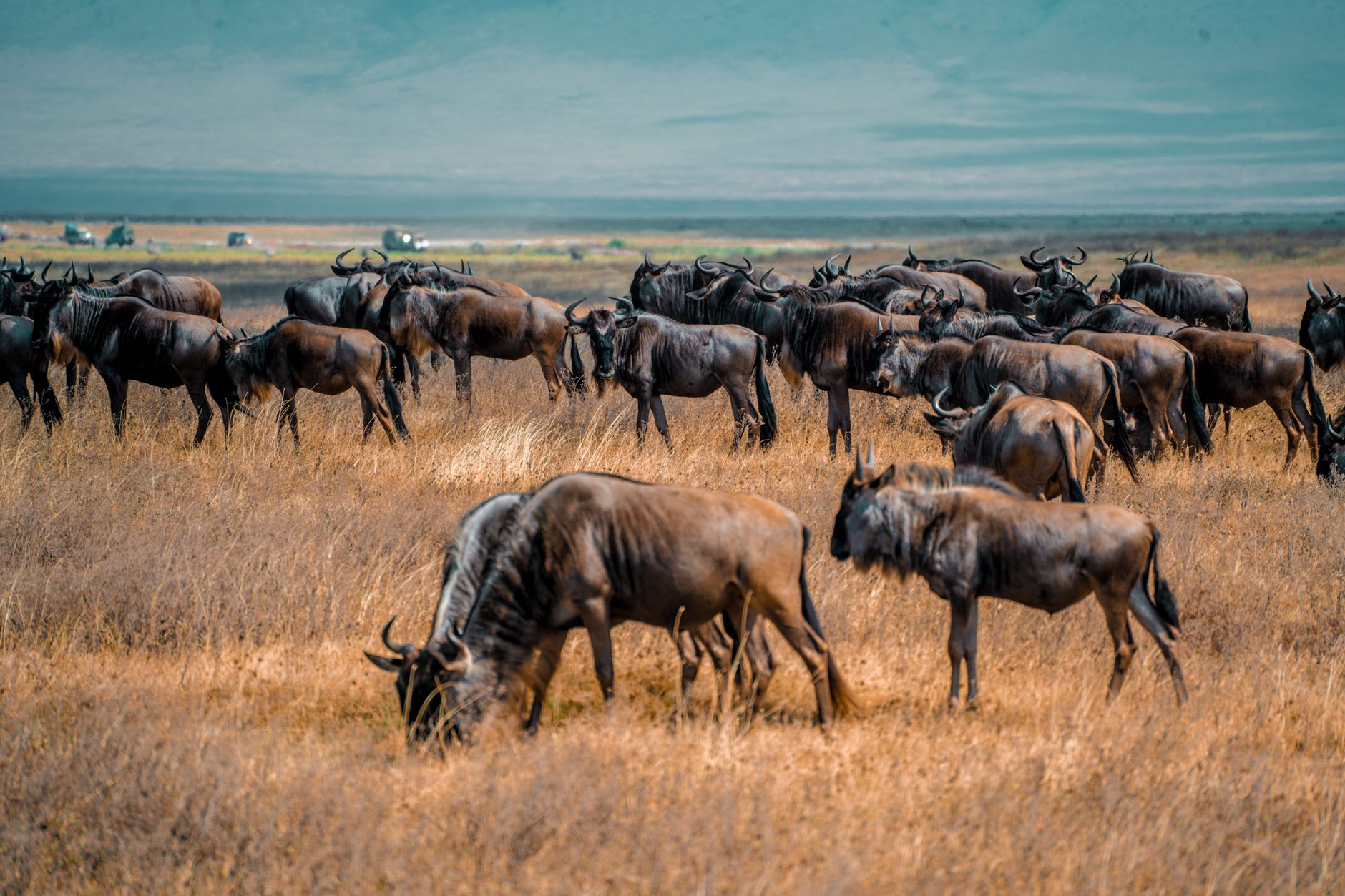
The migration passes through Klein’s Gate on its way to and from the Mara, and in September we found large satellite herds — thousands of animals — moving north along routes that followed some logic I couldn’t read. Samuel pointed out the matriarch zebra leading a family of five and explained they would return this way in November, following the rains south. He said this the way you describe a bus route: reliable, directional, known. The wildebeest we found were less organized, a straggling, continuous column spread across several kilometers, grunting to each other in their improbable way. We sat under an acacia and watched them pass for an hour. Nothing dramatic happened. It was exactly enough.
Evenings at the camp were dominated by a family of spotted hyenas whose den was perhaps 300 meters from the dining area. They came in after dark sometimes, drawn by the smell of food, and the camp staff treated them with a matter-of-fact caution that I found oddly reassuring: not fear, not aggression, just accurate assessment. Fredrick said the same clan had been using the den for at least eight years. Their grandmother’s mother, he said — meaning the camp’s — was the one who made the rule about keeping the kitchen locked.
When to go: September and October are ideal — the northern migration herds are present, the dry season keeps the roads passable, and the relative emptiness of this corner of the park is at its most pronounced. The area is also good in February during the southward return, when large herds pass back through. Walking safaris require advance booking and specific permits; arrange through the camp well ahead of your visit.