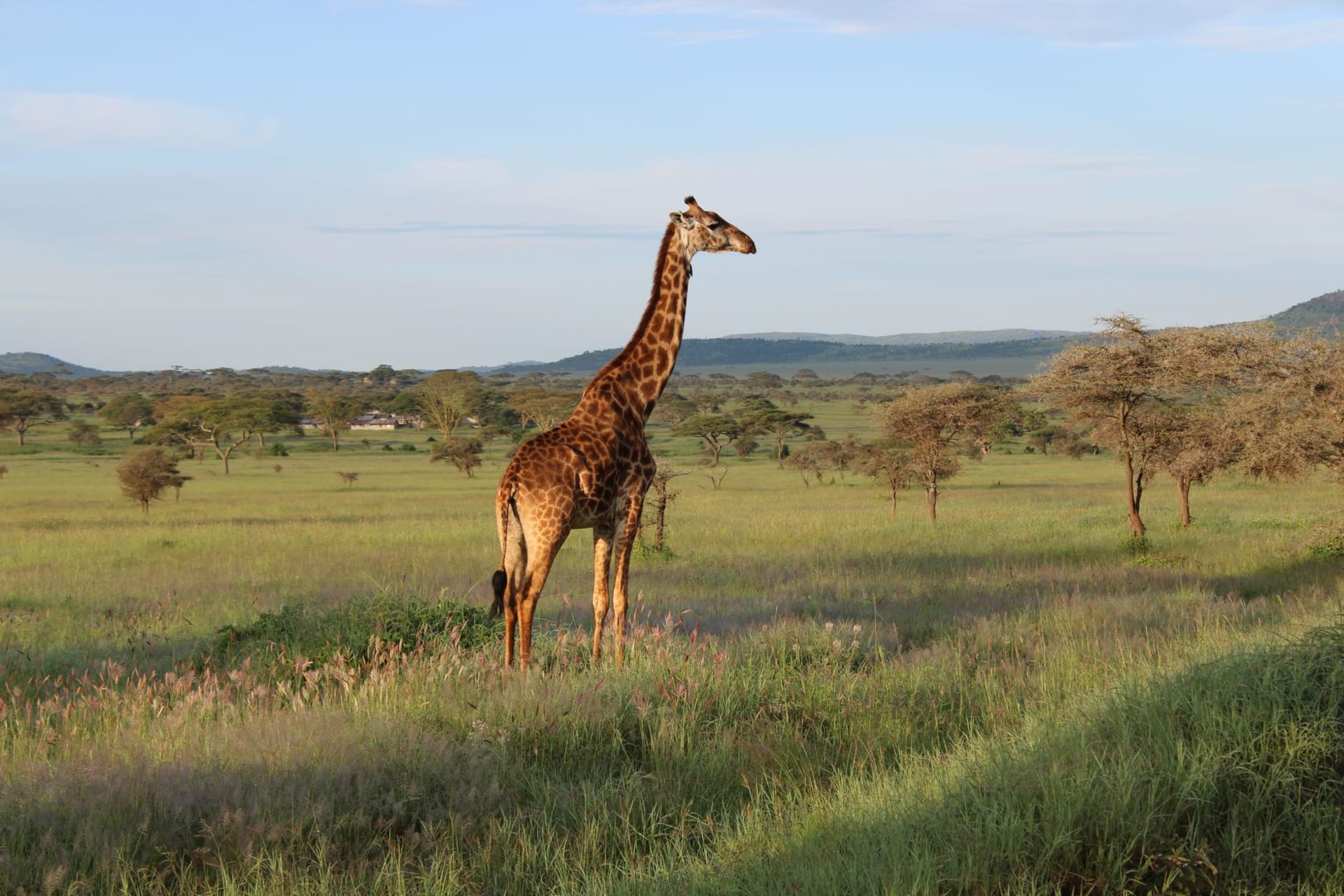
Grumeti Reserve
"The Grumeti croc opened one eye and I understood, viscerally, what a million years of patience looks like."
Nobody talks about Grumeti the way they talk about the Mara. The Mara River crossing, up north, has the clips — the chaos, the churning water, the wildebeest launching themselves off cliffs while crocodiles surge from below. Grumeti is different. Grumeti is quieter, darker, and in its own way more unsettling. The river here moves through gallery forest so dense that certain stretches receive direct sunlight for perhaps two hours a day, and the Nile crocodiles that live in those shadowed pools are among the largest I have ever seen — four, five meters long, the prehistoric kind, the kind that makes you recalibrate what the word “reptile” means.
I came to Grumeti in late June, at the tail end of the migration’s passage through the western corridor. The private concession that manages most of the reserve had issued exactly the vehicles they had capacity for — which turned out to be two others plus ours — and on the morning we drove out at six, the Grumeti River track was empty enough that we spooked a martial eagle off a carmine bee-eater colony simply by driving past. My guide, Zawadi, laughed quietly at how startled I was. She had grown up near Mugumu, on the reserve’s eastern border, and had been guiding for nine years. She knew where the crocs denned before the rains, which pools they preferred when the water dropped, and exactly how long we could watch from the bank before they lost interest and submerged.
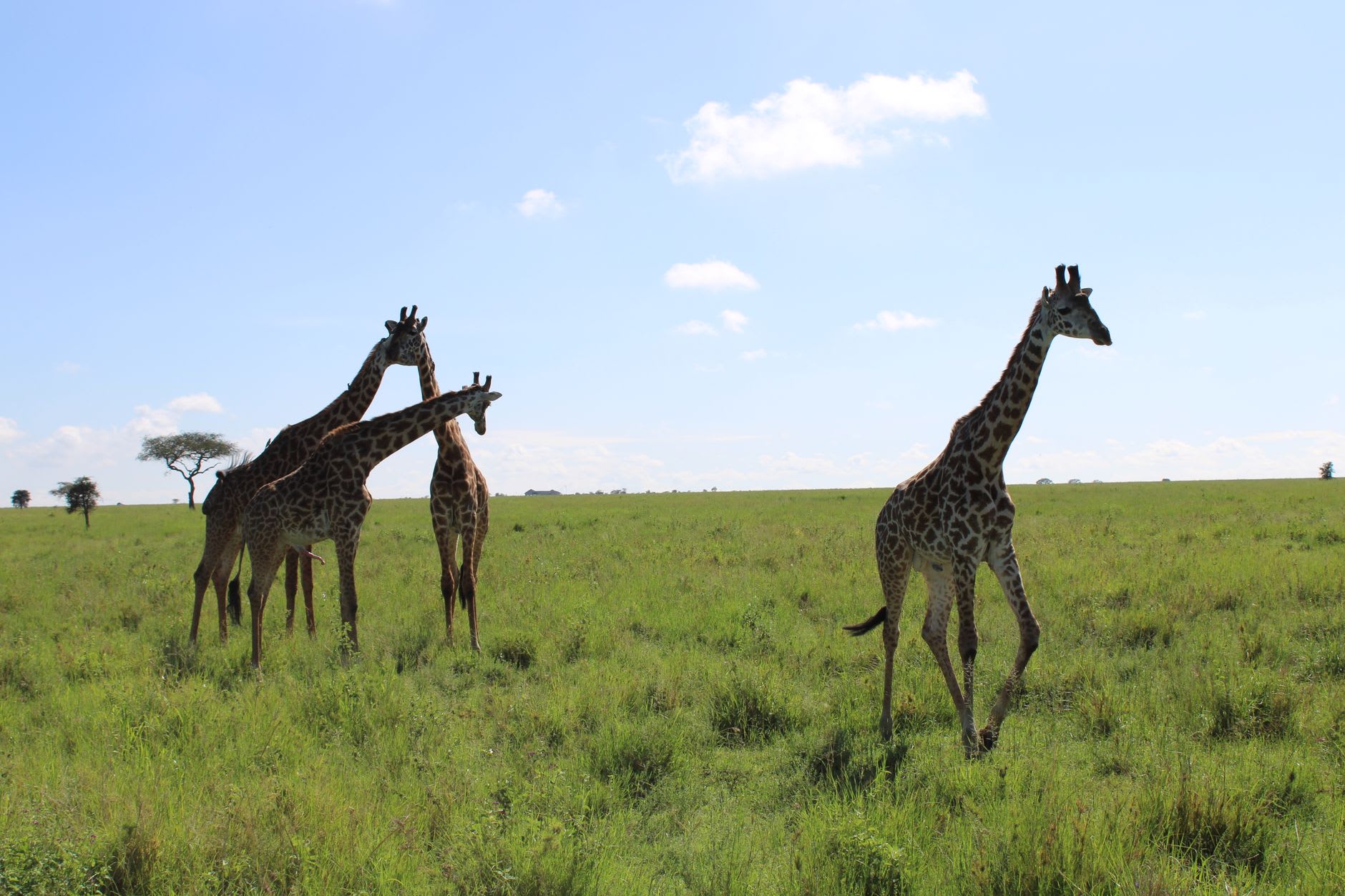
The crossing we witnessed — it happened by accident, which is how the best wildlife moments tend to happen — involved perhaps three hundred wildebeest. They had been massing on the northern bank since early morning, the front animals pressing forward and then recoiling from the water’s edge in that specific collective panic the migration does. It is not stupidity, Zawadi explained; it is information processing at scale. The animals at the back have no idea what the animals at the front are sensing. It took ninety minutes of approach-and-retreat before something broke the equilibrium — a single wildebeest simply walked in, and the rest followed with a sound like rainfall on a tin roof. Three crocodiles moved simultaneously from three different positions. Two wildebeest didn’t make it. The rest poured up the southern bank and stood shaking in the grass, already beginning to graze, already forgetting.
What Grumeti offers beyond the river drama is space and privacy. The concession encompasses 350,000 acres, and the absence of the Mara’s safari-vehicle density means you can sit at a sighting for as long as you want without someone else’s Land Cruiser edging into your sightline. We found a cheetah coalition — three males — hunting topi on the open floodplain, and we stayed with them for three hours. No one else came. The light changed from morning white to noon-bleach to the copper of late afternoon, and the cheetahs rested and groomed and ran and failed and tried again, and Zawadi narrated it all in the same quiet, specific way she did everything, the way you talk when the thing you’re describing matters to you personally.
The camp served grilled fish from Lake Victoria with a pili-pili sauce that hit hard and then released a sweetness I couldn’t identify. The camp manager said it was tamarind. I ate two portions and then sat outside until midnight listening to the river, which made a continuous low sound like something thinking.
When to go: June and July are peak season for Grumeti, when the migration’s western arm passes through and the river crossings happen. Outside this window — October through March — the concession is nearly empty and the resident wildlife (lion, leopard, elephant, hippo) is undisturbed and accessible. The long rains (April–May) close some tracks but the birdlife becomes extraordinary.