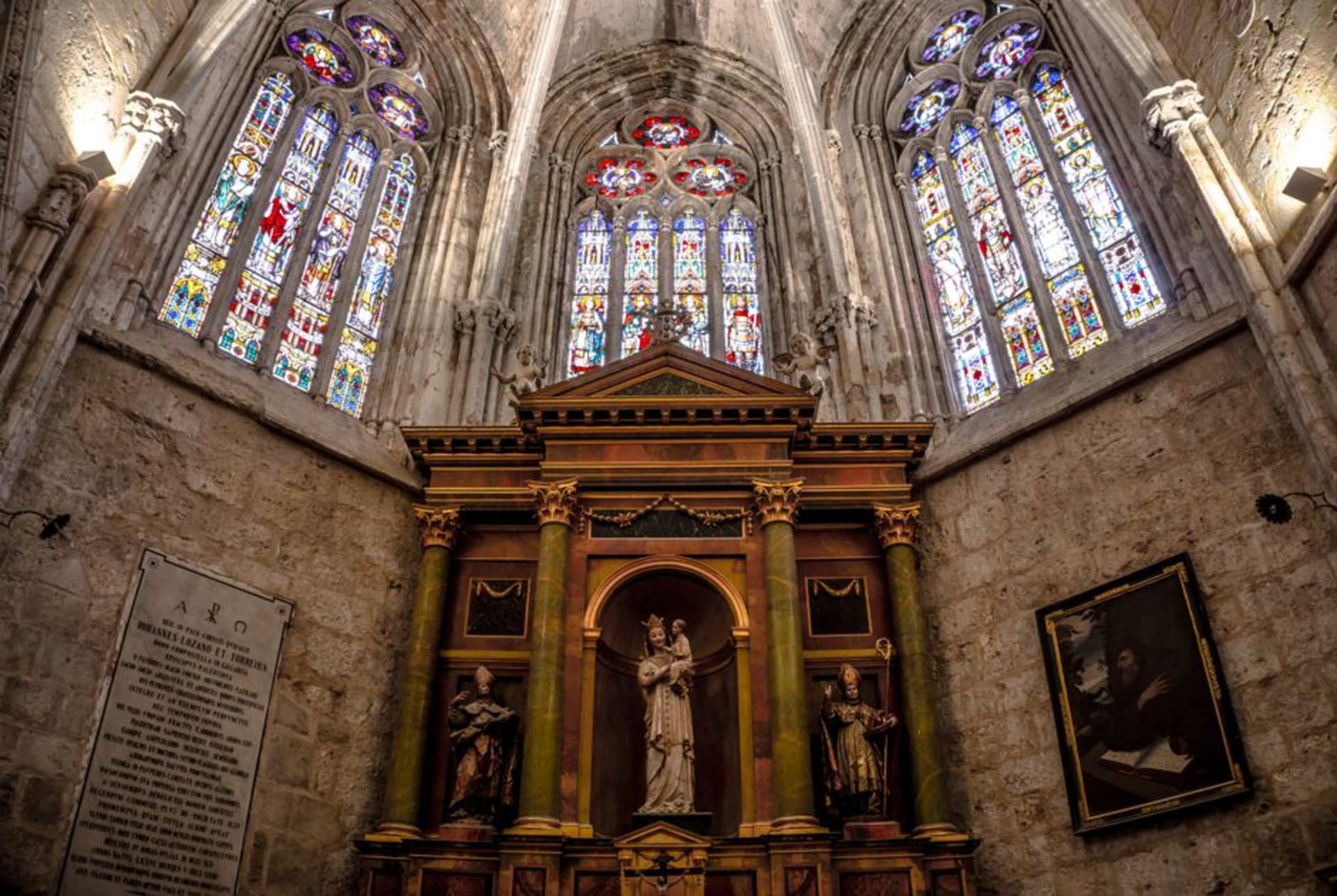
Monastère de Keur Moussa
"I've heard a lot of church music. I'd never heard a kora carry a Gregorian chant before Keur Moussa."
A Benedictine monastery in the forested hills near Thiès where monks accompany the Gregorian mass with kora music of their own invention, blending Catholic liturgy and Mandinka instrumentation into something I've never heard anywhere else.
A friend in Dakar told me, almost as an aside, that there was a monastery an hour outside the city where the monks played kora during Mass, and I filed it away as the kind of detail that sounds better in conversation than in reality. It wasn’t. Keur Moussa sits in wooded hills not far from Thiès, founded by French Benedictine monks in the 1960s, and somewhere in its first decades the community made the deliberate choice to build their liturgical music around the kora rather than import it wholesale from France — a decision that produced something genuinely singular in the world.
I arrived for the Sunday morning Mass, unsure what to expect and slightly self-conscious as one of a handful of visible outsiders among a congregation that clearly came regularly. The chapel is simple, whitewashed, unpretentious. Then the music started, and it stopped being simple at all — Gregorian chant’s long modal lines carried on kora instead of organ, the instrument’s cascading, harp-like runs filling gaps where I instinctively expected silence or a choir. It shouldn’t have worked as well as it did. West African string music and medieval European liturgy have no obvious business fitting together, and yet somehow the kora’s brightness gave the chant a lift I’d never associated with it before.
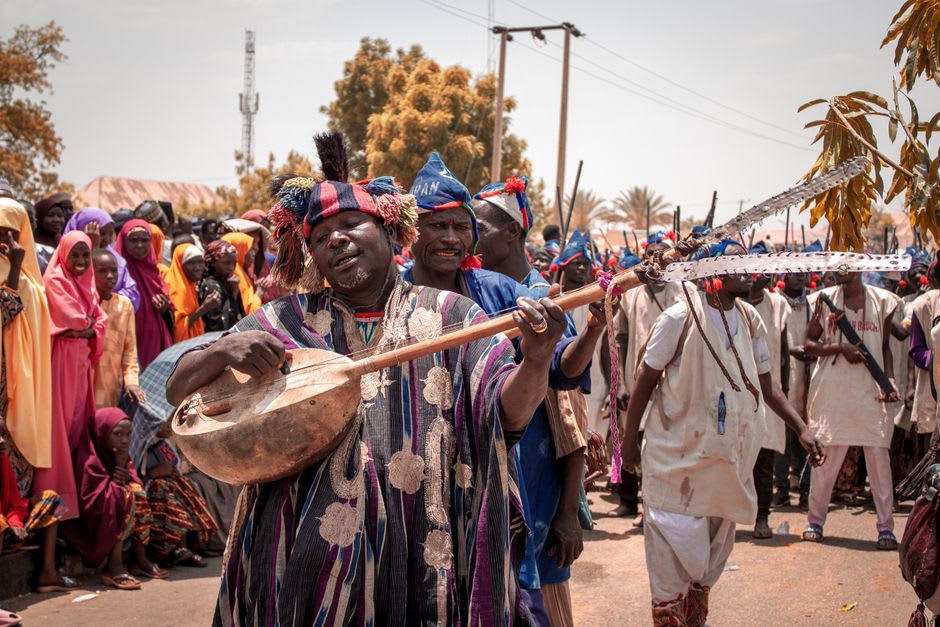
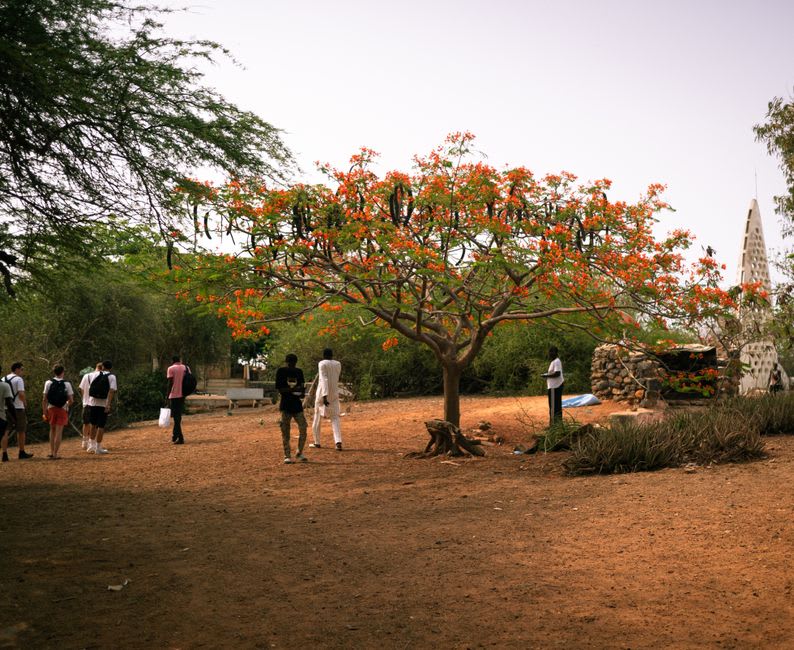
Afterward, I wandered the monastery grounds — gardens the monks tend themselves, a small shop selling honey, jam, and yogurt produced on-site, and recordings of the community’s kora-accompanied liturgy that have circulated well beyond Senegal over the decades and helped make Keur Moussa’s particular sound something of a quiet reference point in sacred music circles. A monk selling jars of honey at the shop counter chatted with me in unhurried French about the harvest that year, entirely unbothered that I’d come mostly for the music rather than the produce.
It’s a strange, quiet, genuinely moving stop, and one that most itineraries skip entirely on the theory that a monastery can’t compete with beaches and wildlife. I’d argue it’s one of the more unexpectedly memorable hours I spent in the country.
When to go: Sunday morning for the Mass itself, which is the whole point of the visit — check the schedule in advance, since visiting hours around services can shift.