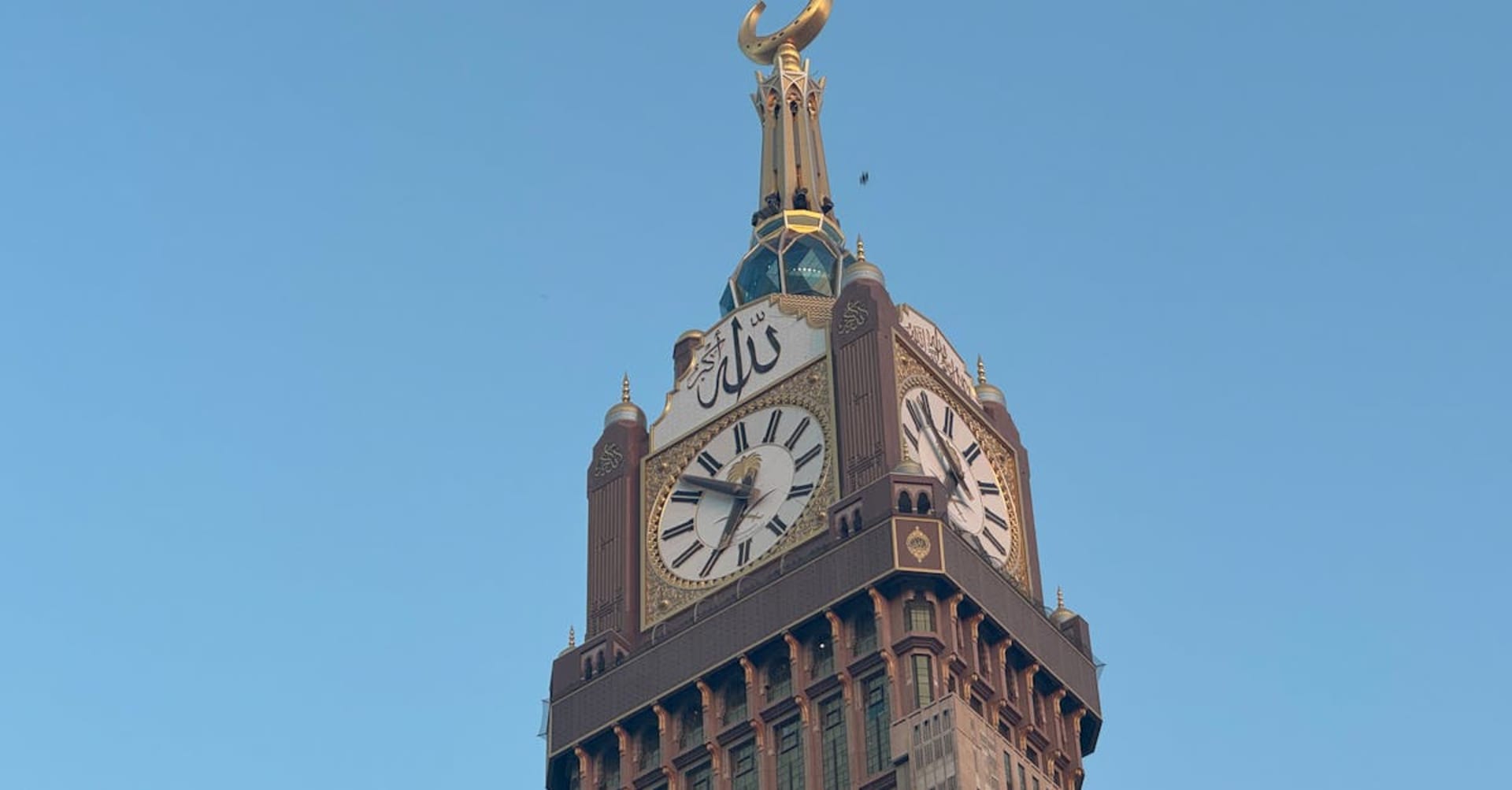
Saudi Arabia's futuristic mega-project region in the northwest, where pristine Red Sea coastline and dramatic canyons await the kingdom's boldest vision.

NEOM is simultaneously a promise and a place, and the tension between the two is part of what makes visiting the region fascinating. The mega-project announced in 2017 envisions a city-region the size of Belgium along Saudi Arabia’s northwestern Red Sea coast — The Line, a mirror-clad linear city; Trojena, a mountain resort with ski slopes; Sindalah, an island resort. The renderings are science fiction made into architectural plans. Whether the full vision materializes remains the most watched question in global development. But what is already here — the landscape the project intends to reshape — is extraordinary on its own terms.
The NEOM region around Sharma and the Gulf of Aqaba holds some of the Red Sea’s last undived reefs. Decades of restricted access — this coastline was a military zone for much of modern Saudi history — preserved coral systems that elsewhere have been degraded by generations of tourism. The visibility is startling. Forty meters of crystal-clear water over hard and soft coral formations that marine biologists describe as among the most pristine in the northern Red Sea. I snorkeled off a beach that had no name, no resort, no sign, and the reef ten meters from shore was more intact than anything I have seen in Sharm el-Sheikh or Hurghada.

The mountains behind the coast rise to over 2,500 meters, and the wadis that cut through them are where the ancient history hides. Rock art marks trade routes that connected Arabia to Egypt and the Levant — petroglyphs of camels, ibex, and human figures carved by hands that understood this landscape as a corridor, not a barrier. The Hejaz Railway ruins pass through the region, Ottoman-era stations and bridges built of black basalt that are slowly being reclaimed by sand. The contrast between these crumbling Ottoman structures and the renderings of The Line, pinned to billboards along the access roads, captures something essential about Saudi Arabia right now: a country building its future on a landscape saturated with its past.
Access is currently limited and evolving — some areas require permits, others have opened to tourism, and the situation changes frequently enough that any specific guidance risks being outdated by the time you read it. But the natural assets — the reefs, the canyons, the desert coastline — are the constant beneath the ambition.

When to go: October to April for comfortable coastal and mountain weather. The northwest is cooler and windier than the rest of Saudi Arabia. Check current access requirements before traveling — permit rules change frequently.
Keep exploring
More from Saudi Arabia
 saudi-arabia
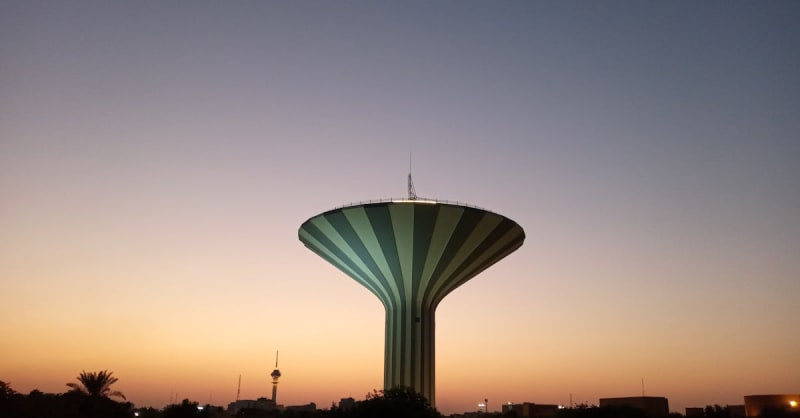
 Riyadh
The Saudi capital, a vast desert metropolis where futuristic architecture and ancient Najdi traditions coexist in the heart of the Arabian Peninsula.
Explore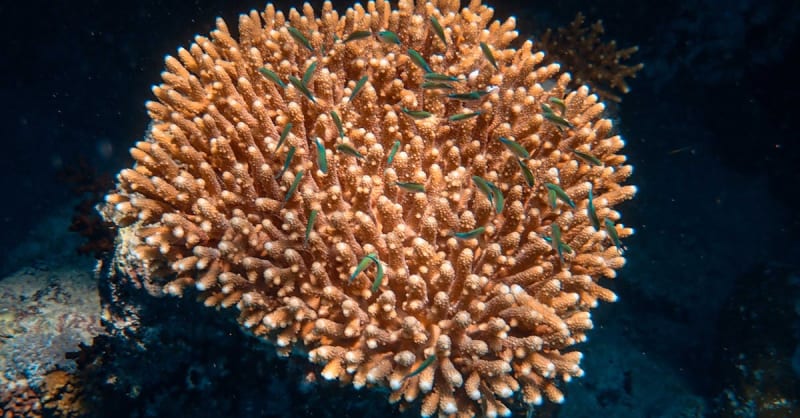 saudi-arabia
 Tabuk
A northwestern gateway city surrounded by red desert canyons, ancient ruins, and landscapes that conjure Lawrence of Arabia at every turn.
Explore saudi-arabia
 The Edge of the World
A sheer cliff face dropping into an ancient seabed, offering one of the most dramatic viewpoints on the Arabian Peninsula.
Explore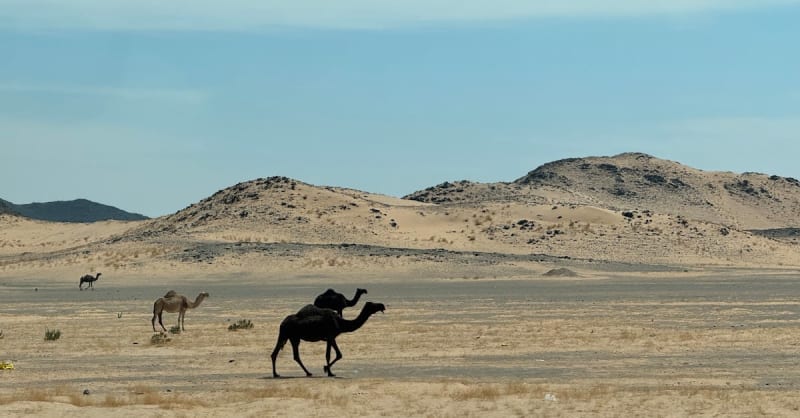 saudi-arabia
 Abha
A highland city in the Asir Mountains where cool mist, juniper forests, and vibrant Asiri architecture offer a Saudi Arabia few visitors expect.
Explore saudi-arabia
 Al Balad
Jeddah's UNESCO-listed historic heart, a labyrinth of centuries-old coral-stone tower houses with ornate wooden balconies and merchant heritage.
Explore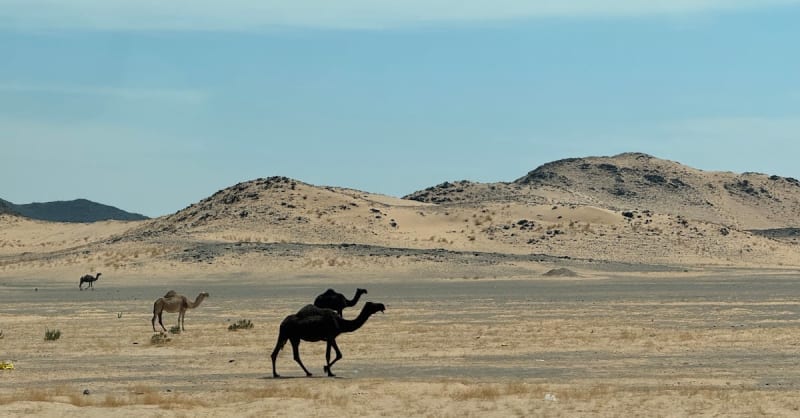 saudi-arabia
 AlUla
An ancient oasis valley of dramatic sandstone formations and Nabataean tombs, Saudi Arabia's answer to Petra and its most ambitious tourism project.
Explore