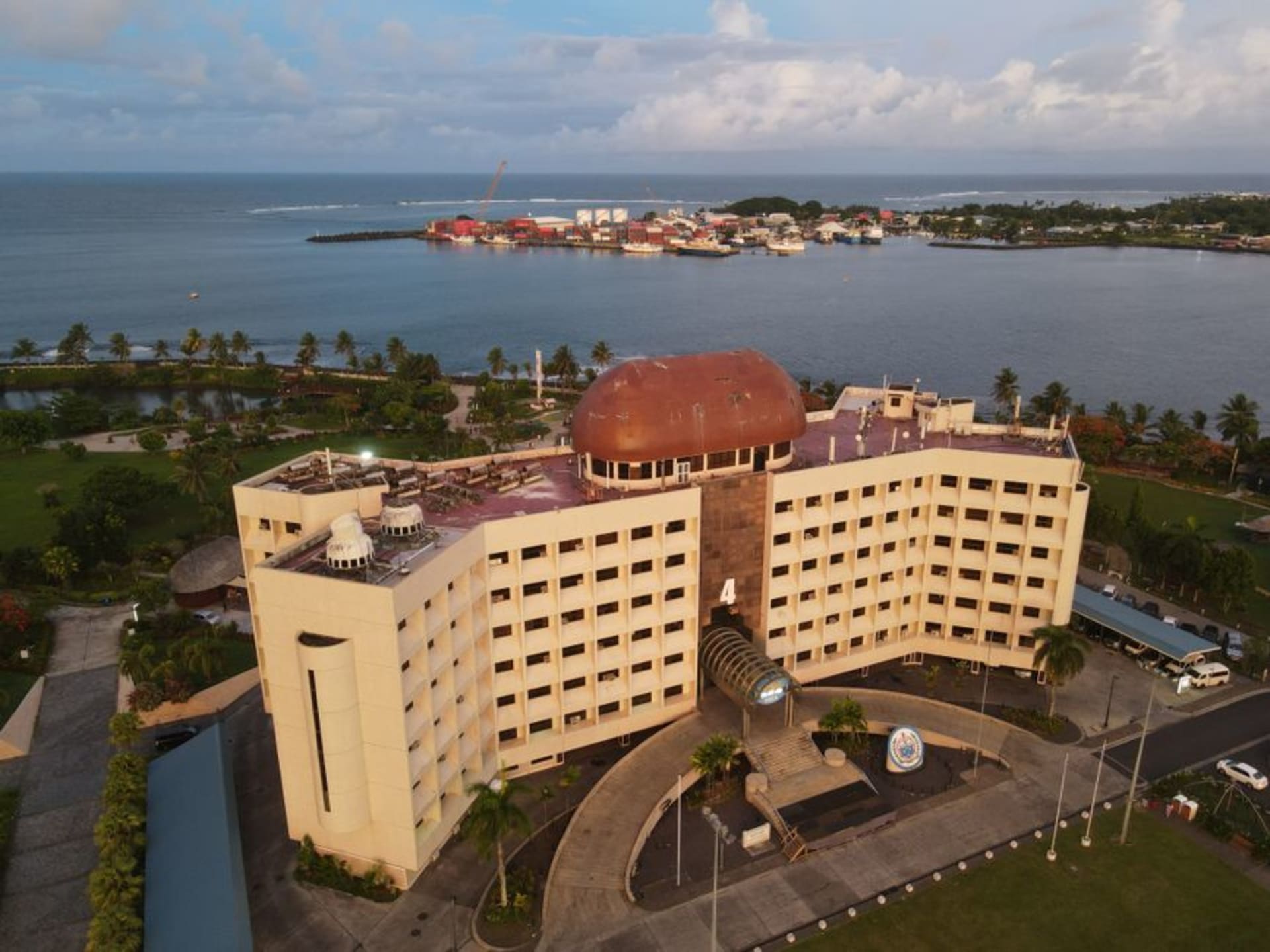
Mulinuu Peninsula
"Half the country's history happened on a strip of land you can walk in twenty minutes."
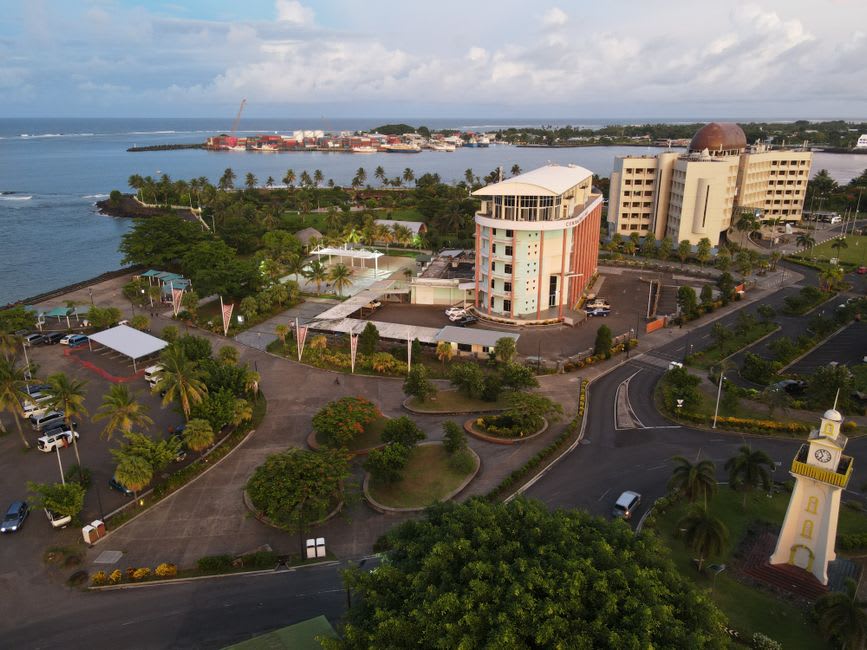
The low, wind-scoured spit of land at Apia's western edge where Samoa's parliament, its independence memorial, and centuries of political history sit within a short walk of each other.
Mulinuu is easy to drive past on the way out of Apia toward the airport, which is a mistake, because this narrow peninsula jutting into the harbor carries an outsized share of Samoa’s modern political history. It’s home to the Maota Fono, the fale-shaped parliament building whose traditional architecture — open sides, high thatched-style roof reinterpreted in modern materials — was a deliberate statement that Samoan governance didn’t need to borrow a Western building type to be taken seriously. I walked the grounds on a quiet weekday afternoon with almost nobody else around, which felt appropriate for a place carrying this much institutional weight so lightly.
Further along the point sits the Independence Memorial, commemorating Samoa becoming, in 1962, the first Pacific Island nation to gain independence in the twentieth century, and nearby, the tombs of paramount chiefs and the Malietoa royal line, low white structures facing the harbor with a kind of restrained formality that felt very different from the elaborate colonial memorials I’ve seen elsewhere in the Pacific. A caretaker who saw me reading the memorial plaques crossed over to walk me through the family lines represented there, entirely unprompted and clearly proud to do it.
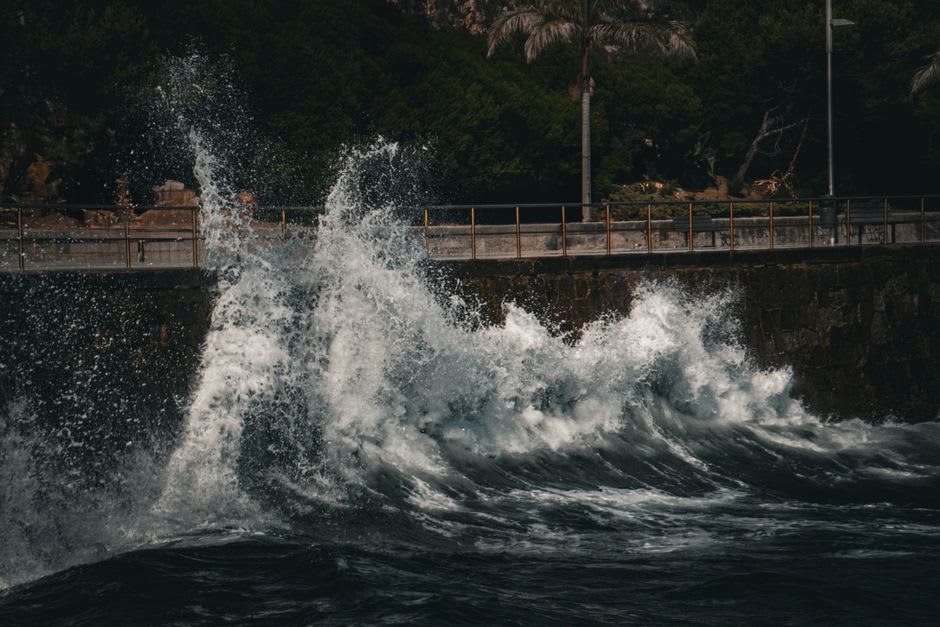
What stayed with me most was the wind. Mulinuu sits fully exposed between the harbor and the open sea, and even on a mild afternoon the peninsula had a bracing, salt-heavy gust running through it that seemed to strip away any pretension the buildings might otherwise have carried — flags snapping hard, waves working against the seawall, the whole point feeling more like a working headland than a monument district, which I suspect is exactly the character its planners intended.
When to go: Any dry-season afternoon works, but go on a weekday if you want to see parliament staff and everyday activity around the Maota Fono rather than an empty government precinct. Pair it with a walk along Apia’s waterfront, since Mulinuu is an easy fifteen-minute stroll from the town center.