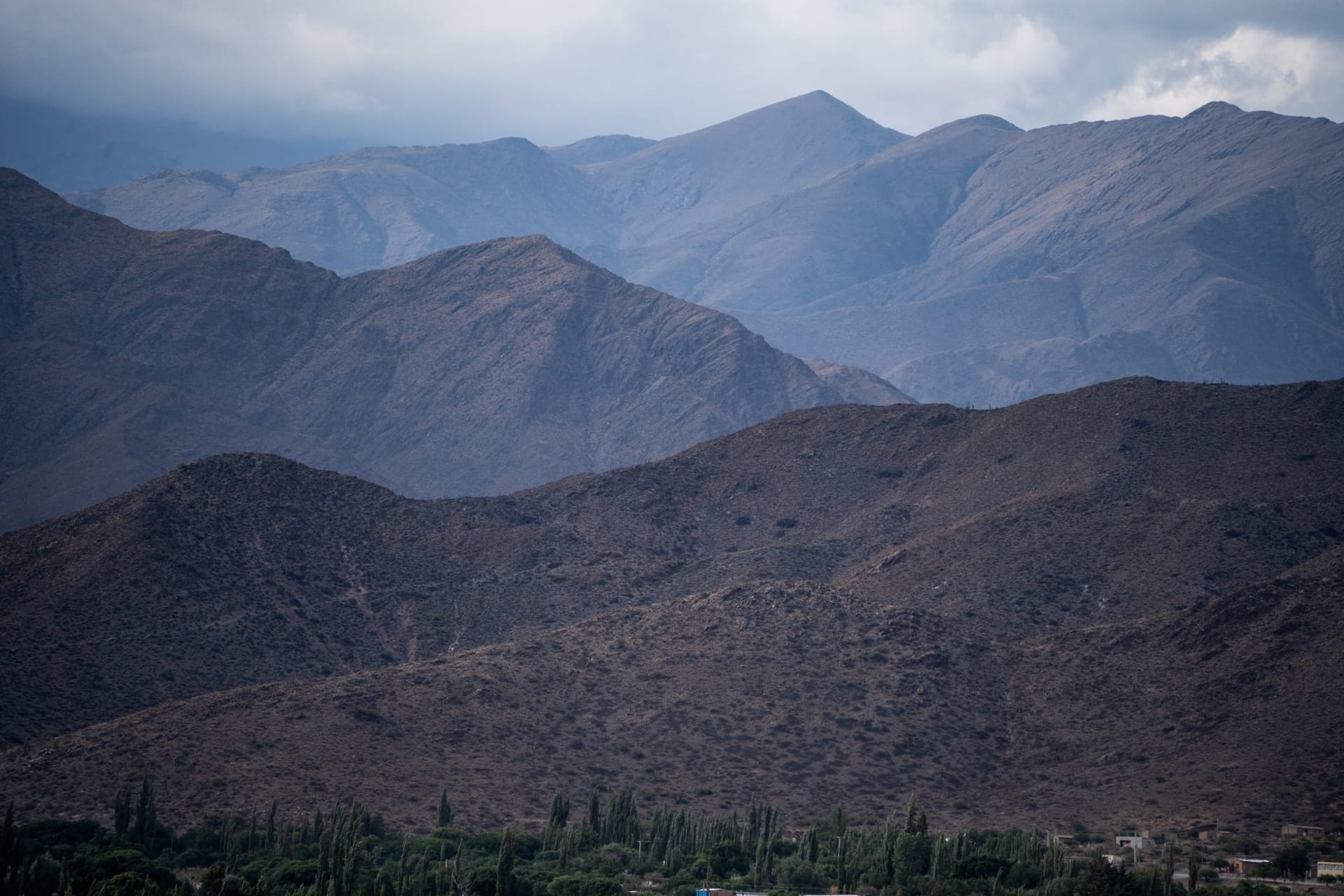
Tilcara
"Tilcara is where you intend to sleep one night and wake up four days later wondering what happened to your itinerary."
I stopped in Tilcara meaning to stay two nights. I stayed five. This is, I later learned, a known pattern — the Tilcara phenomenon, a local would joke, watching me extend my reservation for the third time. The village sits at 2,461 metres in the Quebrada de Humahuaca, forty kilometres north of Jujuy, and it has a weight and permanence that the more famous Purmamarca, for all its visual drama, doesn’t quite manage. Tilcara has been continuously inhabited for over a thousand years. You feel the accumulated time in the texture of the streets.

The Pucará de Tilcara is the anchor — a pre-Inca fortress reconstructed in the 1950s on a dramatic promontory above the village, with views into the canyon that clarify why people chose this particular spot to defend and inhabit. The original inhabitants were the Tilcara, an Omaguaca people, and the site was active from around 900 CE. The reconstruction is partly controversial — some sections were rebuilt with more enthusiasm than archaeological rigour — but the bones are real, and walking the ramparts at sunrise while the canyon fills slowly with light is an experience that sidesteps the academic argument entirely. The cacti that grow among the ruins — some of them three metres tall — are cardones, the candelabra cacti of the Andes, and they add a visual absurdity to the scene that somehow makes it more rather than less moving.
The village below has been accumulating an art scene for decades — Argentine painters and ceramicists drawn by the light and the altitude and the rent, and now enough of them have stayed long enough to create a specific cultural atmosphere. The Museo Ernesto Soto Avendaño houses a collection of regional archaeology and the remarkable life-work of a sculptor who spent decades documenting northwest Argentine culture. The side streets around Belgrano and Bolivar have small galleries that keep irregular hours and sell work at prices that reflect the isolation rather than the international market. I bought a small ceramic piece from a woman who made them in a courtyard studio and who handed me a list of restaurants to try with the wrapped parcel.

The food in Tilcara skews better than its size suggests — a handful of restaurants have been here long enough to develop genuine identity. El Patio on Belgrano serves locro and humitas in a courtyard with string lights, and the kitchen sends out dishes that taste like the result of genuine care rather than tourist throughput. The peña scene here is informal — music appears in bars around ten, folk and Andean rhythms that go until two in the morning, and the locals mix with travellers in a way that produces actual conversation rather than parallel existence.
When to go: April through June is ideal — post-rainy season, the canyon walls are still carrying residual green from the rains, the air is clear, and the festival calendar quiets down to manageable. September and October work equally well. Carnaval in February is extraordinary if you can handle the crowds and the chaos — it’s the real thing here, three days of ritual and music and flour thrown at strangers.