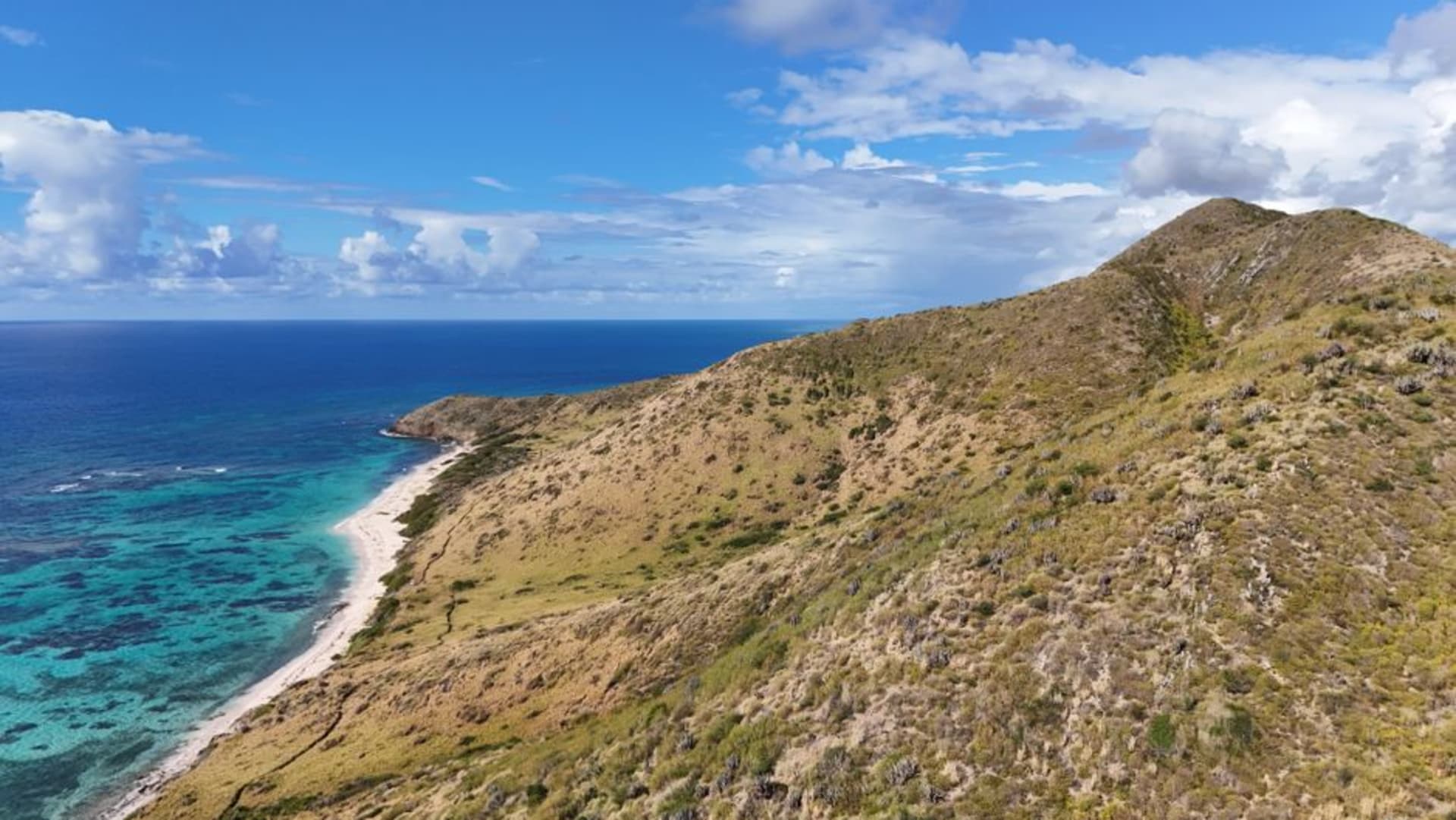
Petit St. Vincent
"You raise a wooden flag on a pole outside your cottage. Someone comes. That's the entire technology stack."
A 45-hectare private island at the southern edge of the Grenadines where a wooden flag system, not a phone, is still how you order lunch.
Petit St. Vincent — PSV to everyone who’s actually been there — sits at the very bottom of the Grenadines chain, close enough to Grenadian waters that the two countries have occasionally squabbled over exactly where the border runs through it. I came by boat from Union Island, a short crossing that felt considerably longer once the swell picked up, and arrived to find an island that has deliberately built almost nothing that looks like a resort.
The story of the place matters here. An American sailor named Haze Richardson washed up on the island in the 1960s after his boat’s engine failed nearby, fell for it completely, and eventually built 22 stone-and-wood cottages scattered along the beach and up into the low hills, each one private, each one designed so you can go days without seeing another guest if that’s what you want. There is no reception desk buzzing with activity, no shuttle of golf carts ferrying people to a central pool. There’s a flagpole outside every cottage — raise the yellow flag and a staff member appears, discreetly, with whatever you need; raise the red flag and you are left entirely, completely alone.
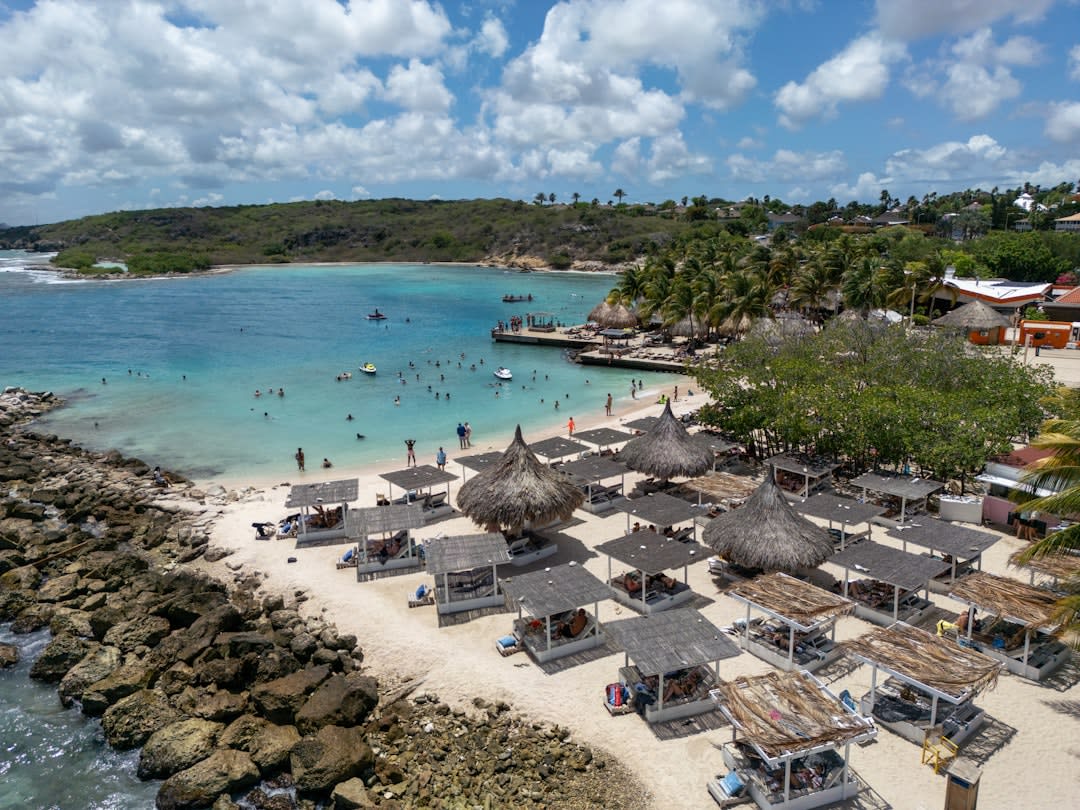
I raised the red flag more than I expected to. There’s a particular kind of luxury in being told, structurally, that you’re allowed to disappear — no knock on the door, no forced pleasantries at breakfast, just the sound of waves and the wind moving through the sea grape. When I did want company, the open-air restaurant on the hill serves fish caught that morning and has a wine list that outperforms most restaurants I’ve eaten at in cities ten times the size.
The snorkeling off the eastern reef is genuinely excellent, and a short boat ride takes you to the uninhabited sandbar of Petit Martinique’s neighboring cays if you want an afternoon that feels even more remote than the one you’re already having. PSV isn’t cheap, and it isn’t trying to convince you it’s for everyone. It’s for people who want an island that has quietly decided what luxury actually means and stuck to it for sixty years.
When to go: December through April for the driest, calmest conditions and the best snorkeling visibility. The island operates seasonally and sometimes closes in the late summer and early autumn, so confirm dates well ahead if you’re planning a visit outside peak season.