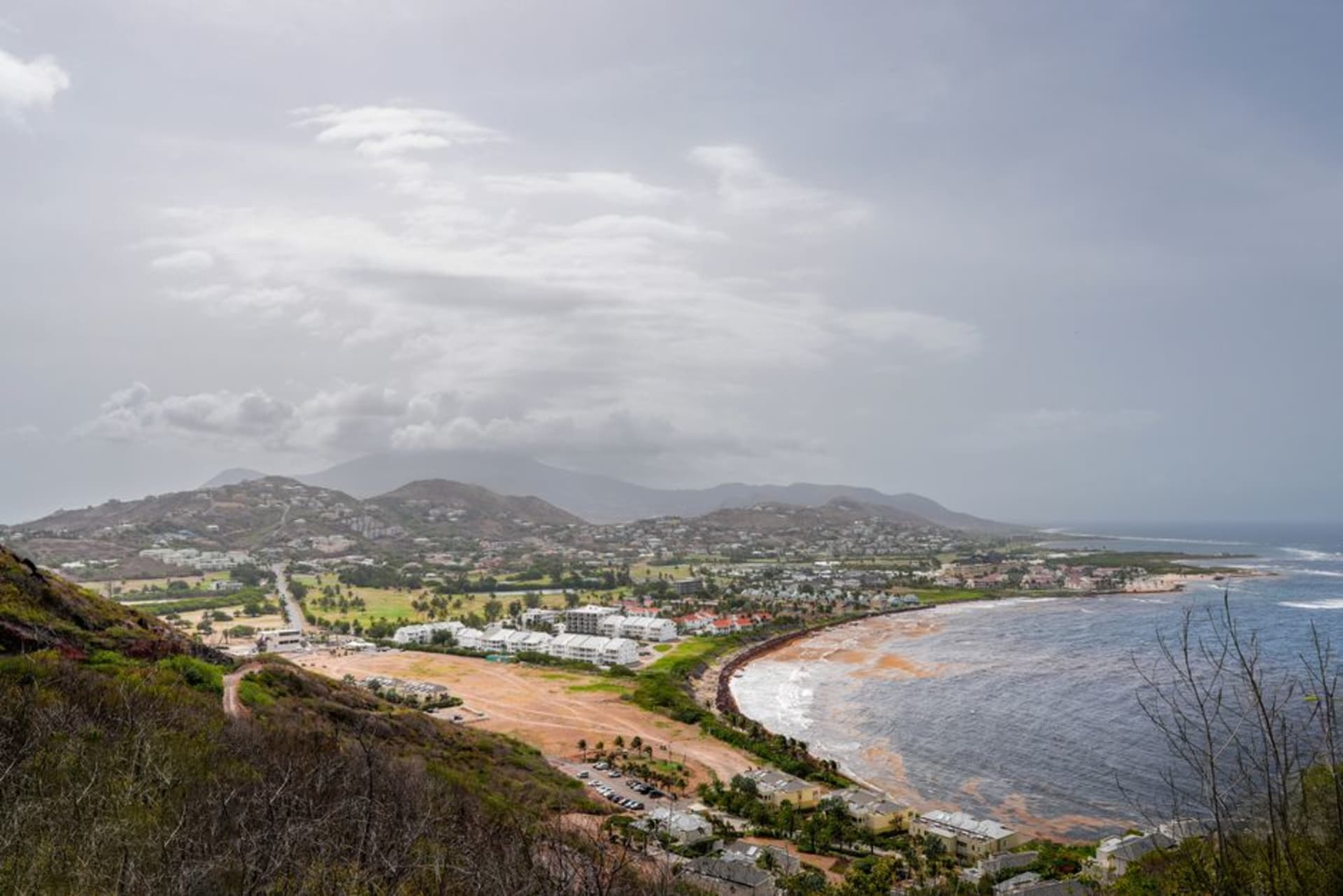
Petit Nevis
"Whatever you think about what happened here, the rust doesn't let you look away from it."
A tiny uninhabited island near Bequia where rusted whale-processing equipment still sits on the beach, a blunt relic of the region's whaling history.
I chartered a small boat out of Bequia’s Admiralty Bay specifically to see Petit Nevis, a scrap of an island barely half a kilometer long that most Grenadines itineraries skip entirely in favor of the better-known cays further south. There’s a reason to make the detour, though it’s not a conventionally pretty one: Petit Nevis was, until the 1960s, Bequia’s whale-processing station, the place where sperm whales and humpbacks caught by the island’s whaling boats were dragged ashore, flensed, and rendered down for oil.
The equipment is still there. Massive iron winches, a rusted slipway running down into the water, the skeletal remains of a try-pot furnace half-buried in sand and sea grape — all of it left more or less where it was abandoned, weathering slowly in the salt air rather than being cleared away or turned into a polished heritage site. Walking among it feels less like visiting a museum and more like stumbling onto an industrial site that people simply walked away from mid-shift, which is more or less what happened as the whaling economy declined.
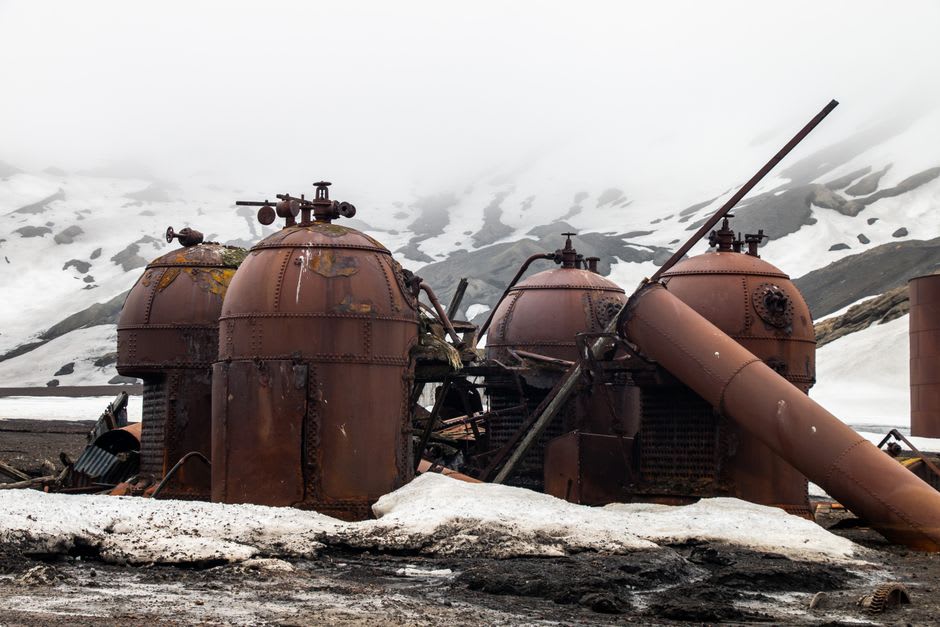
It’s an uncomfortable place to sit with, and I think it should be. Bequia’s whaling tradition is still actively defended by some islanders as cultural heritage under the small IWC exemption that permits limited subsistence hunting from Friendship Bay, and disputed just as actively by others who see it as an anachronism the island would be better off retiring. Petit Nevis doesn’t resolve that argument. It just leaves the physical evidence sitting on a beach for you to draw your own conclusions from.
Beyond the machinery, the island itself is a pleasant, scrubby nothing — goats wander freely, the snorkeling just offshore is decent, and there’s a small beach on the leeward side good for an hour of quiet before the boat back. Most visits combine Petit Nevis with a wider half-day charter around Bequia’s coastline rather than as a standalone destination, which is the right way to see it.
When to go: Calm-water months, January through April, make the short crossing from Bequia most comfortable. Arrange a boat through any operator in Port Elizabeth — there’s no scheduled service, and the island has no facilities of its own.