The unglamorous, unapologetically real southern town where the Atlantic and the Caribbean physically collide at a lighthouse point most tourists never see.
Most visitors see Vieux Fort exactly once, in the twenty minutes it takes to get from Hewanorra International Airport to a taxi headed north, and I almost made that mistake myself. I’m glad I didn’t. I stayed an extra night on a whim, mostly out of curiosity about what a Saint Lucian town looks like when it isn’t performing for anyone, and Vieux Fort delivered precisely that. It’s a working town — fishing boats, a container port, a market that smells like diesel and mangoes in equal measure — and it wears none of the polish of Rodney Bay or Soufrière.
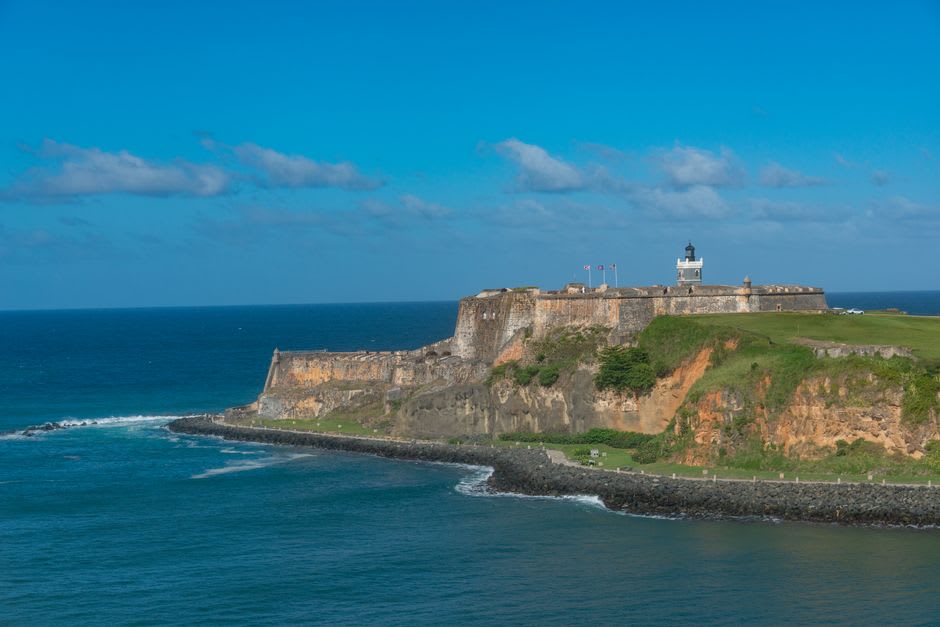
The real reason to come is Moule à Chique, the headland at the island’s southern tip where a squat red-and-white lighthouse marks the spot where the Atlantic and the Caribbean genuinely meet. I stood at the fence at the top and watched the two seas do something visibly different from each other — one side chopped and grey-blue and restless, the other calmer and more turquoise — separated by nothing but a line of white water. A local man fixing a fence nearby told me his father used to say you could hear the difference in the waves if you closed your eyes. I tried it. I’m still not sure if I actually heard anything or just wanted to.
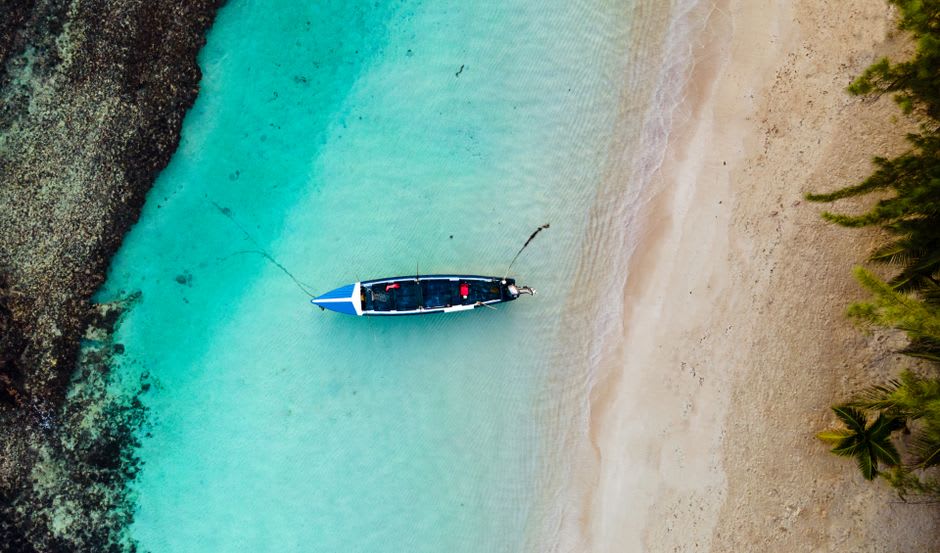
Down in town, the market by the waterfront runs on its own clock, unconcerned with tourist schedules. I bought a bag of golden apples from a woman who negotiated the price down before I’d even offered one, apparently as a matter of principle, and ate them sitting on the sea wall watching pirogues come in with the day’s catch. Vieux Fort also carries a strong Kwéyòl identity — French Creole is spoken here as much as English, and the food leans harder into things like bouyon and saltfish souse than the anglicized menus further north.
When to go: Vieux Fort works year-round since it’s mostly a cultural stop rather than a beach or hiking destination, though the dry season from January to April gives the clearest views from Moule à Chique. Come with low expectations of polish and you’ll leave with the opposite.
Keep exploring
More from Saint Lucia
 saint-lucia
 Anse Chastanet
A volcanic black-sand beach below the Pitons with reef close enough to snorkel from shore and water so clear it seems lit from underneath.
Explore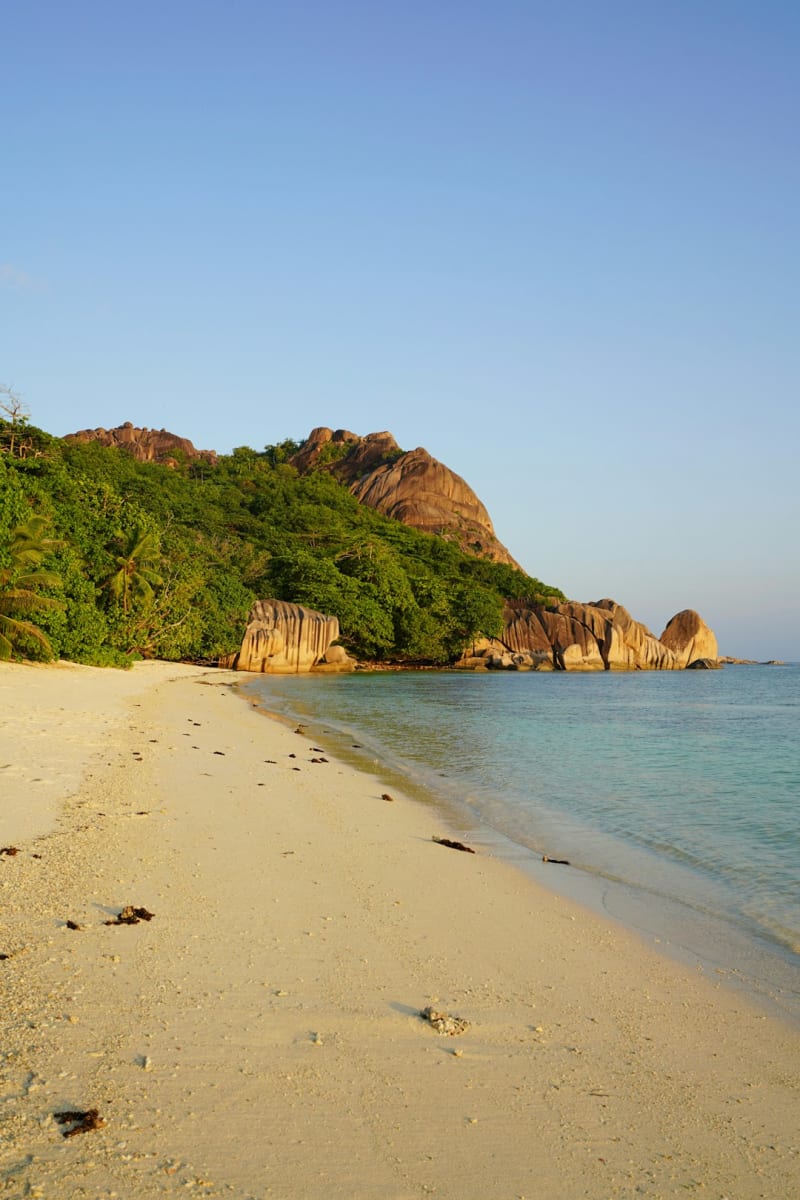 saint-lucia
 Anse Cochon
A black-sand beach reachable only by boat or a sweaty hike, backed by dry forest and fronted by one of the best reefs and shipwreck dives on the west coast.
Explore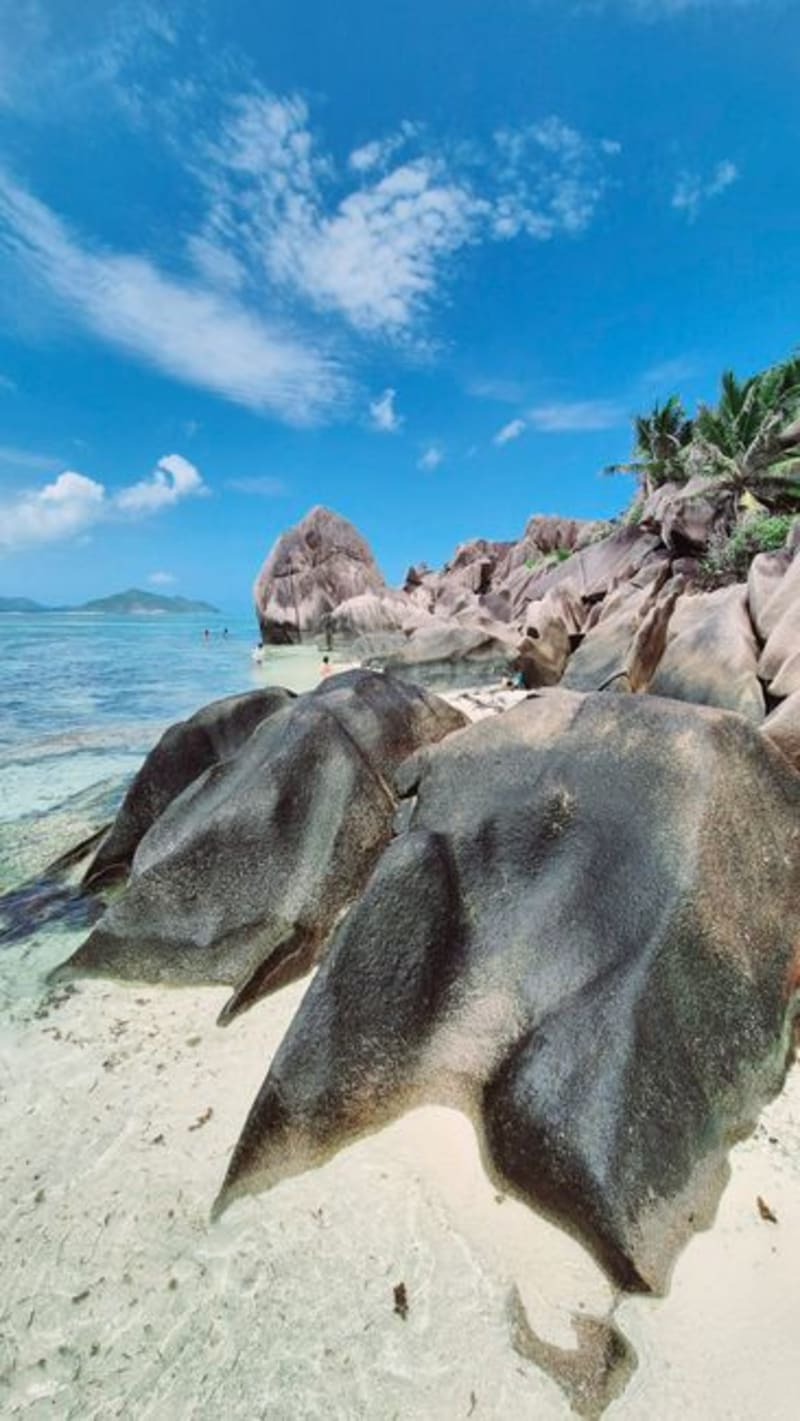 saint-lucia
 Anse La Raye
A weather-beaten fishing village on the west coast that transforms once a week into the best-smelling street party on the island.
Explore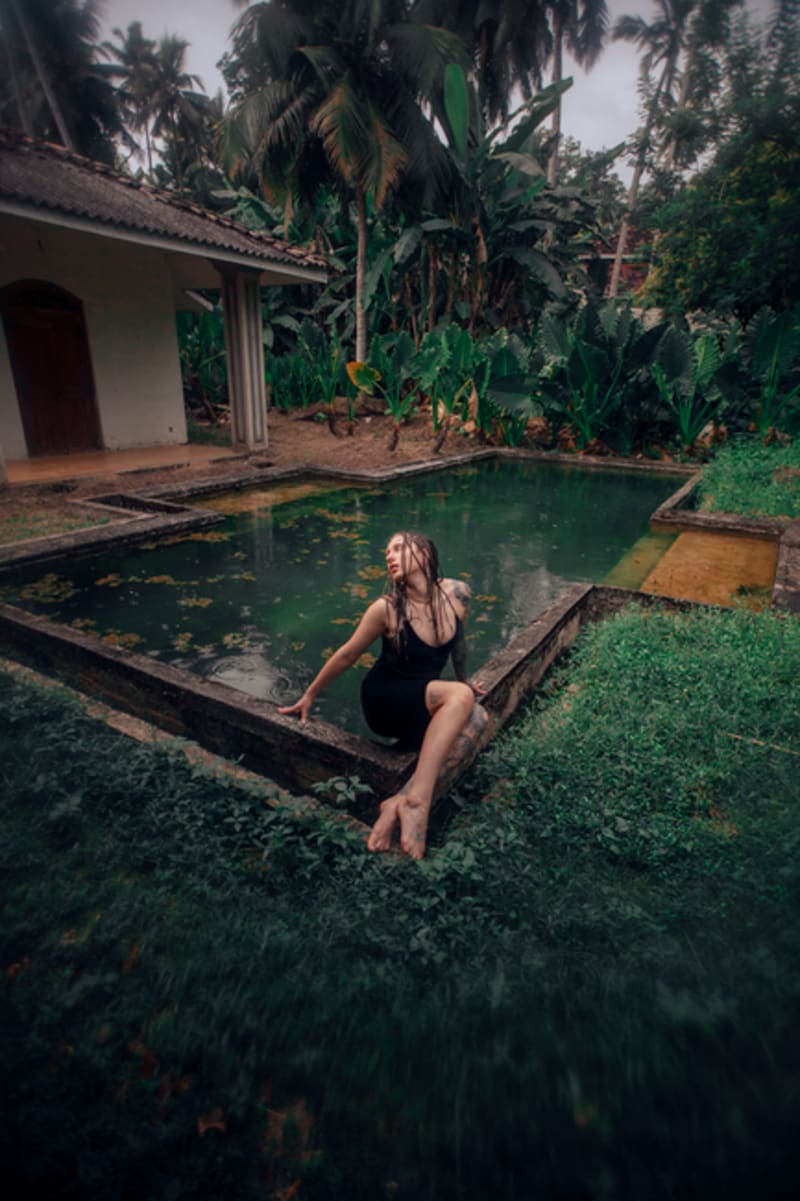 saint-lucia
 Balenbouche Estate
An old sugar estate near Choiseul where colonial-era ruins, Amerindian rock carvings, and a working organic garden all sit within the same quiet property.
Explore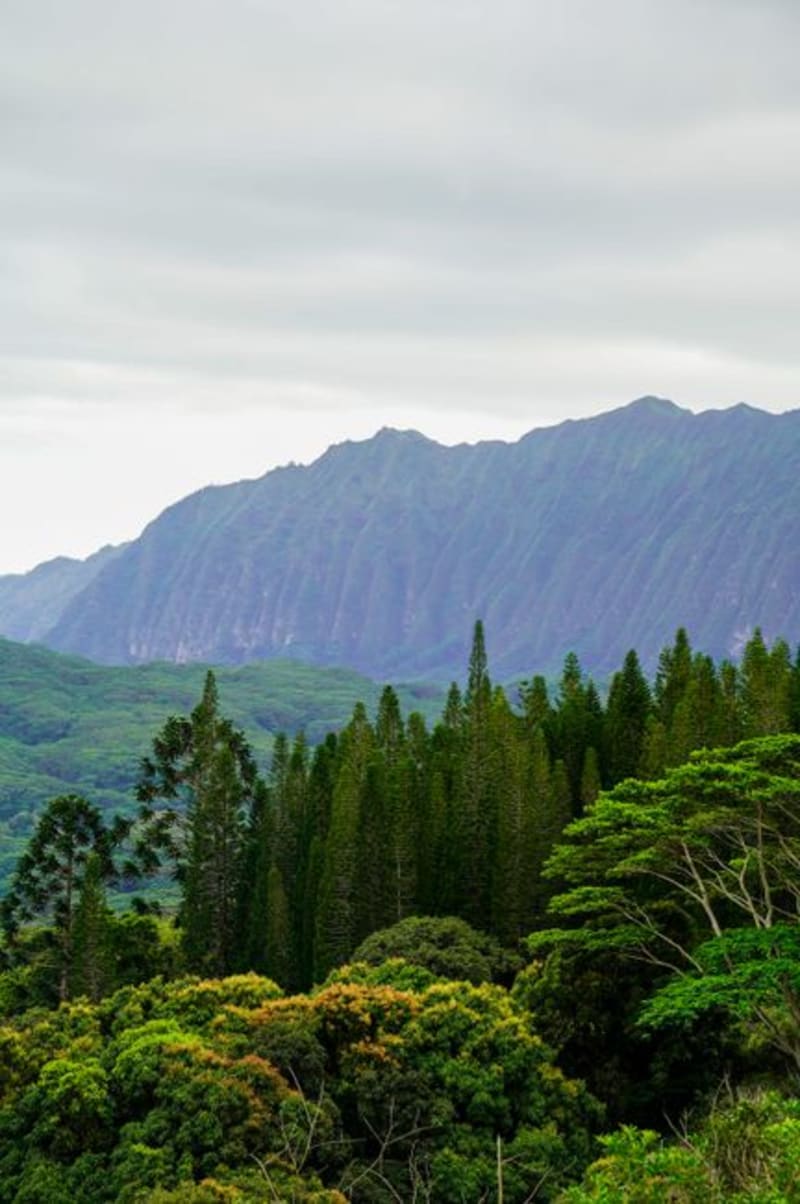 saint-lucia
 Barre de l'Isle Forest Reserve
The forested ridge splitting Saint Lucia in two, where a short rainforest trail up Morne La Combe gives you both coasts of the island at once.
Explore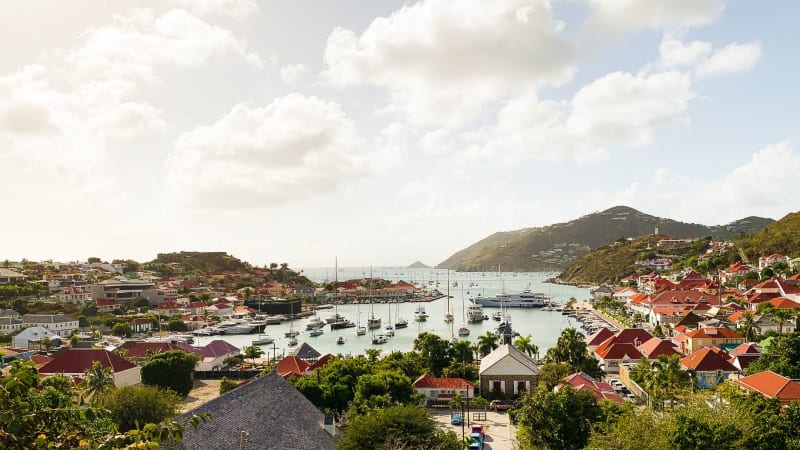 saint-lucia
 Castries
Saint Lucia's capital works as a real Caribbean city — chaotic, market-driven, and honest about what it is in a way its tourist brochures never quite are.
Explore