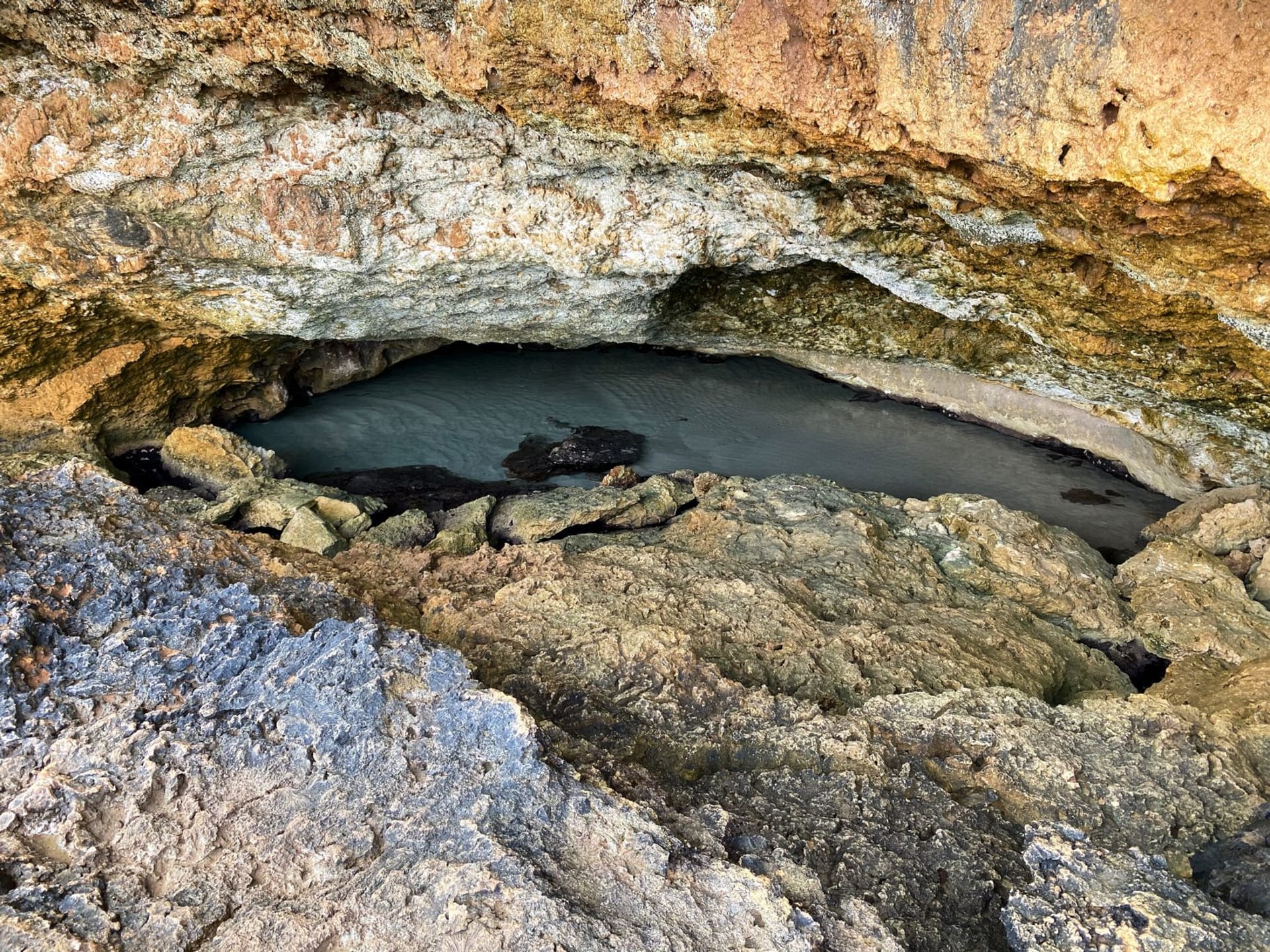
Sulphur Springs
"The smell hits you three kilometers out. By the time you arrive, you've already surrendered to it."
The sulphur smell arrives before you do. Driving the road from Soufrière up toward the Qualibou caldera, you catch it first as a suggestion — something mineral and faintly eggy on the edge of the warm air — and then, a kilometer or two further on, it becomes unambiguous. By the time you arrive at the viewing area, it is total, and your clothes will carry it for the rest of the day. This is not a complaint. There is something ancient and honest about the smell of the earth breathing.
The landscape at Sulphur Springs is unlike anything else on the island. The Qualibou caldera is what remains of a volcano that collapsed perhaps 39,000 years ago, and the active zone — the area where you walk — is grey-white and ochre and streaked with mineral stains, the ground warm under your feet in places, steam rising from vents and cracks in patterns that shift as you watch. The vegetation that manages to survive on the caldera’s edges is scrubby and strange-looking, adapted to an environment that most plants would find hostile. Standing there, the Caribbean Sea glittering several hundred meters below through a break in the steam, I thought about how thin the crust of things is here.
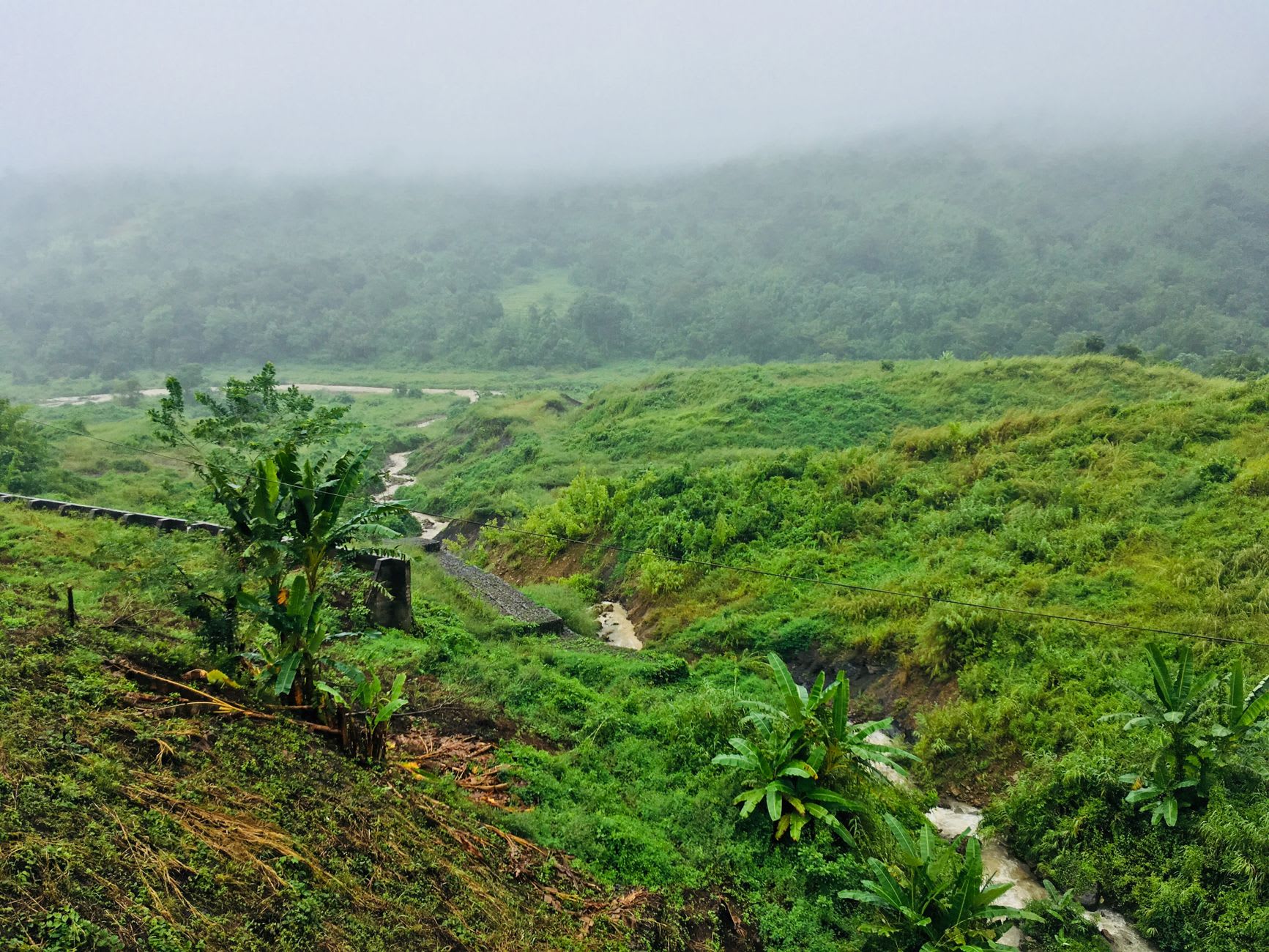
The guided portion of the visit is mandatory and brief — a local guide walks you through the active zone, explaining which bits of pale crust are safe to step on and which will crack through to scalding mud beneath. The guides are good here, experienced at calibrating their explanation for visitors who know nothing about vulcanology alongside those who have read every paper on the subject. My guide pointed out the different colors of mineral deposits — the bright yellow of sulphur itself, the white of silica, the rusty orange of iron compounds — and the areas where temperatures at the surface exceed 170 degrees Celsius. She had grown up in Soufrière and talked about the volcano the way people talk about a difficult but ultimately benign neighbor: present, occasionally dramatic, but manageable.
The mud baths just below the main caldera area have become the most commercially developed part of the experience — a series of pools where you can coat yourself in the warm, grey, supposedly therapeutic volcanic mud, let it set in the sun, then wash off in the adjacent spring water. The mineral content is real and the warmth is genuinely pleasant, and sitting in grey mud up to your chest on a volcanic hillside with a view of the Caribbean is an experience singular enough that the slight absurdity of it becomes part of the appeal.
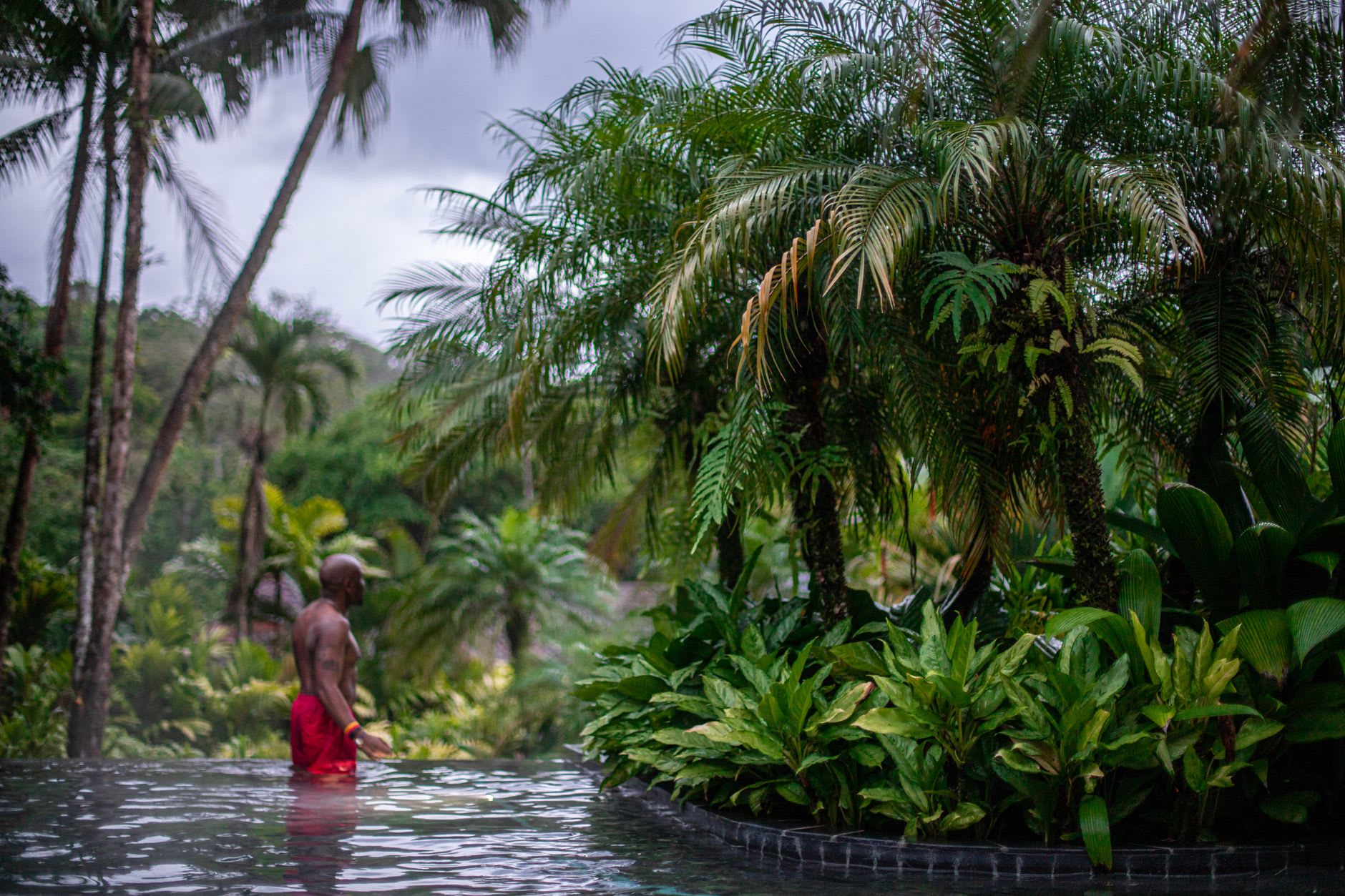
What struck me most, beyond the obvious visual drama, was the sound. The fumaroles hiss constantly — a sustained, pressurized release that rises and falls slightly but never quite stops. Combined with the smell, it creates a sensory environment that is specifically unlike anything urban or domesticated. You are unmistakably on a living piece of geology. The earth is not finished yet. That seems like a useful thing to be reminded of.
When to go: Sulphur Springs is accessible year-round, and the experience does not change dramatically between seasons — the steam may be more dramatic against cooler morning air, and the path is easier in dry conditions. Go early in the morning, before the organized day-trip buses arrive from the resort areas. The mud baths are more enjoyable when you can have them relatively to yourself.