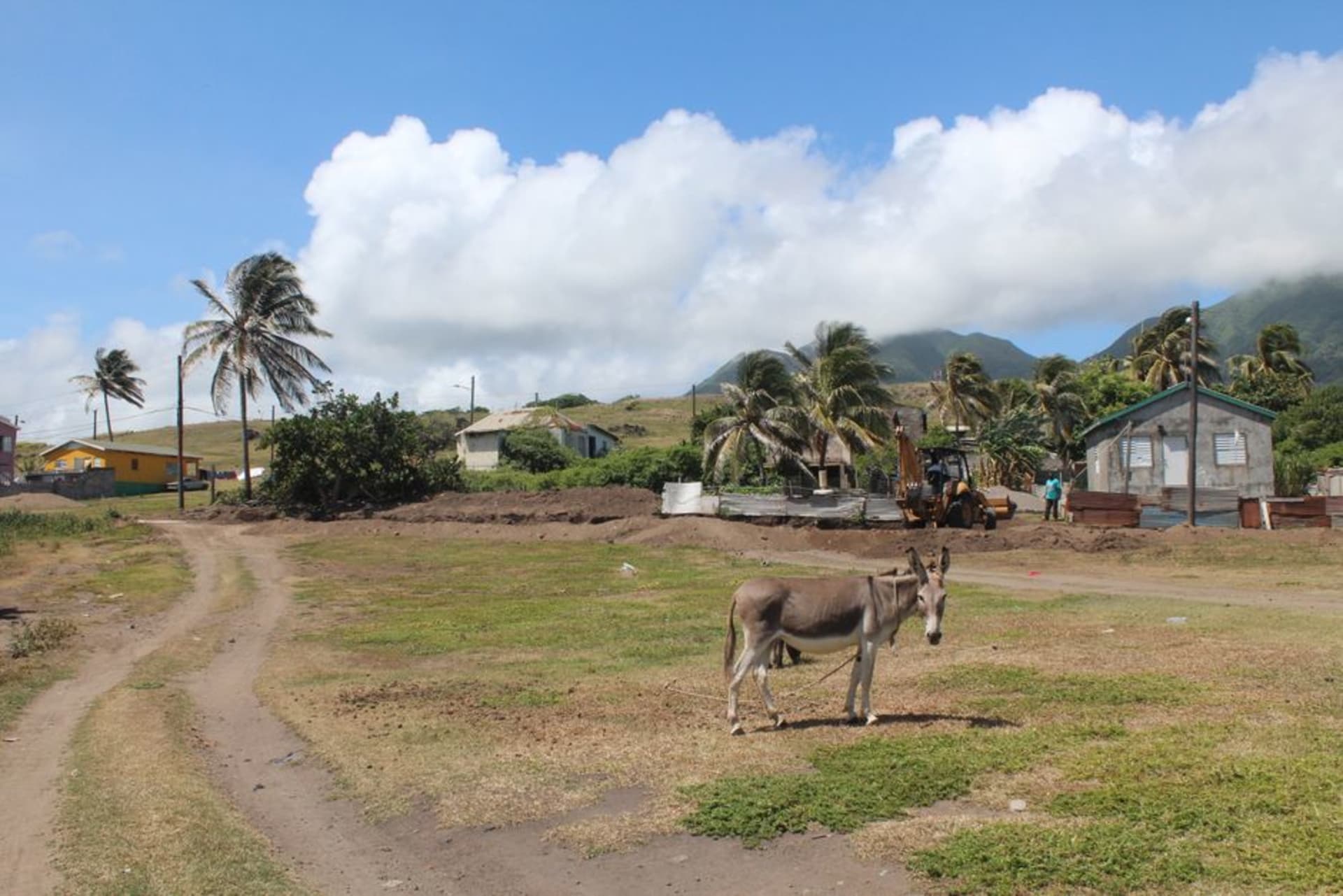
Fig Tree Village
"One line in an old register turned this parish into a footnote of British naval history. Everything else about it stayed exactly the same."
A small Nevis parish famous for the church register recording Horatio Nelson's marriage, and for very little else, which is exactly why I liked it.
Fig Tree Village doesn’t get much attention beyond a single historical fact, repeated in every guidebook that mentions Nevis: St. John’s Fig Tree Church holds the marriage register recording the wedding of Horatio Nelson and Frances Nisbet in 1787, back when Nelson was a young captain stationed in the region and Fanny was a local widow with a young son. I went mostly because I’d read that fact three separate times before arriving on the island and felt obligated to see the actual page.
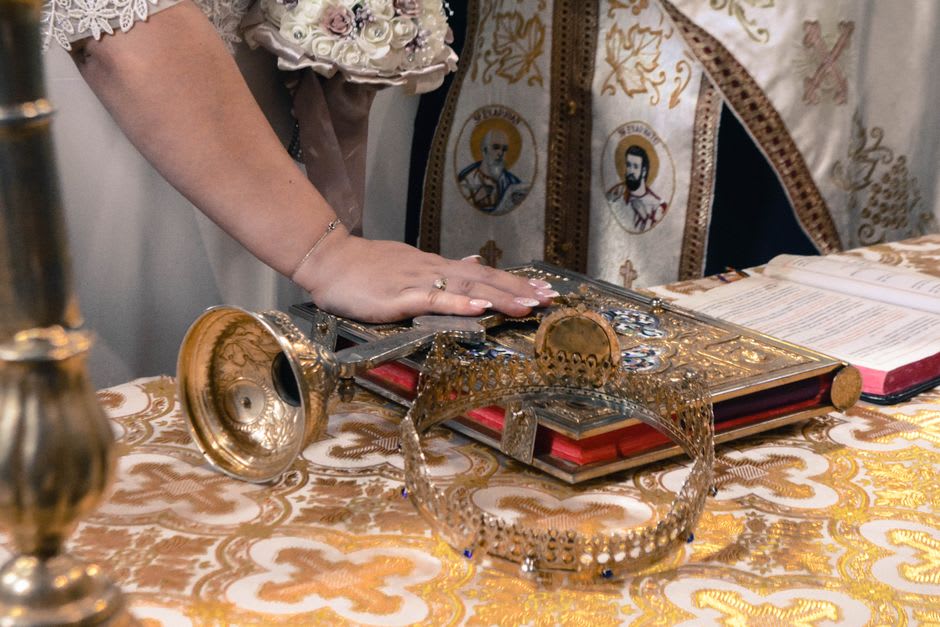
The church itself is unassuming — a plain stone building with a small congregation, the kind of parish church you’d drive past without a second look if you didn’t know what was inside. A caretaker let me in to see the register, a heavy old book kept under glass, opened to the relevant page showing Nelson’s own signature next to Fanny Nisbet’s. It’s a strange thing to stand in front of, that specific, undeniable evidence connecting a quiet Nevis parish to a man who would go on to die at Trafalgar and become one of the most mythologized figures in British history — the moment before all of it, recorded in ordinary handwriting on ordinary paper.
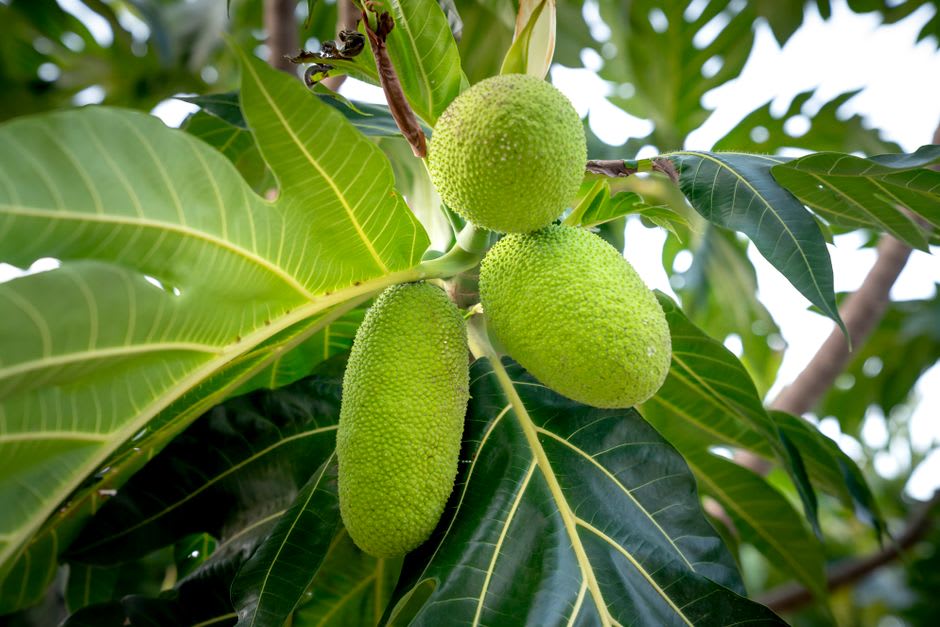
Outside the church, Fig Tree Village goes about being an ordinary Nevis farming parish, part of the wider Gingerland district known for its ginger lily and nutmeg trees rather than any naval history. I walked a short stretch of road past small farm plots and roadside stands selling breadfruit and callaloo, and got talking with a farmer clearing brush who had strong opinions about the church’s opening hours and none whatsoever about Nelson.
That contrast — one famous signature in a glass case, and an entire working parish that has nothing to do with it going on around that case — was the whole appeal for me. History here doesn’t dominate the place; it just sits quietly inside one building while everyone gets on with their day.
When to go: Weekday mornings, when the church caretaker is more reliably around to let you see the register. Combine with a drive through the wider Gingerland area for the nutmeg and spice smallholdings.