Lake Kivu
"I kept forgetting it was a lake. It was too wide, too moody, too much its own thing."
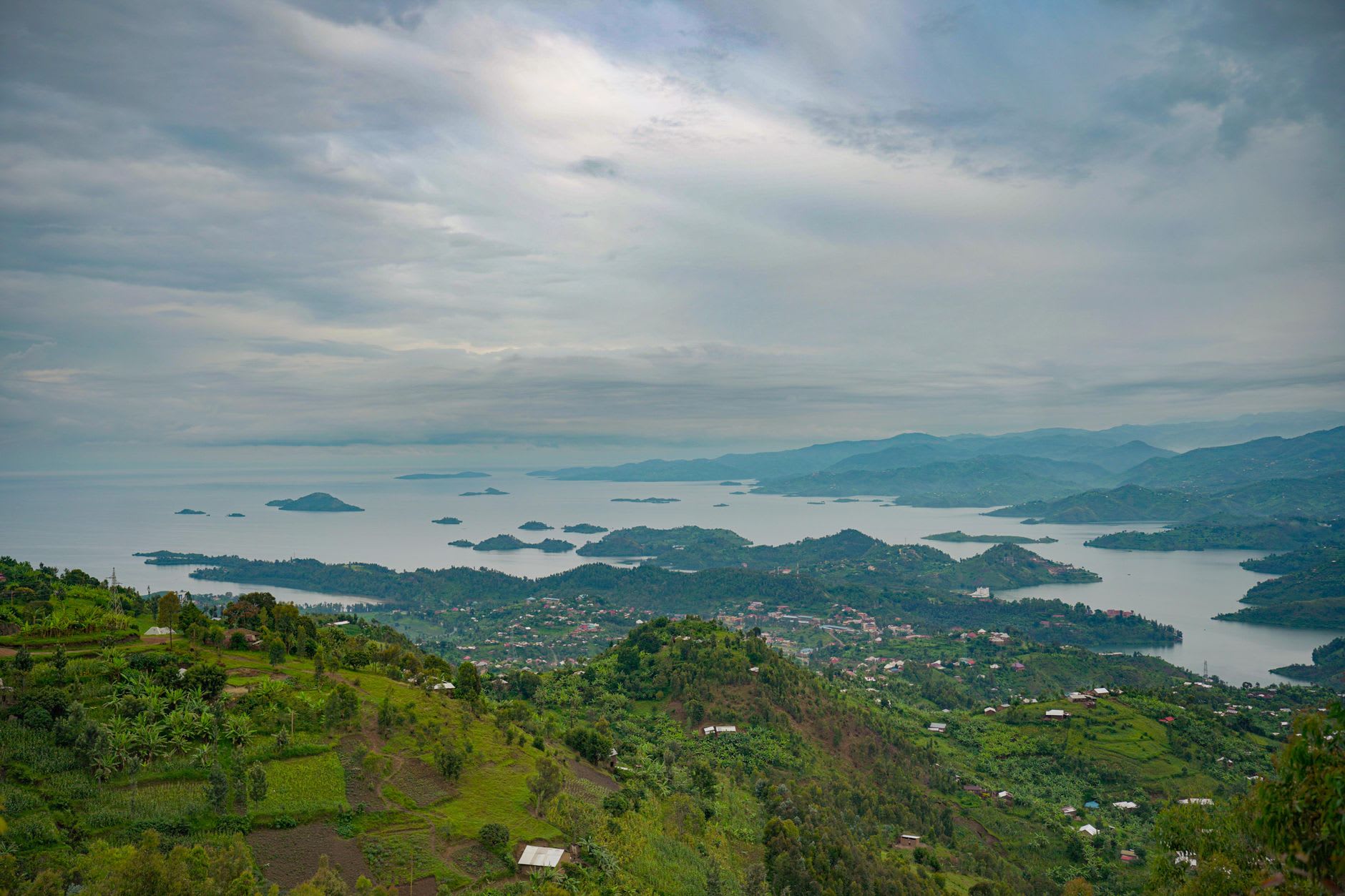
The first time I saw Lake Kivu I was coming down from the hills above Karongi and the lake appeared below me suddenly — vast and gray-blue and completely flat, extending so far to the west that I could not locate the opposite shore. Rwanda is a landlocked country and yet here was something that felt oceanic. The hills on the far side of that water are in the Democratic Republic of Congo, though from where I stood they looked simply like more of Rwanda’s impossible green topography.
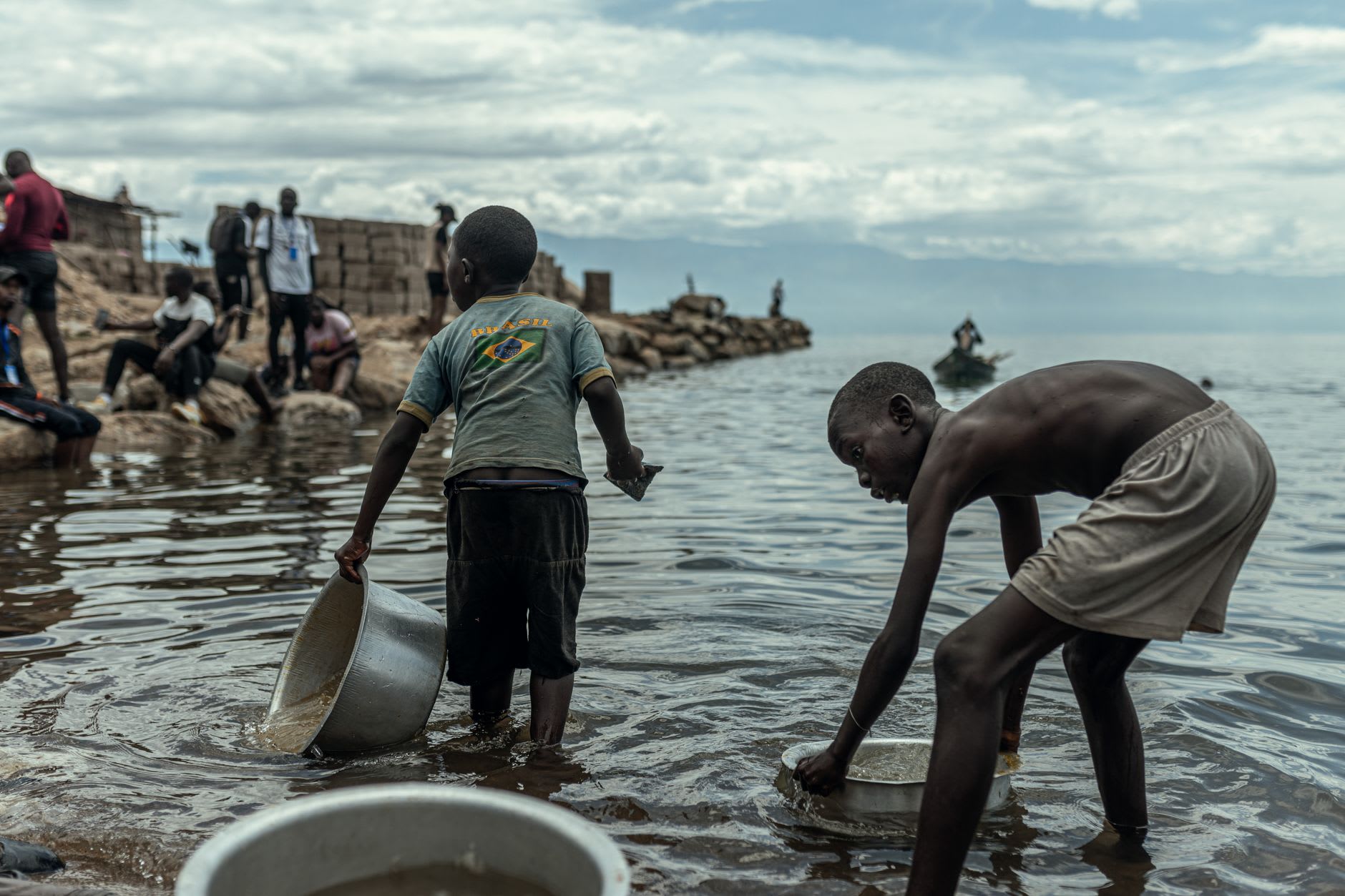
Kivu is one of Africa’s Great Lakes, though it tends to be overlooked in favor of its larger neighbors. It sits at 1,460 meters and stays remarkably calm — the surrounding mountains shelter it from wind — which gives the surface a quality of stillness that changes color through the day: silver at dawn, deep blue by midmorning, an opaque greenish-gray under cloud cover. In the evenings, the wooden pirogues of the local fishermen come in toward the shore, their outlines reflected in water that barely ripples, and the smell of charcoal fires starting on the shoreline reaches you before you can see the boats clearly.
The islands are a revelation. Ijwi Island — technically Congolese — is large and agricultural, its hillsides planted in the same dense pattern as the Rwandan mainland. The smaller islands scattered along the Rwandan shore are quieter, accessible by short pirogue trips and inhabited mostly by fishermen who maintain a lifestyle that hasn’t changed dramatically in generations. Some have small guesthouses where you can sleep above the water in the kind of silence that makes you aware of your own heartbeat.
The lake also contains dissolved methane and carbon dioxide in extraordinary concentrations — an odd geological fact that has led to the development of methane extraction plants that supply gas to power stations on both shores. Rwanda pipes methane from the bottom of the lake to generate electricity, which is either poetic or merely practical depending on your disposition. What I found more compelling was the fish: Kigali’s lake-caught tilapia, fried in oil with garlic and a squeeze of lemon, was among the better things I ate in Rwanda, served on newspaper at a table six meters from the water.
Kayaking is the best way to understand the scale and particular character of the lake. I went out for three hours on a morning when the water was perfectly calm and the mountains on the Congo side were cloud-free. Paddling into the middle of Kivu while those volcanic peaks stared down at me — Nyiragongo visible above the DRC shore, still technically active — was one of those geographical experiences that recalibrate your sense of where you are on the planet.
When to go: June through September offers the clearest weather for lake views and boat trips. The lake stays navigable year-round, but the wet seasons bring atmospheric mist that rolls in off the water and obscures the distant shores. The town of Karongi on the eastern shore and Rubavu in the north are the main entry points, both with decent accommodation on the waterfront.