
Veliky Novgorod
"The Cathedral of Saint Sophia is older than almost every cathedral in France, and I stood in it alone on a Tuesday morning."
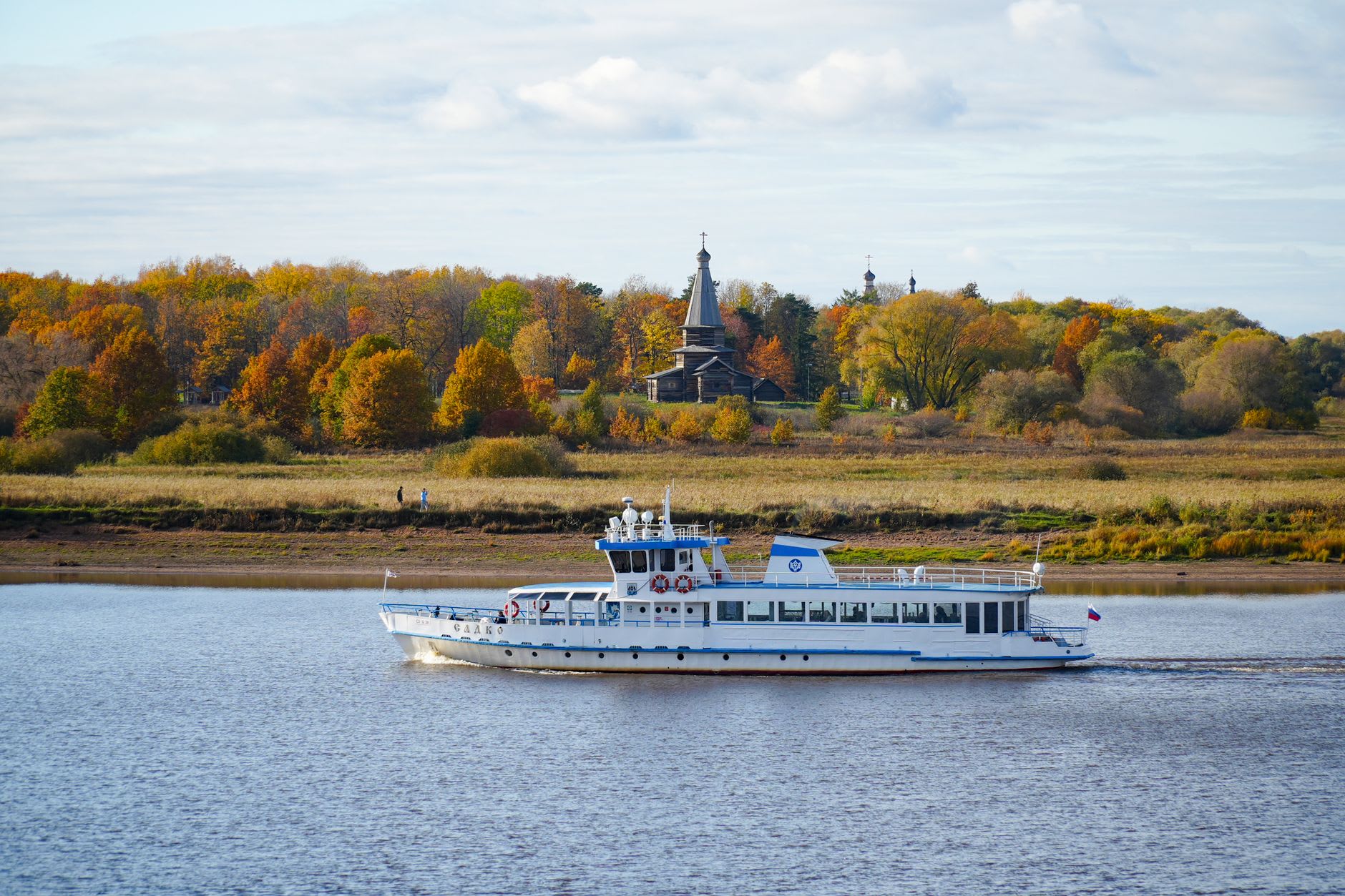
I took a morning train from Saint Petersburg — two and a half hours, flat country, birch forests giving way to fields and back to birch forests — and arrived at a city whose importance to Russian history is entirely out of proportion to its current size. Veliky Novgorod was medieval Russia’s greatest city, a trading republic that held its own against Moscow and maintained its commercial links with the Hanseatic League from the twelfth century onward. It was powerful before Moscow existed as a concept. The train station is modest, the taxi to the kremlin costs three hundred rubles, and the city has the unhurried air of a place that made its definitive historical statement eight hundred years ago and has been comfortable with that arrangement since.
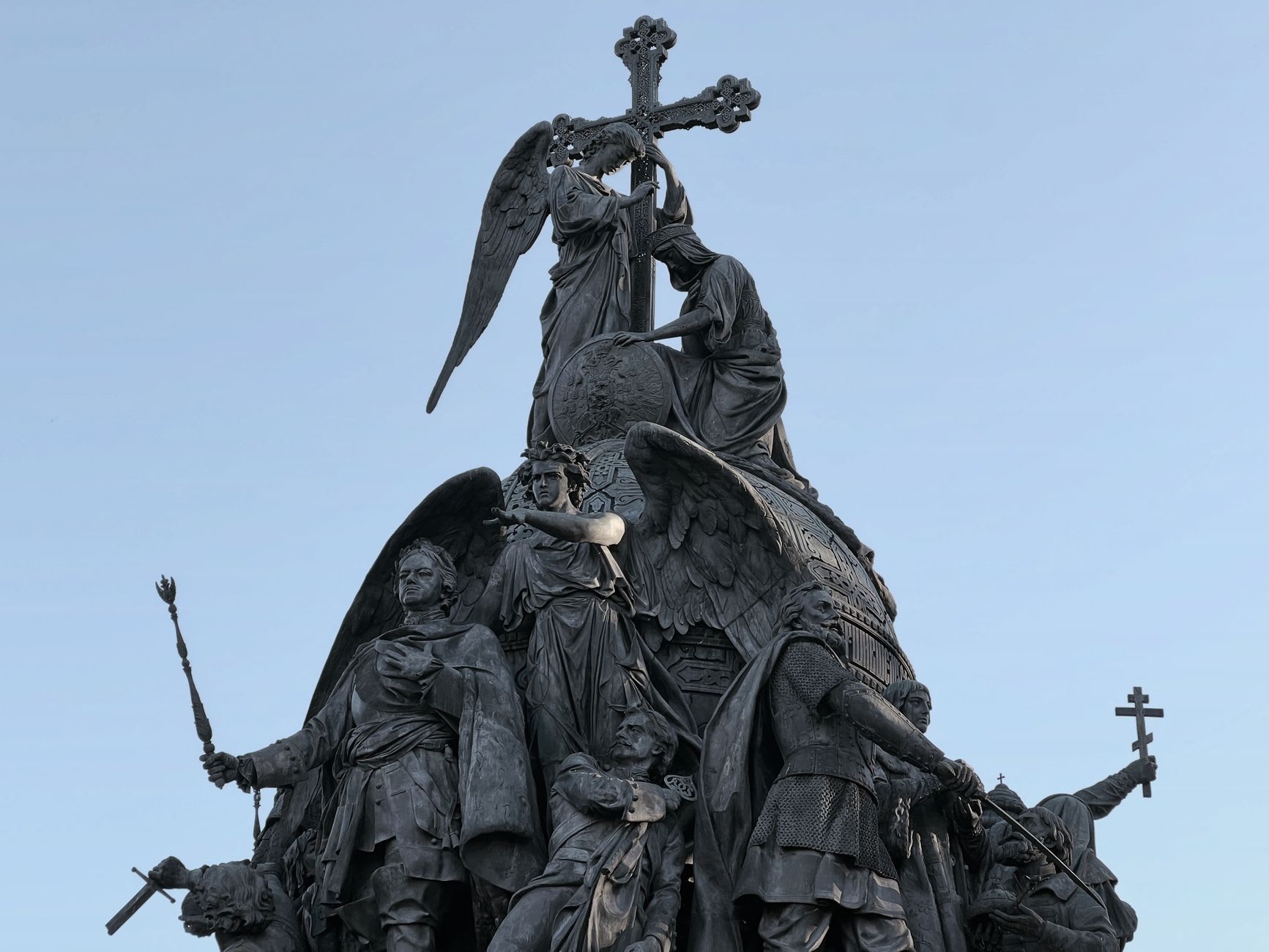
The Cathedral of Saint Sophia inside the kremlin was consecrated in 1052. To put this in terms that recalibrated me: it is older than Notre-Dame de Paris, older than Chartres, older than almost every stone structure that France considers its own heritage. I walked inside on a Tuesday morning in late September when the tourist season had thinned, and for twenty minutes I was alone in the nave except for a woman in a headscarf who was lighting candles. The frescoes are fragmentary in places but present — eleventh and twelfth century, Byzantine in influence, the figures elongated and flat in the way that reads as distant and abstract until you look long enough and something in the geometry starts to feel alive. The quality of silence in there is specific: not empty but full, accumulated.
The Museum of Letters, a ten-minute walk from the kremlin, houses the most extraordinary collection of objects I’ve encountered in Russia: pieces of birch bark, dating from the eleventh to fifteenth centuries, on which ordinary Novgorodians scratched their messages, accounts, letters, and arguments. The bark was discovered by archaeologists in the wet soil of old Novgorod, which preserved organic material unusually well. There are love letters in there. A note from a man complaining about a debt. A child’s schoolwork, complete with a drawing of a horse. History in these fragments is not monumental or curated — it is messy and human and entirely real.
Across the Volkhov River from the kremlin, on the Torgovaya Storona — the old trading side — stand a dozen medieval churches in various states of preservation, scattered through residential streets with no particular fanfare or signage. I found one unlocked and went inside; a restoration team was working on a fresco in the apse, one man on a ladder and another on the floor mixing pigments. They nodded at me. I sat on a wooden bench and watched them work for half an hour, two people at the patient, considered task of preserving something older than anything I know how to care about properly.
When to go: May through September for comfortable walking weather and daylight. September is ideal — the summer crowds gone, the birch forests around the city turning gold, the museums open but not packed. Winter makes the kremlin walls look even more severe and the cathedral even more impressive in snow.