
Porto Alegre
"The Guaíba at sunset reminded me that some views earn their reputation without trying."
Porto Alegre arrived in my memory as a smell first: wood smoke and rain-wet concrete mixing in the April evening air as I came up from the bus terminal and into the Cidade Baixa neighbourhood. The city was doing what I hadn’t expected any Brazilian city to do at seven in the evening on a Tuesday — it was winding down, slowly, over a glass of local wine at tables that had moved onto the pavement the moment the afternoon cooled. The Guaíba, which technically isn’t a river but a vast lagoon that behaves like one, burned violet and orange at the far end of every cross-street. I walked west toward it and understood immediately why people here treat a hora do pôr do sol no Guaíba as a civic institution.
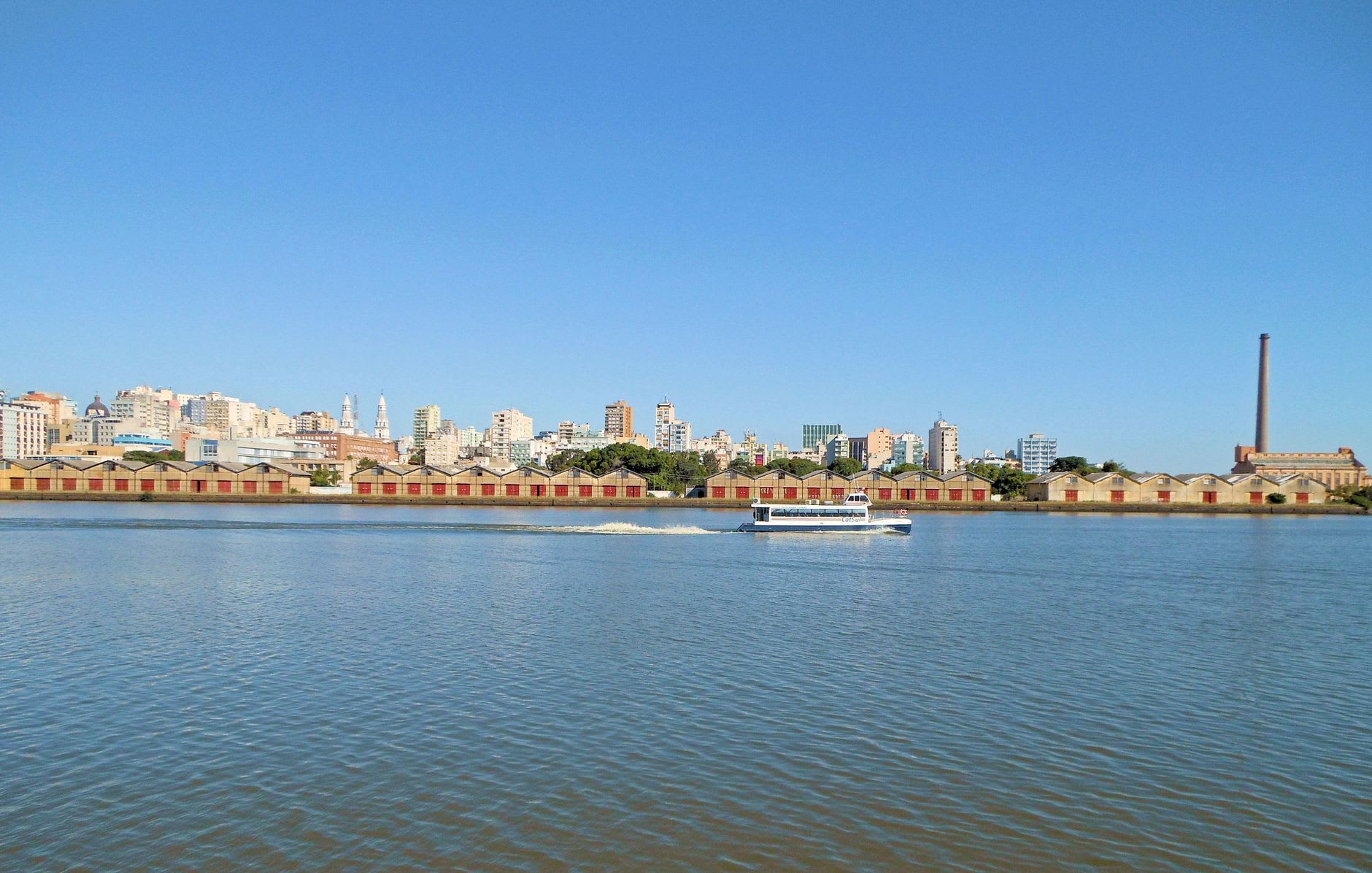
The city has layers that accumulate in a way I wasn’t prepared for. Bom Fim is the neighbourhood that first made sense to me — narrow streets lined with bars whose tables spill together until the sidewalk becomes one collective conversation, a historically Jewish quarter that once sheltered European refugees, now home to bookshops and restaurants where the food is genuinely serious rather than tourist-tolerant. I ate sopa de mandioca at a place with no English menu and the cook came out twice to ask if I needed help. I didn’t. The warmth of the broth was exactly what I needed in that rain, and the cassava had been cooked to the point where it held together more out of habit than structure. Mercado Público is the correct beginning for anyone arriving without a plan: the central market in a covered nineteenth-century iron hall fills with chimarrão — the bitter gourd-tea that Gaúchos carry everywhere like a second wallet — and fish stalls, bakeries, and one perfect coffee counter in the back corner that I returned to every morning. The building smells of sawdust and citrus peel and something yeasty I couldn’t identify, and the light that comes through the high windows before noon is the yellow of old paper.
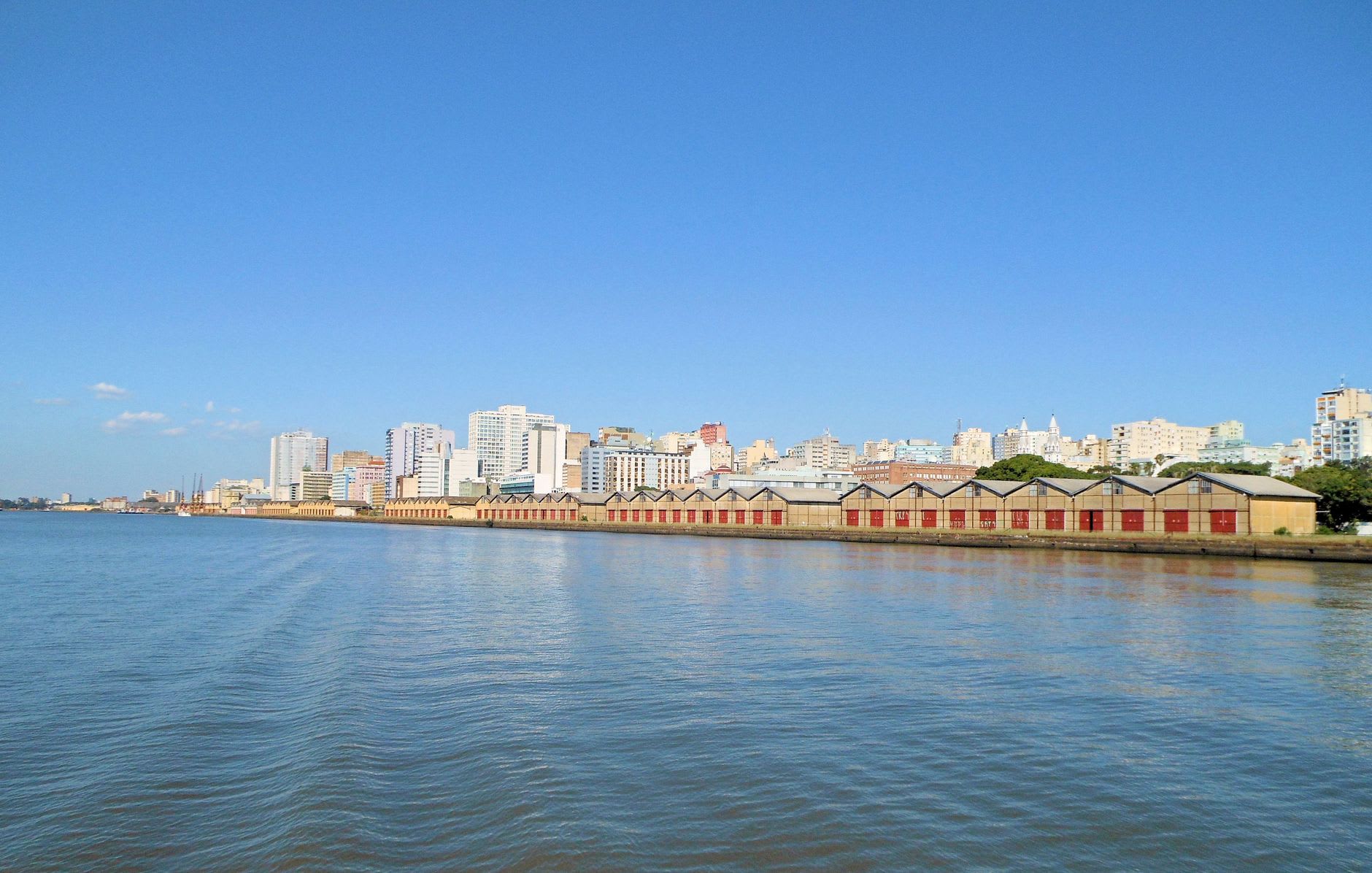
To understand why Porto Alegre feels structurally different from São Paulo or Rio, you have to account for the immigration arithmetic. German and Italian settlers arrived in the late nineteenth century and pushed into the region in such numbers that their architecture and food habits didn’t dissolve into the larger Brazilian culture — they altered it. You see it in the faces, in the wheat-heavy bakeries, in the cold-climate instincts that make people here favor a churrasco in someone’s backyard over a beach club. The South American gaucho tradition runs underneath all of it too, and on weekend mornings in the Redenção park you’ll find men in loose trousers and leather boots walking with cuias of mate while their children play football in the damp grass. Porto Alegre is a city holding multiple coexisting identities with the quiet confidence of a place that has already had the argument about which one wins and decided the question isn’t interesting.
When to go: March through June and August through October are ideal — mild, dry, and relatively quiet. July can be cold enough to justify a proper coat, which the locals do not view as a hardship. Avoid January and February when heat and the influx of summer visitors combine into something heavier.